Anupam Tripathi
Mental Peace Missing in Life? Causes, Signs & Therapy to Restore Inner Calm
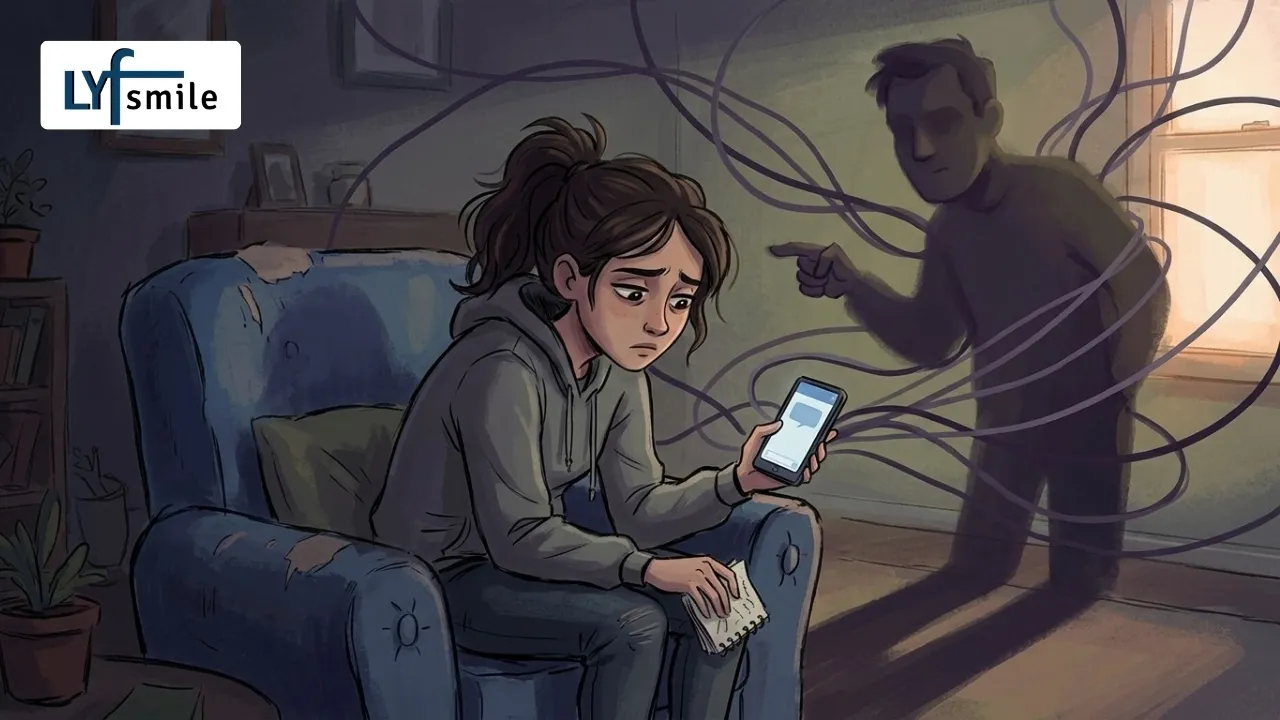
There are moments in life when everything appears settled on paper, yet internally, nothing feels calm. Income is stable. Career growth is visible. Responsibilities are being handled efficiently. From the outside, life looks organised and successful. Yet inside, the mind rarely feels quiet. Thoughts continue running. Sleep feels light or disturbed. Silence feels uncomfortable rather than peaceful.
This experience — mental peace missing in life — is becoming increasingly common, especially among individuals who have worked hard to achieve financial stability and professional success. In India, many people live with this quiet inner unrest while maintaining a composed, capable outer life. Others see success. They feel heaviness, restlessness, or emotional flatness.
This gap between external achievement and internal calm often creates confusion, guilt, and emotional exhaustion. People begin to wonder why peace feels absent when life appears “set.” This blog explores why mental peace goes missing even after success, how it connects to earlier emotional stages like money but no happiness, and how professional psychological support through platforms like Lyfsmile can help restore balance without sacrificing ambition or growth.
When Life Looks Fine but Mental Peace Is Missing
Mental peace does not vanish suddenly. It fades gradually. For many high-achieving individuals, this loss begins during years of intense focus on career, income, and long-term responsibility. Emotional needs are postponed. Rest is delayed. Personal fulfillment is placed on hold for “later.” Over time, the mind adapts to pressure as its default state.
Deadlines, expectations, self-monitoring, and constant planning become normal. What once felt like motivation slowly turns into persistent mental noise. Even during free time, the mind remains occupied. Achievements feel less enjoyable. Life begins to feel mechanical rather than meaningful.
Common experiences at this stage include:
Waking up tired despite adequate sleep
Feeling mentally occupied even during leisure
Difficulty enjoying achievements
A sense that life feels repetitive or automated
Emotional numbness instead of happiness
This is not failure. It is often a sign of lack of mental peace caused by long-term emotional overload, not a lack of success.
Mental Peace Missing in Life After Financial Stability
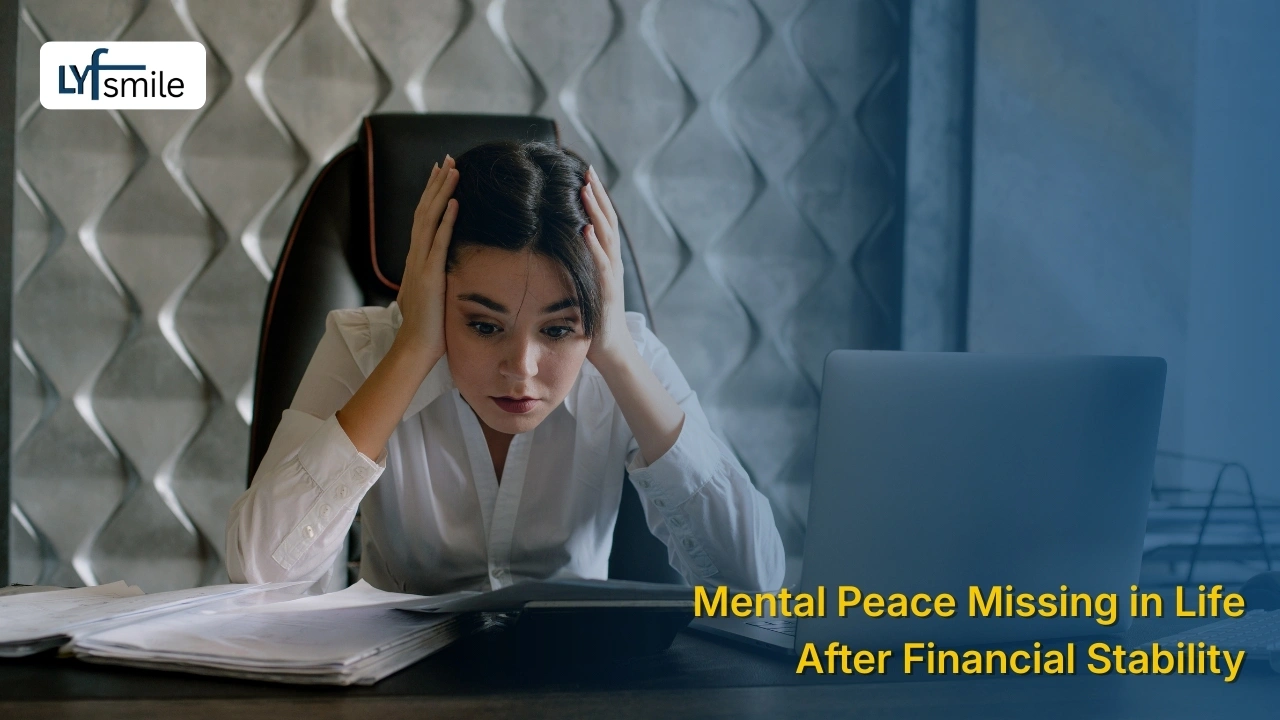 Many people assume financial stability will naturally bring peace. In reality, the opposite often happens. When income becomes stable, responsibility usually increases. Fear of loss appears. Standards must be maintained. Expectations rise.
Instead of relaxing, the mind stays alert.
At this stage:
Pressure shifts from survival to performance
Identity becomes closely tied to success
Emotional expression reduces
Mistakes feel more costly
As a result, mental peace missing in life after financial stability becomes a silent struggle. The nervous system remains in a constant state of readiness, even when external danger no longer exists.
Why Life Feels Empty Even After Success
At this point, many successful people experience a quiet but unsettling realization: life feels empty even after success.
This emptiness is not about ingratitude. It emerges when goals are achieved without emotional connection. When one milestone follows another without pause, success becomes a checklist rather than a source of meaning.
Over time:
Achievements bring only temporary satisfaction
Motivation feels weaker
Excitement fades quickly
Purpose feels unclear
The mind begins to recognize that something essential is missing — not money or recognition, but mental peace and emotional fulfillment. Without these, even a successful life can feel hollow.
Signs of Constant Restlessness and Emotional Dissatisfaction
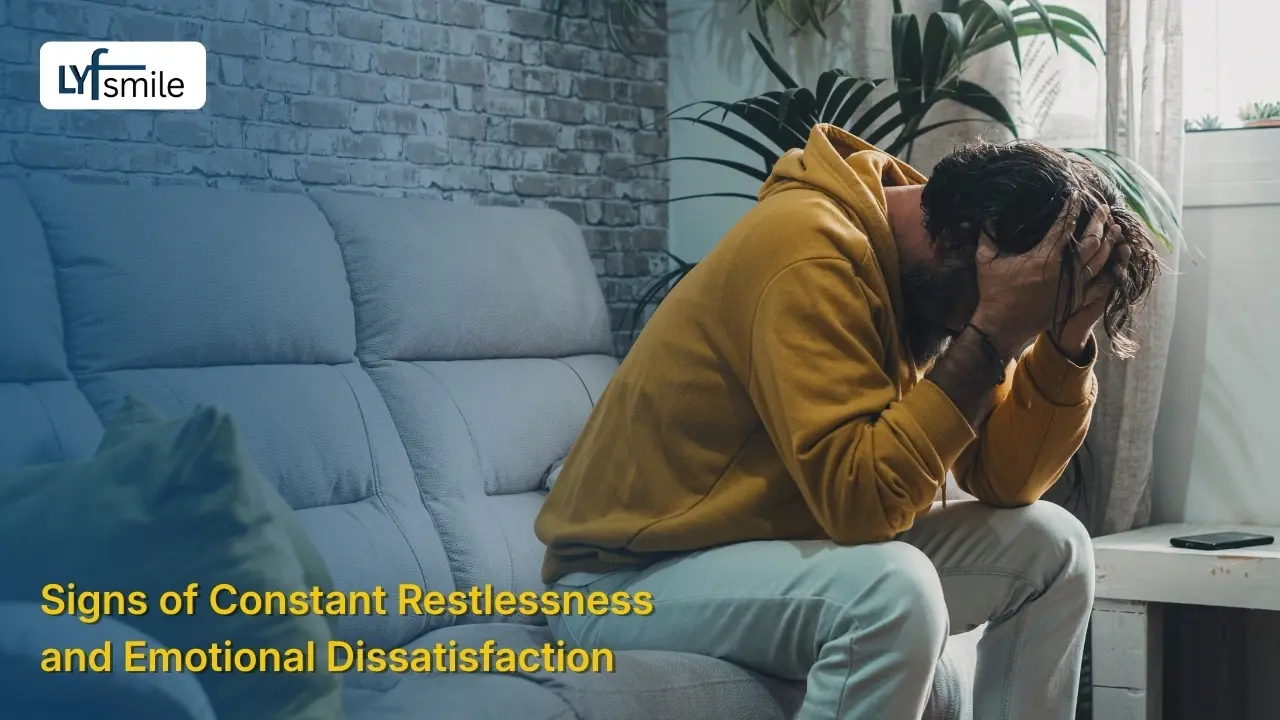 Even when life seems “perfect” on paper, many high achievers feel a quiet but persistent unease. This is a clear sign that mental peace is missing, and it can slowly affect your emotional well-being, productivity, and overall satisfaction. Recognizing these signals early is key to taking control.
Common Signs Include:
Constant restlessness: Overthinking small decisions, difficulty relaxing, or feeling uneasy during quiet moments.
Emotional dissatisfaction: Feeling unfulfilled despite financial stability, career success, or social recognition.
Mental exhaustion without physical fatigue: Being drained emotionally while physically capable, often caused by long-term emotional suppression, responsibility overload, and constant self-control.
Loss of enjoyment in achievements: Even accomplishments feel temporary or mechanical rather than rewarding.
Persistent alertness: The mind remains on high alert, making it difficult to feel calm or present.
These patterns are not a personal failure — they reflect prolonged stress, high expectations, and emotional neglect over time. Professional support through platforms like Lyfsmile can help you address these issues, process mental pressure, and rebuild lasting inner peace without compromising ambition or success.
How Mental Peace Slowly Fades After Success
Mental peace usually doesn’t disappear all at once. For many people, it starts much earlier — at the moment they realise they have money but no happiness. What feels like a small emotional gap at first often goes unnoticed.
When that emotional emptiness is ignored for too long:
Emptiness slowly turns into loneliness
Loneliness leads to emotional disconnection
Disconnection eventually results in loss of inner peace
This is why mental peace missing in life is often connected to the early phase of money but no happiness. When success continues without emotional awareness or support, this inner imbalance quietly deepens over time.
Connect With India’s Top Psychologists for Real Inner Peace
 Platforms like Lyfsmile make professional mental health support accessible, confidential, and personalised for busy professionals. Lyfsmile connects you with experienced psychologists in India who understand the emotional challenges high achievers face — including lack of mental peace despite success, long‑term stress, and inner restlessness.
Here are some of the highly qualified experts you can work with:
Dr. Shraboni Nandi – Clinical & Cognitive Psychologist
Dr. Shraboni Nandi is a qualified and RCI‑registered clinical psychologist with more than 20 years of professional experience. She is a certified psychologist, a licensed special educator (RCI), and a trained mindfulness & life coach who works with individuals facing stress, emotional exhaustion, anxiety, and related concerns. Her therapeutic approach focuses on evidence‑based practices like cognitive and behavioral strategies to help clients build clarity, emotional balance, and resilience.Ms. Priyanka Sharma – Adult & Stress Management Specialist
Priyanka is a compassionate psychologist trained in CBT, mindfulness, trauma‑focused therapy, and stress management. She helps individuals navigate anxiety, self‑esteem issues, emotional regulation, and life transitions — critical support when mental peace feels missing despite external success.Mrs. Tanya Sachdev – Clinical Psychologist with Global Training
Trained in Clinical Psychology (Cambridge, UK), Tanya brings a global perspective to therapy, with expertise in dealing with emotional exhaustion, internal pressure, and self‑criticism. Her approach helps high achievers rebuild emotional resilience and inner calm without giving up ambition.
These psychologists combine empathy with evidence‑based techniques to help you:
Understand and process prolonged mental pressure
Separate self‑worth from performance
Rebuild emotional stability and peace
Navigate success‑related stress without guilt
Not every therapist understands the emotional reality behind real‑world success — but Lyfsmile’s experts do. 👉If you’re seeking sustainable peace and clarity, talk to one of these specialists today — your first step toward lasting calm and confidence starts here.
Therapies at Lyfsmile That Support Inner Peace
Depending on individual needs, professionals at Lyfsmile use evidence-based approaches such as:
Cognitive Behavioural Therapy (CBT)
Helps identify thought patterns that maintain restlessness and replace them with balanced responses.Stress and Burnout Therapy
Designed for individuals who feel mentally exhausted despite functioning well.Mindfulness-Based Therapy
Supports nervous system regulation and teaches the mind how to slow down safely.Psychiatric Support (When Required)
In cases of severe anxiety, sleep disturbance, or emotional imbalance, consulting a psychiatrist through Lyfsmile can be beneficial.
These approaches focus on restoring mental peace — not removing ambition.
Why Choosing the Right Psychologist Is Essential for Inner Peace
When mental peace is missing in life, professional support can make a meaningful difference — but only when the support is right for you. Therapy is not a one-size-fits-all solution, especially for individuals who are managing success, responsibility, and constant performance pressure.
High-achieving professionals often hesitate to seek help because of common concerns:
Being misunderstood for “having everything”
Feeling judged for struggling despite success
Being advised to slow down or lower expectations
This is where choosing the right psychologist or psychiatrist becomes critical.
A well-matched mental health professional understands that your challenge is not a lack of motivation or discipline, but prolonged emotional overload. They recognise the hidden impact of responsibility, decision fatigue, and self-imposed standards that keep the mind in a constant state of alertness.
With the right psychologist, therapy becomes:
Structured yet emotionally safe
Goal-oriented without being pressure-driven
Supportive of ambition, not dismissive of it
Focused on restoring inner peace alongside performance
For some individuals, consulting a psychiatrist may also be beneficial — particularly when anxiety, sleep issues, or emotional imbalance begin to affect daily life. The right psychiatric support aims to stabilise mental well-being while preserving clarity, focus, and functionality.
Choosing the right mental health professional is an investment in long-term stability. It ensures that therapy does not feel like another task to manage, but a reliable space to regain calm, emotional clarity, and mental peace — without compromising the success you have worked hard to build.
When to Take Your Mental Peace Seriously — Don’t Wait Until It’s Too Late
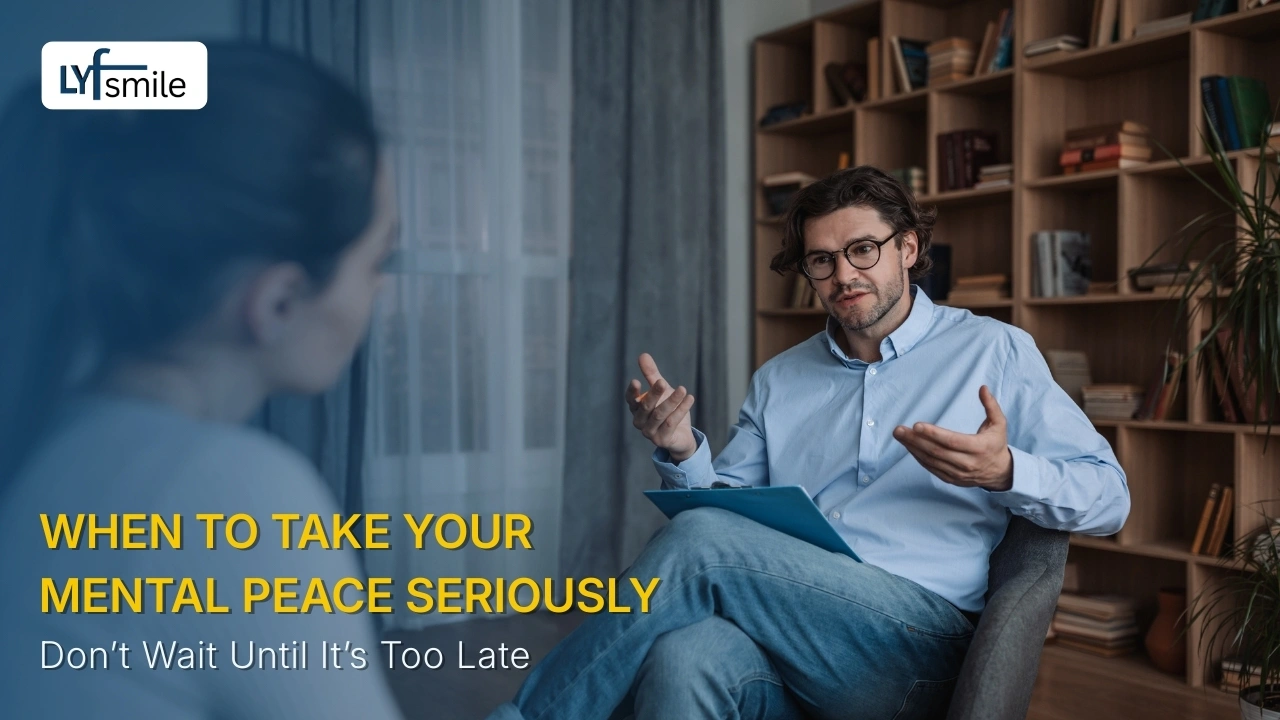 Ignoring signs of mental unrest can silently erode your happiness, productivity, and relationships. If you notice any of the following, it’s a clear signal that professional help is needed:
Inner calm feels rare: Even during downtime, your mind races, making peace seem impossible.
Restlessness is persistent: You constantly feel “on edge” without a clear reason.Success feels emotionally flat: Achievements no longer bring satisfaction or joy.
Sleep or concentration is affected: Restless nights and scattered focus are taking a toll.
Relationships feel distant: Emotional disconnect from loved ones becomes noticeable.
Left unchecked, these signs can intensify over time, turning quiet dissatisfaction into chronic stress, anxiety, or burnout. The good news? You don’t have to face it alone.
Connect with experienced psychologists at Lyfsmile today. Call or WhatsApp +91 98047 91047 to book a confidential session with a Lyfsmile psychologist and begin creating a life that feels calm, connected, and emotionally fulfilling — not just successful on the outside.
Final Thoughts
If you feel that mental peace is missing in life, understand this clearly: you are not broken, ungrateful, or failing. You are likely at a stage where emotional needs require attention.
With the right psychological support — especially through platforms like Lyfsmile — many individuals rediscover calm, clarity, and emotional balance without giving up the success they worked hard to build.
And if this restlessness feels familiar, it may be worth revisiting where it began — the stage of money but no happiness, where emotional needs were first ignored.
Faqs
Q1. What does it mean when mental peace is missing in life?
It means feeling restless, emotionally flat, or mentally overactive despite external success. When mental peace missing in life becomes a constant experience, life may look organized on the outside, but the mind rarely feels calm. Professional support can help restore inner balance.
Q2. Why do high achievers often lose mental peace?
Long-term focus on career, responsibilities, and financial goals can suppress emotional needs. Achievements may feel mechanical rather than fulfilling. Therapy helps reconnect with inner calm.
Q3. Can financial stability guarantee mental peace?
No. Stability often increases responsibility, fear of loss, and pressure to maintain standards. Mental unrest can persist even after success. Lyfsmile psychologists address these hidden challenges.
Q4. What are the common signs that mental peace is missing?
Persistent restlessness, emotional dissatisfaction, mental exhaustion, loss of enjoyment in achievements, and constant alertness are key signs. Early recognition of mental peace missing in life is important for timely recovery.
Q5. How does lack of mental peace affect daily life?
It can reduce productivity, strain relationships, disturb sleep, and create emotional exhaustion. Even accomplishments may feel less rewarding. Therapy restores balance without sacrificing success.
Q6. How can therapy help restore mental peace?
Therapies like CBT, mindfulness, stress management, and emotional resilience training help regulate thoughts and emotions. They support lasting calm while preserving ambition.
Q7. Who can benefit from therapy at Lyfsmile?
High achievers, professionals, and anyone feeling mental unrest despite external success can benefit. Lyfsmile offers personalized therapy addressing unique emotional challenges.
Q8. When should someone seek professional help?
Seek support if restlessness is constant, achievements feel empty, sleep is disturbed, relationships feel distant, or emotional balance is affected. Early intervention prevents chronic stress.
Q9. Are online sessions available for busy professionals?
Yes. Lyfsmile provides flexible online and offline sessions, making it easy for professionals to access therapy without disrupting work schedules.
Q10. How do I book a session with a Lyfsmile psychologist?
You can book online or offline sessions with expert psychologists like Dr. Shraboni Nandi, Ms. Priyanka Sharma, or Mrs. Tanya Sachdev. Therapy helps regain inner calm, clarity, and emotional fulfillment.