

Sarvesh Kumari
Psychological Causes of Premature Ejaculation: Anxiety, Stress & Treatment Options
Premature ejaculation is one of the most common male sexual concerns, and in many cases, it is closely linked to psychological factors rather than physical problems. Stress, anxiety, emotional pressure, and relationship dynamics can all significantly affect sexual control and performance, often overlapping with issues like performance anxiety in sex and broader emotional intimacy challenges.
Premature ejaculation can be influenced by psychological factors such as anxiety, stress, depression, relationship difficulties, and performance pressure. Biological and physical factors can also contribute, so the causes can vary from person to person.
Recognizing why premature ejaculation happens on a psychological level is often the first real step toward rebuilding confidence, intimacy, and sexual satisfaction. With the right professional support at Lyfsmile, couples and individuals can better work through these concerns and find effective premature ejaculation treatment as well as meaningful treatment for sexual problems in marriage, helping them reconnect emotionally and feel more at ease with each other.
What Is Premature Ejaculation?
Premature ejaculation occurs when a man ejaculates sooner than desired during sexual activity, often with minimal stimulation and limited control.
Clinical definition
It is generally defined as ejaculation that happens within about one minute of penetration—or earlier than desired, accompanied by a lack of control and emotional distress.
When does it become a concern?
It becomes a concern when it:
Happens frequently
Causes stress or embarrassment
Affects sexual satisfaction
Creates relationship difficulties
Types of premature ejaculation
Lifelong (primary): Present since first sexual experiences
Acquired (secondary): Develops later due to psychological or physical reasons
Psychological Causes of Premature Ejaculation
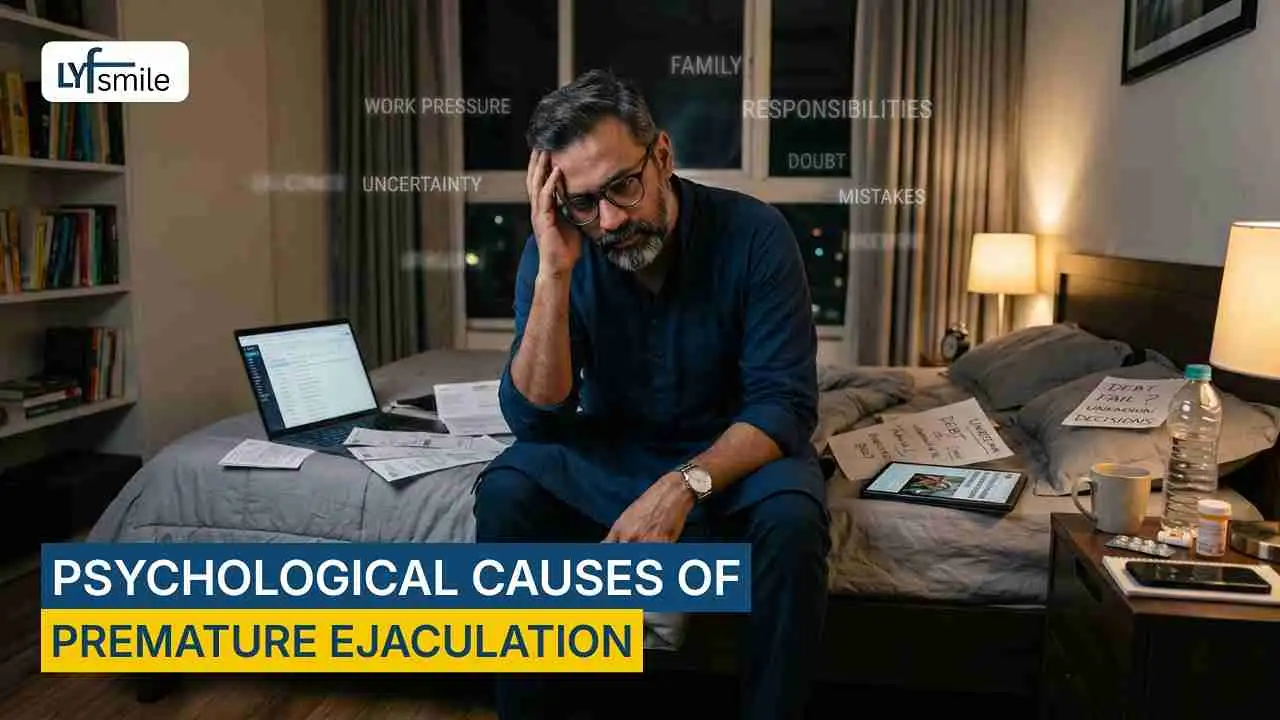 In many cases, premature ejaculation is driven by emotional and mental factors rather than biological issues, and often overlaps with the need for premature ejaculation treatment and emotional support.
Performance anxiety and sexual pressure
Fear of “not lasting long enough” creates pressure that actually worsens control and is a core aspect of performance anxiety in sex.
Stress and overthinking during intimacy
Daily stress and overthinking reduce relaxation, leading to poorer sexual control and reduced satisfaction.
Depression and emotional health issues
Depression can lower libido, weaken emotional connection, and disrupt sexual response.
Relationship conflicts and lack of emotional connection
Unresolved conflicts, poor communication, or emotional distance can contribute to sexual dysfunction and may require relationship counselling for long-term improvement.
Guilt, fear, or negative sexual experiences
Past negative experiences or sexual guilt can create subconscious anxiety that triggers early ejaculation.
Porn-induced expectations and conditioning
Excessive pornography use may create unrealistic expectations and reduce real-life control due to overstimulation patterns.
How Are Depression and Premature Ejaculation Connected?
Sometimes depression and premature ejaculation can reinforce each other. Emotional distress may increase sexual pressure or reduce confidence, while repeated experiences of ejaculating sooner than desired can lead to frustration, embarrassment, avoidance of intimacy, or relationship stress
How Anxiety Affects Ejaculation Control?
Anxiety can significantly affect ejaculation control by increasing mental tension, overthinking, and physical stress responses during intimacy. When the mind becomes focused on performance fears, relationship pressure, or the fear of disappointing a partner, the body may respond with heightened arousal and reduced control over ejaculation.
Role of the brain in sexual response: Brain signals regulate arousal, excitement, and ejaculation timing.
Fight-or-flight response: Anxiety activates the fight-or-flight response, which can shorten ejaculation time.
Cycle of anxiety and loss of control
Fear of early ejaculation → increased anxiety → reduced control → reinforced fear in future experiences.
What Are the Symptoms of Psychologically Driven Premature Ejaculation?
Psychologically driven premature ejaculation (PE) is commonly linked to difficulty delaying ejaculation and a repeated pattern of climaxing sooner than expected during intimacy. This can lead to emotional distress, reduced sexual confidence, relationship tension, and increased performance anxiety for both partners. In many cases, psychological factors may either trigger premature ejaculation or develop because of ongoing sexual stress, creating a cycle that becomes difficult to break.
Psychological Symptoms of Premature Ejaculation
1. Performance Anxiety
Fear of underperforming, finishing too quickly, or disappointing a partner can increase mental pressure during intimacy. This anxiety shifts attention away from emotional connection and makes ejaculation control more difficult.
2. Stress and Emotional Exhaustion
Work stress, relationship pressure, anxiety, and depressive thoughts can negatively affect sexual wellness and reduce emotional comfort during intimacy.
3. Guilt and Low Self-Confidence
Feelings of inadequacy, shame, body image concerns, or fear of not satisfying a partner may worsen premature ejaculation concerns over time.
Behavioral and Relationship Symptoms
4. Avoidance of Intimacy
Some individuals may begin avoiding sexual activity due to embarrassment, fear of judgment, or repeated anxiety around sexual performance.
5. Acquired Premature Ejaculation
Psychological premature ejaculation often develops later in life after stressful experiences, relationship conflicts, emotional trauma, or major lifestyle changes.
6. Conditioned Sexual Response
Past habits of rushing intimacy or stressful sexual experiences can gradually condition the body toward quicker ejaculation patterns.
7. Relationship Strain and Communication Issues
Poor communication, unrealistic expectations, and emotional distance between partners can increase intimacy concerns and further affect ejaculation control.
Diagnosis of Premature Ejaculation
The diagnosis of premature ejaculation usually involves understanding sexual history, relationship concerns, emotional well-being, and the frequency of symptoms during intimacy. Mental health professionals and sexual wellness experts may assess factors such as anxiety, stress, performance pressure, and relationship dynamics to identify possible psychological causes.
When to consult a specialist
If the issue persists for several weeks or affects emotional well-being or relationships, professional help is recommended.
Psychological vs. physical evaluation
Doctors or therapists may assess whether the cause is:
Psychological (stress, anxiety, trauma)
Physical (hormonal or neurological issues)
Questions doctors may ask
How long has the problem been present?
What is your current stress level and mental health status?
Are there relationship or emotional factors involved?
How is Psychological Treatment for Premature Ejaculation is Done?
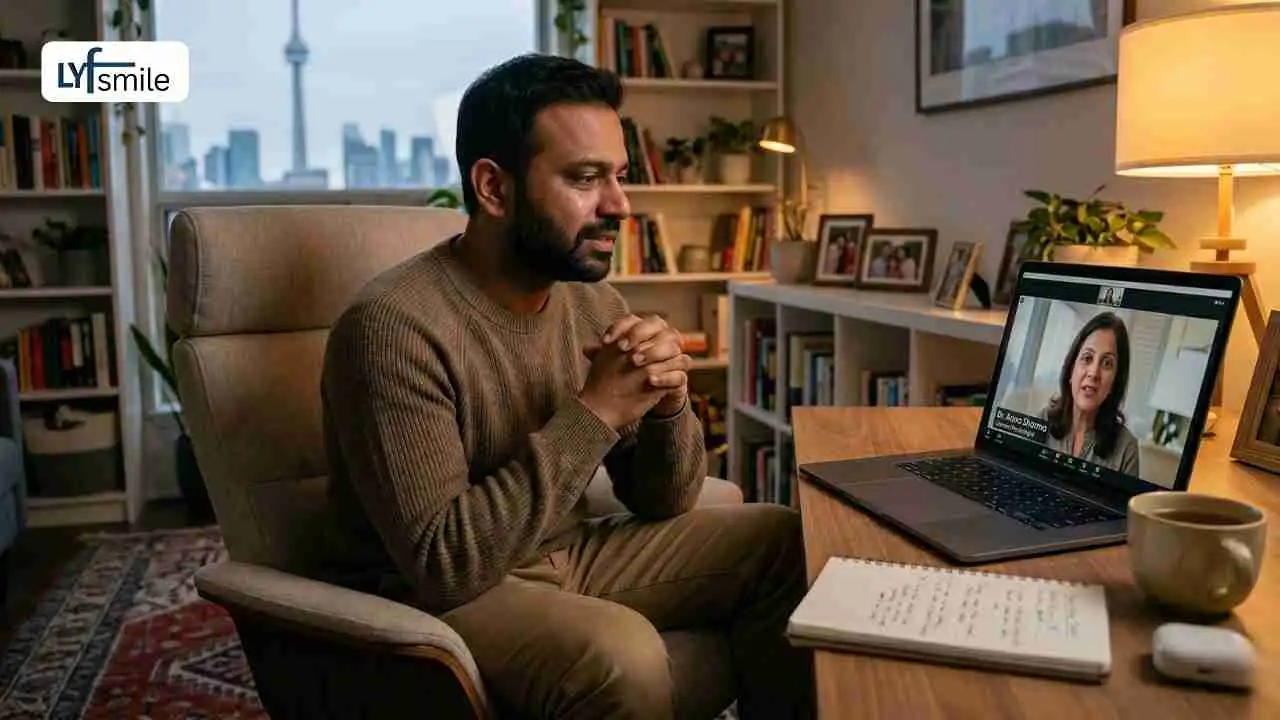 Treatment often focuses on addressing the mind rather than the body alone, and is a key part of premature ejaculation treatment and overall emotional healing.
Cognitive Behavioral Therapy (CBT): CBT Helps identify and change negative thought patterns related to performance anxiety.
Sex therapy and counseling: Helps individuals and couples improve communication, confidence, and intimacy, often forming part of relationship counselling.
Anxiety management techniques: Relaxation training and stress reduction can improve control.
Mindfulness and relaxation exercises: Reduces overthinking and increases awareness during intimacy.
Couple therapy for intimacy issues: Helps rebuild emotional connection and reduce performance pressure, supporting long-term treatment for sexual problems in marriage.
Self-Help Techniques to Improve Ejaculation Control
Simple self-help techniques can support better ejaculation control by reducing anxiety and improving body awareness during intimacy. Practices such as mindfulness, deep breathing, pelvic floor exercises, stress management, healthy sleep habits, and open communication with a partner may help improve confidence and sexual responsiveness over time. Reducing performance pressure and focusing more on emotional connection rather than outcomes can also positively support intimacy and overall sexual well-being.
Start-stop technique: Pausing stimulation before climax helps build control over time.
Breathing and grounding exercises: Deep breathing reduces anxiety and maintains relaxation during intimacy.
Communication with your partner: Open discussion lowers pressure and builds emotional comfort.
Reducing performance pressure: Shifting focus from “performance” to “connection” improves sexual experience.
Get To Know When to Get Professional Help from Lyfsmile
At Lyfsmile, professional support for psychological causes of premature ejaculation is recommended when self-help strategies are not enough and the condition continues to affect emotional well-being or relationships.
This is especially important when seeking structured premature ejaculation treatment or emotional healing support.
Consider professional support if:
The problem of premature ejaculation (psychological causes) persists despite consistent self-help efforts and begins to affect relationship satisfaction or intimacy.
You experience severe performance anxiety in sex, stress, or emotional distress that feels overwhelming during sexual situations or daily life.
Self-help techniques such as breathing exercises, communication, or behavioral methods are not leading to noticeable improvement in ejaculation control.
Conclusion
Psychological causes of premature ejaculation are very common and often overlooked. Anxiety, stress, emotional pressure, performance anxiety in sex, and relationship dynamics play a major role in sexual performance.
The good news is that this condition is highly treatable. With the right combination of premature ejaculation treatment, therapy, stress management, relationship counselling, and emotional support, men can regain confidence and improve intimacy, including in cases requiring treatment for sexual problems in marriage.
FAQs
1. Can anxiety cause problems with ejaculation control?
Yes, anxiety can affect ejaculation control by increasing stress, overthinking, and sexual performance anxiety during intimacy.
2. How does performance anxiety affect ejaculation?
Performance anxiety can make a person overly focused on sexual outcomes, which may disrupt natural sexual response and contribute to premature ejaculation concerns.
3. Can relationship stress affect ejaculation control?
Yes, emotional conflict, communication issues, or fear of disappointing a partner can contribute to relationship intimacy problems and anxiety-related ejaculation difficulties.
4. Does stress from work or daily life affect sexual performance?
High stress levels, mental fatigue, and emotional burnout can negatively affect male sexual health and make ejaculation control more difficult.
5. Can therapy help with anxiety-related ejaculation concerns?
Yes, approaches such as psychosexual therapy, CBT, and anxiety management techniques can help reduce performance pressure and improve sexual confidence.
6. When should someone seek help for anxiety and ejaculation issues?
Professional support may help when sexual wellness concerns, anxiety, or ejaculation problems become frequent, emotionally distressing, or begin affecting relationships and intimacy.