


Silkey Goyal
Mental Well-Being at Work: Influences and Solutions
In modern professional environments, mental well-being at the workplace has emerged as a critical concern. Rapid technological change, high expectations, and constant connectivity have made it increasingly difficult for employees to maintain psychological health. For many individuals, work is not only a source of income but also a central aspect of identity, structure, and purpose. Therefore, supporting mental well-being at work is crucial not only for employees but also for organizational productivity and societal well-being.
Mental well-being at work is shaped by individual coping strategies and by broader organizational systems, leadership practices, workplace culture, and interpersonal relationships. Addressing it effectively requires understanding both personal and systemic factors.
Understanding Mental Well-Being in the Workplace
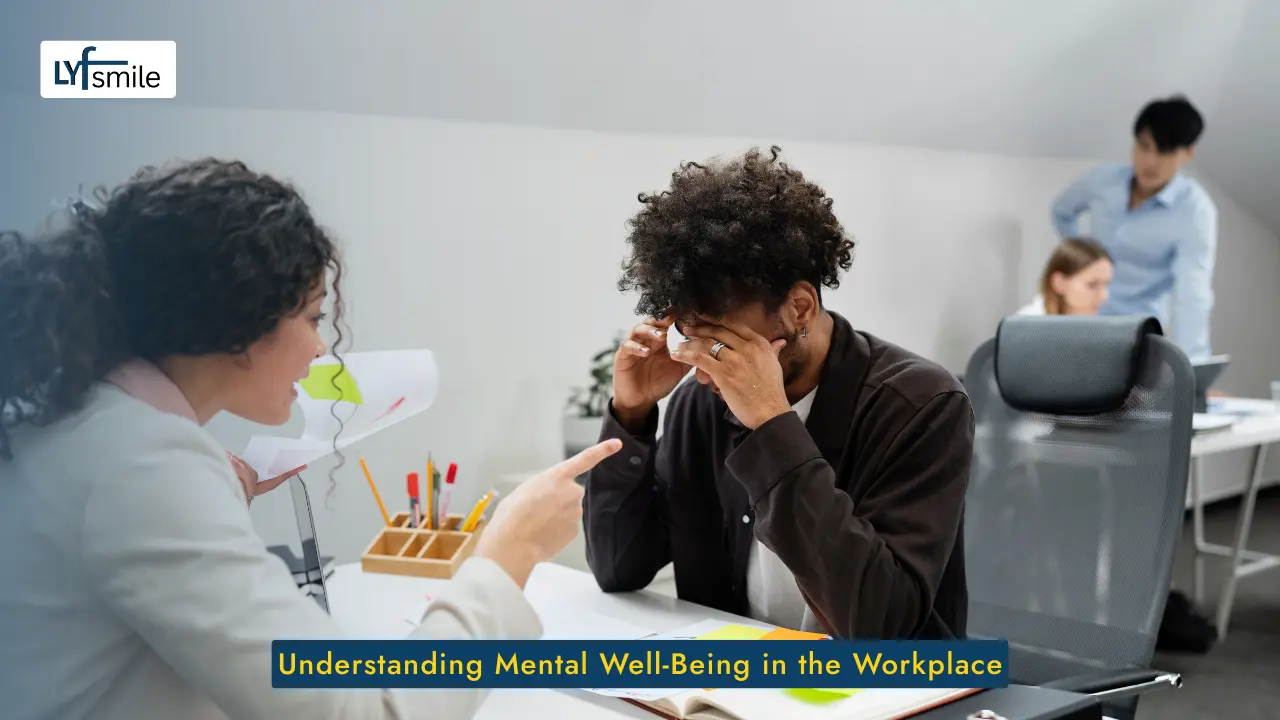 Mental well-being at the workplace refers to an individual’s ability to cope with work-related stress, maintain emotional balance, remain engaged, and perform effectively in professional responsibilities. It is not about constant positivity or the absence of challenges; rather, it is the capacity to recover from stress, adapt to changing demands, and sustain resilience over time. Developing healthy coping habits and practicing work stress management strategies can help employees handle pressure more effectively and maintain better emotional balance at work.
Mental well-being is dynamic. Employees may experience periods of stability, fatigue, pressure, or recovery depending on personal factors such as resilience and coping strategies, as well as organizational factors such as workload, support systems, and culture. Recognizing this variability is essential, as it highlights the importance of consistent support and effective work stress management approaches rather than relying only on temporary solutions.
Key Points:
Exists on a continuum, with fluctuations depending on internal and external factors.
Involves resilience, adaptability, and recovery rather than constant positivity.
Directly impacts productivity, decision-making, and life satisfaction.
Key Influences on Workplace Mental Well-Being
Job Design and Nature of Work
The structure and design of a role significantly influence mental well-being. Highly repetitive jobs, offer limited autonomy, or fail to leverage employees’ skills, can reduce engagement and motivation. Conversely, roles that are overly complex or unsupported may increase stress, anxiety, and self-doubt. Meaningful work—where employees perceive a connection between their tasks and broader organizational objectives—enhances resilience and job satisfaction.
Key Points:
Limited autonomy and repetitive tasks can reduce motivation.
Overly complex or unsupported roles increase anxiety.
Meaningful work promotes engagement and psychological resilience.
Workload, Pressure, and Time Constraints
High workload and tight deadlines are among the most common contributors to workplace stress. Employees experiencing constant time pressure or conflicting demands may develop emotional exhaustion or burnout over time. Stress is not only about the volume of work; unclear priorities, unpredictable tasks, and conflicting expectations intensify mental strain.
Key Points:
Sustained pressure can lead to burnout and reduced concentration.
Unclear priorities increase stress.
Effective workload management requires realistic deadlines and transparent communication.
Leadership and Management Practices
Leadership plays a central role in shaping mental well-being. Poor communication, inconsistent feedback, and excessive control can create environments of fear and uncertainty. Employees may hesitate to voice concerns or admit mistakes, which compounds stress. On the other hand, leaders who demonstrate empathy, fairness, and transparency act as protective factors for mental health. How leaders handle mistakes, feedback, and conflict directly affects whether employees feel psychologically safe.
Key Points:
Supportive leadership enhances trust and reduces stress.
Poor leadership creates fear and hesitation to communicate.
Empathetic and consistent leadership fosters psychological safety.
Organizational Culture and Norms
Organizational culture shapes how emotions and stress are perceived and managed. In workplaces where vulnerability is discouraged, employees may feel compelled to suppress distress, resulting in isolation and internalized stress. Conversely, inclusive cultures that value respect, collaboration, and work-life balance foster engagement and resilience. Such cultures normalize seeking support, acknowledging human limitations, and sharing challenges openly.
Interpersonal Relationships and Social Support
Human connection is critical to mental well-being. Positive relationships with colleagues and supervisors foster trust, collaboration, and mutual support, which help employees cope with stress more effectively. Negative experiences, such as bullying, exclusion, or persistent conflict, can significantly harm mental health. Even minor interpersonal tensions, when chronic, may lead to anxiety, disengagement, and reduced job satisfaction.
Key Points:
Trust, collaboration, and peer support enhance resilience.
Persistent conflict or exclusion increases stress.
Positive social interactions act as a buffer against workplace pressures.
Role Clarity and Job Security
Uncertainty about responsibilities and expectations is a major stressor. When employees are unsure of performance standards, reporting lines, or their role within the organization, they may experience continuous cognitive strain. Job insecurity further amplifies stress, leading to chronic worry, sleep disturbances, and emotional fatigue. Clear communication about roles, expectations, and job stability is essential for mental well-being.
Key Points:
Ambiguity increases cognitive strain.
Job insecurity contributes to chronic stress and emotional exhaustion.
Role clarity supports focus, confidence, and psychological stability.
Work-Life Boundaries
The increasing use of digital communication has blurred the boundaries between work and personal life. Constant connectivity can prevent employees from detaching mentally, which limits recovery time and increases emotional fatigue. Encouraging breaks, flexible schedules, and respecting personal time are crucial for sustaining long-term mental well-being.
Key Points:
Digital connectivity can prevent psychological detachment.
Insufficient recovery increases the risk of burnout.
Clear boundaries promote emotional balance and resilience.
Psychological Impacts of Poor Workplace Mental Health
 Chronic exposure to workplace stressors without adequate support can lead to serious psychological consequences. Employees may experience chronic stress, anxiety, irritability, emotional exhaustion, and disengagement. These effects often develop gradually, making them difficult to detect until performance or personal life is significantly impacted.
Long-term consequences of poor mental well-being include reduced decision-making ability, strained relationships, and decreased overall life satisfaction. Importantly, these outcomes are typically a reflection of systemic workplace challenges rather than individual shortcomings..
Solutions to Improve Mental Well-Being at the Workplace
Optimizing Job Design and Autonomy
Providing employees with clear roles, meaningful tasks, and opportunities for decision-making enhances motivation and reduces stress. Opportunities for skill development and creative problem-solving improve engagement and contribute to psychological resilience.
Key Points:
Role clarity and meaningful responsibilities increase engagement.
Autonomy and skill utilization enhance satisfaction and resilience.
Establishing Realistic Expectations
Setting achievable goals, clear priorities, and transparent deadlines reduces unnecessary pressure. When expectations are realistic, employees can focus on quality rather than constantly striving to meet unattainable targets.
Key Points:
Clear priorities and timelines reduce uncertainty.
Realistic expectations prevent unnecessary stress.
Encouraging Supportive Leadership
Leadership practices emphasizing empathy, listening, and consistency foster psychologically safe workplaces. Managers who acknowledge stress, provide constructive feedback, and address concerns promptly create environments where employees feel valued and supported.
Supporting Work-Life Balance
Work-life boundaries are essential for mental well-being. Encouraging breaks, respecting personal time, and offering flexible work arrangements help employees recover from stress and maintain emotional stability.
Key Points:
Regular breaks and time off reduce fatigue.
Flexible arrangements support recovery and balance.
Promoting Psychological Safety
An environment where employees can share concerns, ask questions, and admit mistakes without fear reduces anxiety and supports learning. Psychological safety fosters collaboration, innovation, and adaptive problem-solving.
Strengthening Interpersonal Relationships
Teams that encourage mentorship, peer support, and trust provide employees with a buffer against stress. Conflict resolution mechanisms and collaborative work practices contribute to healthier social dynamics.
Key Points:
Positive relationships improve resilience.
Mentorship and collaboration reduce stress.
Fostering Inclusive and Supportive Cultures
Inclusive workplaces that acknowledge human limitations, celebrate achievements, and encourage support enhance employee well-being. Emotional intelligence training, fair policies, and recognition of contributions strengthen resilience and engagement.
Conclusion
Mental well-being at the workplace is influenced by job design, leadership behavior, organizational culture, interpersonal relationships, and work-life balance. Sustaining it requires systemic attention and proactive strategies, rather than relying solely on individual coping mechanisms. In many cases, guidance from experienced mental health professionals or insights shared by the best psychologist in world can help organizations understand how to build healthier and more supportive work environments.
Poor workplace mental health can lead to chronic stress, reduced productivity, impaired decision-making, and decreased life satisfaction. Organizations that foster supportive leadership, realistic expectations, role clarity, work-life balance, and inclusive cultures create environments where employees can truly thrive. Prioritizing mental well-being is not just a supportive practice but a necessity for sustainable performance, employee satisfaction, and long-term organizational success.
Frequently asked questions? ( FAQ)
1. What factors influence mental well-being in the workplace?
Mental well-being at work is shaped by multiple factors including workload, job security, management style, workplace culture, peer relationships, and opportunities for growth. Personal factors like coping skills and external stressors also play a role. A supportive and respectful environment generally enhances well-being, while high pressure, unclear expectations, or toxic behaviors can harm it.
2. How does poor mental well-being affect employees and organizations?
Poor mental well-being can lead to increased stress, burnout, absenteeism, and reduced productivity. Employees may experience decreased job satisfaction, lower motivation, and strained relationships with colleagues. For organizations, this can translate into higher turnover, increased healthcare costs, and a decline in overall team performance.
3. What practical steps can employees take to maintain mental well-being at work?
Employees can adopt strategies such as setting clear boundaries between work and personal life, taking regular breaks, practicing stress-reduction techniques (e.g., mindfulness or exercise), seeking social support from colleagues, and using available mental health resources. Open communication about workload and challenges with supervisors can also help.
4. How can employers promote a mentally healthy workplace?
Employers can foster mental well-being by creating a supportive culture, offering flexible work options, providing access to counseling or Employee Assistance Programs (EAPs), training managers to recognize stress signs, and ensuring fair workload distribution. Encouraging work-life balance, recognizing achievements, and promoting inclusivity are also effective strategies.
5. When should someone seek professional help for workplace-related stress?
If stress, anxiety, or low mood persists for weeks, interferes with daily functioning, or leads to physical symptoms (like headaches or sleep problems), professional support should be sought. Mental health professionals can provide therapy, coping strategies, or treatment options. Early intervention can prevent more serious burnout or mental health conditions.