



Lakshika Kaushik
Anxiety Disorder Treatment with CBT in Gurgaon
Anxiety can slowly begin to affect different areas of life: your thoughts, sleep, work performance, and relationships. What may start as occasional stress can gradually turn into constant worry, overthinking, and a feeling of fear that becomes difficult to control. When anxiety starts interfering with daily routines, seeking the right anxiety disorder treatment and professional support becomes important.
One of the most effective and evidence-based approaches for managing anxiety disorders is Cognitive Behavioral Therapy (CBT). This approach, also known as cognitive behavioral therapy, helps individuals recognize the thought patterns that trigger anxiety and replace them with healthier ways of thinking and responding. With structured CBT therapy and guidance from an experienced anxiety disorder treatment psychologist, many people can regain emotional balance and confidence. In some cases, therapy may also include counseling for depression and anxiety, as both conditions often occur together.
Anxiety can affect your sleep, concentration, work, and everyday interactions. Cognitive Behavioural Therapy (CBT) is a structured approach that helps people understand how their thoughts, feelings, and behaviours influence anxiety. If you are looking for anxiety disorder treatment in Gurgaon, CBT may help you identify unhelpful thinking patterns, develop practical coping strategies, and manage anxiety-provoking situations. A qualified psychologist can assess your concerns and help determine whether CBT is suitable for your needs, including through online therapy where available.
What Is Anxiety?
Anxiety is a natural response to stress and can sometimes help you stay alert or prepared. However, when these feelings become frequent, intense, or difficult to control, they may develop into an anxiety disorder.
In such cases, anxiety is not limited to occasional worry. It can involve persistent fear, constant overthinking, and even sudden episodes of intense discomfort, often known as panic attacks. These episodes may feel overwhelming and can peak within minutes, making it difficult to stay calm or focused.
Over time, anxiety can begin to interfere with daily activities. You may start avoiding certain situations, struggle with concentration, or feel physically drained. When these patterns continue, seeking the right anxiety disorder treatment can help in understanding and managing these experiences more effectively.
How Does CBT Help With Anxiety in Gurgaon?
Cognitive Behavioural Therapy (CBT) is a structured form of therapy that helps people understand how their thoughts, emotions, and behaviours influence anxiety. For people looking for anxiety disorder treatment in Gurgaon, CBT may involve identifying anxiety-triggering thoughts, learning practical coping strategies, and gradually changing behaviours that maintain fear or avoidance. A qualified psychologist can assess your concerns and help determine.
Common Symptoms of Anxiety
 Anxiety can affect both the mind and the body. Some common symptoms include:
Feeling restless, tense, or constantly on edge
Ongoing worry or fear that feels difficult to control
Trouble concentrating or staying focused
Difficulty sleeping due to racing thoughts
Physical signs like increased heart rate, sweating, or trembling
Feeling tired or low on energy without a clear reason
Avoiding situations that may trigger anxiety
These symptoms can vary from person to person, but when they become frequent, they can start affecting overall well-being.
Types of Anxiety Disorders
 Anxiety is not a one-size-fits-all condition. Before seeking professional help, it is vital to understand which category of anxiety you might be experiencing:
Generalized Anxiety Disorder (GAD): Constant, excessive worry about everyday things without a specific trigger.
Social Anxiety Disorder: An intense fear of social situations, being watched, or judged by others.
Panic Disorder: Sudden, recurring episodes of intense fear accompanied by physical symptoms like shortness of breath or chest pain (panic attacks).
Specific Phobias: An overwhelming and irrational fear of a specific object, animal, or situation.
What happens during a CBT Session for Anxiety.
A CBT session for anxiety usually focuses on a specific concern, such as excessive worrying, fear of social situations, panic symptoms, or avoiding situations that feel uncomfortable. The therapist first understands the person's experiences and then works with them to identify patterns that may be contributing to their anxiety.
For example, someone who feels anxious before a work presentation may think, “I will make a mistake and everyone will judge me.” In CBT, the therapist may help the person examine this prediction, consider alternative outcomes, and practise responding to the situation more confidently.
Depending on the person's needs, a session may include:
Identifying triggers: Understanding which situations or thoughts tend to increase anxiety.
Examining anxious thoughts: Recognising assumptions and considering more balanced interpretations.
Learning coping strategies: Practising skills that help manage anxiety-provoking situations.
Setting between-session goals: Applying agreed techniques in everyday life and reviewing progress in a later session.
The process varies from person to person. A psychologist can explain the approach, discuss treatment goals, and adapt the sessions based on individual needs.
How Cognitive Behavioural Therapy Helps in Anxiety Disorder Treatment?
Cognitive Behavioural Therapy (CBT) is considered one of the most effective and evidence-based approaches for anxiety disorder treatment. It focuses on understanding how thoughts, emotions, and behaviours are connected, helping individuals break the cycle of excessive worrying and fear.
One of the main goals of CBT therapy for anxiety is to identify negative or unhelpful thought patterns that contribute to anxiety symptoms. People experiencing anxiety often find themselves expecting the worst, overthinking situations, or constantly worrying about things beyond their control. CBT helps recognize these patterns and replace them with healthier and more realistic ways of thinking.
CBT can also help with a wide range of anxiety-related conditions, including generalized anxiety disorder, panic attacks, social anxiety, health anxiety, and phobias. By gradually changing unhealthy thinking patterns and behaviours, people often experience reduced anxiety, better concentration, improved sleep, and increased confidence.
Unlike short-term solutions that only address symptoms, CBT therapy for anxiety focuses on developing long-term skills that support lasting emotional well-being. With the right guidance and consistent practice, anxiety disorder treatment through CBT can help individuals regain control over their thoughts and lead a calmer, more balanced life.
Conditions Treated With CBT Therapy in Gurgaon!
CBT therapy in Gurgaon is commonly used to treat a wide range of anxiety-related concerns and emotional difficulties.
Generalized Anxiety Disorder (GAD)
People with generalized anxiety disorder often experience excessive worrying about everyday situations. CBT helps identify negative thought patterns and teaches practical strategies to manage constant anxiety and regain control.
Panic Attacks
Recurring panic attacks can be frightening and overwhelming. CBT helps individuals understand the triggers behind panic attacks, reduce fear of symptoms, and develop healthier coping mechanisms.
Social Anxiety
Social anxiety can make interactions, public speaking, or meeting new people extremely stressful. Through CBT, individuals learn to challenge self-critical thoughts and gradually build confidence in social situations.
Health Anxiety
People with health anxiety may frequently worry about having serious illnesses despite medical reassurance. CBT helps reduce excessive health-related fears and teaches ways to manage reassurance-seeking behaviours.
Overthinking and Excessive Worrying
Persistent overthinking and racing thoughts can interfere with daily life and sleep. CBT helps individuals break the cycle of excessive worrying and develop healthier thinking patterns.
Phobias
Specific fears, such as fear of heights, flying, crowds, or animals, can significantly affect quality of life. CBT uses gradual exposure techniques to help individuals overcome phobias and reduce avoidance behaviours.
Stress-Related Anxiety
Chronic stress from work, relationships, or life changes can contribute to anxiety symptoms. CBT provides practical tools to manage stress, improve emotional resilience, and prevent anxiety from becoming overwhelming.
OCD Symptoms
Obsessive thoughts and repetitive behaviours associated with OCD can be distressing. CBT, particularly Exposure and Response Prevention (ERP), helps individuals manage OCD symptoms and reduce compulsive behaviours effectively.
Whether you are struggling with panic attacks, social anxiety, overthinking, phobias, or OCD symptoms, CBT therapy can provide effective and long-lasting support for improving emotional well-being and daily functioning.
Top Psychologists in Gurgaon for CBT and Anxiety Treatment
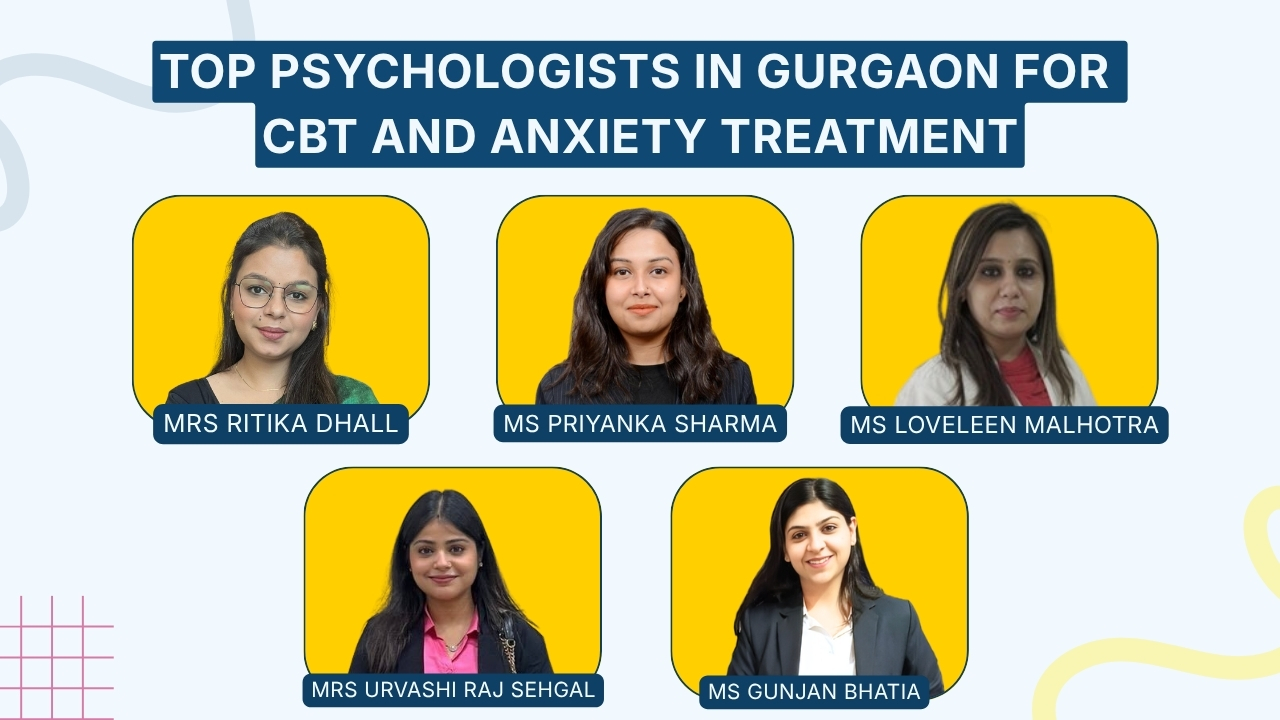
Ritika Dhall: Counselling Psychologist (CBT-Based Therapy)
Works with anxiety, stress, and overthinking using CBT techniques.
Urvashi Rajput: Psychologist (Child & Adolescent, CBT & Behavioral Therapy)
Focuses on emotional and behavioural concerns with CBT-based support.
Priyanka Sharma: Counselling Psychologist (Anxiety & Trauma, CBT)
Helps manage anxiety, stress, and trauma using structured therapy approaches.
Lovleen Malhotra: Counselling Psychologist (CBT Specialist)
Works on stress, burnout, and negative thought patterns through CBT
Why choose Cognitive Behavioural Therapy Online?
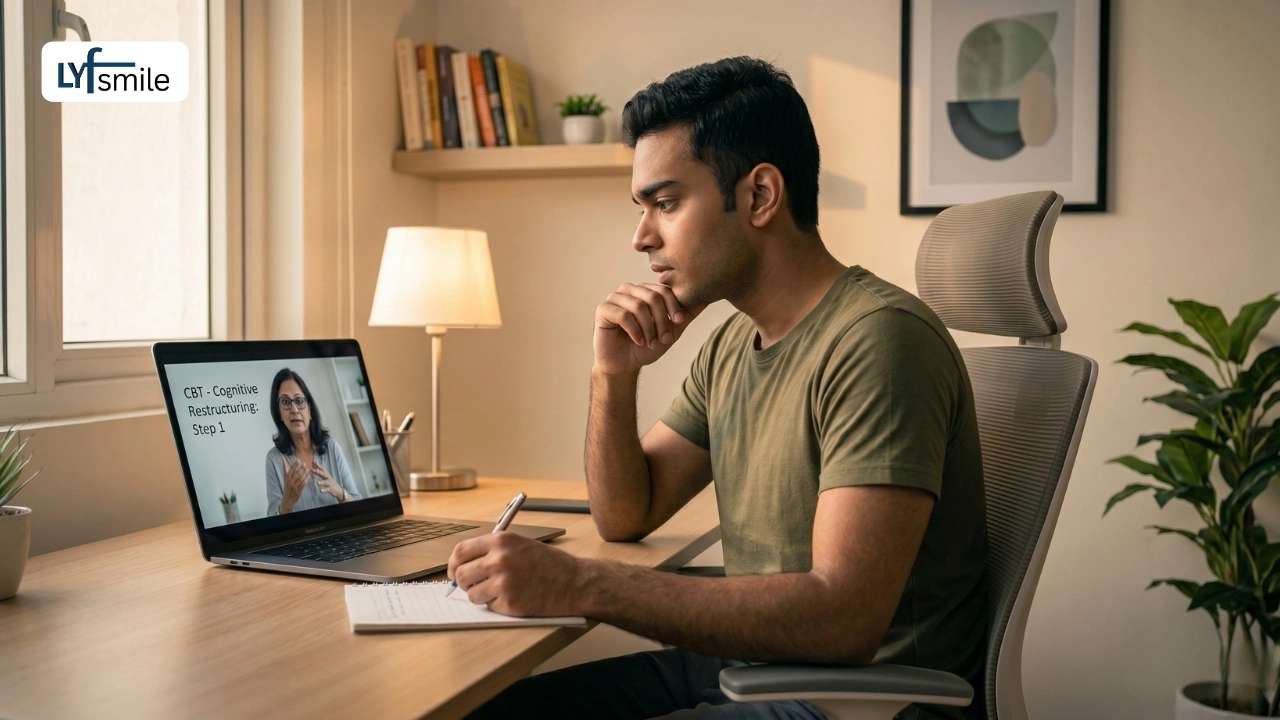 For many people, starting therapy in person can feel like a big step. This is where Cognitive Behavioral Therapy online becomes a practical option. It allows you to connect with a psychologist from your own space, making the process more comfortable and easier to continue.
Online CBT follows the same structured approach as in-person sessions. You still work on understanding thought patterns, managing overthinking, and building healthier responses to anxiety triggers. Many individuals today prefer online psychologist consultation as it offers both flexibility and privacy while continuing therapy consistently.
For individuals dealing with busy schedules, work pressure, or hesitation around face-to-face sessions, online CBT can be a more accessible way to begin. Over time, regular sessions can help bring clarity, reduce anxiety, and improve overall emotional balance.
If anxiety or overthinking has been affecting your routine, it might help to talk it through with someone who understands.
When to Seek Professional Help
It can be difficult to tell when anxiety needs more than just self-management. While occasional stress is a part of daily life, there are times when it may be helpful to seek professional support.
You may consider reaching out for help if:
Anxiety feels constant and hard to control
Overthinking starts affecting your focus and decision-making
Sleep is regularly disturbed due to racing thoughts
You feel emotionally drained or low most of the time
You begin avoiding situations because of fear or discomfort
Early support can make a significant difference. Understanding what you’re experiencing and learning how to manage it can help prevent anxiety from becoming more overwhelming over time.
Taking a step to talk it through with someone who understands can often bring more clarity than trying to manage everything on your own.
Conclusion
Anxiety can affect daily life, relationships, and overall well-being if it is not addressed in time. Seeking the right anxiety disorder treatment can help individuals understand their thoughts, manage stress, and regain emotional balance.
Approaches like CBT therapy (cognitive behavioral therapy) are widely used to treat anxiety and help people develop healthier coping strategies. With support from an experienced anxiety disorder treatment psychologist or an online psychologist for anxiety treatment, individuals can gradually reduce anxiety and build a more confident, balanced life.
Frequently Asked Questions
What is the cost of anxiety disorder treatment?
The cost of anxiety disorder treatment can vary depending on the therapist’s experience and the type of session. At Lyfsmile, individuals can connect with an online psychologist for anxiety treatment at an affordable rate starting from ₹30 per minute. This allows people to receive professional guidance from an affordable psychologist for anxiety treatment while getting structured support through therapy.
Can counseling help with both anxiety and depression?
Yes, therapy can address both concerns at the same time. Counseling for depression and anxiety helps individuals understand their emotions, develop coping skills, and improve overall emotional wellbeing.
Is it normal to feel nervous before social situations?
Feeling nervous occasionally is normal. However, if fear of social situations becomes intense and leads to avoidance, it may require professional help through social anxiety disorder treatment.
Can anxiety return after treatment?
Sometimes anxiety symptoms can return during stressful life situations. However, techniques learned during CBT therapy help individuals manage these challenges more effectively and prevent anxiety from becoming overwhelming again.
Can CBT help with anxiety disorders?
CBT is a commonly used therapy for several anxiety-related conditions. It helps people identify unhelpful thought patterns and develop practical ways to respond to anxiety-provoking situations. Suitability and progress vary depending on the individual's concerns and treatment plan.
How many CBT sessions are needed for anxiety?
The number of CBT sessions depends on the person's needs, the nature of their anxiety, and their progress during treatment. A psychologist can discuss a possible treatment plan after understanding the individual's concerns.
Is online CBT effective for anxiety?
Online CBT can help some people work on anxiety through structured sessions with a qualified professional. Its suitability depends on individual circumstances, the type of support required, and the therapist's assessment.
How do I choose a CBT therapist in Gurgaon?
Review the therapist's qualifications, CBT experience, communication style, session format, and fees. You can ask about their approach to anxiety and discuss your goals during an initial consultation.