Anupam Tripathi
Sensitive to Criticism? How CBT Can Help with Self-Esteem
Do you find yourself thinking about a small comment long after a conversation has ended? Perhaps a colleague's feedback makes you question your abilities, or a friend's remark leaves you feeling judged. When criticism stays on your mind, even ordinary interactions can become emotionally exhausting.
Being sensitive to criticism can sometimes be connected to low self-esteem, perfectionism, fear of rejection or earlier experiences of being judged. You may start avoiding conversations, hesitate to share your opinions or feel the need to get everything right to prevent negative feedback.
Learning to respond differently does not mean ignoring your feelings or accepting disrespectful behaviour. It means understanding your reactions and developing healthier ways to process feedback.
Cognitive Behavioural Therapy (CBT) can help some individuals identify unhelpful thought patterns, examine negative self-beliefs and practise more balanced responses. If criticism is affecting your confidence, relationships or daily life, speaking with a qualified CBT therapist in Gurgaon may help you explore suitable support.
Why Am I So Sensitive to Criticism?
 Sensitivity to criticism usually isn’t random it comes from emotional patterns formed over years. Sometimes you grew up in an environment where mistakes were not allowed, or love depended on achievements. Sometimes you experienced rejection or bullying that made you feel like you must always prove your worth. Over time, your brain learns to treat even a small comment like a threat. So a simple suggestion starts to feel like someone is judging your entire value.
You may find yourself overthinking every word, replaying conversations, and feeling ashamed even when you tried your best. This reaction doesn’t mean you are weak it means you care deeply, and you’ve been hurt before. With Cognitive Behavioural Therapy (CBT), you can slowly replace fear with confidence, accept feedback without self-blame, and learn that your worth isn’t defined by anyone’s opinion you are allowed to be imperfect and still be enough.
Emotional Triggers Behind Criticism Sensitivity
Everyone has emotional triggers that make certain comments feel more painful than they should. These triggers are usually linked to past memories or fears that still live in the mind. Even a tiny remark can activate old wounds and make you feel judged, embarrassed, or not enough.
Some common triggers include:
Fear of rejection – worrying that criticism will push people away
Perfectionism – believing mistakes make you a failure
Negative self-image – low confidence makes every flaw feel bigger
Childhood experiences – strict parents, bullying, or constant comparison
High sensitivity & empathy – caring too much about others’ opinions
Past trauma – criticism reminds you of moments you felt powerless
When these triggers get activated, your brain switches into “danger mode”, causing:
shame and guilt
emotional shutdown
anxiety and self-doubt
But the strongest truth is this: Your reaction is not an overreaction it’s a learned self-protection.
CBT Therapy in Gurgaon helps you understand these triggers and replace fear-based responses with calm, confidence, and emotional strength.
How Criticism & Rejection Affects Your Mental Health
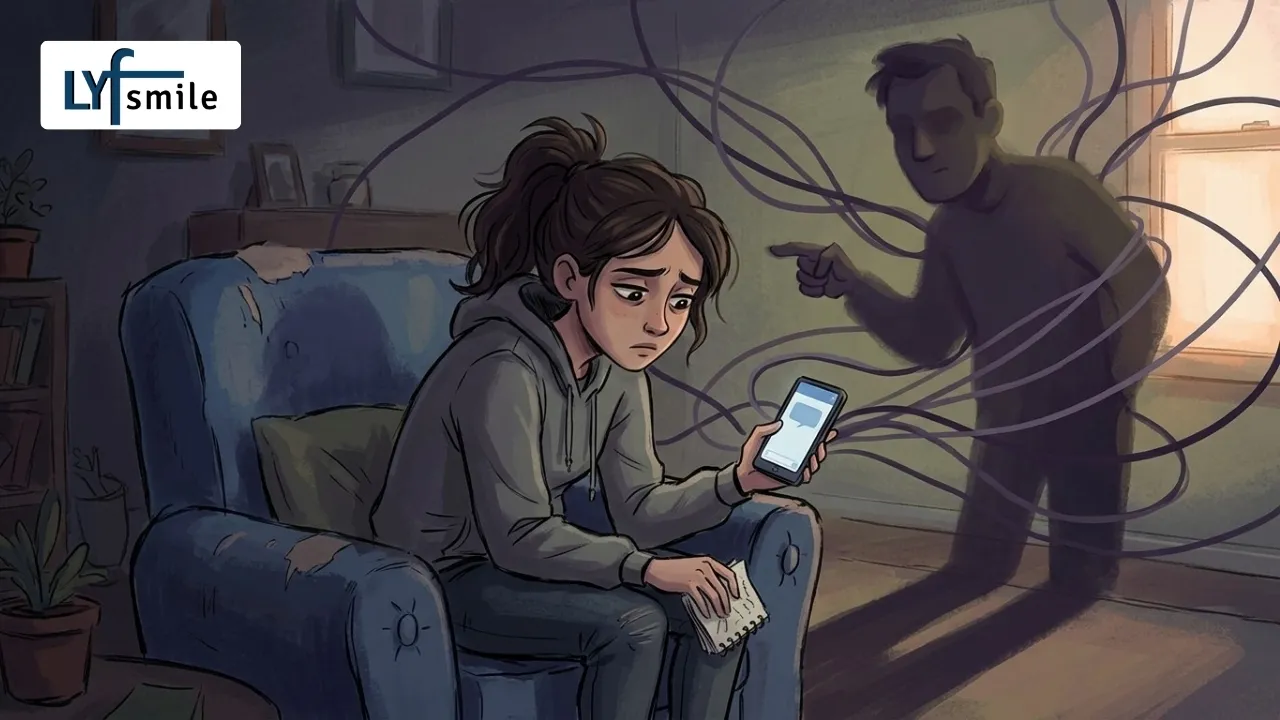
 Criticism can feel like a small sting to some people, but for a sensitive heart, it feels like a wound that keeps reopening. You start questioning yourself, thinking you’re always doing something wrong. Even simple feedback feels personal, like someone is pointing out all your flaws. Slowly, this emotional pain starts affecting your daily life: your mind becomes filled with doubt, your confidence shrinks, and you begin to fear making mistakes. You overthink every conversation, replay negative comments again and again, and avoid situations where you might be judged. The fear of rejection becomes so heavy that you choose silence over expressing your ideas, compromise your boundaries to others, and push yourself to be “perfect” just to avoid criticism. Inside, you feel like one wrong step could make people dislike you. This constant emotional pressure can lead to anxiety, burnout, irritability, and even depression making you feel disconnected from who you truly are. But here’s the truth your sensitivity is not a weakness. It comes from caring too deeply and expecting too much from yourself. With the right support and emotional guidance, you can learn to respond to feedback with confidence instead of fear, strengthen your self-worth, and rebuild a relationship with yourself where you feel deserving, capable, and enough exactly as you are.
Effects You Might Notice in Daily Life
Losing confidence in your abilities
Avoiding social situations or conversations
Always worrying about others’ opinions
Emotional breakdowns after small remarks
Overthinking and replaying criticism
Feeling like you must be “perfect” every time
Low mood, shame, or self-doubt after feedback
Constant fear of rejection or disapproval
How to Stop Taking Things Personally
You don’t have to change who you are just how you protect your emotions.
Here are simple steps that can help you handle feedback without fear or shame:
Pause Before You React
Take a breath. Give yourself a moment.
Most hurt comes from reacting too quickly when emotions are high.
Separate Feedback from Identity
A mistake doesn’t define your worth.
Shift from “I failed” → to “I can improve.”
Replace Negative Self-Talk
Challenge the inner voice that says:
“I’m not good enough.”
Instead ask:
“What is this trying to teach me?”
Set Healthy Boundaries
If someone speaks rudely or harshly you have the right to protect yourself.
Respectfully distance from negativity.
Focus on People Who Value You
Supportive voices matter more than loud critical ones.
Give energy only where you feel safe and understood.
Practice Self-Compassion
Be kind to yourself you’re learning, growing, trying.
Remind yourself daily: “I am allowed to make mistakes.”
You don’t have to stop being sensitive. You just need to make your self-worth stronger than someone’s opinion. therapy can help you build this inner strength step by step without losing your softness.
Why Does Criticism Affect My Self-Esteem So Much?
Criticism can feel especially painful when it connects with beliefs you already hold about yourself. For example, someone who frequently doubts their abilities may interpret ordinary feedback as proof that they are not good enough.
Several experiences and thinking patterns can contribute to this reaction:
1. Fear of rejection
You may worry that making a mistake or disappointing someone will change how they see you.
2. Perfectionism
If you expect yourself to do everything perfectly, even constructive feedback can feel like failure.
3. Negative self-beliefs
Thoughts such as "I am not capable" or "I always disappoint people" can make criticism feel more personal.
4. Earlier experiences of judgment
Repeated criticism, bullying or comparison during earlier stages of life may influence how you respond to feedback later.
5. Dependence on external approval
When your confidence depends heavily on other people's opinions, disagreement or negative feedback may feel difficult to handle.
These patterns are not the same for everyone. Understanding which thoughts and situations affect you most can be a useful starting point for building healthier responses.
CBT Therapy in Gurgaon for Emotional Sensitivity & Rejection Anxiety
 If criticism feels like a personal attack and even small rejection hurts deeply, CBT therapy can help you understand why certain words impact you so intensely. In therapy, you get a safe space where you feel heard, understood, and supported without judgment. You learn how to handle feedback calmly, protect your self-worth, and stop negative thoughts from taking over your emotions. CBT helps you rebuild confidence slowly so your identity no longer depends on someone’s opinions.
Here’s how CBT Therapy helps:
Break the cycle of overthinking and self-blame
Build strong confidence that doesn’t shake after feedback
Heal emotional wounds behind sensitivity and fear of judgment
Reduce anxiety in social or work situations
Create healthy emotional boundaries with others
Feel secure and valued in relationships
Therapists in Gurgaon use simple but proven CBT tools like:
Challenging negative thoughts that trigger emotional pain
Mindfulness & grounding to manage reactions in the moment
Self-compassion training to replace harsh self-criticism
Slowly, you learn that feedback is information not a threat. You begin to express yourself freely without fear of being judged. Whether it’s workplace pressure, perfectionism, or old hurt CBT therapy helps you take back control of your emotions and feel strong from within again.
Talk to a Professional CBT Therapist in Gurgaon
 If you often feel overwhelmed by criticism, avoid conversations because you fear judgment, or constantly doubt yourself even after doing your best you’re not alone. Many people experience emotional sensitivity due to past hurt, perfectionism, or low self-worth, but the good news is that these patterns can be changed. A professional CBT therapist in Gurgaon can help you understand your emotional triggers and guide you in replacing harmful thoughts with healthier, empowering ones. Cognitive Behavioral Therapy doesn’t just give temporary relief it teaches you how to control anxiety, silence self-criticism, and build a strong emotional foundation that can withstand negative comments and rejection. With a supportive therapist, you learn how to step away from people-pleasing, trust your own decisions, respond to feedback with confidence, and stop overthinking every small remark. Therapy offers a safe, non-judgmental space where your feelings are validated, your strengths are recognized, and your growth is supported. Slowly, you begin to experience life with less fear and more self-respect where your peace and happiness no longer depend on someone else’s approval. You deserve to live confidently and feel proud of who you are and with the right help, that transformation becomes truly possible.
How Does Sensitivity to Criticism Affect Everyday Life?
When criticism repeatedly affects how you see yourself, it may influence different areas of everyday life.
Emotional effects
Feeling embarrassed or ashamed after receiving feedback.
Experiencing self-doubt even after completing a task.
Becoming upset over comments that others may consider minor.
Social effects
Hesitating to express opinions in group conversations.
Worrying excessively about how others perceive you.
Avoiding situations where disagreement or feedback may occur.
Work and study effects
Finding it difficult to accept suggestions from colleagues or teachers.
Spending excessive time checking work because of fear of mistakes.
Missing opportunities because of worry about being judged.
If these experiences become persistent or interfere with everyday functioning, consider discussing them with a qualified mental health professional.
Conclusion
Being sensitive to criticism doesn’t mean you are weak it means you feel deeply, care genuinely, and hold yourself to high standards. But when that sensitivity starts affecting your confidence, relationships, and daily peace, it’s a sign you deserve support and healing. With CBT therapy in Gurgaon, you can unlearn self-doubt, process emotional wounds, and build a mindset where feedback no longer defines your worth. You don’t have to live in fear of judgment or constantly prove yourself to feel accepted. You are enough, and therapy helps you rediscover that truth. When you choose to work on your emotional well-being, you choose a life where you feel confident, respected, and comfortable being your authentic self. Healing isn’t about changing who you are; it’s about becoming more of who you were always meant to be
Frequently Asked Questions
1. Why do I feel hurt when someone criticises me?
Criticism may connect with existing self-doubt, fear of rejection, perfectionism or earlier experiences of being judged. Understanding your personal triggers can help you respond more thoughtfully.
2. Can CBT help with sensitivity to criticism?
CBT may help individuals identify negative thought patterns, examine self-critical beliefs and practise more balanced responses to feedback.
3. Why do I constantly expect criticism from others?
This experience may be associated with fear of rejection, anxiety, negative past experiences or low self-confidence. A qualified professional can help explore the factors contributing to it.
4. How can I stop taking everything personally?
Start by pausing before reacting, separating feedback from your identity and examining whether a comment is constructive or simply someone's opinion. Practising self-compassion may also help.
5. Can criticism affect self-esteem?
Repeated negative experiences or harsh self-judgment may affect how someone views their abilities and personal worth. The impact varies between individuals.
6. Can therapy help with fear of judgment?
Therapy may help you understand the thoughts and experiences behind fear of judgment and develop healthier ways to manage difficult social situations.
7. How long does CBT therapy take?
There is no fixed number of sessions that works for everyone. The duration depends on individual concerns, therapy goals, progress and the professional's assessment.
8. Where can I find a CBT therapist in Gurgaon?
Look for a qualified mental health professional with relevant experience in CBT and concerns such as self-criticism, low self-esteem or fear of judgment. Confirm their credentials, availability and fees before booking.