

Sarvesh Kumari
Psychological Sexual Disorders: Causes, Types & Treatment
Psychological sexual disorders are sexual difficulties that may be connected with emotional, psychological, behavioural, or relationship-related factors. They can affect different parts of intimate life, including sexual desire, arousal, erection, orgasm, comfort during intimacy, and confidence around sexual experiences.
Stress, anxiety, relationship difficulties, emotional disconnection, past experiences, and concerns about sexual performance can sometimes influence sexual functioning. In some situations, psychological and physical factors may also overlap.
Intimacy is not only a physical experience but also an emotional and psychological connection that deeply influences relationship satisfaction. Yet many individuals and couples silently struggle when concerns around desire, arousal, performance, or comfort begin to affect their closeness. Psychological Sexual Disorders Counselling For Indians Living Abroad can help individuals better understand these emotional and intimacy-related challenges in a supportive and confidential way.
These concerns are often misunderstood or confused with reproductive health problems, even though their origins, impact, and treatment approaches can be very different. While reproductive concerns are commonly linked to medical or fertility-related conditions, difficulties in sexual functioning are frequently shaped by stress, anxiety, relationship dynamics, past experiences, or self-esteem.
Distance, stress, and silence can slowly affect intimacy in relationships. Compassionate counseling with a 15-minute free session can help you reconnect and rediscover closeness again.
What Are Psychological Sexual Disorders & Their Impact?
Our mind plays a powerful role in how we experience intimacy, attraction, and connection in relationships. While many people assume sexual problems are always physical, a large number of difficulties actually begin in the mind. Stress, anxiety, relationship conflicts, past experiences, and emotional disconnection can all influence how our brain responds to intimacy.
This is where psychological sexual disorders come into the picture. These conditions affect the way a person thinks, feels, and reacts toward sexual intimacy, often creating distance or confusion in relationships. One common example is performance anxiety in sex, where a person becomes so worried about their performance or their partner’s expectations that their body struggles to respond naturally.
For many individuals and couples, these challenges may also appear as low sexual desire in marriage. Someone may begin avoiding intimacy, feel pressure during sexual moments, or experience frustration when their emotional and physical responses do not match their expectations. Over time, these struggles can lead to misunderstandings, self-doubt, or emotional distance between partners.
Understanding the psychological side of sexual health is important because it helps people realize that they are not alone and that these issues are more common than they seem. With the right support and guidance, many of these concerns can be addressed through therapy, communication, and emotional awareness.
This is where professional guidance becomes helpful. Blogs and resources from Lyfsmile aim to educate individuals and couples about the psychological aspects of intimacy, helping them understand the deeper reasons behind sexual difficulties and how therapy can support healthier emotional and intimate connections. By learning how the mind influences intimacy, people can take the first step toward improving both their relationship and their overall well-being.
Key Types of Psychosexual Disorders
Psychosexual disorders can affect different aspects of intimacy, emotional connection, and sexual well-being. Some individuals may struggle with desire, arousal, orgasm, or pain during intimacy, while others may experience emotional distress linked to sexual thoughts or behaviors. These concerns are often influenced by psychological, emotional, or relationship-related factors and can impact both personal confidence and relationship satisfaction.
Sexual Dysfunctions
These are difficulties that affect a person’s ability to enjoy or engage comfortably in sexual activity, often influenced by stress, anxiety, or emotional experiences.
Desire Disorders
Some individuals experience persistently low or absent sexual desire, which may affect emotional closeness and relationship satisfaction.
Arousal/Erectile Disorders
This involves difficulty becoming physically aroused or maintaining an erection despite emotional desire or attraction.
Orgasmic Disorders
Some people may experience delayed orgasm, difficulty reaching climax, or inability to orgasm, often connected to emotional or psychological factors.
Pain Disorders
Conditions like vaginismus or painful intimacy may be linked to fear, anxiety, trauma, or emotional stress associated with sexual experiences.
Paraphilic Disorders
These involve intense or recurring sexual urges, fantasies, or behaviors that may create emotional distress, relationship difficulties, or social challenges.
Gender Dysphoria
Gender dysphoria refers to emotional distress caused by a mismatch between gender identity and assigned sex at birth, which can also affect intimacy and sexual comfort.
Ways to Improve Emotional & Sexual Well-Being
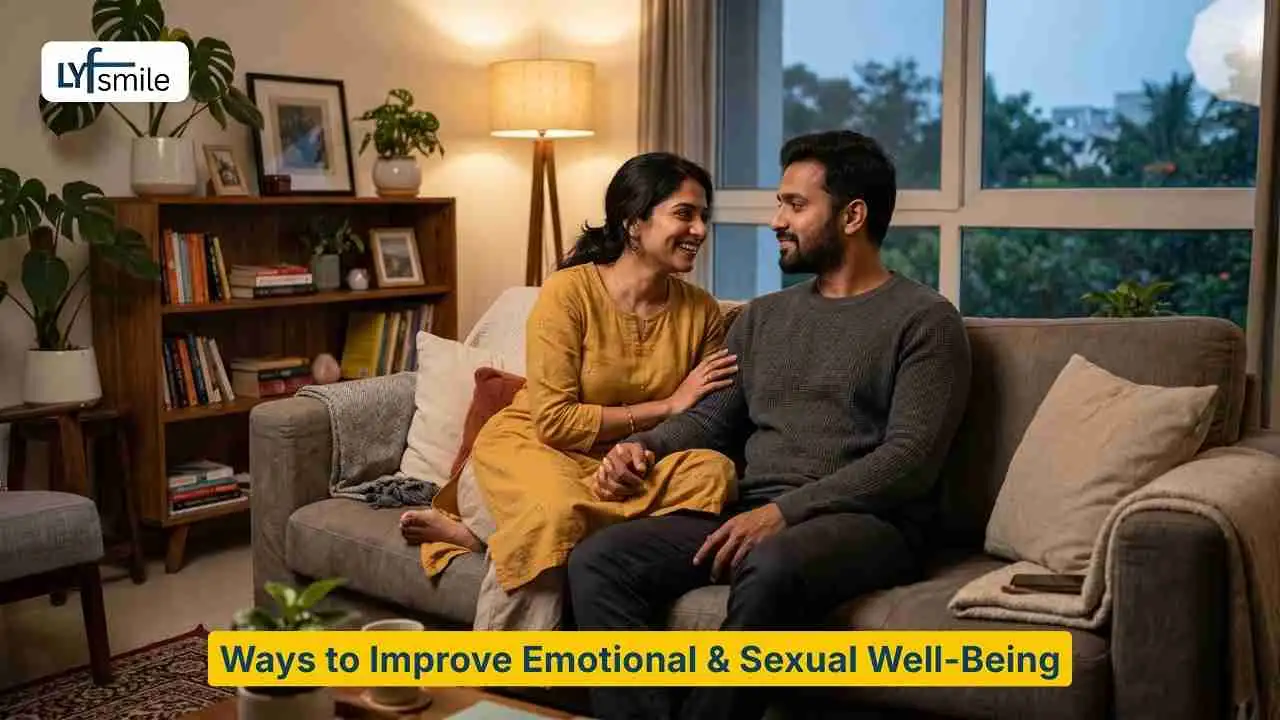 Improving emotional and sexual well-being starts with open communication, emotional understanding, and addressing stress or relationship concerns early. Professional support through counselling, sex therapy, and couple counseling can help individuals and couples build healthier intimacy, stronger emotional connections, and better relationship satisfaction.
Psychotherapy & Counselling
Counselling approaches like Cognitive Behavioral Therapy (CBT) can help individuals manage anxiety, emotional stress, relationship difficulties, and deeper psychological concerns connected to intimacy. Professionals at Lyfsmile, such as Mrs Ritika Dhall and Ms Priyanka Sharma, work with individuals to improve emotional well-being and self-confidence.
Sex Therapy
Specialized sex therapy focuses on improving communication, emotional comfort, intimacy, and overcoming specific sexual concerns in relationships. Therapists like Ms Lovleen and Ms Rajvi Shirin provide supportive guidance for intimacy and relationship-related challenges through therapy and counselling approaches.
Medical Support
In some cases, therapy may be combined with medical treatment when both physical and psychological factors contribute to the concern. Lyfsmile professionals work collaboratively to help individuals receive balanced emotional, behavioural, and supportive care based on their needs.
What Can Contribute to Psychological Sexual Difficulties?
Many factors can contribute to psychological Sexual Difficulties:
Emotional factors
Anxiety
Ongoing stress
Low mood
Self-confidence concerns
Fear of sexual failure
Relationship factors
Emotional distance
Unresolved conflict
Communication difficulties
Mismatched expectations
Loss of emotional connection
Past experiences
Negative sexual experiences
Difficult relationship experiences
Shame or guilt around sexuality
Fear associated with intimacy
Life circumstances
Work pressure
Major life changes
Loneliness
Relationship separation
Significant emotional strain
More than one factor may be involved, so identifying a single cause without understanding the person's wider situation can be misleading.
How Do You Know If a Sexual Problem Is Psychological?
There is no single symptom that can prove a sexual problem is psychological. However, some people notice that their difficulties become stronger during periods of stress, anxiety, relationship conflict, or performance pressure.
A person may also notice that their sexual response changes depending on the situation or emotional environment. These patterns can provide useful information, but they do not rule out physical or other contributing factors.
If the concern continues, causes distress, or affects a relationship, professional assessment can help explore the different factors involved.
Online Psychological Sexual Support for Indians and NRIs
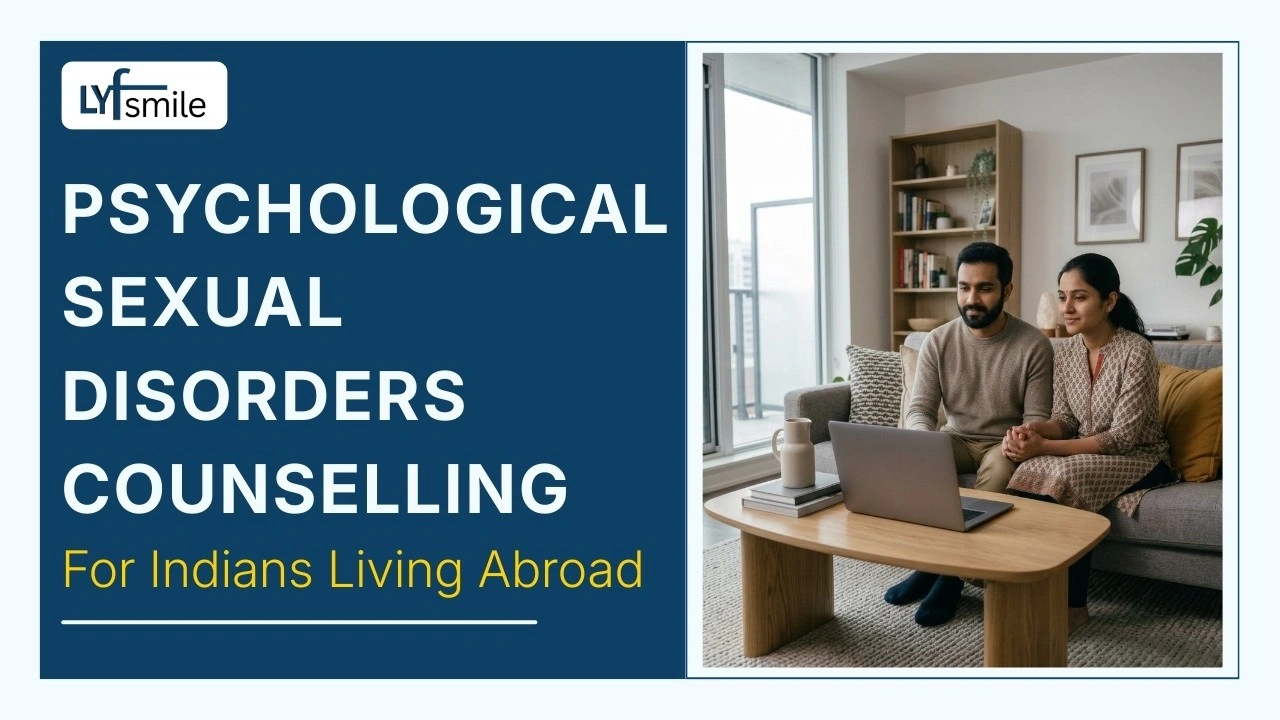
Talking about sexual concerns can be difficult when cultural expectations, distance from family, or discomfort around intimate topics make it harder to seek help. For Indians living abroad, online counselling can provide a private setting to discuss concerns around desire, arousal, performance anxiety, intimacy, or relationship difficulties.
Speaking with a therapist who understands Indian cultural and relationship contexts may also make conversations around sensitive topics feel more comfortable. Online sessions can be particularly useful for people who prefer privacy or live far from suitable in-person support.
Conclusion
Psychological Sexual Disorders Counselling For Indians Living Abroad can provide meaningful emotional and relationship support for individuals and couples struggling with intimacy, desire, performance anxiety, emotional disconnection, or other psychosexual concerns. Since these challenges are often influenced by stress, anxiety, trauma, relationship conflicts, or self-esteem issues, understanding the psychological side of intimacy becomes equally important as addressing physical health.
With the right support through counselling, sex therapy, relationship counseling, and couple counseling, individuals can improve emotional well-being, communication, intimacy, and overall relationship satisfaction. Seeking professional help is not only about managing symptoms - it is also about rebuilding confidence, emotional comfort, and healthier connections in personal relationships.
FAQ's
What are psychological sexual disorders?
Psychological sexual disorders are intimacy and sexual health concerns influenced by emotional, mental, or relationship-related factors such as stress, anxiety, trauma, low self-esteem, or relationship conflicts. Many people seek relationship counseling or couple counseling to better understand and manage these concerns.
Can stress and anxiety affect sexual performance?
Yes, stress, anxiety, and emotional pressure can strongly affect desire, arousal, erections, orgasm, and emotional comfort during intimacy. Performance anxiety is one of the most common psychological causes of sexual difficulties in relationships.
Can psychosexual disorders affect relationships?
Yes, unresolved intimacy concerns can lead to emotional distance, communication problems, frustration, and reduced relationship satisfaction. In many cases, couple counseling and relationship counseling can help partners improve emotional connection and communication.
Is counselling effective for psychological sexual disorders?
Yes, counselling approaches such as CBT, sex therapy, relationship counseling, and couple counseling can help individuals and couples manage anxiety, improve intimacy, rebuild confidence, and strengthen emotional well-being.
Can Indians living abroad seek online psychosexual counselling?
Yes, many professionals now offer Psychological Sexual Disorders Counselling For Indians Living Abroad through secure online sessions for people living in countries like the USA, Canada, the UK, Australia, Dubai, Singapore, and Europe.
When should someone seek professional help for intimacy concerns?
If intimacy-related concerns are causing emotional stress, affecting confidence, creating relationship difficulties, or continuing for a long time, seeking professional support through counselling or therapy can help improve both emotional and relationship well-being.