

Sarvesh Kumari
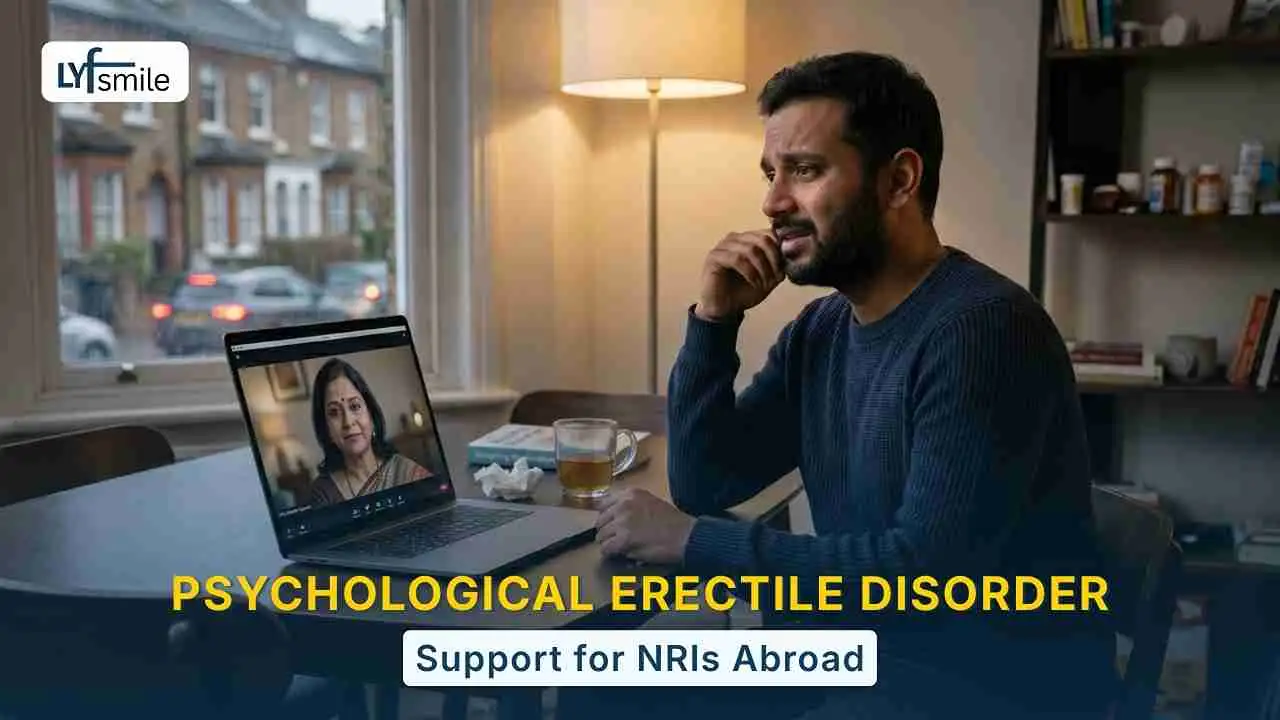
Psychological Erectile Disorder Support for NRIs Abroad
Psychological erectile dysfunction (ED) refers to erection difficulties that may be influenced or worsened by psychological and emotional factors such as anxiety, stress, depression, relationship difficulties, performance pressure, or fear of sexual failure. ED can also have physical, medical, medication-related, or mixed causes, so psychological factors are not always the only explanation.
For some men, worry about sexual performance can create a cycle of anxiety and difficulty maintaining an erection. Understanding the possible causes can help identify whether emotional support, medical evaluation, therapy, or a combination of approaches may be appropriate.
Living abroad can bring emotional pressure, lifestyle stress, and relationship challenges that quietly affect intimacy and sexual wellbeing. Many NRIs experience erectile difficulties that are not always connected to physical health conditions. In several cases, anxiety, emotional stress, overthinking, and relationship strain become major contributing factors.
Psychological Erectile Disorder Support for NRIs Abroad focuses on helping individuals understand the emotional side of erectile concerns through therapy, counseling, and structured psychological support. For many Indians living overseas, seeking male intimacy counseling can help reduce shame, improve confidence, and rebuild emotional comfort around intimacy.
At Lyfsmile, emotional and intimacy-related concerns are approached with sensitivity toward cultural expectations, relationship dynamics, and the mental health experiences commonly faced by NRIs abroad.
What Causes Psychological Erectile Dysfunction?
Psychological erectile dysfunction may develop when emotional or relationship-related factors interfere with sexual arousal and confidence. Common contributing factors include:
Performance anxiety: Worrying about maintaining an erection or satisfying a partner can increase pressure during intimacy.
Stress and overthinking: Work pressure, financial concerns, lifestyle stress, or constant overthinking may make it difficult to relax during sexual activity.
Depression: Depression can affect mood, sexual interest, confidence, and overall sexual functioning.
Relationship difficulties: Unresolved conflict, poor communication, emotional distance, or lack of intimacy may affect sexual confidence and arousal.
Fear of sexual failure: A previous episode of erectile difficulty may create fear that the same thing will happen again, increasing anxiety during future sexual experiences.
Low self-confidence: Negative thoughts about one's body, sexual performance, or relationship can also contribute to sexual anxiety.
How Psychological Factors Affect Erectile Function
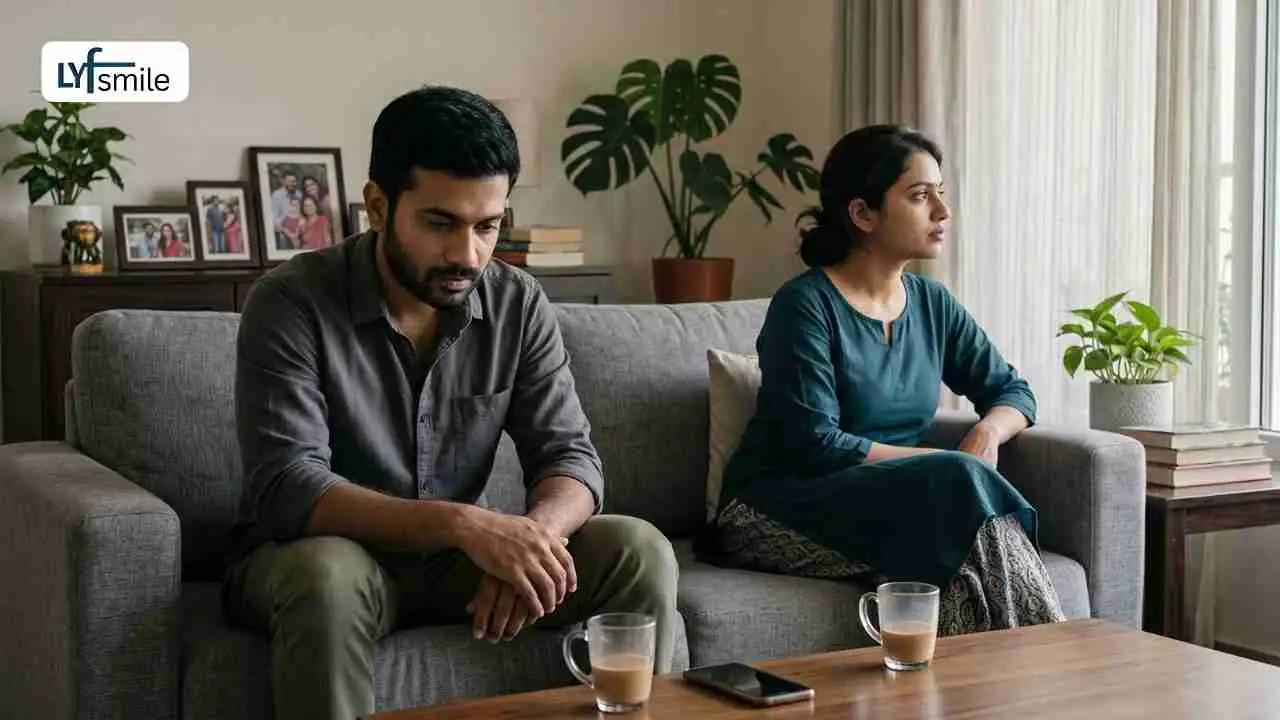 The mind and body work closely together during intimacy. When stress, fear, or emotional pressure becomes overwhelming, the body may struggle to respond naturally during sexual activity.
Psychological erectile difficulties may develop because of:
Constant overthinking during intimacy
Fear of sexual failure
Anxiety about satisfying a partner
Emotional disconnection in relationships
Long-term stress and burnout
Depression or low emotional wellbeing
Unlike physically caused erectile dysfunction, psychological erectile concerns often fluctuate depending on emotional state, stress levels, and relationship comfort. In many cases, stress-related erectile dysfunction, emotional pressure, and even delayed ejaculation problems may become closely connected over time, especially when anxiety, overthinking, or fear of sexual failure starts affecting intimacy experiences repeatedly.
Emotional Challenges Linked to Psychological Erectile Disorder Support for NRIs Abroad
Many Indians living abroad experience pressures that can indirectly affect intimacy and sexual confidence.
Work and lifestyle stress
Long working hours, career pressure, and adapting to a new country can create chronic emotional exhaustion and contribute to anxiety-related erectile problems.
Through therapy, individuals can learn ways to manage anxiety, reduce performance pressure, and rebuild confidence in their intimate lives. At Lyfsmile, therapists work with individuals and couples to explore emotional patterns, relationship dynamics, and stress factors that may be contributing to erectile difficulties.
Relationship distance
Long-distance marriages or emotionally disconnected relationships may reduce intimacy and emotional safety, sometimes creating the need for relationship counseling. Over time, emotional stress and communication gaps may also contribute to intimacy-related concerns such as performance anxiety, avoidance of closeness, or even pain during intimacy.
Cultural silence around sexual health
Many NRIs grow up in environments where discussing sexual concerns openly feels uncomfortable, leading to delayed support-seeking.
Loneliness and emotional isolation
Living away from family and emotional support systems may increase anxiety and emotional vulnerability.
These experiences can slowly contribute to performance anxiety therapy needs and reduced confidence during intimacy.
Can Erectile Dysfunction Be Psychological?
Yes, erectile dysfunction can be influenced by psychological factors such as anxiety, chronic stress, depression, performance pressure, and relationship difficulties. For some men, emotional stress may make it harder to become or remain sexually aroused, which can affect erections.
However, erectile dysfunction is not always psychological. Physical health conditions, medications, hormonal changes, circulation problems, lifestyle factors, and psychological factors can sometimes contribute together. If erection difficulties are persistent or concerning, a healthcare professional can help identify possible underlying causes
Myths and Facts About Psychological Erectile Difficulties
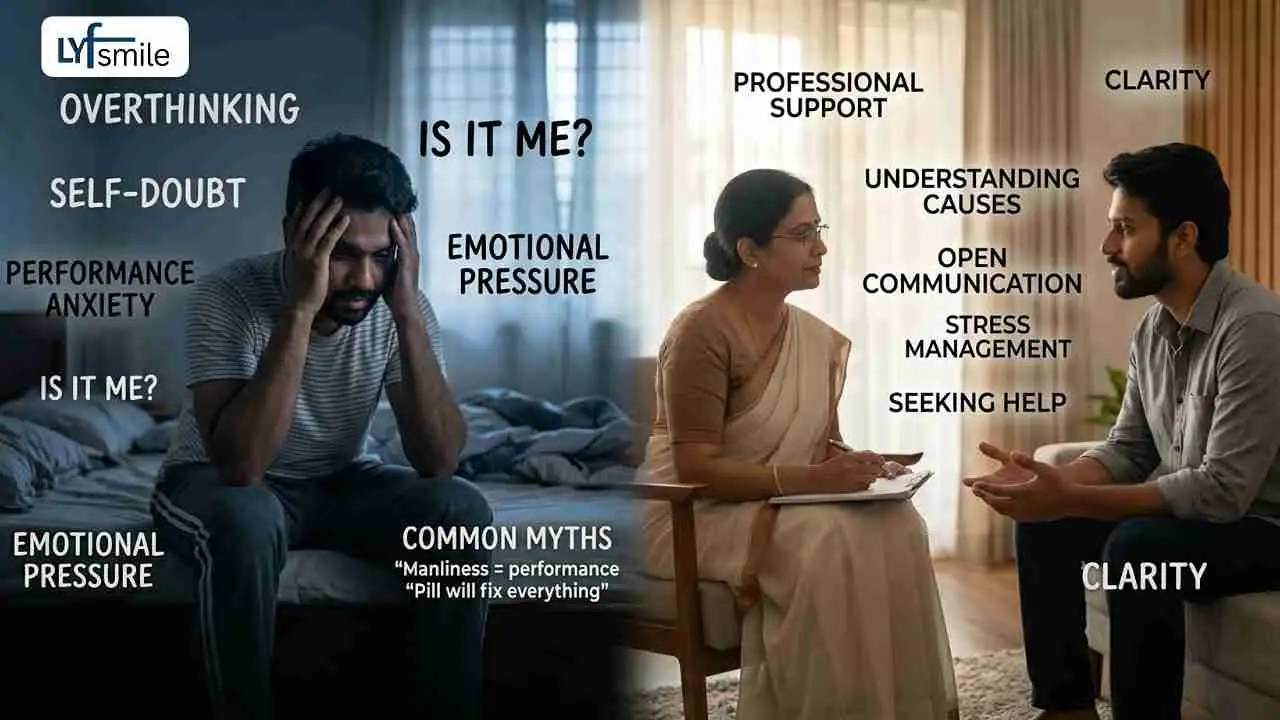 Many NRIs silently struggle with emotional and intimacy-related concerns because of misinformation, shame, or fear of judgment. Understanding the difference between myths and facts can help reduce anxiety and encourage healthier conversations around sexual wellbeing.
Myth: Erectile difficulties always mean a physical health problem
Fact: In many cases, emotional stress, anxiety, overthinking, relationship strain, or performance pressure can strongly affect erections even when physical health is normal.
Myth: Psychological erectile concerns are “not serious”
Fact: Emotional and psychological factors can significantly affect confidence, intimacy, and relationships if left unaddressed.
Myth: Younger men cannot experience erectile difficulties
Fact: Anxiety, stress, burnout, and emotional pressure can affect sexual wellbeing at any age, especially among NRIs dealing with lifestyle stress.
Myth: Talking about intimacy issues makes the problem worse
Fact: Open communication and couple counseling often reduce shame, performance anxiety, and emotional pressure around intimacy.
Myth: Relationship stress has no effect on erections
Fact: Emotional disconnect, unresolved conflict, and lack of emotional safety in relationships can directly influence sexual response and confidence.
Myth: Therapy only helps severe cases
Fact: Early emotional support and counseling can help prevent anxiety and intimacy concerns from becoming long-term patterns.
Psychologists Supporting NRIs With Intimacy and Erectile Concerns
Ms. Loveleen Malhotra
Senior Counselling Psychologist with 9+ years of experience in emotional wellness, relationship concerns, stress management, and sexual wellness counseling. She specializes in helping individuals facing performance anxiety, intimacy concerns, emotional disconnection, and relationship stress through CBT-based and emotionally supportive therapy approaches. Through cognitive-behavioral therapy, mindfulness techniques, and relationship counseling, she supports clients in rebuilding confidence, managing anxiety, and improving emotional connection with their partners in a safe and confidential environment.
Dr. Shraboni Nandi
Counselling Psychologist experienced in emotional wellbeing, anxiety management, relationship concerns, and intimacy-related emotional support. She works with individuals dealing with stress, overthinking, confidence issues, and emotional challenges that may affect intimacy and relationship wellbeing. Her therapeutic approach incorporates CBT, DBT, SFBT, REBT, BT, ABA, and hypnotherapy, tailoring interventions according to individual emotional and relationship needs. She is also an ardent practitioner of meditation, integrating mindfulness and self-awareness practices to support emotional growth, confidence, and healthier interpersonal relationships.
Counseling Cost for NRIs Abroad For Psychological Erectile Disorder
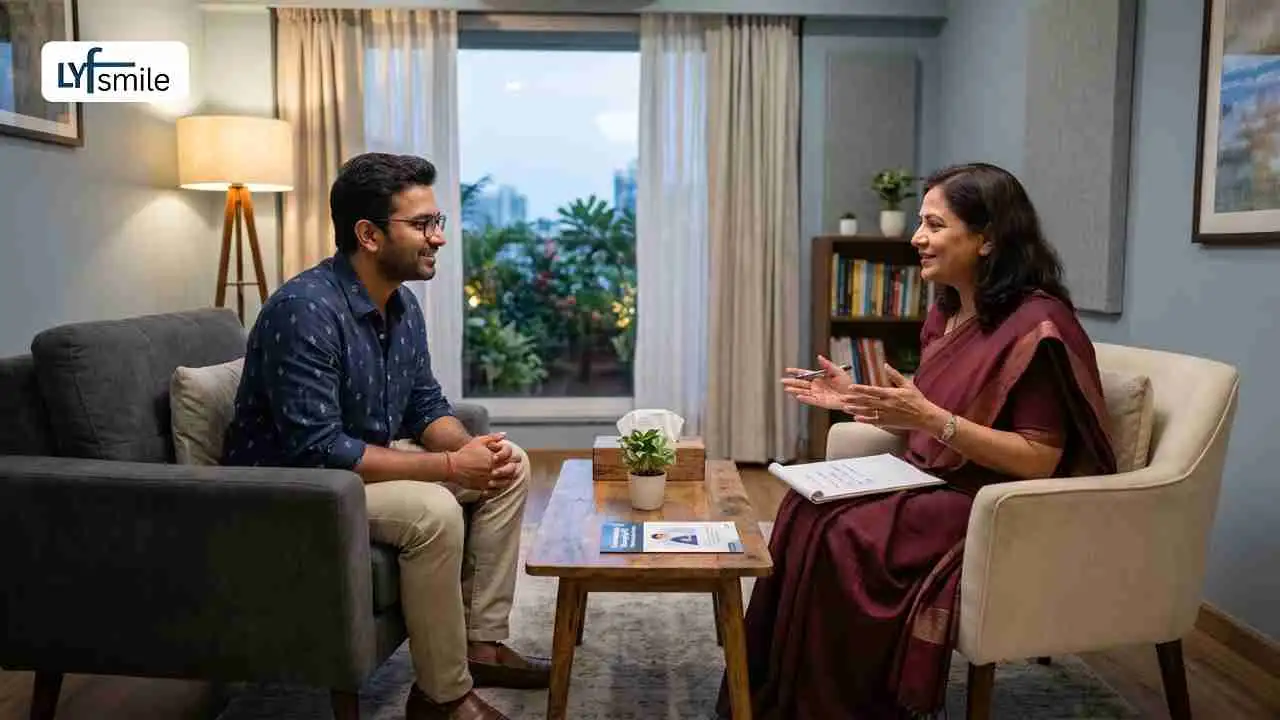 At Lyfsmile, online counseling support for emotional and intimacy-related concerns is available for NRIs through confidential virtual sessions.
Session Pricing
30-minute counseling session: ₹999
Online sessions available for NRIs globally
Flexible scheduling support based on time zones
Counseling sessions are designed to provide a safe and non-judgmental environment for discussing intimacy, emotional wellbeing, and relationship concerns, including erectile dysfunction emotional support.
Why Early Support Matters in Sensitive Cases Like Psychological Erectile Disorder
Ignoring psychological erectile difficulties can gradually affect emotional wellbeing, confidence, and relationships. Over time, fear of failure may increase anxiety around intimacy, creating a repeating cycle of stress and avoidance.
Seeking support early may help:
Reduce performance anxiety
Improve emotional confidence
Strengthen intimacy in relationships
Improve communication between partners
Restore emotional comfort during intimacy
Therapy often works best when emotional concerns are addressed before stress patterns become deeply reinforced. In some situations, couple therapy may help partners better understand emotional and intimacy-related struggles together.
Can Psychological Erectile Difficulties Improve?
Yes. Many individuals experience significant improvement once emotional stressors, anxiety patterns, and relationship concerns are properly addressed.
Recovery is often gradual and may involve:
Emotional awareness
Therapy-based support
Relationship healing
Anxiety management
Rebuilding intimacy without pressure
Guidance through psychosexual counseling for men
With consistent support, emotional confidence and sexual wellbeing can improve over time.
Conclusion
Psychological erectile difficulties are often deeply connected to emotional wellbeing, stress, relationship dynamics, and self-confidence. For NRIs abroad, culturally aware therapy and emotional support can help reduce anxiety, rebuild intimacy, and improve overall relationship wellbeing.
At Lyfsmile, Psychological Erectile Disorder Support for NRIs Abroad is approached with sensitivity, confidentiality, and an understanding of the unique emotional and relationship pressures faced by Indians living overseas. Through culturally aware counseling, emotional wellness support, intimacy counseling, and therapy for performance anxiety, individuals can gradually rebuild sexual confidence, strengthen emotional connection, and improve overall relationship wellbeing in a safe and supportive environment.
Frequently Asked Questions
1. What is a psychological erectile disorder?
Psychological erectile disorder refers to difficulty achieving or maintaining an erection due to emotional or mental factors rather than physical health issues. Stress, performance anxiety, relationship problems, and low self-confidence can all affect sexual performance and intimacy.
2. What are the common psychological causes of erectile dysfunction?
Some of the most common causes include performance anxiety, chronic stress, relationship conflicts, depression, and fear of sexual failure. These emotional pressures can interfere with the mind-body connection needed for a healthy sexual response.
3. Can stress and anxiety cause erectile problems?
Yes, long-term stress and anxiety can affect sexual performance. When the body is under stress, it releases hormones like cortisol that may interfere with sexual arousal, reduce confidence, and make erections more difficult to maintain.
4. Why do some men living abroad experience psychological erectile dysfunction?
NRIs may face work pressure, cultural adjustment, loneliness, or relationship strain, which can affect mental well-being. These emotional challenges can sometimes influence confidence and sexual performance.
5. Can performance anxiety lead to erectile dysfunction?
Yes. Performance anxiety is one of the most common psychological causes of erectile issues. Worrying about sexual performance or pleasing a partner can create pressure that interrupts the body’s natural arousal response.
6. Can psychological erectile disorder affect work or daily life?
Yes, ongoing sexual concerns can sometimes affect self-esteem, concentration, and emotional well-being, which may indirectly impact work performance or daily activities. Addressing the emotional factors can help improve overall confidence.
7. What are the physical symptoms of stress that may affect sexual health?
Stress can cause fatigue, headaches, muscle tension, sleep problems, and reduced energy levels. These physical symptoms may lower libido and make it harder to feel relaxed and confident during intimacy.
8. How can therapy help treat psychological erectile dysfunction?
Therapy helps men identify emotional triggers, manage anxiety, improve self-confidence, and strengthen communication with their partner. Psychological approaches such as cognitive behavioral therapy can help break negative thought patterns related to sexual performance.
9. Can relationship problems contribute to erectile difficulties?
Yes, unresolved conflicts, lack of emotional intimacy, or feeling ignored by a partner can affect sexual confidence. Improving communication, emotional connection, and mutual understanding often plays an important role in recovery.
10. When should someone seek professional help for psychological erectile dysfunction?
If erectile difficulties continue for several months, cause emotional distress, or begin affecting the relationship, it may be helpful to seek professional guidance from a qualified therapist or sexual health specialist.