Lakshika Kaushik
Top Child Psychologist in India: Lyfsmile Verified Experts
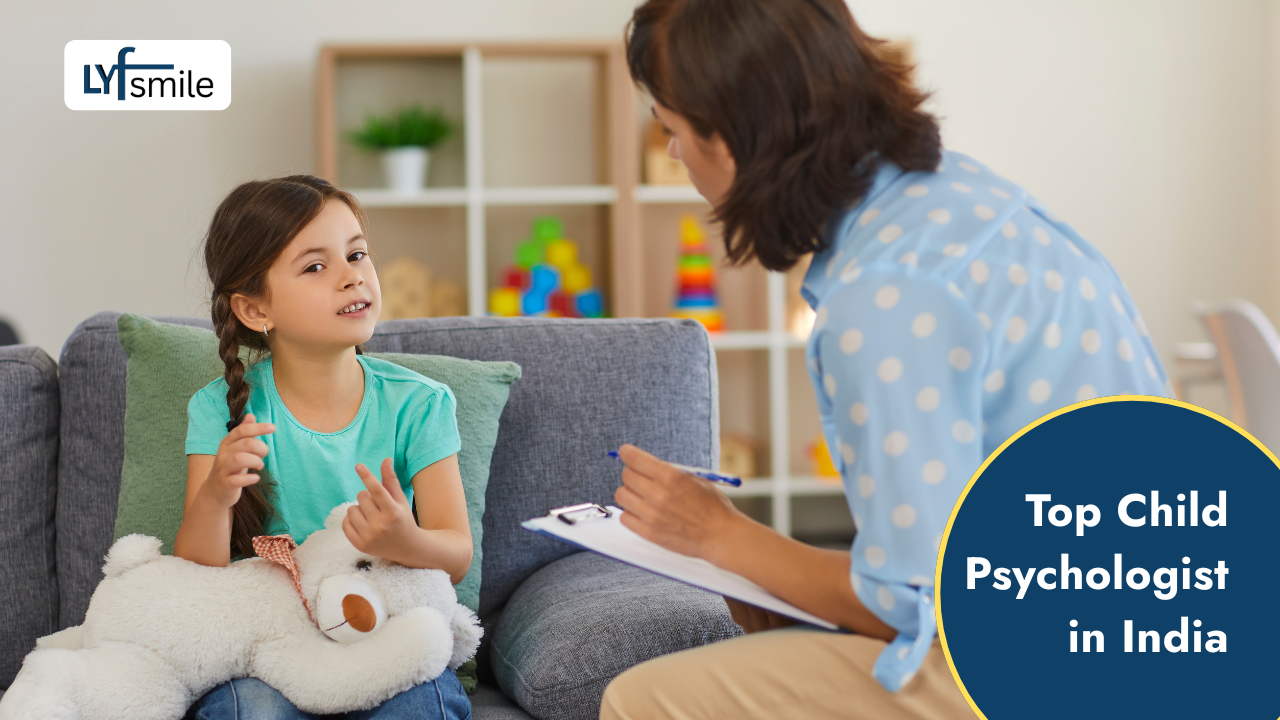
Every parent dreams of seeing their child grow into a confident, happy individual. But when a child begins to struggle emotionally or behaviorally, parents often feel lost about where to turn. In today’s fast-paced environment, children face stress from school pressure, screen addiction, social isolation, and family changes, issues that often go unnoticed until they start affecting performance or personality. This is where finding the top child psychologist in India becomes essential.
A qualified Child Therapist in India provides personalised Child Counseling that helps children build confidence, emotional resilience, and healthy coping skills. Whether it’s anxiety, anger, learning difficulties, or emotional withdrawal, professional counseling gives them a safe space to open up and heal. At Lyfsmile, families across Gurgaon, Panipat, and Delhi (Dwarka and Uttam Nagar) trust certified experts who specialise in building children’s emotional resilience.
Why Early Intervention Matters
Early Child Mental Health Counseling allows children to receive timely emotional support before small concerns begin affecting learning, relationships, and overall development.
Prevents long-term distress: Addressing emotional or behavioral issues early can prevent them from turning into deeper mental-health concerns.
Improves academic and social performance: With the right therapy, children learn healthy coping skills and communication patterns.
Strengthens family bonds: Guidance sessions with parents create understanding and cooperation at home.
Common Signs Your Child May Need Help

Sudden mood swings or withdrawal
Declining grades or lack of interest in school
Persistent fears, anger outbursts, or sleeping issues
Struggles to make or keep friends
If you notice any of these patterns, it may be time to seek counseling for children from professionals who understand child psychology deeply. Lyfsmile’s team includes some of the best psychologists in India, such as Ritika Dhall and Ms Priyanka Sharma.
Gunjan Bhatia and Tanya Sachdev, all of whom specialize in child and family therapy.
The journey to healing starts with a simple step, reaching out. Lyfsmile offers both in-person and online psychologist sessions in India, giving parents flexibility to choose what works best for their family. Their evidence-based approach ensures that every session supports not just the child but the entire household.
Types of Counseling for Children and Why It Matters
Every child is different, and so are the emotional challenges they face. Recognising what kind of support your child needs is the first step toward choosing the top child psychologist in India who can truly make a difference. At Lyfsmile, each counseling plan is personalized after an in-depth evaluation, ensuring that children and parents both feel supported from the very first session.
1. Emotional and Behavioral Counseling
When children show signs of anxiety, irritability, or constant restlessness, early counseling for children near me can help identify the root cause. Lyfsmile’s psychologists guide them through healthy ways of expressing feelings, managing stress, and understanding triggers, creating long-term behavioral stability.
2. Academic and Performance Counseling
Academic pressure in today’s competitive environment often leads to frustration or self-doubt. Sessions with the best psychologist in India focus on building concentration, motivation, and self-confidence so the child enjoys learning again. Lyfsmile’s Gurgaon and Panipat centres specialise in school-related concerns, learning difficulties, and exam stress.
3. Family Counseling for Parents
Children thrive when their home environment feels safe and supportive. That’s why Lyfsmile also provides family counseling for parents, helping them communicate more effectively and create balance at home. These joint sessions rebuild trust, reduce conflicts, and allow parents to understand their child’s perspective better.
4. Online Therapy and Accessibility
For families with busy schedules or those living outside major cities, psychologist online India sessions are an ideal choice. Lyfsmile’s verified experts conduct therapy via secure digital platforms, maintaining privacy and comfort. Whether you’re in Dwarka, Uttam Nagar, or any part of Delhi, online support ensures professional guidance is always within reach.
5. Play and Art Therapy
Play therapy helps younger children communicate emotions through activities rather than words. At Lyfsmile, certified therapists use toys, art, and storytelling to help kids explore feelings safely and creatively. This gentle approach, used by some of the top psychologists, allows even shy or withdrawn children to express themselves naturally.
By providing such diverse and inclusive services, Lyfsmile continues to stand out as one of the most trusted names for counseling for children in India. Each method aims to nurture emotional intelligence, resilience, and self-awareness, qualities that last a lifetime.
Online Therapy for Children: Convenience, Comfort, and Care
 In today’s digital age, getting professional mental health support has never been easier. Many parents now prefer consulting the top child psychologist in India through online platforms like Lyfsmile, where therapy sessions are private, flexible, and designed to suit each child’s pace.
Families across the country can consult a Child Psychologist in India through secure virtual sessions. Online Child Counseling provides expert support without the need to travel, making therapy more accessible.
Why Parents Choose Online Counseling
Comfort and familiarity: Children feel more relaxed in a familiar setting, leading to better communication during therapy.
Time efficiency: Saves travel time, especially for families juggling school and work schedules.
Easy access to the best experts: You can connect with an Indian psychologist online from anywhere in the country.
Safe and private: Secure digital platforms ensure your child’s privacy and safety throughout every session.
How Much Does Online Therapy Cost for Children?
The question most parents ask is, " How much does online therapy cost for children? At Lyfsmile, the cost is kept transparent and affordable, typically ranging from ₹800 to ₹2000 per session, depending on the psychologist’s experience and specialisation. Moreover, Lyfsmile offers a free 15-minute consultation, allowing parents to understand the process before committing.
Choosing the best psychologist in India isn’t about price alone; it’s about trust, experience, and approach. Lyfsmile’s team includes verified and certified professionals like Gunjan Bhatia, Shraboni Nandi, and Aanchal Aggarwal, who bring years of expertise in child therapy and family counseling.
Benefits of Online Therapy for Children:
Encourages open communication between parents and children
Helps children manage stress, anxiety, or behavioral issues effectively
Builds resilience, focus, and confidence in school and social settings
Offers continuous progress tracking through follow-up sessions
Lyfsmile’s online psychologist services in India make therapy more accessible than ever. Whether your family lives in Uttam Nagar or Panipat, expert support is always just one call away. Parents can book appointments instantly, discuss concerns confidentially, and receive guidance designed specifically for their child’s emotional well-being.
How to Choose the Right Child Psychologist in India
 Parents should also consider whether the psychologist has experience working as a Child Behavioral Therapist or Pediatric Psychologist, depending on the child's emotional and developmental needs.
Key Factors to Consider When Choosing a Psychologist:
Experience with children: Always choose someone who specialises in child and adolescent psychology.
Therapeutic approach: Look for methods like play therapy, cognitive-behavioural therapy (CBT), or art therapy that fit your child’s age and personality.
Credentials and licensing: Verified and certified psychologists ensure professional standards are met.
Accessibility and comfort: Whether you need counseling for a child near me in Gurgaon or psychologist online India support, the therapist should make the process simple and convenient.
Parent involvement: The best outcomes happen when therapists also guide parents through family counseling for parents' sessions.
Why Lyfsmile Is the Trusted Choice for Families
 Lyfsmile has become one of the most recognized names for counseling for children in India. What sets it apart is its team of certified and experienced psychologists who understand the unique needs of every child. Each session is structured to focus on emotional development, communication skills, and overall well-being.
What Makes Lyfsmile Stand Out:
Team of verified experts including Ritika Dhall, Medhavi Bhalla, Tanya Sachdev, and Urvashi Rajput
Personalized care plans tailored to each child’s emotional and behavioral needs
Centers available in Gurgaon, Panipat, Dwarka, and Uttam Nagar
Online and offline counseling options for flexible access
Transparent pricing and a free 15-minute consultation to begin confidently
By combining expertise, empathy, and accessibility, Lyfsmile continues to earn the trust of thousands of parents looking for the best psychologist in India. Whether your child needs ongoing therapy or a one-time consultation, the process is designed to bring visible change and emotional balance.
Finding help shouldn’t be confusing, and at Lyfsmile, it isn’t. With compassionate guidance from the top psychologists, families rediscover harmony, communication, and hope.
Building a Better Future with the Top Child Psychologist in India
 Every child deserves the chance to grow up emotionally strong, confident, and happy. Yet, many families delay therapy out of fear, stigma, or confusion. The truth is, early counseling can change the course of a child’s future. With the top child psychologist in India, your child gets access to emotional tools and coping skills that shape their growth for life.
At Lyfsmile, therapy isn’t just about managing issues it’s about creating transformation. From counseling for children to family counseling for parents, every service is structured to build stronger communication, empathy, and understanding within the home. Parents are guided step-by-step, ensuring that the support doesn’t end when the session does.
Why Parents Trust Lyfsmile:
Certified and verified psychologists specializing in child therapy
Flexible online and offline sessions across Gurgaon, Panipat, and Delhi (including Dwarka and Uttam Nagar)
Transparent pricing with affordable packages for continued care
Option for Indian psychologist online consultation for remote families
Safe, private, and judgment-free therapy spaces
When you choose Lyfsmile, you don’t just get access to therapy, you get a team dedicated to your child’s emotional well-being. The platform’s experienced experts, like Shraboni Nandi, Gunjan Bhatia, and Aanchal Aggarwal, combine proven techniques with compassion, helping children navigate everything from anxiety to self-esteem issues.
Your Child’s Healing Starts Today
If you’ve been searching for the top child psychologist in India or wondering, “How much does online therapy cost for children?”, the answer is simpler than you think. Lyfsmile makes professional mental health care accessible and transparent, offering a free 15-minute consultation to help parents take the first step confidently.
Therapy is not a sign of weakness; it’s an act of courage. With guidance from the best psychologist in India, your child can rediscover joy, stability, and emotional strength. Whether you prefer in-person counselling in Gurgaon or online psychologist sessions in India from home, Lyfsmile ensures care that fits your life.
Take the first step today. Visit Lyfsmile, connect with the top child psychologist in India, and begin your child’s journey toward a brighter, emotionally balanced future.
FAQs
1. Who is the top child psychologist in India?
The top child psychologist in India can vary depending on a child’s needs, but trusted names include verified experts from Lyfsmile, such as Ritika Dhall and Tanya Sachdev. They specialize in emotional, behavioral, and family counseling for children across Gurgaon, Panipat, and Delhi.
2. How do I find a child psychologist near me?
You can find the right counseling for a child near me by searching online or visiting trusted platforms like Lyfsmile, which connects you to certified professionals offering both in-person and online sessions across India.
3. How much does online therapy cost for children?
At Lyfsmile, online therapy for children typically costs between ₹800 and ₹2000 per session, depending on the psychologist’s experience and type of therapy. The platform also offers a free 15-minute consultation to help parents get started comfortably.
4. Can I book an Indian psychologist online for my child?
Yes. Lyfsmile offers easy access to experienced and certified Indian psychologists online, ensuring therapy sessions are private, flexible, and tailored to your child’s specific concerns.
5. What kind of issues can child counseling help with?
Counseling for children can help with emotional struggles, anxiety, anger, learning difficulties, and social or family issues. It allows children to express themselves safely and develop healthy coping skills for long-term well-being.
6. Do parents also get guidance during therapy?
Yes, Lyfsmile provides family counseling for parents alongside child therapy. These sessions help parents understand their child’s emotions better, improve communication, and build stronger family bonds.
7. Are Lyfsmile’s psychologists certified and verified?
Absolutely. Lyfsmile works only with certified, experienced, and verified professionals, including RCI-licensed and master’s-level child psychologists in India, ensuring quality and ethical standards in every session.