


Anupam Tripathi
Emotional Sensitivity in Children: Signs, Causes, and Solutions
Emotional sensitivity in children is something many parents notice early but often find difficult to understand. A child who cries suddenly, reacts strongly to small situations, or struggles to calm down may not be misbehaving. In most cases, the child is emotionally sensitive and experiences emotions more deeply than others.
Emotional sensitivity in children is not a problem or disorder. It is a natural emotional trait. However, without proper understanding and support, this sensitivity can lead to emotional overload, anxiety, and stress-related crying episodes.
This blog explains highly sensitive children step-by-step, what it means, why it happens, common symptoms, causes, emotional overload, anxiety, parenting strategies, and when professional support like emotional therapy for kids or child anxiety counseling can help.
While emotional sensitivity is a natural personality trait, some children may benefit from professional guidance when emotions begin affecting daily life. Parents searching for a Child Psychologist Near Me or an experienced Child Counselor can help their child develop healthy emotional regulation skills through early support.
What Is Emotional Sensitivity in Children?
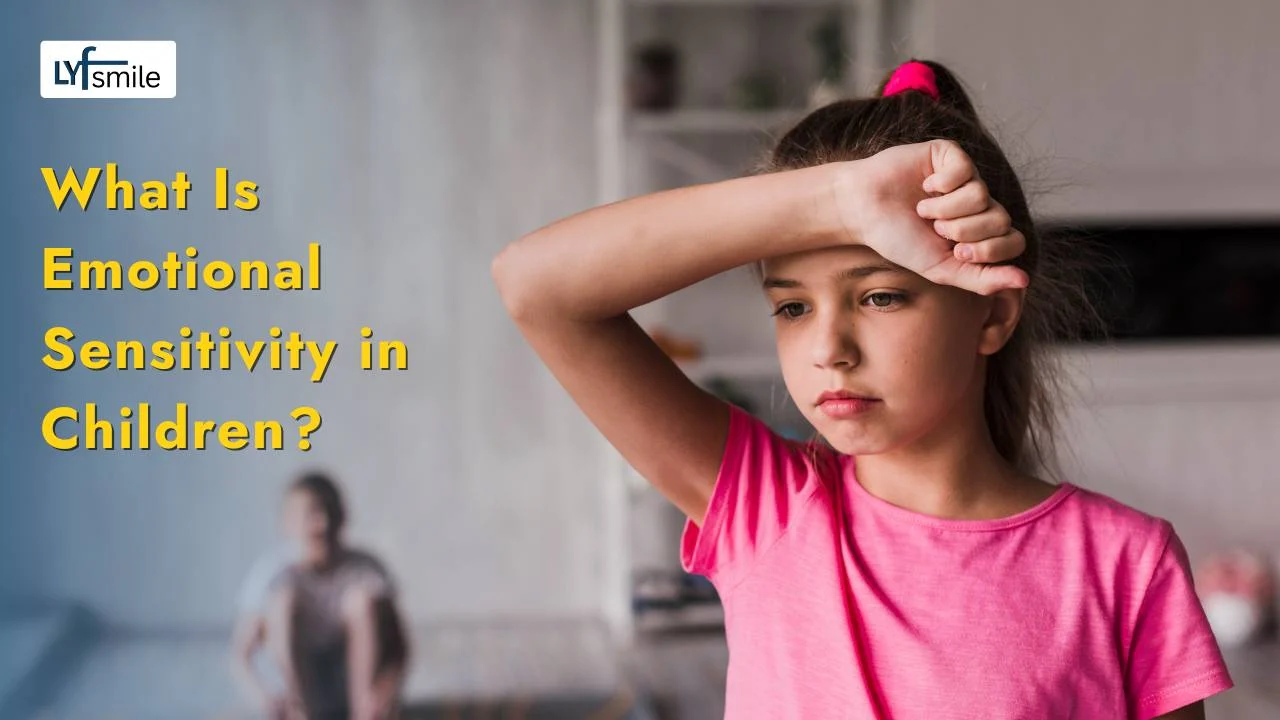 Emotional sensitivity in children refers to a natural tendency to experience feelings more intensely than others. A highly sensitive child may react strongly to criticism, unexpected changes, or emotionally challenging situations. These children often process emotions deeply and may need more time to recover from upsetting experiences.
Being emotionally sensitive is not a disorder or weakness. Instead, it is a personality trait that affects how children respond to stress, relationships, and daily experiences. With proper emotional support and understanding, sensitive children can develop empathy, resilience, and emotional intelligence.
If emotional sensitivity begins to interfere with school, friendships, or family relationships, Child Counselling can help children understand their emotions and develop healthy coping strategies in a safe, supportive environment.
Why Some Children Are Emotionally More Sensitive
Highly Sensitive Children are born with a nervous system that responds more deeply to emotional and sensory information. These children are highly aware of their surroundings, emotions, and other people’s feelings.
Common traits of highly sensitive children:
Strong emotional reactions
High empathy and compassion
Sensitivity to noise, tone, and environment
Need for quiet time after stimulation
When supported correctly, highly sensitive children develop strong emotional intelligence and empathy.
Signs & symptoms of a Highly Sensitive Child
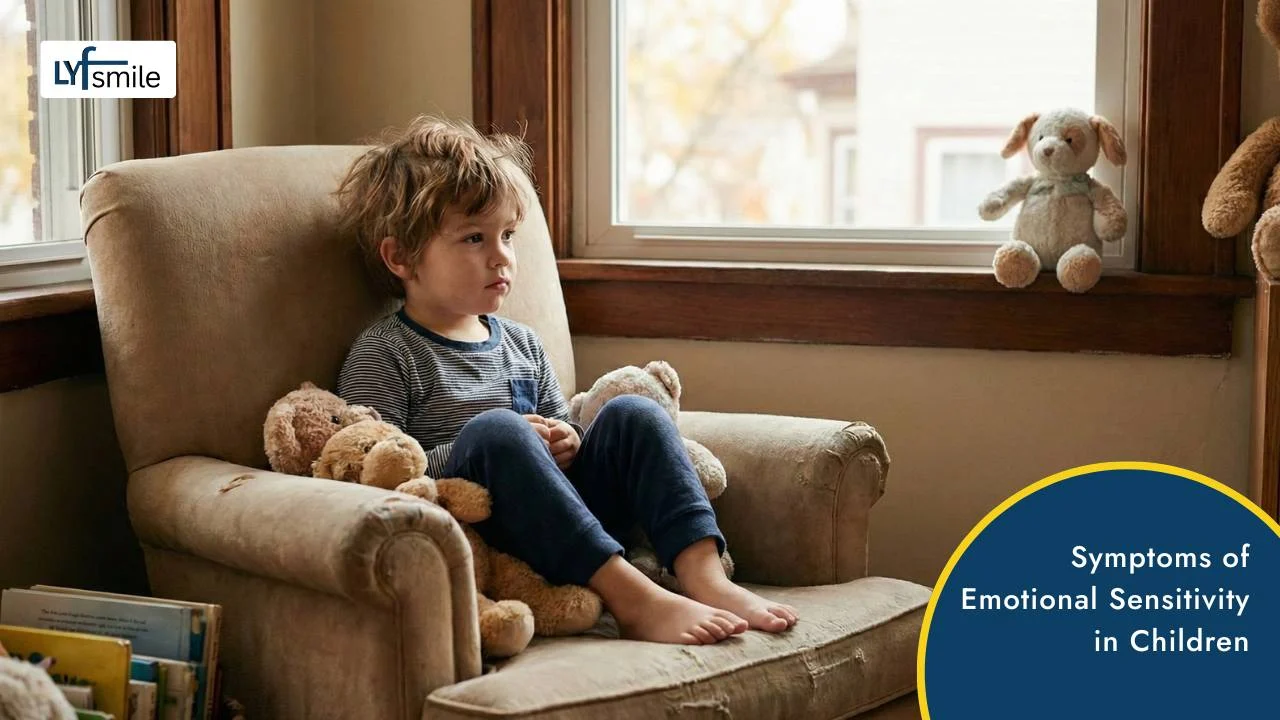 Emotional sensitivity in children manifests as consistent emotional and behavioural patterns. These symptoms may vary from child to child, but when multiple signs appear together and continue over time, they indicate emotional sensitivity rather than temporary mood changes.
1. Sudden Crying in Children
Sudden crying in children is one of the most common symptoms. The child may cry intensely over small disappointments or changes due to emotional overload.
2. Difficulty Handling Emotions
Emotionally sensitive children often struggle to manage their emotions. Once upset, they may take longer to calm down and need reassurance.
3. Emotional Overload in Children
Emotional overload occurs when emotions build up inside the child. This may result in crying, irritability, withdrawal, or emotional shutdown.
4. Mood Swings and Anxiety
Mood swings and anxiety in children are frequently seen in emotionally sensitive kids. They may shift quickly from calm to distressed, especially in stressful situations.
5. Anxious Emotional Behavior
Anxious emotional behavior includes clinginess, excessive worrying, fear of making mistakes, or avoidance of new environments.
6. Heightened Emotional Reactions
Emotionally sensitive children react strongly to criticism, loud noises, emotional tension, or unexpected changes.
7. Stress-Related Crying Episodes
Stress-related crying episodes in kids often occur after school or in social situations, when the child finally feels safe enough to release emotions.
Children showing several of these symptoms together may benefit from an evaluation by a Child Psychologist or Child Behavioral Therapist, especially if emotional reactions continue for several weeks.
What Causes Emotional Sensitivity in Children?
Several biological and environmental factors can influence emotional sensitivity in children. Some children are naturally born with a highly responsive nervous system, while others become more emotionally reactive due to stress or anxiety.
Common causes include:
Cause | Effect |
|---|---|
Inborn temperament | Strong emotional reactions |
Anxiety | Excessive worry and fear |
Academic pressure | Emotional stress |
Family conflict | Mood swings |
Sensory sensitivity | Emotional overload |
Difficulty expressing emotions | Sudden emotional outbursts |
Understanding what causes emotional sensitivity allows parents to provide support instead of reacting with frustration.
Why Children Feel Emotionally Overwhelmed
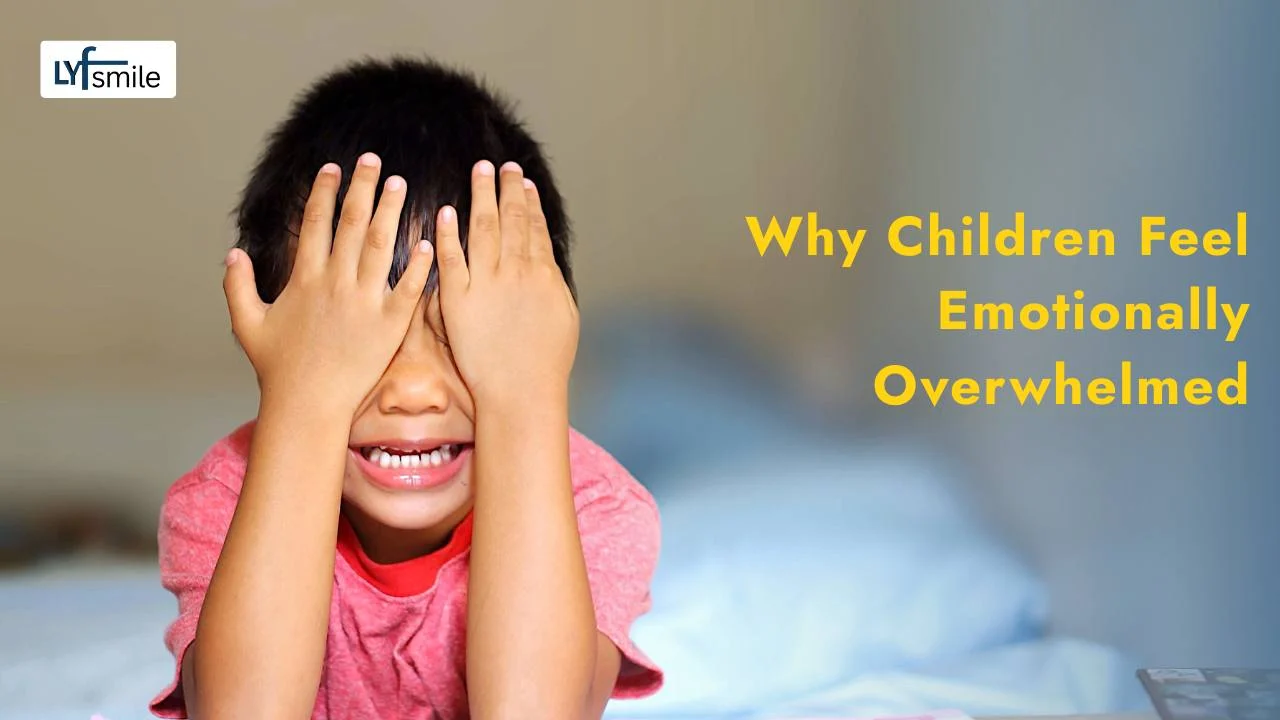 Emotional overload in children occurs when emotional demands exceed the child’s coping capacity. Unlike adults, children do not yet have developed emotional regulation skills.
Common triggers:
Loud or crowded environments
Too many expectations
Sudden changes in routine
Emotional pressure
Stress-related crying episodes are often signs that the child needs emotional support, not discipline.
Emotional Sensitivity and Anxiety: How They Are Connected
Emotional sensitivity and anxiety are often linked, but it’s important to know that not every emotionally sensitive child has anxiety, and sometimes anxiety can make a child seem very sensitive.
Children who are emotionally sensitive or anxious feel things deeply, worry about what might go wrong, and can get easily overwhelmed by daily situations. This can make their reactions seem stronger than those of other children.
Signs that anxiety might be affecting your child:
Fear of failing or making mistakes
Asking for reassurance often
Complaints like stomach aches or headaches
Avoiding school, friends, or new activities
Understanding this is important because helping a child manage anxiety can also reduce emotional overload. Children do better when they get emotional support, guidance, and simple coping strategies to handle their feelings.
Professional Child Anxiety Therapy helps children understand anxious thoughts, manage overwhelming emotions, and gradually build confidence in everyday situations.
Can Emotional Sensitivity Be a Sign of ADHD or Autism?
While emotional sensitivity in children is usually a personality trait, intense emotional reactions can sometimes be associated with conditions like ADHD, autism spectrum disorder, anxiety disorders, or sensory processing difficulties.
Children with ADHD may struggle with emotional regulation and impulsivity, while autistic children can experience sensory overload and heightened emotional responses.
Parents should seek professional guidance if emotional difficulties begin affecting school performance, friendships, or daily functioning.
A comprehensive assessment by a Pediatric Psychologist helps determine whether emotional sensitivity is part of normal personality development or linked to conditions such as ADHD, autism, or anxiety disorders.
How Emotional Sensitivity Impacts a Child’s Daily Life
 Emotional sensitivity in children can influence many aspects of a child’s day-to-day life. Understanding how it shows up at home, school, and socially helps parents respond with patience and effective strategies.
At Home
At home, parents may notice that their child cries frequently, experiences emotional meltdowns, or finds it difficult to calm down after upsetting situations. Simple conflicts, changes in routine, or minor frustrations can feel overwhelming for emotionally sensitive children. This can create tension in the household if parents misunderstand these reactions as misbehavior rather than a natural response to emotional overload.
At School
In school, emotionally sensitive children may struggle with academic pressure, classroom changes, or forming peer relationships. They may feel anxious about tests, worry about mistakes, or become easily frustrated in group activities. Transitions between classes, noisy environments, or sudden instructions from teachers can also trigger stress or emotional outbursts. Without guidance, these challenges can affect learning and participation.
Socially
Social interactions can be challenging for emotionally sensitive children. Some children may avoid social situations because they feel easily overwhelmed, while others may become overly dependent on parents or familiar adults for reassurance. They may overthink conversations, feel hurt by small comments, or struggle to handle disagreements.
Over time, these patterns can lead to social anxiety, where the child starts fearing social situations, avoids peers, or loses confidence in forming friendships. Early emotional support helps prevent sensitivity from turning into social fear or withdrawal.
Overall Impact
Without proper support, emotional sensitivity in children can affect their self-confidence, emotional well-being, and ability to cope with everyday stress. Recognizing these patterns early and providing emotional guidance, through validating feelings, teaching coping strategies, and offering support, helps children navigate life more confidently and reduces the risk of anxiety or emotional overload.
When should parents seek professional help?
 If you are raising a highly sensitive child, it is natural to feel confused or overwhelmed at times. Emotional sensitivity in children requires a different parenting approach, one that focuses on understanding emotions rather than controlling behavior.
Helping a highly sensitive child does not mean protecting them from every challenge. It means teaching them how to understand, express, and healthily manage their emotions.
Occasional emotional outbursts are normal, but persistent emotional distress may indicate the need for professional support. Parents should consider seeking help if:
Emotional meltdowns become frequent.
Anxiety interferes with school or friendships.
Crying episodes continue for several weeks.
The child becomes socially withdrawn.
Sleep and eating habits are affected.
Emotional regulation remains difficult despite parental support.
Early intervention through child counseling or emotional therapy can help children develop healthy coping skills and improve overall emotional well-being.
Emotional Therapy for Kids: How It Supports Sensitive Children
Emotional therapy for kids helps children understand, express, and healthily regulate emotions.
Therapy helps children:
Develop emotional awareness
Learn coping skills
Reduce anxiety
Improve emotional expression
Sessions are child-friendly and tailored to the child’s emotional needs.
Child Anxiety Counseling: Supporting Emotional Balance
Children learn:
Relaxation techniques
Emotional problem-solving
Confidence-building strategies
For anxious emotional behavior, counseling provides long-term emotional stability.
Online and Offline Emotional Therapy Options for Children
 Every child and family has different needs. That’s why emotional therapy for kids is available in both online and offline formats.
Online therapy sessions are ideal for parents who prefer support from home, live far away, or want flexible scheduling. These sessions help children feel comfortable in a familiar environment while learning emotional coping skills.
Offline (in-clinic) sessions are helpful for children who benefit from face-to-face interaction, structured play-based therapy, and direct emotional guidance from a child psychologist at lyfsmile.
Both online and offline sessions are designed to support emotionally sensitive children, help manage anxiety, and improve emotional regulation.
Child Emotional Assessment at an Affordable Cost
Before starting therapy, a proper emotional assessment helps in understanding the child’s emotional needs clearly.
At Lyfsmile, parents can begin with a child's emotional assessment starting at just ₹500. This assessment helps identify emotional sensitivity, anxiety patterns, emotional overload, and areas where the child needs support. Based on the assessment, parents receive clear guidance on the next steps, including whether therapy or counseling is needed.
Early assessment ensures timely support and prevents emotional difficulties from becoming long-term challenges.
Final Thoughts
Emotional sensitivity in children is not something to suppress or fix. It is a trait that needs understanding, patience, and guidance. With the right emotional support, sensitive children grow into emotionally intelligent and confident adults.
Recognizing symptoms early, understanding causes, and providing emotional support—whether at home or through professional help, can make a lifelong difference.
Sensitive children don’t need to be changed. They need to be understood.
FAQs
1. Why does my child cry suddenly without warning?
Children may cry suddenly because they feel emotions deeply. Emotional sensitivity or underlying anxiety can make small events feel overwhelming, leading to sudden tears or outbursts.
2. Are emotional meltdowns a sign of anxiety?
Sometimes yes, but not always. Emotional meltdowns can occur due to stress, frustration, or overstimulation. Anxiety can intensify these reactions, making them more frequent or intense.
3. How can I help my child manage emotional breakdowns?
Validate your child’s feelings, teach them emotional vocabulary, encourage deep breathing or quiet time, and maintain predictable routines. Gentle support helps children regain control over their emotions.
4. Is frequent crying normal in children with stress?
Occasional crying is normal, but frequent or intense crying over small issues may indicate emotional overload or anxiety. Observing patterns can help parents decide if professional guidance is needed.
5. Can therapy help children control emotions better?
Yes. Emotional therapy for kids teaches coping strategies, relaxation techniques, and emotional regulation skills. It helps children express feelings safely and reduces emotional overload.
6. What triggers sudden emotional outbursts in kids?
Common triggers include changes in routine, academic or social pressure, overstimulation, criticism, and unmet expectations. Emotionally sensitive children are more likely to react strongly to these triggers.
7. Are mood swings linked to anxiety or puberty?
Both can play a role. Mood swings may result from hormonal changes during puberty or from anxiety and emotional sensitivity. Understanding the root cause helps in providing better support.
8. How do I comfort my child during a meltdown?
Stay calm, validate their feelings, offer gentle reassurance, and provide a safe space. Avoid criticism or minimizing their emotions. Sometimes giving quiet time helps the child regain composure.
9. When should parents worry about frequent emotional breakdowns?
Seek professional help if emotional distress lasts for weeks, interferes with school or social life, or if the child struggles to recover despite support. Early intervention prevents long-term emotional difficulties.
10. Can emotional sensitivity affect my child’s relationships?
Yes. Highly sensitive children may withdraw socially or feel hurt easily, affecting friendships. With guidance and support, they can develop strong empathy, communication skills, and emotional resilience.