Sarvesh Kumari
How Therapy Can Help When Work Stress Is Affecting Your Marriage?
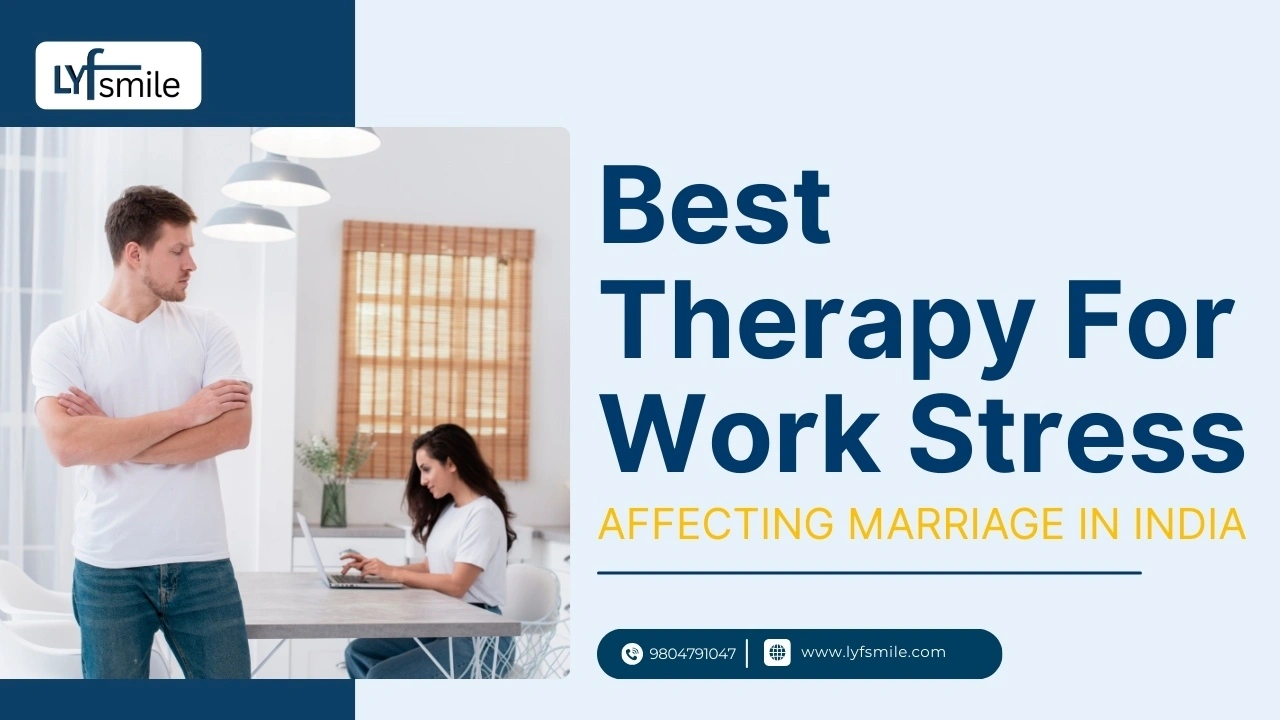
In today's high-paced corporate world, many couples face a quiet battle that's often invisible to everyone around them. Work stress affecting marriage from long office hours, endless deadlines, and constant work pressure doesn't just stay at the office; it comes home with you.
After an exhausting day at work, many professionals simply don't have the energy left for meaningful conversations with their partner. Over time, this emotional exhaustion creates distance. Communication breaks down, intimacy fades, and the bond that once felt unbreakable starts to weaken.
If you're in fields like IT, finance, healthcare, or corporate sectors, you probably understand this reality all too well. When work consumes most of your waking hours, even small disagreements can explode into major arguments. The irony is that you're working hard to build a better future, but the very thing driving you forward is quietly damaging your relationship.
You don't have to let this happen. Many couples are now turning to online marriage counselling in India to save their relationship before it's too late. Professional therapists help partners rebuild trust, learn healthy communication skills, and set better emotional boundaries between work and home life.
If you've been feeling emotionally distant from your partner lately, don't wait until the damage becomes permanent. Seeking relationship counselling for working couples can help you reconnect and strengthen your bond, no matter how busy life gets. Your career is important. But so is your marriage.
Signs That Work Stress Is Affecting Your Marriage
Work stress affecting marriage doesn't usually show up overnight; it creeps in slowly, chipping away at the connection between partners until one day you realise something feels off. Here are some signs worth paying attention to.
Frequent Arguments
You know how it goes: you snap at your partner over something tiny, like dishes left in the sink, and suddenly it's a full-blown fight about everything else, too. When stress levels are high, small disagreements have a way of snowballing.
Maybe you used to talk about your day over dinner, and now it's just silence or one-word answers. If conversations have started feeling limited or emotionally distant, job stress affecting marriage could be playing a bigger role than you realise.
Emotional Disconnection
There's a particular kind of loneliness that comes from feeling distant from the person you share a life with. If you've noticed that disconnect creeping in, it might be a sign that work stress ruining relationships is affecting your bond more than you'd like to admit.
Spending Less Quality Time Together
Between long hours, late nights, and just being plain exhausted, it's easy for quality time to fall by the wayside. Over time, this can really chip away at the work-life balance in marriage, leaving both partners feeling like they're more like roommates than partners.
The good news is that catching these signs early makes a real difference. Couples therapy for work stress or marriage counselling for stress can give you both the tools to reconnect, communicate better, and work through these challenges together.
How Corporate Stress Secretly Ruins Your Marriage!
Long hours. Endless targets. The ping of notifications at 11 PM. If you're reading this, chances are you've felt the weight of it all, the meetings that run late, the pressure to perform, the constant connectivity that blurs the line between office and home. For many working couples in India, particularly in IT, finance, healthcare, and management, this has become the new normal. And quietly, almost imperceptibly, it's beginning to change something deeply personal: the relationship with the person they came home to.
It rarely starts with drama. In the beginning, there's an unspoken agreement: this work pressure is temporary. Once the project ends. Once the promotion comes through. Once things settle down. But months turn into years, and the exhaustion doesn't leave—it simply finds a new home.
No Energy Left for Each Other
There's a particular kind of weariness that settles in after a full day of meetings, deadlines, and walking on eggshells around seniors. By the time you reach home, there's nothing left. Not for conversation. Not for closeness. Not for the kind of patience that says "tell me about your day" and actually wants to hear the answer.
Instead, you find different corners. One scrolls through the phone, the other turns on the television. The silence grows. Not the comfortable kind, it's the silence of two people who love each other but have nothing left to give. You both still love each other. It's just that emotional capacity feels finite now, and work has drained it dry. This kind of prolonged emotional depletion doesn't stay contained to tiredness; over time, it quietly begins affecting mental health in marriage, creating anxiety, withdrawal, and a distance that feels increasingly difficult to explain.
Bringing Office Anger Home
Stress is sneaky. It doesn't announce itself. It comes home with you, sits at the dinner table, and whispers sharp words over small things, the sink full of dishes, the electricity bill left unpaid, the kids' homework unchecked.
That irritability from a toxic meeting? It doesn't stay at the office. It simmers beneath the surface, and somewhere between dinner and sleep, it finds an outlet. A snap. A sigh. Something petty. And suddenly, you're fighting about dishes when you're really fighting about everything else you can't control. Over time, this breeds something dangerous: resentment. One partner feels constantly walked on. The other feels unsupported. And the home, supposed to be the one place of peace, starts feeling like another battlefield.
The Trap of Late-Night Calls
Here's the thing about modern corporate life that nobody warns you about: it's a thief. It steals your evenings, your weekends, your moments of stillness. It steals the dinner where you actually talked about hopes and fears. It steals the Sunday morning when you just exist in the same space without purpose. Emails don't stop at 6 PM. Teams calls come at 9 PM. There's always one more thing. And slowly, your partner starts to feel like a roommate you share a bed with, not the person you chose to build a life with.
4 Warning Signs Your Bond Needs Urgent Attention
Relationship issues frequently arise gradually and covertly when partners are continuously under pressure from goals, deadlines, long commutes, and worry at work. Because they believe stress is transient, many partners initially overlook these emotional shifts. Long-term work-related stress, however, can cause emotional estrangement that is difficult to mend over time.
Relationships between corporate burnout and relationships are more closely related than most couples realise. Trust, intimacy, and emotional safety in a marriage can be gradually harmed by emotional tiredness, poor communication, and ongoing stress. Couples can seek support before their relationship deteriorates emotionally by identifying the warning signs early. Many working professionals today are choosing relationship counselling for working couples because therapy helps them understand unhealthy communication patterns, emotional triggers, and stress-related conflicts in a healthier way.
The Deadly 'Silent Treatment'
Silence taking the place of communication is one of the most alarming indicators of emotional detachment. Couples start avoiding conversations to avoid fights or emotional distress rather than communicating their feelings honestly. Although this stillness may seem serene at first, it eventually causes emotional isolation in the partnership.
Couples cease talking about their emotional needs, difficulties, everyday experiences, and sentiments. Emotional misunderstandings continue to build in silence, and crucial interactions are frequently postponed. Even when they are physically seated together, couples may spend days or even weeks apart emotionally. This behaviour is very prevalent in couples whose marital equilibrium at home is being ruined by office stress. Before emotional isolation becomes irreversible, couples can reestablish good communication by using online marriage counselling services in India.
These frequent fights eventually lead to emotional weariness, resentment, and frustration in the marriage. As couples gradually cease to operate as emotional partners and begin responding to one another with annoyance rather than understanding, the link between corporate burnout and relationships becomes more apparent.
Zero Physical or Emotional Intimacy
One of the most obvious indicators that work-related stress is negatively impacting marriage is this emotional detachment. Couples may still have a great deal of affection for one another, but emotional barriers are created by work-related stress and fatigue. Even when they live together, many partners secretly start to feel abandoned, lonely, or emotionally detached.
Living Together Like Roommates
Marriages eventually begin to feel more practical than sentimental. Work schedules, finances, kids, or household management become the only topics of conversation. The partnership has nothing left in the way of genuine connection, passion, laughing, or emotional sharing. Instead of being emotionally bonded couples, partners start living separate lives under one roof, almost like roommates. This is one of the most obvious indicators that office stress ruining relationship emotional basis of the marriage has begun to be impacted by office stress destroying relationship harmony. At this point, a lot of working professionals look for relationship counselling for working couples since it helps them reestablish closeness, communicate better, and reconnect emotionally before the distance becomes irreversible.
Best Therapies to Heal Couples' Burnout Quickly
The Gottman Method for Easy Talk
The Gottman method of couples therapy is one of the best strategies for couples who are under pressure at work. This therapy facilitates better communication, lessens criticism, and helps partners resolve disagreements more peacefully and healthfully. It can be challenging for many couples whose marriages are impacted by work-related stress to communicate their feelings without getting into conflicts or miscommunications. The Gottman method gives couples useful tools to reestablish emotional safety, increase trust, and have more encouraging talks at home. Couples experiencing communication breakdowns as a result of relationship stress and business fatigue will find it particularly helpful.
EFT Therapy to Reconnect Deeply
The goal of Emotionally Focused Therapy (EFT) is to assist couples in comprehending the emotional suffering that lies beneath silence, anger, resentment, or emotional retreat. Stress at work frequently causes partners to become emotionally unavailable, which gradually erodes intimacy and connection. By enhancing emotional response, empathy, and emotional bonding, EFT aids in the emotional reconnection of couples. In order to help partners feel emotionally safe and understood once more, many therapists who provide relationship counselling for working couples employ EFT techniques.
CBT to Stop Anxious Thoughts
Cognitive behavioural therapy (CBT) assists people in identifying and controlling harmful thought patterns brought on by emotional strain, stress, anxiety, and overthinking. Many couples deal with emotional outbursts, impatience, and ongoing tension at home as a result of workplace stress destroying their relationship. CBT promotes better coping strategies that enhance communication and emotional control. Additionally, it is quite successful in teaching couples how to handle marital stress in a more balanced and healthy way.
Meet Ms Loveleen Malhotra – Couples Therapy & Relationship Counselling Expert
When professional stress, emotional burnout, and communication problems begin affecting relationships, getting support from an experienced therapist can make a major difference. Ms Lovleen Malhotra is a Counselling Psychologist and CBT Specialist who helps individuals and couples navigate emotional challenges with empathy, understanding, and evidence-based therapy approaches.
With experience in relationship counselling for working couples, she supports partners struggling with emotional disconnect, workplace pressure, communication issues, and relationship stress. Her therapy approach focuses on creating a safe, non-judgmental space where clients feel genuinely heard and emotionally supported.
Mrs Ritika Dhall – Senior Consultant, Psychotherapist & Relationship Expert
Mrs Ritika Dhall is a highly experienced Psychologist, Psychotherapist, Senior Consultant, and Life Coach who supports individuals, couples, teenagers, and families through emotional, behavioural, and relationship challenges. Her therapy approach focuses on emotional awareness, self-growth, and practical coping strategies that help clients build healthier relationships and emotional resilience.
With expertise in relationship counselling for working couples, she helps partners dealing with communication breakdowns, emotional disconnect, anxiety, and stress caused by demanding personal and professional responsibilities. Her supportive and solution-focused approach creates a safe environment where clients can openly discuss emotional struggles and relationship concerns.
For couples struggling with work stress affecting marriage, emotional exhaustion, or ongoing misunderstandings, therapy sessions focus on improving communication, emotional connection, and mental well-being.
Why Online Counselling is Perfect for Busy Couples!
Saves travelling times & energy
Travelling to a therapy facility might be daunting for working people who already have to cope with long workplace hours, traffic, and demanding schedules. For this reason, a lot of couples increasingly like online marital counselling services in India. Partners can conveniently attend therapy sessions from home without having to spend additional time travelling. Couples find it simpler to maintain regular therapy sessions despite busy workweeks thanks to this convenience.
Ultimate Privacy From Home
Due to societal stigma associated with relationship counselling or privacy concerns, many couples are reluctant to seek professional assistance. Couples can freely discuss emotional difficulties, workplace stress, communication challenges, and intimacy concerns without worrying about being judged in the secure, private, and cosy setting of online therapy. This is one of the reasons married couples and business professionals in India are increasingly using online couples therapy.
Flexible slots for hectic calendars
For working couples, arranging treatment can be challenging due to juggling meetings, deadlines, family obligations, and personal lives. Online counselling makes it easier to accommodate hectic schedules with flexible evening and weekend appointments. Because they may attend therapy without interfering with their work obligations, many couples looking for relationship counselling for working couples opt for online sessions.
Easy Habits to Protect Your Bond from Office Pressure
Strict No-Phone Zones at Home
One of the healthiest habits couples can build is creating spaces or times where office calls, emails, and work notifications are completely avoided. Constant digital distraction often keeps partners emotionally disconnected even when they are physically together. Setting boundaries around technology helps couples spend more focused, quality time together and improves emotional presence in the relationship.
Daily Decompression Time of 20 Minutes
Immediately engaging in emotional talks or home duties after a demanding workweek might exacerbate frustration and miscommunication. Before having significant conversations at home, relationship experts frequently advise taking at least 20 minutes to mentally unwind.
No-Work-Talk Date Nights every week
Many working couples talk about deadlines, office stress, money, obligations, or schedules for the majority of their interactions. This practice gradually erodes personal connection and emotional closeness.
A weekly "No-Work-Talk" dating night promotes emotional reconnection between partners without talking about work-related stress. Couples can concentrate on relaxing, laughing, engaging in hobbies, having deep conversations, or doing things together that deepen their emotional connection.
Reconnect Today: How Lyfsmile Can Help You
Work stress starts affecting your marriage, creating emotional distance, constant arguments, or communication breakdowns. Ignoring these signs only makes things harder to fix later. The good news is you don't have to navigate this alone.
If work stress is affecting your marriage, seeking professional support early can prevent small issues from becoming bigger relationship problems. Couples therapy can help partners improve communication, manage stress, and rebuild emotional connection.
At Lyfsmile, experienced therapists offer online marriage counselling specifically designed for busy professionals, using evidence-based approaches like Gottman method couples therapy and CBT to help you rebuild communication, restore emotional connection, and learn healthier ways to manage conflict without letting workplace stress damage your relationship. Sessions are flexible and convenient, allowing couples to participate from home without adding more pressure to already packed schedules. The goal isn't perfection; it's about creating a relationship where both partners feel heard, understood, and genuinely supported again, so the emotional distance doesn't become permanent.
Frequently Asked Questions (FAQs)
1. How do I stop work stress from ruining my marriage?
To protect your marriage, create a strict 20-minute decompression routine right after work before interacting with your spouse. Avoid checking office emails late at night, establish "no-work-talk" zones at home, and clearly communicate your exhaustion instead of shutting down or giving the silent treatment.
2. Why do I take out my office anger and frustration on my partner?
This happens due to a psychological phenomenon called "Stress-Spillover." When you exhaust your mental bandwidth dealing with difficult bosses or tight corporate deadlines, your self-control drops. As a result, you accidentally vent that suppressed anger on your partner because home feels like a safe zone to release pressure.
3. Can corporate burnout cause dynamic changes or silence in a relationship?
Yes, chronic job burnout directly triggers emotional withdrawal. A burnt-out partner often goes into "survival mode," completely stopping meaningful conversations, avoiding household planning, and pulling away from physical intimacy. Without expert relationship therapy, this can make couples feel like roommates.
4. Is online relationship counselling effective for working couples in India?
Absolutely. Online marriage counselling is highly effective for modern Indian couples balancing corporate careers. It saves hours of commuting time in heavy traffic, offers complete privacy from home, and provides highly flexible late-evening or weekend slots that easily fit around hectic client calls.
5. How do I know if work stress is ruining my relationship?
Frequent arguments, lack of communication, emotional distance, reduced intimacy, and spending less quality time together are common signs that work stress is ruining your relationship. Recognising these issues early and seeking support can help prevent long-term damage to your marriage.