

Sarvesh Kumari
Emotional-Verbal Abuse Counseling: How Therapy Helps You Heal
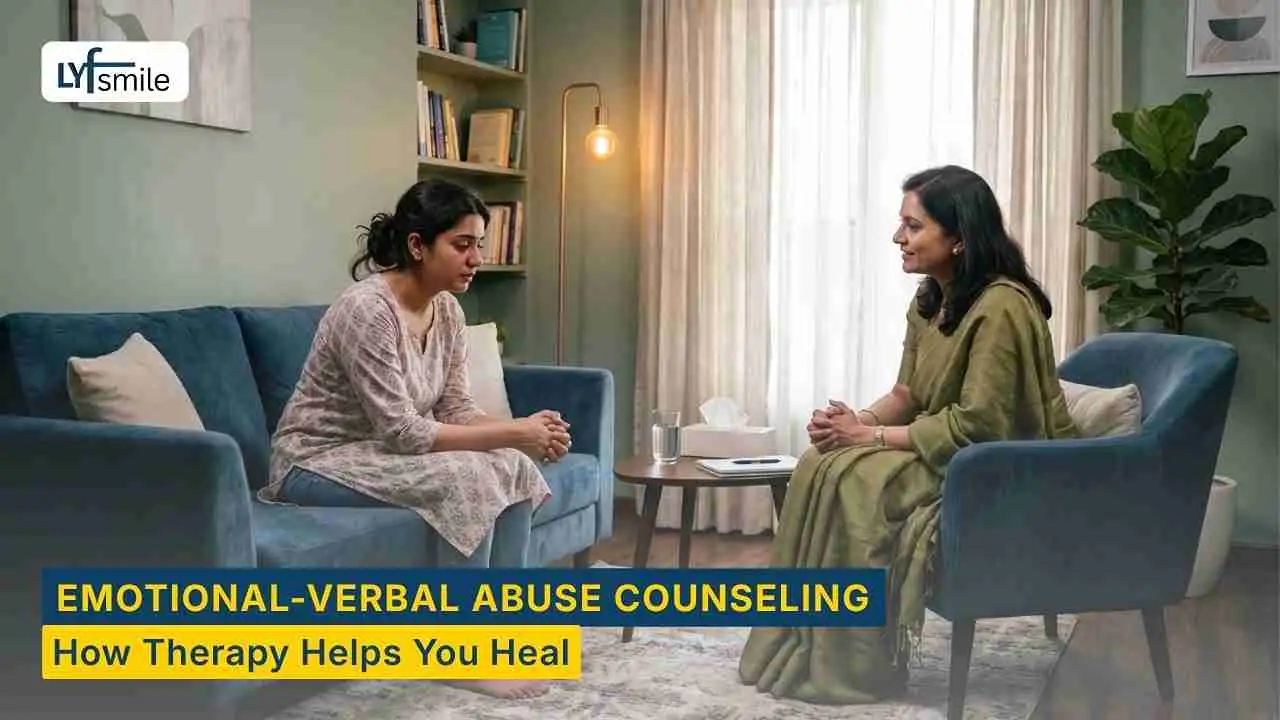
If you've been walking on eggshells in your relationship, second-guessing your every word, or feeling worthless after constant criticism, you may be experiencing emotional or verbal abuse. Emotional-Verbal Abuse Counseling is the most effective, evidence-based path to healing, and our licensed therapists in Gurgaon and Delhi NCR are here to help you recover, rebuild, and move forward with confidence. Whether you're looking for an emotional abuse therapist near you or prefer the privacy of online emotional abuse counseling, you don't have to face this alone.
Yes - counseling absolutely helps emotional and verbal abuse victims. Therapy for verbal abuse and emotional trauma counseling have helped thousands of people in India recognize abuse patterns, process pain, rebuild self-worth, and create healthier relationships. Recovery is real, and it starts with one conversation.
What Are the Signs of Emotional and Verbal Abuse in a Marriage or Relationship?
Many people don't realise they're in an emotionally abusive relationship because it leaves no visible scars. Verbal abuse therapy begins with awareness and awareness begins with knowing the signs.
Common signs of emotional abuse in marriage or relationships include:
Constant criticism and belittling - Your partner regularly puts you down, mocks your decisions, or tells you that you're stupid, ugly, or incompetent.
Gaslighting - You're made to doubt your own memory, feelings, or reality. "That never happened" or "you're too sensitive" are classic gaslighting phrases. Gaslighting therapy support is one of the most requested services.
Controlling behavior in marriage - Financial control, monitoring your movements, dictating who you can see or talk to.
Verbal attacks - Yelling, name-calling, public humiliation, or threats used as emotional weapons.
Silent treatment and emotional withholding - Affection and communication are withdrawn deliberately as punishment.
Emotional neglect - Your feelings, needs, and experiences are consistently dismissed or ignored.
Isolation - You're gradually cut off from friends, family, and support networks.
The effects of verbal abuse on mental health are serious and long-lasting. Victims commonly develop anxiety, depression, PTSD, low self-esteem, and difficulty trusting others. Relationship abuse counseling is not a sign of weakness - it is the bravest step you can take toward reclaiming your life.
How Does Emotional-Verbal Abuse Counseling?
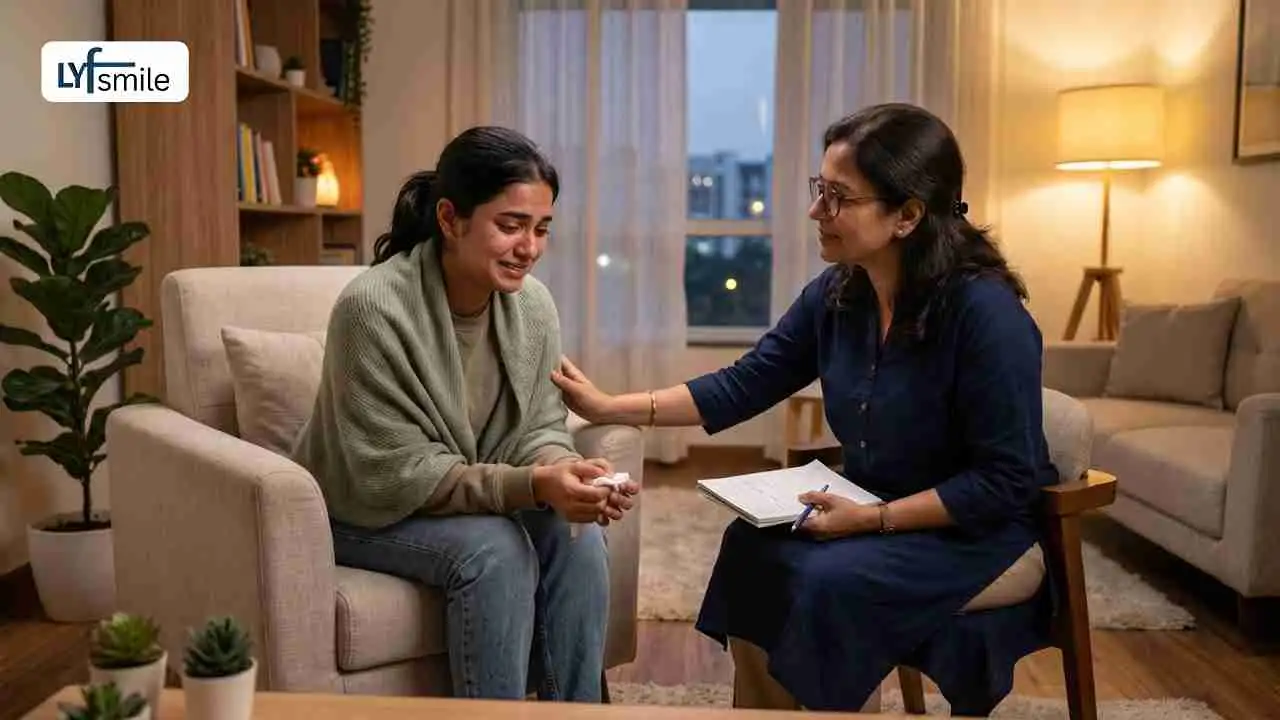 Emotional-Verbal Abuse Counseling follows a structured, trauma-informed approach one that is compassionate, non-judgmental, and built entirely around your pace of healing. Our professional emotional abuse therapists in Gurgaon and Delhi NCR are trained in several evidence-based therapeutic modalities.
What Does Emotional Abuse Therapy Involve?
1. Cognitive Behavioral Therapy (CBT) for Emotional Abuse CBT helps you identify and challenge the distorted thought patterns that abuse has created. Thoughts like "I deserve this" or "no one will believe me" are systematically restructured. This is among the most effective therapies for victims of verbal abuse.
2. Trauma-Informed Abuse Counseling Our therapists approach every session through the lens of trauma. Emotional trauma counseling acknowledges that psychological abuse creates real neurological and emotional wounds and heals them accordingly.
3. EMDR (Eye Movement Desensitization and Reprocessing) Particularly effective for processing traumatic memories tied to mental abuse. EMDR helps the brain metabolize distressing experiences so they lose their emotional charge.
4. Couples Counseling for Emotional Abuse When both partners are committed to change, emotional abuse counseling for couples can be transformative. Our therapists facilitate structured sessions that rebuild communication, enforce healthy boundaries, and address controlling behavior in marriage. Note: couples counseling is recommended only when it is safe for both individuals.
5. Dialectical Behavior Therapy (DBT) DBT builds emotional regulation skills crucial for anyone in early verbal abuse recovery therapy.
Your Journey at Lyfsmile
At Lyfsmile, your healing begins with a free 15-minute consultation, where you can openly share your situation without pressure or judgment.
Based on your needs, we create a personalized therapy plan including individual, couples, or trauma-focused counseling.
You then begin weekly therapy sessions, available online or in-person at our Gurgaon clinic, focused on healing emotional abuse, rebuilding confidence, and setting healthy boundaries.
With ongoing support from our licensed therapists, you gradually recover from emotional manipulation and rebuild your sense of self.
We also offer affordable and flexible therapy options to ensure support is accessible when you need it most.
Expert Insights: Why Professional Help Matters for Emotional Abuse Recovery
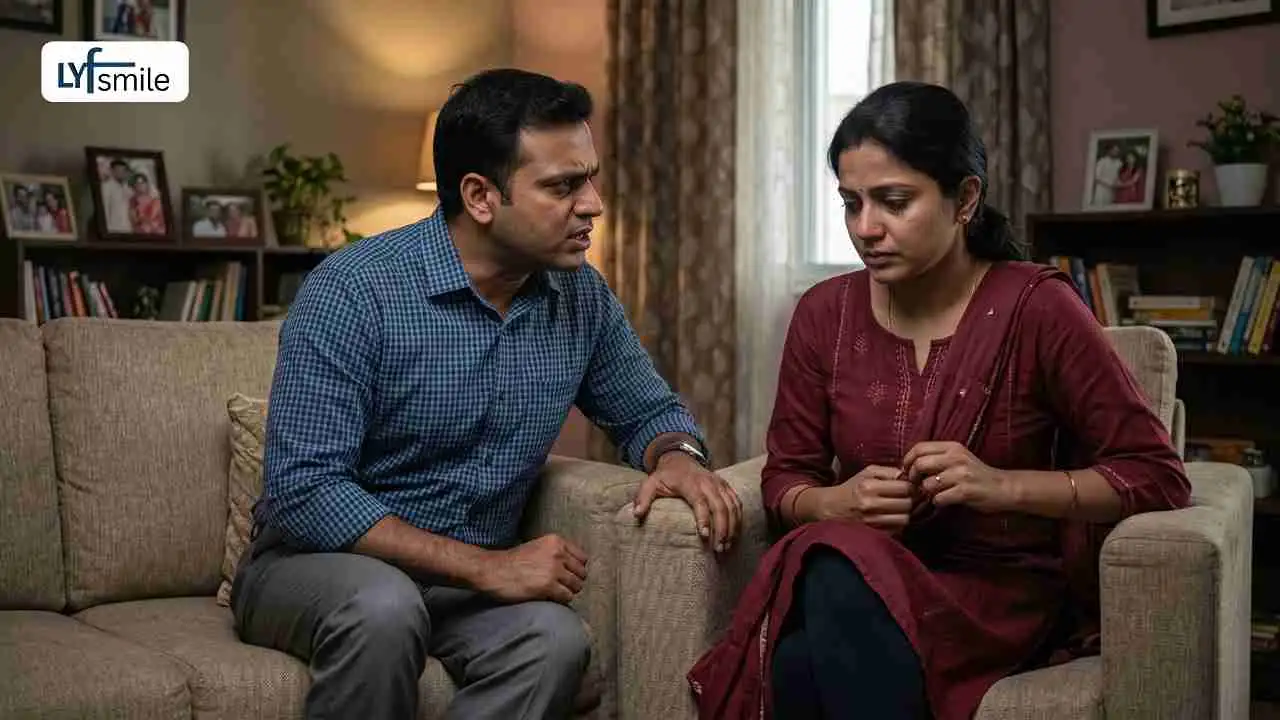 Many victims of emotional abuse spend years wondering "is verbal abuse a reason for therapy?" or "can counseling help emotional abuse victims?" The answer from mental health professionals is an unequivocal yes.
Healing from emotional manipulation doesn't simply happen with time. Without support, survivors carry patterns of shame and self-doubt into future relationships. Counseling after a toxic relationship provides structured space to:
Process grief over the relationship you thought you had
Understand that the abuse was never your fault
Rebuild a healthy sense of identity and self-worth
Learn to recognize red flags for future relationship safety
At Lyfsmile, our best emotional abuse counselors help you understand your story, honor your experience, and design a life that feels genuinely yours again.
Conclusion
Emotional and verbal abuse can quietly dismantle your sense of self but it does not have to be permanent. Emotional-Verbal Abuse Counseling at Lyfsmile offers you a safe, professional, and genuinely supportive environment to heal, understand what happened, and move forward with clarity and confidence.
Whether you're searching for an emotional abuse therapist near me in Gurgaon, looking for online emotional abuse therapy in India, or exploring couples counseling for emotional abuse. You deserve to feel safe. You deserve to be heard. And you deserve to heal.
FAQs
1. What happens in the first consultation at Lyfsmile?
In the free 15-minute consultation, you can share your concerns openly. The therapist understands your situation and suggests the right therapy approach.
2. Do I need a diagnosis to start emotional abuse counseling?
No, you don’t need any diagnosis. You can start therapy as soon as you feel emotionally affected or overwhelmed in your relationship.
3. Is online therapy as effective as in-person sessions?
Yes, online sessions are equally effective. Lyfsmile offers secure video counseling that ensures privacy and consistent support.
4. How long does emotional abuse therapy usually take?
It depends on individual cases. Some clients feel improvement in a few weeks, while deeper healing may take longer with regular sessions.
5. Are therapy fees affordable at Lyfsmile?
Yes, flexible and affordable fee options are available so that financial concerns don’t stop you from getting help.