


Sarvesh Kumari
Sex Therapy for Married Couples Facing Intimacy Issues in India
Physical intimacy is an important part of a healthy marriage, but many couples in India silently struggle with intimacy issues that affect their emotional connection, communication, and overall relationship satisfaction. Over time, stress, work pressures, parenting responsibilities, unresolved conflicts, cultural expectations, medical concerns, or emotional distance can make couples feel disconnected from one another.
If you and your partner are experiencing challenges with physical closeness, desire differences, sexual dissatisfaction, or discomfort discussing intimacy, you are not alone. These concerns are more common than most couples realise and can affect even strong, loving relationships. Seeking support through sex therapy for married couples provides a safe, confidential space to understand the underlying causes of intimacy concerns and work toward rebuilding trust, connection, and fulfilment.
At Lyfsmile, our experienced therapists help couples address intimacy issues in marriage with compassion, sensitivity, and evidence-based therapeutic approaches. Whether you are facing a recent challenge or have been struggling for years, sex counseling for married couples can help you improve communication, strengthen emotional intimacy, and reconnect with your partner in meaningful ways.
Even in strong marriages, intimacy and sexual connection can face challenges. Many couples experience repeated arguments or frustration around physical and emotional closeness. Sex therapy for married couples can help address these concerns. Here’s how it supports couples:
Identify the Root of Intimacy Issues
Couples often struggle with mismatched desire, performance anxiety, or past experiences that affect sexual connection. Therapy helps uncover these patterns and understand how they impact the relationship.Improve Communication About Sexual Needs
Partners learn to talk openly and honestly about what they want and need, without shame or fear. This builds trust and reduces misunderstandings.Rebuild Emotional and Physical Connection
Sex therapy focuses on restoring both emotional closeness and physical intimacy, helping couples feel connected, valued, and supported.Strengthen Overall Relationship Bonding
By addressing sexual concerns, couples often notice improvements in emotional connection, mutual respect, and overall satisfaction in the marriage.Guided Support From Professionals
Therapists use a combination of sex therapy and couples counselling tailored for married couples in India. Sessions provide a safe space to explore intimacy challenges while strengthening trust and emotional closeness.
Sex therapy for married couples is more than physical; it’s a path to deeper connection, understanding, and a more fulfilling partnership.
Rediscover intimacy and connection in your marriage. Gentle guidance can help you reconnect emotionally and physically. Start with a 15-minute free session and take the first step toward rebuilding your bond.
Signs You May Need Sex Therapy or Marriage Counseling
Intimacy challenges often develop gradually and may not always seem serious at first. However, when these concerns start affecting your emotional connection, communication, or overall relationship satisfaction, sex therapy for married couples can help you understand the underlying issues and reconnect with your partner.
Low Sexual Desire in Marriage
A noticeable decline in sexual desire can create frustration, confusion, and emotional distance between partners. If low sexual desire in marriage is affecting your relationship, therapy can help identify and address the underlying causes.
Lack of Physical Affection
When hugs, kisses, cuddling, and other forms of physical affection become rare, couples often feel disconnected. Restoring everyday affection can strengthen emotional and physical intimacy.
Avoiding Intimacy
Consistently avoiding intimacy may signal unresolved emotional, relational, or personal concerns. Sex therapy helps couples understand these challenges and rebuild comfort with closeness.
Mismatched Libido
Differences in sexual desire are common in marriage, but they can lead to feelings of rejection or resentment. Counseling helps couples navigate mismatched libido with understanding and open communication.
Frequent Arguments About Sex
Repeated conflicts about intimacy, sexual needs, or expectations often point to deeper communication issues. Therapy provides a safe space to address these concerns constructively.
Emotional Distance
When partners stop sharing feelings, experiences, or meaningful conversations, emotional and physical intimacy often suffer. Marriage counseling can help couples reconnect and strengthen their bond.
Why Couples Experience Loss of Connection and Intimacy Over Time
Over the years, many couples notice that their emotional closeness and sexual connection start to fade. This can happen even in loving marriages and may lead to sexual dissatisfaction, low desire, or other intimacy concerns. Understanding the reasons behind this change can help couples reconnect and strengthen their bond. Here’s why this often happens and what can be done to fix a lack of spark in a marriage.
1. Lack of Communication and Emotional Connection
When couples stop sharing feelings, thoughts, and needs openly, emotional distance can grow. Over time, this lack of connection can make partners feel misunderstood, neglected, or unimportant. Without a strong emotional bond, sex therapy for married couples can help partners express themselves, rebuild trust, and reignite intimacy.
2. Complacency and Routine
Falling into predictable routines can dull excitement in a relationship. Men and women alike may crave novelty and variety, and when daily life becomes monotonous, desire can decline. Counseling and guided exercises in sex therapy for married couples can introduce new ways to connect emotionally and physically, keeping the relationship engaging and alive.
3. External Stress and Distractions
Work pressures, personal challenges, or outside distractions can reduce focus on the relationship. When one or both partners are preoccupied, emotional and physical intimacy can suffer. Addressing these external factors in counseling can help couples prioritize each other, improving both communication and closeness.
4. Incompatibility or Changing Priorities
People grow and change over time. Differences in values, goals, or interests can create a disconnect if not addressed. Couples counseling helps partners realign expectations, rediscover shared goals, and restore mutual understanding, which can prevent feelings of detachment.
5. Disadvantages of Lost Connection
Ignoring these issues can lead to:
Emotional distress and hurt feelings
Strained communication and more conflicts
Reduced trust and intimacy
Resentment or long-term damage to the relationship
Negative effects on self-esteem and confidence
The good news is that loss of connection and intimacy is not permanent. With proper guidance, such as sex therapy for married couples, couples can rebuild emotional closeness, resolve intimacy concerns, and rekindle desire. Therapy provides practical tools to communicate better, understand each other’s needs, and bring the spark back into the marriage.
How Sex Therapy Helps Rebuild Trust and Emotional Intimacy
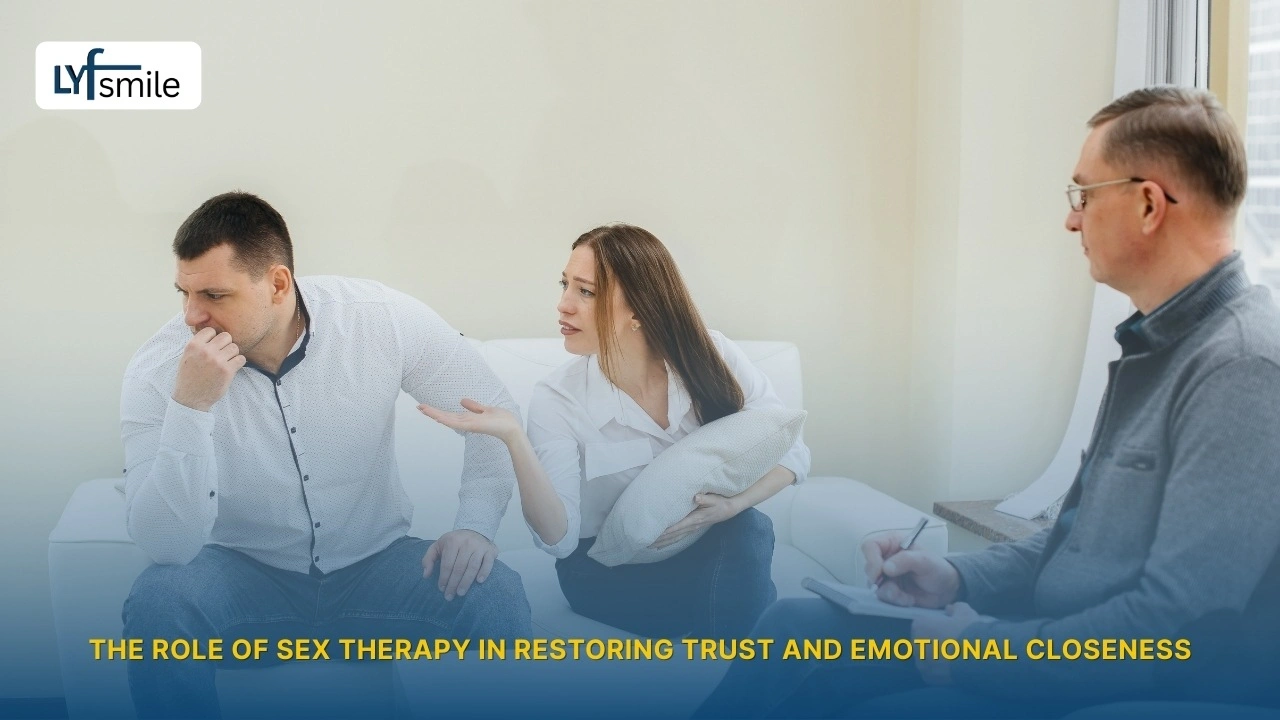 In many marriages, challenges like sexual dissatisfaction, low desire, and intimacy concerns can slowly affect emotional closeness and trust. Even when love is present, these issues can create distance between partners, making communication harder and emotional bonding weaker. Sex therapy for married couples helps couples address these challenges in a safe, supportive space.
Improving Communication About Intimacy
Open and honest communication is key to rebuilding trust. Sex therapy provides tools for couples to discuss their needs, desires, and concerns without fear or judgment. Partners learn to listen actively and express themselves in ways that enhance emotional connection and understanding.Strengthening Emotional Closeness
Sexual issues often affect the emotional bond between partners. Therapists help couples explore feelings, vulnerabilities, and attachment patterns, which restores trust and emotional intimacy. This deeper understanding allows couples to feel closer, supported, and valued.Resolving Conflicts and Building Healthy Patterns
Sexual dissatisfaction or mismatched desire can cause repeated conflicts. Through guided sessions, couples learn to address the underlying issues, manage disagreements constructively, and create patterns of mutual respect and care. This reduces tension and fosters harmony in the relationship.Increasing Self-Awareness and Mutual Understanding
Sex therapy helps each partner understand how their thoughts, feelings, and behaviors affect the other. This self-awareness empowers both partners to make positive changes, enhancing both physical intimacy and emotional connection over time.Tailored Approaches for Every Couple
Different couples benefit from different approaches. Techniques like Emotionally Focused Therapy (EFT), cognitive-behavioural strategies, or the Gottman method can all help rebuild trust and intimacy. At Lyfsmile, therapists like Lovleen Malhotra provide personalised guidance, focusing on both sexual concerns and emotional bonding, ensuring couples feel safe, understood, and supported throughout the process.
Sex therapy is not only about improving physical intimacy, but it is also about restoring trust, emotional closeness, and mutual satisfaction. For couples facing sexual dissatisfaction, low desire, or intimacy concerns, this therapy creates a path toward a stronger, more connected, and fulfilling marriage.
You deserve a marriage filled with trust, love, and intimacy. Professional support can help you get there. Book a session today and begin building the connection you both deserve.
What Is Sex Therapy for Married Couples?
Sex therapy for married couples is a form of professional counselling that focuses on sexual and intimacy-related concerns within a relationship. It can provide a structured space for partners to discuss topics that may feel uncomfortable, sensitive, or difficult to communicate about at home.
Couples may seek sex therapy for concerns such as mismatched sexual desire, reduced intimacy, sexual dissatisfaction, performance anxiety, difficulty discussing sexual needs, or emotional distance affecting physical closeness.
The focus of therapy depends on the couple's individual concerns. In some situations, sex therapy may be combined with relationship counselling or couples counselling when communication and emotional connection are also part of the difficulty.
Reconnect Emotionally and Physically With Your Partner
Challenges like sexual dissatisfaction, low desire, and intimacy concerns are common in many marriages, but they don’t have to define the relationship. Seeking sex therapy for married couples provides a safe and supportive space to explore these issues, rebuild trust, and strengthen both emotional and physical connection.
Beyond sexual intimacy, relationships thrive when partners feel understood, heard, and valued. Marriage counseling to reconnect emotionally helps couples address underlying conflicts, improve communication, and restore the closeness that may have faded over time.
With the right guidance and support, couples can rediscover emotional bonding, strengthen trust, and create a fulfilling and lasting partnership where both love and intimacy grow together.
Frequently Asked Questions (FAQs)
What is sex therapy for married couples?
Sex therapy for married couples is a specialized form of relationship counseling that helps partners address intimacy issues in marriage, improve communication, and strengthen emotional and physical connection.
Can sex therapy help with low sexual desire in marriage?
Yes. Sex therapy for low sexual desire in marriage helps couples identify emotional, psychological, relationship, or lifestyle factors that may be affecting intimacy and sexual satisfaction.
Is sex therapy confidential in India?
Yes. Professional sex therapy in India is completely confidential, providing couples with a safe and private space to discuss intimacy concerns and relationship challenges.
How many sessions of sex therapy do couples usually need?
The number of sex therapy sessions varies for every couple. Some couples see improvements within a few sessions, while others benefit from ongoing support for deeper intimacy issues in marriage.
Can online sex therapy be effective?
Yes. Online sex therapy for married couples can be just as effective as in-person counseling, helping partners work through intimacy problems, communication issues, and relationship concerns from home.
What if one partner is not interested in intimacy?
When one partner is not interested in intimacy, sex counseling for married couples can help uncover the underlying causes and improve understanding, communication, and emotional closeness.
Can marriage counseling help improve intimacy?
Yes. Marriage counseling for intimacy issues helps couples rebuild trust, improve communication, resolve conflicts, and create a stronger emotional and physical connection.
Is sex therapy only about physical intimacy?
No. Sex therapy focuses on both physical and emotional intimacy, helping couples improve relationship satisfaction, communication, trust, and overall marital connection.
How do I know if I need sex therapy or couples counseling?
You may benefit from sex therapy or couples counseling if you are experiencing low sexual desire, mismatched libido, emotional distance, trust issues, or ongoing intimacy challenges in your marriage.
What are the benefits of sex therapy for married couples?
The benefits of sex therapy for married couples include improved intimacy, better communication, stronger emotional connection, greater relationship satisfaction, and healthier sexual relationships.