


Sarvesh Kumari
Body Image Issues and Intimacy: How They Affect Relationships
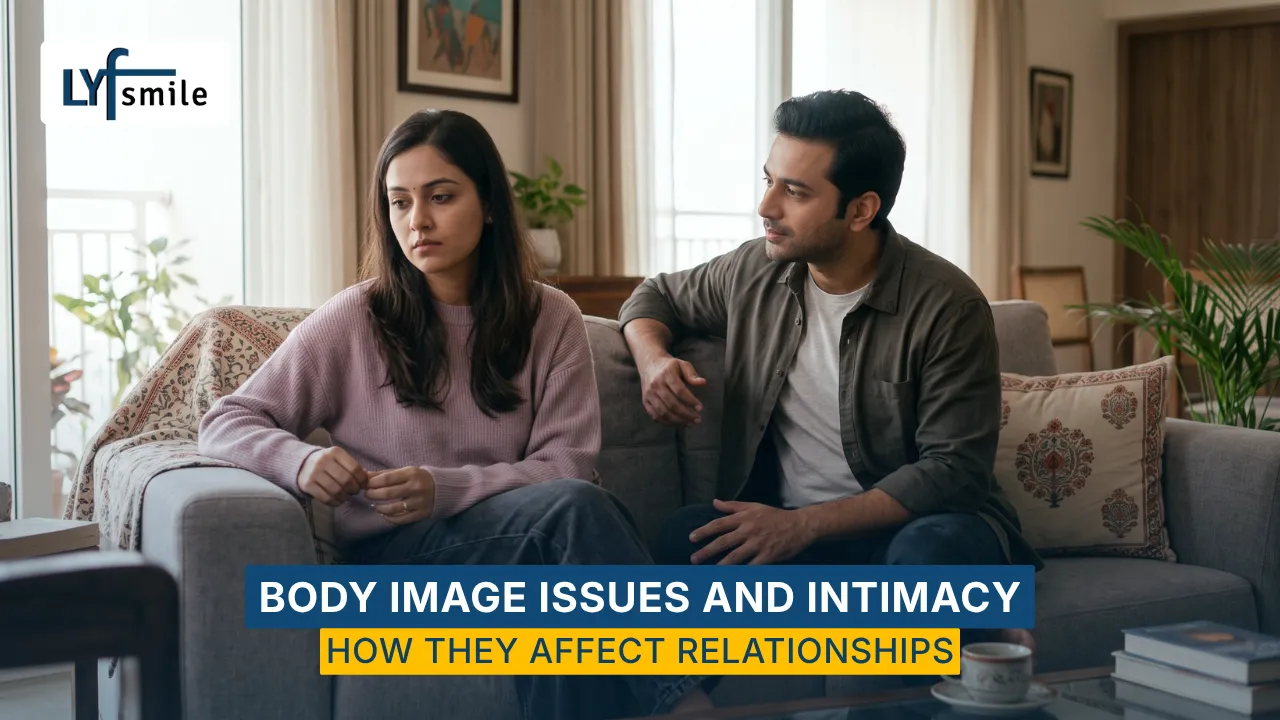
Body image issues can affect more than the way a person feels about their appearance. Ongoing dissatisfaction, fear of judgment, or discomfort with one's body can sometimes affect confidence, emotional closeness, physical intimacy, and relationships.
During intimate moments, a person may become more focused on how their body looks than on how they feel with their partner. This can lead to self-consciousness, avoidance of physical closeness, difficulty staying emotionally present, or repeated reassurance-seeking.
In today’s world of social media filters, diet culture, and constant comparison, it’s not easy to maintain a healthy sense of self. Negative self-talk, hiding one’s body, avoiding physical closeness, or feeling anxious during intimate moments are common signs that body image issues and intimacy struggles may be present. What many couples don’t realize is that these challenges are rarely just about appearance; they are often rooted in self-doubt, emotional wounds, or past experiences that shaped how a person sees themselves.
Body image concerns do not affect everyone in the same way. Stress, past experiences, social comparison, relationship dynamics, self-esteem, and other emotional factors can all play a role. When these concerns begin affecting intimacy or everyday wellbeing, professional support can help explore what is happening underneath them.
At Lyfsmile, therapy focuses on helping people navigate appearance-related insecurities in relationships with compassion and practical guidance so emotional and physical closeness can feel safe, respectful, and fulfilling again.
The good news is that support can make a real difference. With the right guidance, individuals and couples can learn to rebuild confidence, improve communication, and create emotional safety. At Lyfsmile, therapy focuses on helping people navigate body image issues and intimacy with compassion and practical tools so closeness feels safe, respectful, and fulfilling again.
Why Do Body Image Concerns Develop?
 1. Social Comparison
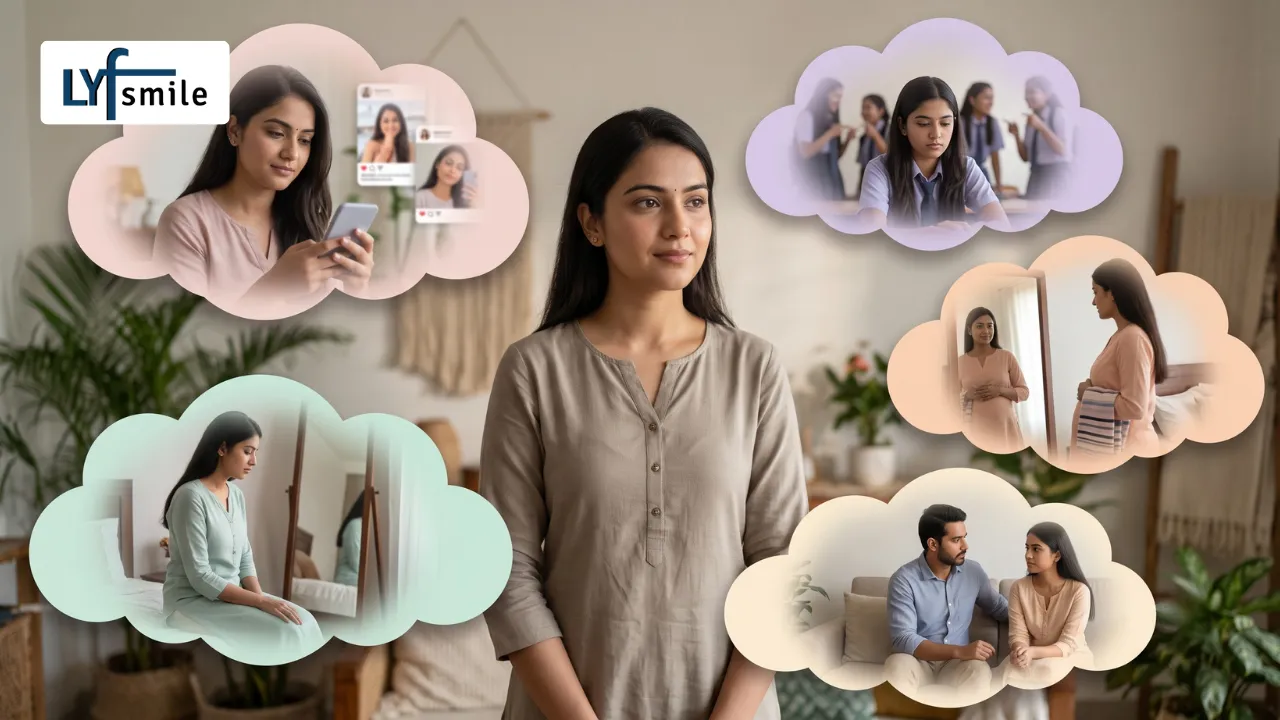
Social media, edited images and unrealistic appearance standards can make people compare themselves constantly.
2. Past Comments and Experiences
Criticism, teasing, bullying, rejection or repeated comments about appearance can influence how someone sees their body later in life.
3. Changes in the Body
Pregnancy, ageing, illness, weight changes or other physical changes can sometimes affect body confidence.
4. Low Self-Esteem
When self-worth becomes strongly tied to appearance, even normal changes in the body can trigger insecurity.
5. Fear of Judgment
Someone may worry that their partner will find them unattractive, notice perceived flaws, or compare them with someone else.
Understanding how body image concerns develop is the first step toward healing. When addressed with compassion and professional support, individuals can rebuild confidence, strengthen intimacy, and create healthier, more fulfilling relationships.
Not sure where to begin? Start with a ₹500 assessment, a gentle, expert-guided first step to understand what kind of support would help most. WhatsApp us at +91 98047 91047 to book your slot.
Do You Need Therapy for Body Image and Intimacy? Signs It May Be Time to Reach Out
 When body image struggles begin to affect closeness in a relationship, the impact can feel confusing and painful. What may start as anxiety about appearance or self-doubt can slowly turn into distance, avoidance, or even “sexual dissatisfaction in long-term relationships”. Therapy creates a safe and structured space where these concerns can be explored without judgment.
1. Rebuilding Emotional Safety
Many couples lose connection not because they don’t love each other, but because they don’t feel fully understood. Therapy helps partners return to the basics of communication, expressing needs clearly, setting healthy boundaries, and learning how to listen without defensiveness. As emotional safety grows, self-esteem in relationships also strengthens. When both partners feel valued beyond physical appearance, intimacy becomes less pressured and more genuine.
2. Addressing Low Sexual Confidence
Low sexual confidence often develops when someone feels insecure about their body or fears being judged during intimate moments. Instead of being present, they may become overly aware of perceived flaws. In therapy, individuals learn to gently challenge these negative beliefs and build a more compassionate self-view. Over time, this helps reduce performance anxiety and allows intimacy to feel more natural and connected.
3. Understanding Body Image Issues and Intimacy
There is a strong link between body image issues and intimacy. When someone feels uncomfortable in their own skin, they may withdraw physically or emotionally. Therapy helps uncover the deeper roots of these feelings, whether they stem from past criticism, social comparison, or painful experiences. By working through these layers, couples can rebuild trust, comfort, and emotional closeness.
4. Managing Anxiety About Appearance
Constant worry about how one looks can interfere with pleasure and connection. Therapy provides practical tools to manage anxiety about appearance, including cognitive and behavioral techniques that reduce negative self-talk. Instead of focusing on perceived imperfections, individuals learn to shift attention toward emotional connection and shared experiences.
5. Professional Support for Lasting Change
Therapy for body image issues is not just about feeling better in front of a mirror; it’s about improving overall well-being and relationship satisfaction. Evidence-based approaches such as CBT and DBT help individuals challenge harmful thoughts, regulate emotions, and build healthier coping skills. Couples therapy can also support partners in navigating sensitive topics together with empathy and patience
What Issues Does Our Therapist Help Individual With
Our therapists work across a wide range of concerns related to body image issues and intimacy, including:
Body dissatisfaction and persistent negative self-perception
Anxiety about appearance and harmful social comparison
Low sexual confidence and sexual dissatisfaction in long-term relationships
Avoidance of physical or emotional intimacy due to body shame
Self-esteem in relationships fear of rejection, reassurance-seeking, emotional withdrawal
Impact of past comments, bullying, or criticism on current self-image
Communication gaps between partners around intimacy and body confidence
Effects of diet culture, social media, and unrealistic beauty standards
Body image adjustment after pregnancy, illness, ageing, or significant weight change
Anxiety, depression, and emotional burnout connected to body image concerns
Support is available for individuals working through this personally, as well as for couples navigating these challenges together.
How Therapy for Body Image Issues and Intimacy Works at Lyfsmile
Here's what to expect when you begin:
Initial Consultation Understanding your history with body image, current concerns, relationship context, and what you are hoping to change
Emotional Assessment Identifying the patterns, triggers, core beliefs, and emotional wounds shaping your experience
Personalised Therapy Plan A clear, step-by-step approach tailored specifically to you — not a one-size-fits-all template
Session Work Cognitive reframing, emotional processing, communication tools, confidence-building strategies, and intimacy-focused techniques
Progress Review Regular check-ins to track what's shifting and adapt the approach as your needs evolve
The process is gentle, structured, and always at your pace. There is no pressure, no shame, and no judgment.
What People Are Saying
"I had never spoken about this with anyone before. I always thought my discomfort with my body was just something I had to live with. Therapy at Lyfsmile helped me understand where it was really coming from and how to actually change it." : Ritu, Mumbai
"We had been struggling with intimacy for a long time and didn't know how to talk about it. The therapist created a space where both of us felt genuinely heard : not judged, not rushed. Things between us feel so different now." Vikram & Priya, Bengaluru
"I was exhausted from hating how I looked. The sessions weren't just about feeling better in the mirror they changed how I showed up in my relationship completely." : Ananya, Delhi
Can Body Image Issues Affect Sexual Confidence?
Yes, body image concerns can sometimes affect sexual confidence. When a person feels uncomfortable with their appearance, they may become overly focused on how they look rather than how they feel during intimacy.
This can lead to self-consciousness, anxiety, avoidance, or difficulty communicating what feels comfortable. The effect can vary considerably from person to person, and body image is not the only factor that can influence sexual confidence.
Building a more balanced relationship with one's body, improving communication with a partner, and addressing underlying anxiety or self-esteem concerns can be useful steps.
Conclusion
Body struggles are rarely just about appearance; they affect how we think, feel, and connect with the people we love. When body image issues and intimacy begin to overlap, couples may experience distance, misunderstanding, or even silent resentment. But these challenges are not permanent.
With awareness, honest communication, and the right therapeutic support, it is possible to rebuild confidence, strengthen emotional safety, and restore closeness. Healing your relationship with your body can transform your relationship with your partner, allowing intimacy to feel safe, connected, and fulfilling again.
Healing is not about achieving a “perfect” body; it is about building a healthier relationship with yourself and your partner. When you feel more secure within, intimacy becomes less about judgment and more about closeness, comfort, and shared experience. With the right support, couples can move from self-doubt and distance toward confidence, understanding, and a more fulfilling connection.
FAQs
1. How do belief systems or astrology sometimes influence a person’s emotional state?
Personal belief systems, including astrology, can shape how individuals understand their challenges and strengths. When used positively, they can encourage self-reflection, but emotional well-being is best supported through self-awareness and healthy coping strategies.
2. How can the misuse of performance-enhancing substances affect mental and emotional health?
They may lead to mood changes, irritability, anxiety, low self-esteem, and dependence. Professional medical and psychological support is important for recovery and long-term well-being.
3. What are common reasons for low self-esteem in men?
Social pressure to appear strong, financial stress, relationship expectations, body image concerns, and lack of emotional support can all contribute to low self-worth.
4. How can someone build confidence in romantic relationships?
Working on self-acceptance, improving communication skills, setting healthy boundaries, and focusing on personal growth helps create genuine and lasting confidence.
5. What are effective ways to cope with depression, anxiety, and low self-esteem together?
Therapy, regular exercise, balanced nutrition, positive routines, supportive relationships, and mindfulness practices can gradually improve emotional health.
6. How can low self-esteem affect a relationship, and how can it be improved?
It may lead to overthinking, jealousy, fear of rejection, or constant reassurance-seeking. Developing self-worth and open communication helps create a more secure bond.
7. Why do appearance-related comments sometimes trigger anxiety?
They can activate comparison, past insecurities, or fear of judgment. Building body acceptance and limiting exposure to unrealistic standards can reduce this anxiety.
8. What are the emotional benefits of learning to enjoy your own company?
It increases self-awareness, independence, creativity, inner peace, and emotional stability, which also leads to healthier relationships with others.
9. How can teenagers develop a healthy body image?
By focusing on strength and health rather than comparison, limiting social media pressure, practicing self-compassion, and seeking guidance when negative thoughts become overwhelming.
10. Why do people sometimes see their bodies differently from how others see them?
Body image is shaped by thoughts and emotions, not just physical appearance. Negative self-perception can distort reality, and therapy can help create a more balanced self-view