

Sarvesh Kumari
Therapy for Jealousy in Relationships | In India
Jealousy in a relationship can range from occasional insecurity to persistent doubts about a partner's feelings, loyalty, or commitment. It may lead to overthinking, repeated reassurance-seeking, possessiveness, arguments, or difficulty trusting even when there is no clear reason for suspicion.
Relationship jealousy can develop for different reasons. Past experiences, low self-confidence, fear of abandonment, relationship difficulties, or anxiety may sometimes contribute, while in other situations the jealousy may be connected to specific experiences within the relationship.
Therapy for jealousy in relationships can provide a private space to understand these patterns, explore the emotions behind them, and develop healthier ways of communicating, managing insecurity, and building trust.
Seeking therapy for jealousy in relationships in India can help couples explore the root causes of jealousy and insecurity. Therapy guides on building trust, improving communication, and strengthening emotional connection. With effort and professional support, jealousy and insecurity can be transformed into understanding and a healthier, more secure relationship.
Why Jealousy and Insecurity Affect Relationships
Jealousy and insecurity can quietly put a strain on even the strongest relationships. When one partner feels insecure or has a fear of abandonment, it can lead to constant doubts, possessiveness, or trying to control the other person. These feelings often come from past experiences, personal insecurities, or difficulties in maintaining a secure attachment style. Left unchecked, they can slowly erode trust and emotional connection.
The good news is that these challenges are not impossible to overcome. Talking openly, being honest about your feelings, and seeking support through therapy for jealousy in relationships or couples counseling for control issues can make a huge difference. Understanding why these feelings arise is the first step toward building a stronger, healthier bond.
Here’s how jealousy and insecurity often affect relationships:
Insecurity and Lack of Trust
When you feel insecure, it’s hard to fully trust your partner. You might find yourself overthinking their actions or worrying about their intentions, which can create tension and misunderstandings.Fear of Abandonment
Worrying that your partner might leave can lead to clingy or controlling behaviors. While it comes from a place of love, it can actually push your partner away and make the relationship feel strained.Possessiveness and Control Issues
Jealousy often brings possessiveness. Trying to control your partner may feel protective, but it can limit their freedom and affect emotional intimacy over time.Resentment and Emotional Distance
If jealousy isn’t addressed, small doubts and misunderstandings can grow into long-term resentment. This emotional distance makes it harder to feel close and connected.Impact on Passion and Connection
Insecurity and jealousy can also reduce passion and closeness. Couples may feel less affectionate or emotionally disconnected, making it harder to maintain a fulfilling relationship.
By understanding these patterns and seeking guidance through therapy for jealousy in relationships or couples counseling for control issues, couples can learn to manage jealousy, reduce possessiveness, and rebuild trust. With effort and support, it’s possible to turn insecurity into understanding and create a more secure, loving relationship.
Transform insecurity into understanding and jealousy into connection. Take the first step toward a healthier relationship with a free 15-minute session.
How Therapy Helps Couples and Individuals Manage Jealousy
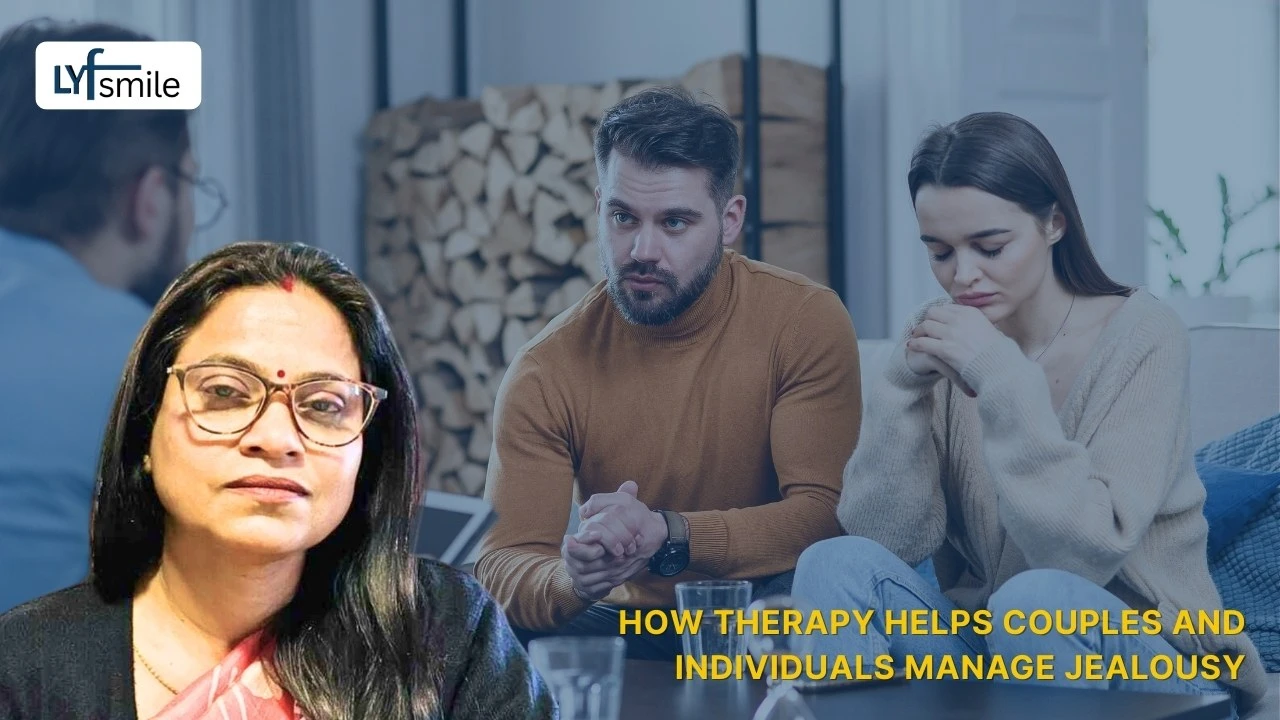 Jealousy, insecurity, fear of abandonment, and possessiveness can quietly strain even the strongest relationships. When left unaddressed, these emotions can lead to misunderstandings, constant arguments, and emotional distance between partners. Therapy for jealousy in relationships provides a safe and supportive space for couples and individuals to explore these feelings, understand their root causes, and learn healthier ways to respond.
Dr. Shraboni Nandi, an RCI-licensed therapist based in India, specializes in helping couples and individuals manage jealousy and related challenges. She works with her clients to identify patterns of insecurity, possessiveness, and fear of abandonment, helping them develop strategies to build trust, improve communication, and strengthen emotional bonds. Her empathetic, practical, and personalized approach ensures that each couple receives guidance tailored to their unique situation.
Here’s how therapy can help:
Identifying Root Causes
Jealousy often stems from past trauma, childhood experiences, or fear of abandonment. Therapy helps couples recognize these triggers and understand how they influence current behaviors, allowing for a more compassionate response to each other.Improving Communication
Many conflicts arise when partners struggle to express their feelings. Dr. Shraboni Nandi guides couples to communicate openly, listen actively, and share their emotions without blame, reducing misunderstandings and tension.Managing Insecurity, Possessiveness, and Control Issues
Through therapy and couples counseling for control issues, individuals can learn to manage feelings of insecurity and reduce possessiveness. This creates a more balanced, respectful, and trusting relationship.Strengthening Emotional Connection
Focusing on each other’s positive qualities and practicing empathy helps rebuild intimacy and emotional closeness, allowing couples to enjoy a deeper and more meaningful bond.Personal Growth and Self-Awareness
Therapy encourages self-reflection, helping partners understand their own behaviors, expectations, and emotional patterns. This self-awareness empowers individuals to make conscious choices that support a healthier and happier relationship.
With Dr. Shraboni Nandi’s guidance, couples can address jealousy, reduce insecurity, manage possessiveness, and overcome fear of abandonment. Her expertise helps partners not only resolve conflicts but also strengthen trust, deepen their connection, and create a more loving and secure relationship.
Conclusion
Jealousy and insecurity can quietly impact even the strongest relationships. When feelings like fear of abandonment, possessiveness, or constant doubts go unaddressed, they can create emotional distance, misunderstandings, and tension between partners. Recognizing these patterns and taking proactive steps is essential to maintaining a healthy and fulfilling relationship.
Open communication, self-awareness, and trust-building are key, but sometimes professional support is needed to truly overcome these challenges. Seeking therapy for jealousy in relationships or couples counseling for control issues provides a safe space to explore the root causes of jealousy and insecurity, learn healthier coping strategies, and strengthen emotional intimacy. Therapy can guide couples in managing possessiveness, reducing abandonment anxiety, and rebuilding a secure and trusting bond.
With consistent effort from both partners, it is possible to transform jealousy into understanding, insecurity into confidence, and possessiveness into mutual respect. By addressing these issues thoughtfully, couples can create a stronger, more loving, and lasting relationship built on trust, emotional connection, and security.
Jealousy and insecurity don’t have to define your relationship. Start building trust and closeness today. Reach out at +91 98047 91047 to talk about your concerns.
Frequently Asked Questions (FAQs)
Why do I feel jealous in my relationship?
Jealousy can be linked with insecurity, fear of losing a partner, past relationship experiences, low self-confidence, trust difficulties, or concerns within the current relationship. Sometimes several factors overlap. Understanding what triggers the jealousy can help identify whether the concern is mainly personal, relationship-related, or both.
Can jealousy ruin a relationship?
Persistent jealousy can create mistrust, arguments, emotional distance, and pressure between partners. Repeated questioning or monitoring may make one partner feel controlled while the other continues to feel insecure. Addressing the underlying concerns and improving communication can help prevent jealousy from becoming a recurring relationship pattern.
Is jealousy a sign of insecurity?
Jealousy can sometimes be connected with insecurity, but insecurity is not the only possible reason. Past experiences, fear of abandonment, relationship difficulties, or concerns about trust may also contribute. Understanding the specific trigger is more useful than assuming that every jealous reaction has the same cause.
How can I stop being jealous of my partner?
Start by identifying what triggers the jealousy and separating what you know from what you fear might be happening. Communicating calmly, reducing repeated checking, maintaining your own interests and relationships, and working on self-confidence can help. If jealousy remains intense or affects the relationship, therapy may provide additional support.
Can therapy help with jealousy and insecurity?
Yes, therapy may help explore the thoughts, emotions, experiences, and relationship patterns contributing to jealousy. Depending on the situation, counselling may focus on insecurity, fear of abandonment, trust, communication, emotional regulation, or relationship concerns. Individual or couples therapy may be considered.
Can couples therapy help with jealousy?
Couples therapy may help when jealousy is creating repeated arguments, mistrust, emotional distance, or communication difficulties. A therapist can help partners discuss their concerns without turning every conversation into blame or accusation and work on healthier ways of responding to insecurity and relationship conflict.
When does jealousy become unhealthy?
Jealousy may become unhealthy when it is persistent, difficult to manage, or starts affecting trust, communication, personal freedom, or emotional wellbeing. Repeated accusations, monitoring, controlling behaviour, or attempts to restrict a partner's relationships can indicate that the issue needs closer attention.
Can jealousy lead to controlling behaviour?
Yes, jealousy can sometimes contribute to controlling behaviour when fear or insecurity leads someone to monitor, restrict, or pressure their partner. Examples may include checking their phone repeatedly, restricting friendships, demanding constant updates, or using guilt to influence their choices.
Can online therapy help with relationship jealousy?
Online therapy can provide a convenient setting to discuss jealousy, insecurity, trust concerns, and relationship difficulties. Depending on the situation, sessions may involve individual counselling or couples therapy. The most appropriate format depends on the concerns involved and what the person or couple feels comfortable addressing.