



Sarvesh Kumari
Affordable Therapy for Emotional Neglect in Marriage: Reconnect and Heal
Emotional neglect in marriage occurs when one partner consistently fails to notice, respond to, or value the other’s feelings in a timely way. Over time, this emotional absence can quietly damage the relationship, even if there are no obvious fights. Therapy for emotional neglect in marriage helps couples understand these hidden patterns and begin rebuilding emotional safety, connection, and trust.
Emotional neglect also affects mental and physical health. Suppressing emotions or living in constant emotional disconnection increases stress in the body and has been linked to anxiety, depression, and other long-term health concerns. In many cases, these patterns don’t begin in adulthood; they often stem from early childhood experiences where emotional needs were overlooked. As adults, people may unconsciously repeat these dynamics in marriage, hoping this time the relationship will heal old wounds.
This is where therapy for emotional neglect in marriage plays a crucial role. With the support of a therapist, couples can identify the roots of emotional neglect, learn healthier ways to respond to each other, and rebuild emotional closeness. Therapy creates space for understanding, healing, and developing a more emotionally responsive and connected marriage.
What Are the Signs of Emotional Neglect in Marriage
Feeling emotionally alone despite being married
Your feelings are regularly dismissed or ignored
Little emotional support during difficult situations
Difficulty talking about feelings or relationship concerns
Reduced emotional or physical intimacy
Feeling unseen, unheard, or unimportant
Repeated attempts to connect don't lead to meaningful communication
Emotional Neglect in Marriage and Its Long-Term Impact
Emotional neglect in marriage often develops quietly. Couples may still live together, manage responsibilities, and appear stable on the outside, yet feel emotionally disconnected on the inside. When emotional neglect in marriage takes hold, partners stop sharing meaningful conversations, emotional support fades, and one or both spouses may begin feeling ignored or unimportant. Over time, this emotional distance can make a once-loving relationship feel empty, confusing, and lonely, but it does not always mean the marriage is beyond repair.
How emotional neglect slowly affects a marriage:
Emotional distance replaces connection
When couples stop checking in emotionally, they may start living like roommates rather than partners. Intimacy, both emotional and physical, often reduces due to work stress, parenting responsibilities, or unresolved conflicts. This growing gap weakens closeness and trust.Unmet emotional needs create resentment
When feelings are repeatedly overlooked or dismissed, resentment can build. Unspoken hurt doesn’t disappear; it quietly grows and damages the emotional foundation of the marriage. Over time, this resentment can push partners further apart.Feeling ignored leads to withdrawal
A lack of meaningful communication can make one partner feel unseen or unheard. When emotional needs remain unmet, partners may stop expressing themselves altogether, leading to emotional withdrawal and misunderstandings.Unresolved conflicts and betrayal deepen the gap. Ongoing conflicts or experiences like infidelity intensify emotional neglect. Without addressing the pain and rebuilding trust, couples may continue living together emotionally disconnected, which can feel just as painful as separation.
Long-term impact on well-being
Emotional neglect doesn’t only affect the relationship; it can impact mental and physical health. Suppressed emotions increase stress and can contribute to anxiety, low self-worth, and long-term health concerns.
While emotional neglect can deeply affect a marriage, recognizing it is the first step toward healing. With awareness, intentional effort, and support such as therapy, couples can begin to understand the root causes, rebuild emotional safety, and reconnect in meaningful ways.
When emotional needs go unmet, healing is still possible. A safe conversation can be the first step forward; begin with a 15-minute free consultation.
How Can You Repair Emotional Damage in Marriage?
Repairing emotional damage in a marriage usually starts with acknowledging the hurt, improving communication, understanding unmet emotional needs, and rebuilding trust gradually. Couples may also benefit from therapy when repeated conflict, emotional distance, or unresolved hurt makes it difficult to reconnect on their own.
steps:
Acknowledge the hurt
Talk about unmet emotional needs
Rebuild emotional safety and trust
Consider couples therapy when needed
How Emotional Neglect Affects Partners and Why Therapy Matters
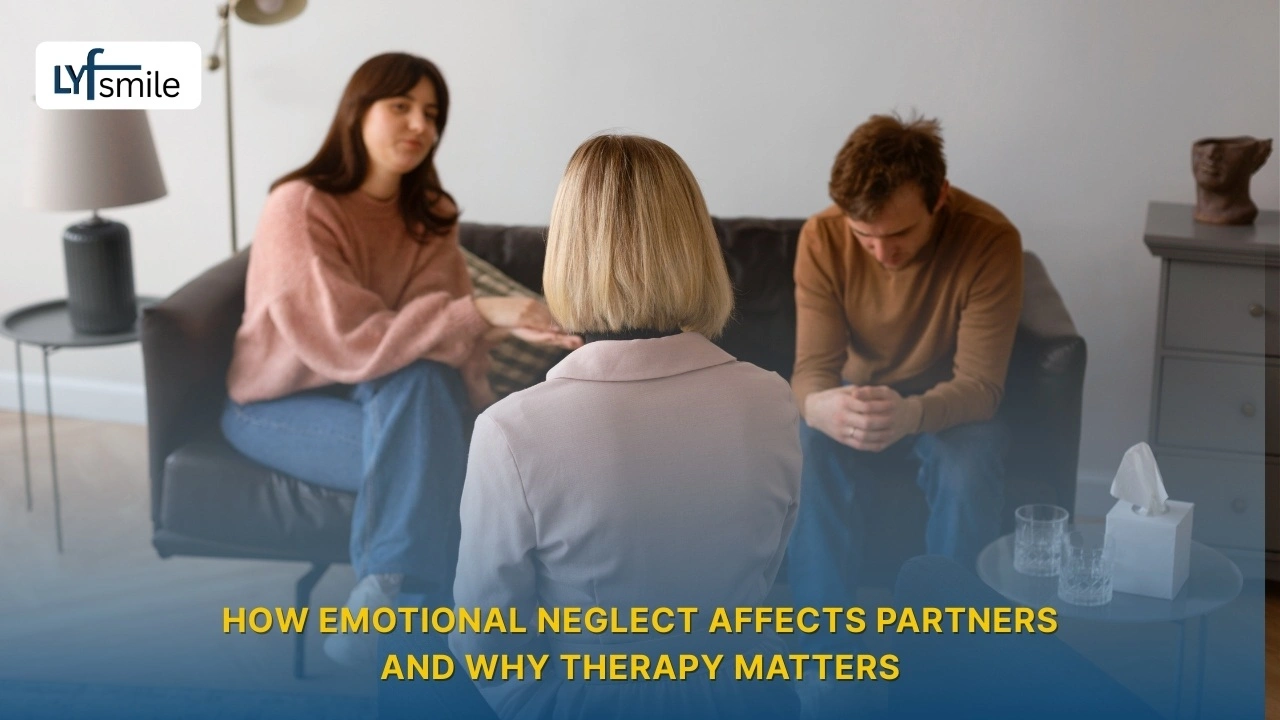 Emotional neglect in a marriage can be just as painful as more visible conflicts. When one partner’s feelings are repeatedly overlooked or dismissed, the relationship may begin to feel lonely, unsafe, and emotionally exhausting. Over time, this lack of emotional care can deeply affect both partners, one feeling unseen and unheard, and the other often unaware of the damage being caused. This is where therapy for emotional neglect in marriage becomes important, helping couples understand the impact of neglect and learn healthier ways to reconnect.
At Lyfsmile, therapists work closely with couples to identify patterns of emotional neglect and create a safe space where both partners can express their feelings without fear of judgment.
Ways emotional neglect affects partners:
Ongoing lack of emotional support
Marriage is meant to be a source of comfort and emotional safety. When emotional support is consistently absent, one partner may feel isolated even while sharing the same home. This ongoing absence of care slowly weakens the emotional bond. Lyfsmile counselors help couples recognize unmet emotional needs and rebuild support within the relationship.Need for emotional validation
In such situations, marriage counseling for emotional validation becomes especially important. Therapy helps partners feel seen, heard, and understood in a safe environment where emotions are acknowledged rather than dismissed. Through guided conversations, couples learn to respond with empathy and rebuild emotional safety.Communication breaks down further
Emotional neglect often goes hand in hand with poor communication. When attempts to share feelings are ignored or dismissed, partners may stop trying altogether. Their therapists help break this cycle by teaching healthier communication patterns and encouraging open emotional expression.Impact on mental and emotional health
Feeling emotionally neglected can lead to anxiety, sadness, low self-worth, and chronic stress. Over time, partners may begin to question their value within the relationship, affecting overall well-being. Therapy supports individuals while also strengthening the couple’s emotional connection.Loss of emotional intimacy
Without emotional closeness, the relationship may feel empty. Partners may drift apart, living more like roommates than a couple, with little shared vulnerability. LyfSmile’s couples therapy focuses on rebuilding emotional intimacy and restoring connection.Resistance to change or support
When one partner refuses to acknowledge emotional neglect or seek help, the other may feel hopeless. Therapists help couples navigate this resistance with compassion, guiding them toward understanding, accountability, and informed decisions about the future of the relationship.
Why therapy plays a vital role
Therapy offers a safe, guided space where emotional neglect can be acknowledged without blame.
Working with an experienced therapist like Mrs Tanya, couples can explore unmet emotional needs, improve communication, and rebuild emotional trust. Therapy doesn’t automatically mean saving or ending a marriage; it helps partners gain clarity, heal emotional wounds, and make informed decisions about their future.
For many couples, therapy for emotional neglect in marriage becomes the first real step toward feeling heard, valued, and emotionally connected again.
Conclusion
Emotional neglect in marriage often goes unnoticed for years, yet its impact can be deeply painful and lasting. Feeling unseen, unheard, or emotionally alone can slowly weaken even long-standing relationships. The good news is that neglect does not always mean the end; it can be a signal that something important needs attention and care. Therapy for emotional neglect in marriage offers couples a chance to understand these patterns, heal emotional wounds, and rebuild connection with empathy and clarity. With the right support, many partners find that it is possible to restore emotional safety and move forward with greater understanding and respect.
Being heard matters in every relationship.
It may be time to give your emotions the care they deserve. Book your session.
Frequently Asked Questions (FAQs)
How can you repair emotional distance in a relationship?
Emotional distance can be healed with effort and understanding. Start by improving communication, share your feelings openly, and listen without judgment. Spend quality time together, even in small moments, to rebuild intimacy. Couples therapy can also help identify the root causes and provide tools to reconnect.
What are the signs of emotional neglect in marriage?
Common signs include feeling lonely despite being married, lack of emotional support, reduced intimacy, poor communication, and feeling unseen or unheard by your partner. Over time, these patterns can create emotional distance and resentment.
Can emotional neglect in marriage be fixed?
Yes. With awareness, honest communication, and therapy for emotional neglect in marriage, many couples can rebuild emotional safety, improve understanding, and strengthen their connection.
How does emotional neglect affect mental health?
Long-term emotional neglect may contribute to anxiety, chronic stress, sadness, low self-esteem, and feelings of loneliness. Emotional disconnection can affect both individual well-being and the relationship itself.
What If Emotional and Physical Intimacy Have Declined?
Emotional neglect may sometimes occur alongside reduced physical intimacy. This does not automatically mean that a partner no longer cares; stress, unresolved conflict, communication difficulties, relationship dissatisfaction, and other factors can affect intimacy. Open communication and professional support can help couples understand what is contributing to the change.
When should couples seek therapy for emotional neglect?
Couples should consider therapy when they feel emotionally disconnected, communication has broken down, intimacy has declined, or unresolved hurt continues to affect the relationship.
Can one-sided emotional neglect damage a marriage?
Yes. When one partner consistently feels ignored or emotionally unsupported, resentment and withdrawal may develop, making the relationship increasingly difficult without intervention.
How does couples therapy help with emotional neglect?
Couples therapy provides a safe space to explore unmet emotional needs, improve communication, rebuild trust, and strengthen emotional intimacy.
How can counseling help rebuild trust and connection after emotional distance?
Counseling provides a safe space to express feelings and resolve conflicts. Therapists guide couples in improving communication, understanding each other’s needs, and rebuilding trust. Even a few sessions can help couples reconnect and develop strategies to maintain a strong, healthy relationship.