


Sarvesh Kumari
Affordable Sex Therapy for Sexual Dissatisfaction In Long-Term Relationships
Even when sex is enjoyable, many couples face challenges because it happens infrequently. Over time, this can create sexual dissatisfaction in long-term relationships, emotional distance, and frustration. Daily life, including work, children, family responsibilities, and stress, often takes priority over intimacy, leaving couples feeling disconnected.
These situations are common “sexual problems between couples”, and they don’t necessarily mean a lack of love. Often, couples still care deeply for each other but struggle with communication, routine, or unresolved conflicts that affect their connection.
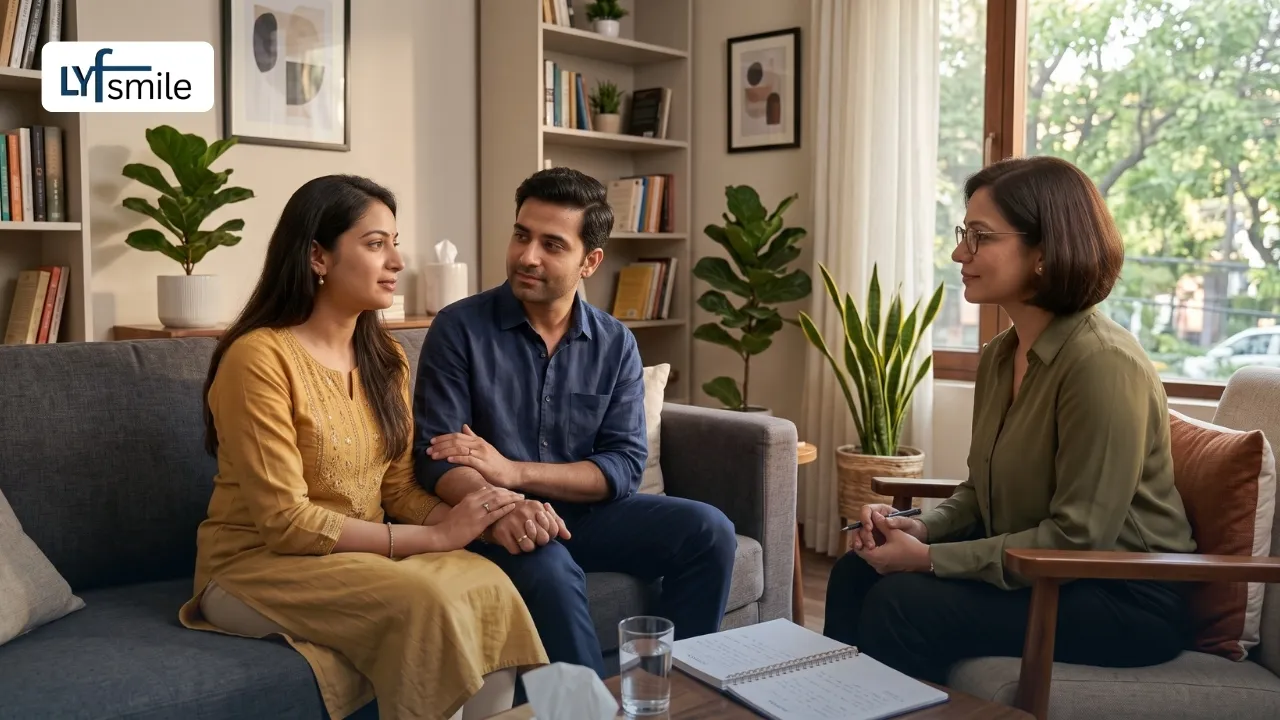
The good news is that support is available. At Lyfsmile, therapy focuses on helping couples rebuild emotional safety, improve communication, and reconnect physically without pressure or blame. Affordable sex therapy in India offers a safe and confidential space where partners can explore their concerns honestly and work toward restoring closeness, desire, and long-term intimacy.
Signs and Causes of Sexual Dissatisfaction in Marriage
Sexual dissatisfaction in long-term relationships is more common than many couples realize. Over time, intimacy after years of marriage can change due to stress, busy routines, or emotional distance. Feeling disconnected from your partner or falling into a predictable routine can lead to frustration and a loss of sexual satisfaction.
Some common factors include:
Routine and emotional distance – When life gets busy, couples may stop prioritizing quality time or physical closeness. Emotional disconnect can make sexual intimacy feel less meaningful.
Health and lifestyle changes—Chronic illness, physical changes, medication, pregnancy, or substance use can all affect sexual desire.
Stress and anxiety – Feeling overwhelmed at work or home can reduce interest in intimacy and create sexual frustration.
Mismatched sexual needs – When partners are out of sync in frequency or preferences, dissatisfaction can grow over time.
Couples often benefit from reconnecting with their partner through open communication. Sharing your feelings about sexual frustration and understanding your partner’s perspective can help rebuild emotional and physical closeness.
Professional support can also make a difference. Couples therapy for long-term intimacy, like the guidance available at Lyfsmile, helps couples explore the root causes of sexual dissatisfaction, improve communication, and rediscover connection. Therapists can provide practical strategies to break routine, rebuild emotional closeness, and revive intimacy after years of marriage.
Even for single people, sexual frustration can stem from feeling out of control in life. Developing routines, exercise, meditation, or other self-care practices can help release sexual energy and maintain balance until you’re ready to reconnect with a partner.
By recognizing the signs and causes of sexual dissatisfaction in long-term relationships, couples can take meaningful steps toward rekindling intimacy and strengthening their bond.
Distance in a relationship can be painful, but it doesn’t have to be permanent.
Take the first gentle step toward closeness and understanding today with a 15-minute free session.
The Impact of Sexual Frustration on Relationships
Sexual frustration does not stay limited to the bedroom; it slowly starts affecting emotional connection, communication, and overall relationship satisfaction. In many cases, sexual dissatisfaction in long-term relationships can lead to stress, overthinking, and a growing sense of distance between partners.
Anxiety and Constant Worry
When intimacy becomes inconsistent or uncomfortable, one or both partners may begin to feel anxious. They may worry about performance, rejection, or whether they are still attractive to their spouse. This fear often leads to avoiding physical closeness, which further reduces intimacy after years of marriage.
Low Mood and Emotional Withdrawal
Unmet physical and emotional needs can create sadness, frustration, and even hopelessness. A person may stop expressing affection, lose interest in shared activities, or become quieter in the relationship. Over time, this creates routine and emotional distance, where couples live together but feel emotionally disconnected.
Increased Stress in Daily Life
Sexual frustration can quietly increase stress levels. The constant overthinking, feeling unwanted, or dealing with unresolved tension may show up as irritability, fatigue, poor concentration, or frequent arguments. Small issues can start turning into bigger conflicts because the deeper need for connection is not being met.
Strain in the Relationship
When physical intimacy decreases, partners may misunderstand each other’s intentions. One may feel rejected while the other feels pressured. This cycle can lead to resentment. Reduced communication and less emotional availability. That’s why reconnecting with a partner through honest conversations and emotional closeness becomes so important.
Breaking the Cycle with Support
The good news is that this phase is not permanent. With the right guidance, couples can understand the root cause of their frustration and rebuild closeness. Couples therapy for long-term intimacy provides a safe space to talk openly, remove blame, and learn practical ways to bring back emotional and physical connection.
At Lyfsmile, the focus is on helping couples move from frustration and silence to understanding, comfort, and renewed intimacy so the relationship feels warm, secure, and fulfilling again.
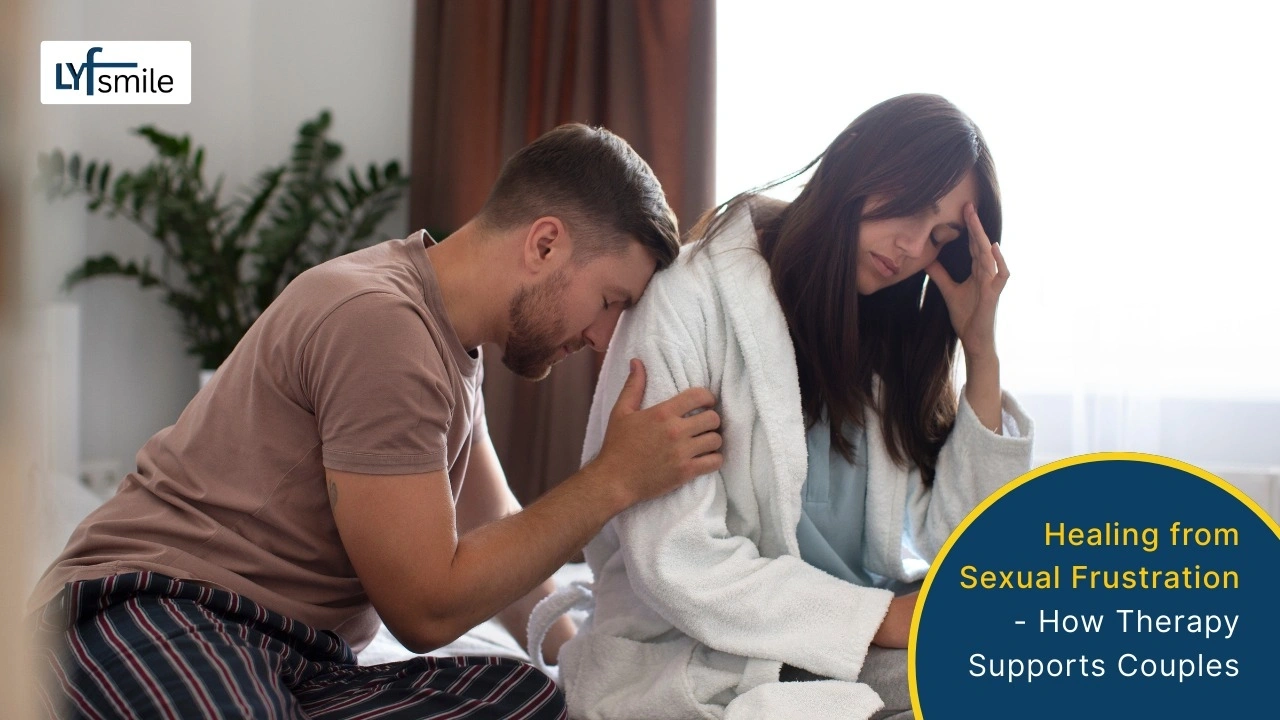 Healing from Sexual Frustration – How Therapy Supports Couples
CouplesWhen couples face ongoing intimacy concerns, they often try to handle everything on their own. But just like we consult a specialist for physical health, relationship and sexual concerns also need guidance from someone who is trained in this area. A qualified sex therapist understands the emotional, physical, and psychological sides of sexual problems between couples and offers practical ways to work through them with care and without judgment.
In many marriages, intimacy after years of marriage changes because of stress, responsibilities, health issues, or communication gaps. What starts as a small disconnect can slowly turn into routine and emotional distance. Therapy helps couples pause, understand what went wrong, and create a safe space where both partners feel heard and valued.
A trained professional brings updated knowledge, proven techniques, and a neutral perspective. Instead of blame or pressure, the focus is on understanding each other’s needs, improving communication, and reconnecting with a partner emotionally as well as physically. This process is especially helpful for couples experiencing sexual dissatisfaction in long-term relationships, where the issue is often deeper than just physical intimacy.
Through couples therapy for long-term intimacy, partners learn how to:
talk openly about their desires and concerns
break repetitive patterns that reduce closeness
Rebuild trust and emotional safety
bring back comfort and affection at their own pace
At Lyfsmile, this journey is guided with empathy and confidentiality. The therapists are trained to handle sensitive concerns around intimacy and help couples move from frustration to understanding. Whether the challenge is emotional disconnection, performance anxiety, or loss of desire, the goal is to help partners feel close again, not just physically, but emotionally too.
Healing from sexual frustration is not about “fixing” one person. It is about growing together, learning new ways to connect, and creating a relationship where both partners feel desired, respected, and secure. With the right support, long-term relationships can rediscover warmth, passion, and deep companionship.
Conclusion
Sexual dissatisfaction in long term relationships is not the end of intimacy; it is often a signal that the relationship needs attention, understanding, and care. Changes in desire, busy lifestyles, routine, and emotional distance can slowly affect connection, but they can also be worked through with the right approach. When couples focus on intimacy after years of marriage with patience and honest communication, they create space for healing and emotional closeness.
Taking small steps toward reconnecting with a partner can bring back warmth, trust, and physical comfort. And when the challenges feel too heavy to manage alone, couples' therapy for long-term intimacy provides the guidance and safe environment needed to understand each other better and rebuild satisfaction.
With compassionate support from Lyfsmile, couples can move beyond frustration, overcome sexual dissatisfaction in long-term relationships, and rediscover a relationship that feels emotionally secure, deeply connected, and fulfilling again.
Silence between two people who love each other is the hardest distance.
Start your journey back to warmth, trust, and deep connection. Book your session for your concern.📝
FAQ
1. Why do some husbands leave after many years of marriage?
Long-term emotional disconnection, unresolved conflicts, lack of communication, major life transitions, or feeling unappreciated can gradually create distance. Early support and honest conversations often help prevent this outcome.
2. Why do some partners lose interest in their marriage over time?
Routine, stress, unmet emotional needs, reduced quality time, and lack of intimacy can affect closeness. Rebuilding connection through shared experiences, appreciation, and counselling can revive the bond.
3. Do divorced individuals ever regret not working harder on their marriage?
Some do, especially if issues were never fully addressed. Reflection often highlights the importance of communication, emotional effort, and seeking help at the right time.
4. Are live-in relationships increasing because marriages are failing?
Not necessarily. Many couples choose live-in relationships for compatibility, independence, or personal preference. Relationship success depends on commitment and emotional maturity, not the format.
5. How can trust and transparency be built in a marriage without invading privacy?
Healthy relationships focus on open communication, mutual respect, and shared boundaries rather than checking each other’s personal accounts. Trust grows through honesty and consistent behaviour.
6. How can you tell if a long-distance ex-partner still has feelings for you?
Consistent communication, genuine curiosity about your life, emotional availability, and efforts to stay connected may indicate lingering feelings. Clear conversations bring real clarity.
7. Why can depersonalization feel more intense during stressful periods?
Increased stress, anxiety, lack of sleep, and emotional overwhelm can intensify these feelings. Grounding techniques and professional support are effective ways to manage and reduce symptoms.
8. How can couples reconnect emotionally after feeling rejected?
Acknowledging the hurt, expressing feelings calmly, practicing active listening, and rebuilding emotional safety step by step helps restore closeness.
9. What are healthy ways to reconnect after a conflict?
Taking a pause to cool down, offering a sincere apology, understanding each other’s perspective, and spending quality time together strengthen the relationship.
10. Is it possible to reunite successfully after a breakup?
Yes, if both partners have grown individually, resolved past issues, and are willing to create new, healthier patterns instead of repeating old ones.