


Lakshika Kaushik
Depression Counselling Online in India: 24/7 Professional Mental Health Support
Depression counselling online in India helps people receive professional mental health support from licensed psychologists without visiting a clinic. Whether you are experiencing persistent sadness, loss of interest, emotional numbness, anxiety, or difficulty managing daily life, online therapy provides confidential treatment through evidence-based approaches like CBT, supportive therapy, and behavioural interventions.
Online sessions are suitable for different types of depression, whether it is ongoing low mood, situational emotional distress, or deeper depressive patterns.
At Lyfsmile, individuals across India can access affordable online depression counselling 24/7 from experienced psychologists and RCI-licensed therapists.
What Causes Depression?
Depression is not caused by a single factor. Instead, it usually develops because of a combination of biological, psychological, and environmental influences. Understanding the causes of depression can help individuals recognise risk factors early and seek appropriate support. While everyone’s experience is different, several common factors are associated with the development of depression.
Genetics and Family History
People with a family history of depression or other mental health conditions may have a higher risk of developing depression. Genetics alone do not determine whether someone will experience depression, but inherited traits can increase vulnerability, especially when combined with stressful life events.
Brain Chemistry
The brain relies on chemical messengers called neurotransmitters, such as serotonin, dopamine, and norepinephrine, to regulate mood. An imbalance in these chemicals may contribute to symptoms of depression, including persistent sadness, loss of motivation, and difficulty experiencing pleasure.
Chronic Stress
Long-term stress from work, academics, caregiving responsibilities, or daily life can affect emotional well-being. When stress continues for an extended period without healthy coping strategies, it may increase the likelihood of developing depression.
Trauma and Difficult Life Experiences
Experiences such as childhood abuse, neglect, domestic violence, bullying, the loss of a loved one, or other traumatic events can have a lasting impact on mental health. Emotional trauma may increase the risk of depression, particularly if the experiences remain unresolved.
Relationship Problems
Ongoing conflicts with a partner, family members, or close friends can create emotional distress. Separation, divorce, loneliness, or lack of emotional support may also contribute to depressive symptoms over time.
Financial Stress
Money-related concerns, unemployment, debt, or uncertainty about the future can lead to prolonged anxiety and emotional strain. When financial pressure persists, it may significantly affect mental health and increase the risk of depression.
Medical Conditions
Some chronic health conditions are closely linked with depression. Living with illnesses such as diabetes, chronic pain, heart disease, cancer, thyroid disorders, or autoimmune diseases can affect both physical and emotional well-being, making depression more likely.
Hormonal Changes
Hormonal fluctuations can influence mood and emotional stability. Depression may occur during pregnancy, after childbirth (postpartum depression), during menopause, or due to hormonal conditions such as thyroid disorders or polycystic ovary syndrome (PCOS).
It Doesn’t Start With Depression: It Shows Up in Small Changes
Depression rarely begins with a clear label. It usually starts with subtle emotional and mental shifts that many people dismiss as stress or tiredness. The early signs and symptoms of depression may not seem serious at first, which is why they are often ignored.
Early Emotional and Behavioral Changes You May Notice
Feeling emotionally low or unusually heavy for no clear reason
Losing interest in activities that once felt meaningful
Ongoing fatigue even after proper rest
Withdrawing from conversations or social interaction
Increased self-doubt or constant negative thinking
Difficulty concentrating on routine tasks
Changes in sleep or appetite
These small changes build gradually rather than appearing suddenly. If they continue for weeks, mild low mood can slowly turn into more persistent depressive patterns. What starts as temporary emotional heaviness may develop into ongoing sadness, emotional numbness, or deeper distress over time.
Different Depressive Patterns That Can Develop Over Time
Depression does not look the same for everyone. It can develop in different ways depending on how long the emotional changes continue and how intense they become. Often, these patterns grow from ongoing emotional and behavioural changes that are ignored.
Common depressive patterns may include:
Mild low mood, where reduced motivation and emotional heaviness slowly affect daily routine
Situational depression, triggered by life events such as loss, conflict, or major changes
Persistent depressive patterns, where sadness or low energy lasts for months
Emotional numbness, where a person feels disconnected rather than openly sad
More intense depressive symptoms, marked by strong hopelessness, withdrawal, and difficulty functioning
These patterns often begin with subtle signs and symptoms of depression that gradually become more noticeable. When emotional strain continues without relief, it can shift from temporary distress into deeper depressive experiences over time.
Sometimes, before depressive patterns fully develop, individuals experience ongoing emotional heaviness, numbness, or feeling disconnected without clear reasons. In such cases, starting with “emotional support therapy online” can help address emotional exhaustion early and prevent it from turning into more persistent depressive states.
It’s time to stop carrying this alone.
Begin with a free 15-minute consultation and take the first step toward real emotional recovery.
Depression is More Common Than Many People Think
According to the World Health Organisation (WHO), depression affects more than 280 million people worldwide. In India, millions of adults and teenagers experience depression, but many delay seeking treatment because of stigma, lack of awareness, or limited access to mental health professionals.
Early counselling and therapy can significantly improve emotional well-being and help prevent symptoms from becoming severe.
When Self-Help Isn’t Enough, Counseling Helps You Recover from Depression
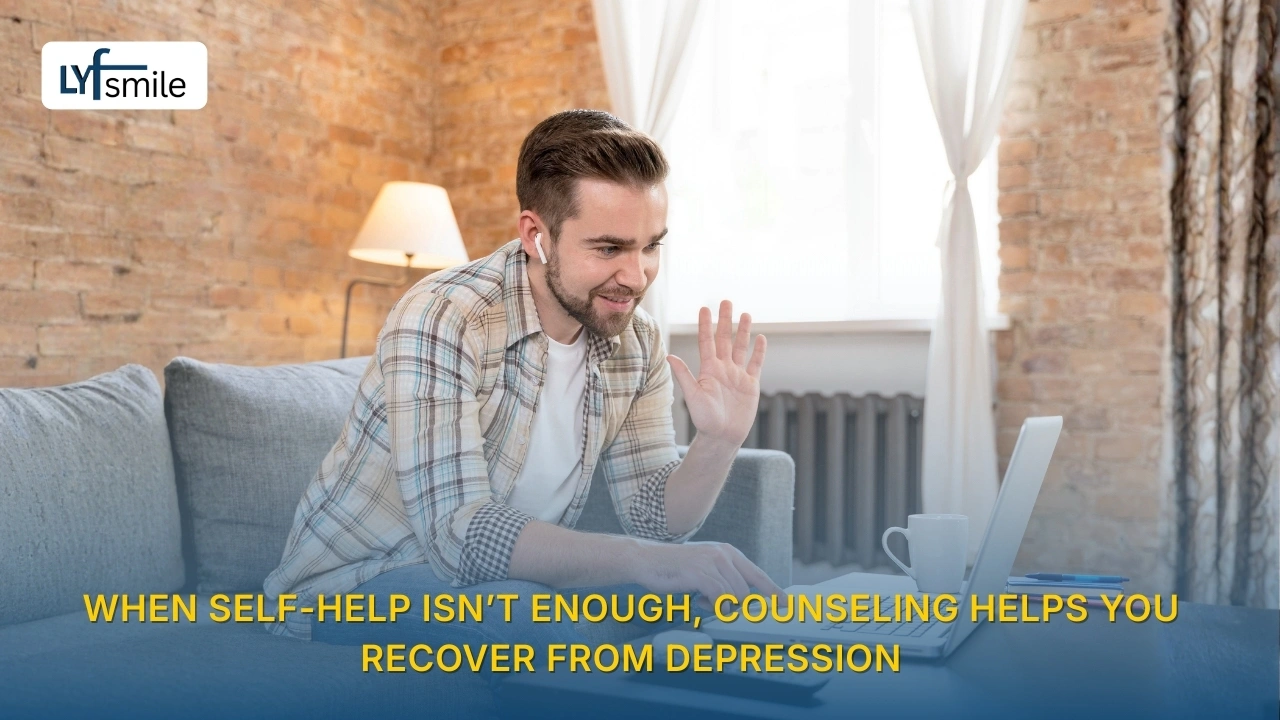 It is common to first try handling depression alone. You may attempt coping strategies for depression, such as keeping yourself busy, exercising, reading motivational content, or forcing yourself to “stay positive.” For some time, these efforts may help you function. But when emotional heaviness does not reduce, when negative thinking becomes constant, or when daily life starts feeling harder than usual, self-help may stop being effective.
This is often the stage where understanding when to seek counseling for depression becomes important. Depression rarely disappears just because you try harder. Without structured support, emotional patterns can deepen and become more difficult to manage.
How Counseling Creates Real Change
Free 24 X 7 X 365 Depression Counseling Online in India provides something self-help cannot: structure, accountability, and professional insight. Instead of temporary relief, therapy focuses on:
Understanding the root cause behind low mood
Recognising emotional and behavioral patterns
Breaking repetitive negative thinking cycles
Strengthening emotional resilience gradually
Creating realistic recovery goals
This is how online counseling helps depression in a practical way, through steady and measurable progress rather than quick fixes.
Therapy Support for Mild and Severe Depression
Depression can range from mild emotional strain to more intense distress. That is why therapy adjusts according to severity.
For mild emotional patterns, therapy works on:
Preventing symptoms from worsening
Rebuilding daily routine and motivation
Improving emotional clarity
Strengthening self-confidence
For more intense depressive states, therapy focuses on:
Reducing persistent hopelessness
Addressing deep emotional withdrawal
Rebuilding connection with daily life
Providing consistent online treatment for mild and severe depression
Therapy Approaches Used in Recovery
Licensed and RCI-licensed therapists use evidence-based methods such as:
Cognitive Behavioral Therapy (CBT)
Behavioral Activation
Supportive Psychotherapy
Emotion-Focused Therapy
Mindfulness-Based Strategies
These approaches support different types of depression treated in therapy and help individuals move toward long-term stability.
Conclusion
Depression may not begin loudly, but if ignored, it can slowly take control of your thoughts, energy, and daily life. Recognising the early signs and symptoms of depression and understanding when to seek counseling for depression can prevent emotional strain from becoming more intense. You do not have to wait until things feel unbearable.
With structured Free 24 X 7 X 365 Depression Counseling Online in India, recovery becomes practical and accessible. Licensed and RCI-licensed therapists provide confidential, step-by-step support tailored to your emotional needs, whether you are facing mild low mood or deeper distress.
Taking support is not a weakness. It is a decision to protect your emotional well-being before things get heavier than they need to be.
Depression doesn’t wait : neither should you.
Call +91 9804791047 and connect with a licensed therapist today.
FAQs
Can depression go away on its own?
Mild depression may improve over time for some people, especially if it is linked to a temporary stressful situation. However, if symptoms last for more than two weeks or begin affecting your daily life, work, relationships, or sleep, it is important to seek professional support. Early depression counselling can help prevent symptoms from becoming more severe.
Can online counselling cure depression?
Online counselling can be highly effective in treating depression, especially mild to moderate depression. Licensed psychologists use evidence-based therapies such as Cognitive Behavioral Therapy (CBT), Behavioural Activation, and supportive therapy to reduce symptoms and improve emotional well-being. The outcome depends on the severity of depression and an individual's commitment to therapy.
How many therapy sessions are needed for depression?
The number of therapy sessions varies for each person. Some individuals notice improvement within 6–12 sessions, while others with more persistent or severe depression may benefit from longer-term therapy. Your psychologist will develop a personalised treatment plan based on your symptoms and progress.
Is online depression counselling confidential?
Yes. Professional online depression counselling is completely confidential. Licensed psychologists follow strict ethical and privacy guidelines to ensure that your personal information and therapy sessions remain secure and private.
Can teenagers take depression therapy?
Yes. Teenagers experiencing persistent sadness, social withdrawal, academic stress, irritability, or changes in behaviour can benefit from depression therapy. Child and adolescent psychologists provide age-appropriate counselling to help young people understand and manage their emotions in a safe environment.
Can depression return after treatment?
Depression can sometimes return, especially during periods of high stress or major life changes. Continuing healthy coping strategies, attending follow-up sessions when needed, and recognising early warning signs can help reduce the risk of relapse and support long-term emotional wellbeing.
Can I continue working while taking depression therapy?
Yes. Most people continue their work, studies, or daily responsibilities while attending online therapy sessions. Online depression counselling offers flexible scheduling, allowing individuals to receive professional support without disrupting their routine.
Can therapy help with depression without medication?
Yes. Many people with mild to moderate depression recover through psychological therapy alone. Treatments such as Cognitive Behavioral Therapy (CBT), Behavioural Activation, and supportive counselling are effective in reducing symptoms. For severe depression, a psychiatrist may recommend medication alongside therapy if appropriate.
Which therapy is best for depression?
The most suitable therapy depends on your symptoms and individual needs. Cognitive Behavioral Therapy (CBT) is one of the most effective treatments for depression, while Behavioural Activation, Interpersonal Therapy (IPT), Emotion-Focused Therapy, and supportive counselling may also be recommended based on your condition.
How do I know if I need depression counselling?
You should consider depression counselling if you have been experiencing sadness, loss of interest, low energy, hopelessness, difficulty concentrating, sleep problems, or emotional distress for more than two weeks. A licensed psychologist can assess your symptoms and recommend the most appropriate treatment plan.