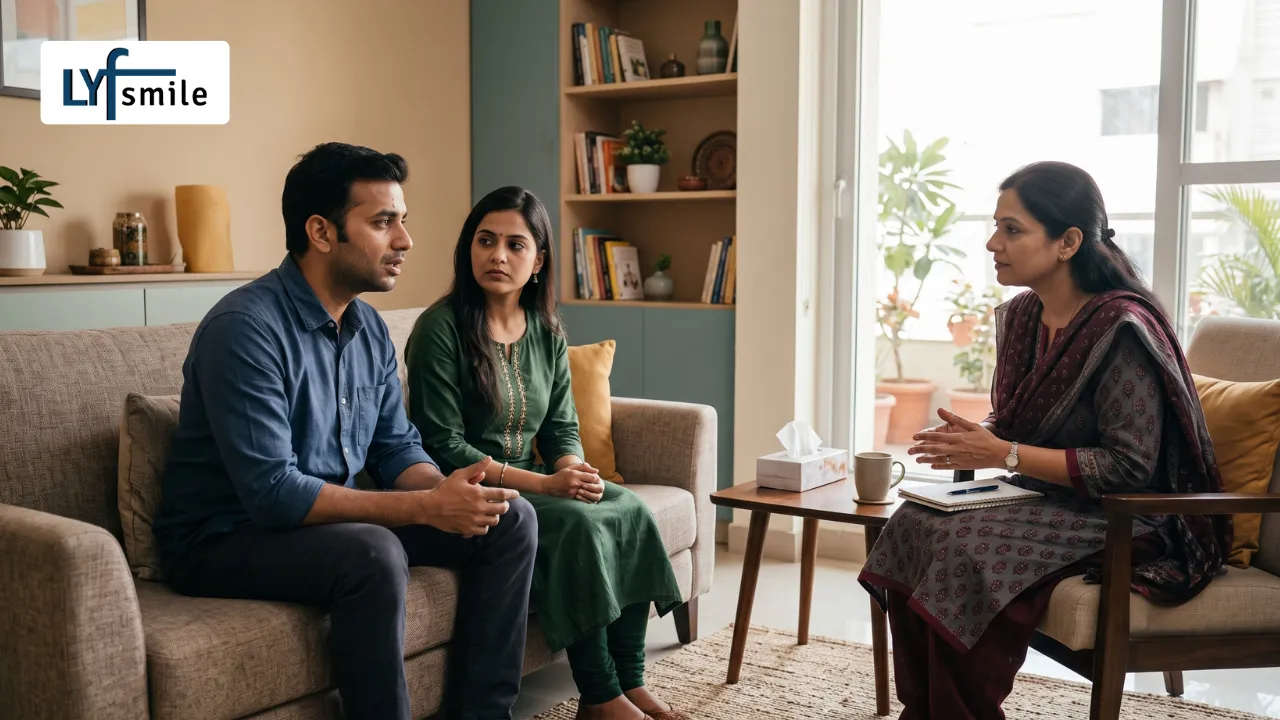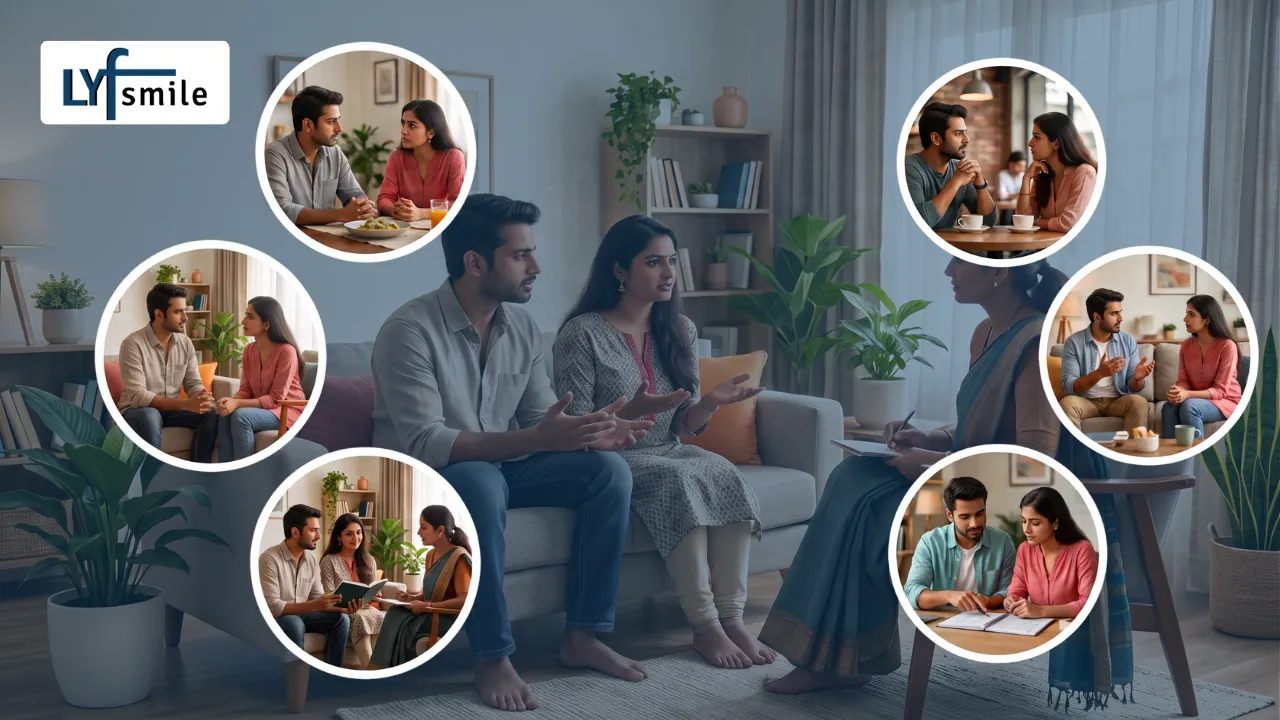
Conflict Resolution Therapy for Couples Facing Frequent Fights and Silence
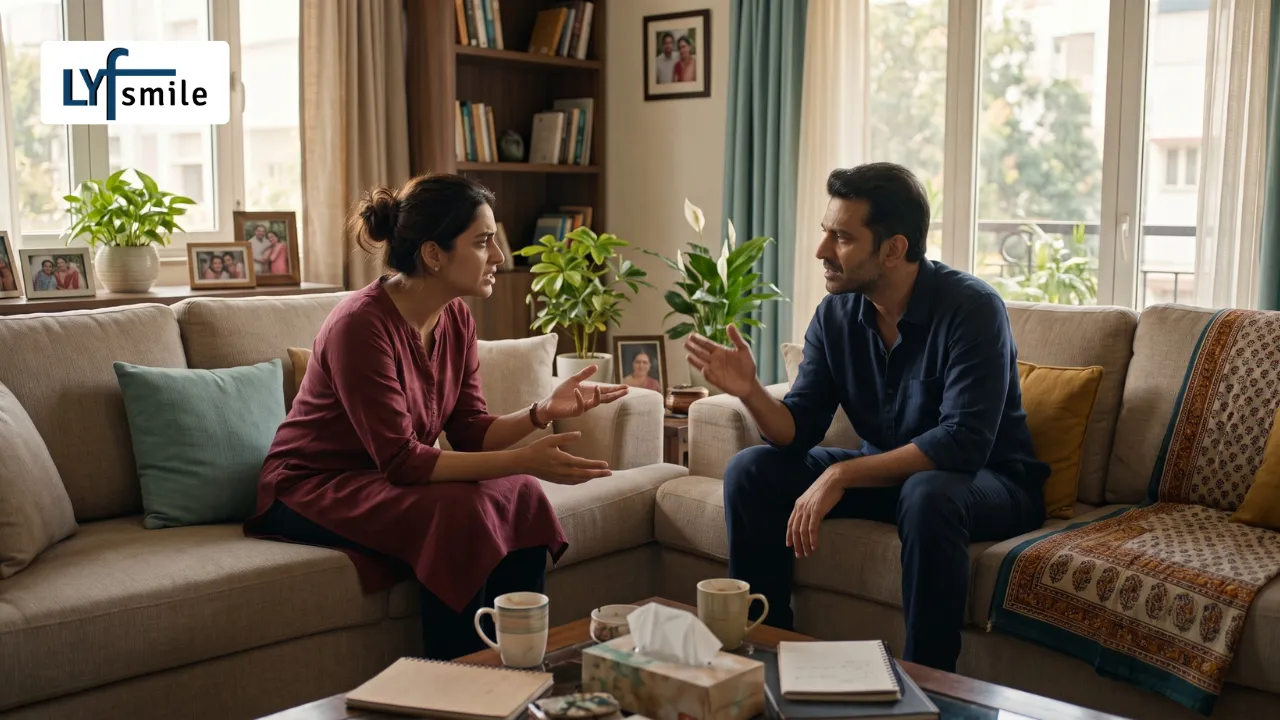
Even the healthiest relationships face challenges. Frequent fights, unresolved conflicts, and silent treatment can make couples feel disconnected, stressed, and frustrated. Conflict resolution therapy for couples helps partners understand the root of their disagreements and learn practical ways to communicate, rebuild trust, and strengthen their bond. With guided support such as the structured approach used in LyfSmile’s couples therapy sessions, partners can work through conflicts without blame or escalation.
Here are some techniques that couples often learn during therapy:
Active Listening:
Partners learn to truly hear each other without interrupting and reflect on what they understand, helping both feel heard and validated.
Emotionally Focused Approaches:
Couples are guided to recognize emotional patterns and respond with empathy rather than frustration.
Solution-Focused Problem Solving:
Therapy encourages working together on practical solutions instead of staying stuck in the problem.
Gottman-Based Techniques:
These methods help couples manage disagreements respectfully and prevent small issues from turning into major fights.
Appreciation and Gratitude Practices:
Regularly expressing appreciation strengthens emotional connection and reduces daily tension.
Understanding Love Languages:
Couples learn how each partner gives and receives love, reducing feelings of neglect or misunderstanding.
Scheduled Difficult Conversations:
Planning tough discussions calmly helps prevent arguments from escalating in the moment.
By using these techniques, conflict resolution therapy for couples helps partners break cycles of silence, handle disagreements more calmly, and rebuild a stronger, healthier relationship over time.
Strong relationships nurture both the mind and the body.
Find support and healing through marriage counseling for trust issues.
How Ongoing Conflicts Affect Your Mental and Physical Health
Marriage can be full of ups and downs, and even the strongest couples sometimes face tension and disagreements. Over time, frequent fights, unresolved conflicts, and silent treatment in a marriage don’t just affect your emotions it can also impact your physical health and overall well-being. Left unaddressed, these issues can make you feel anxious, sad, or constantly drained. This is where marriage counseling for trust issues can help couples communicate better, manage stress, and rebuild a stronger, healthier connection. Many couples seek this support through structured counseling services like those offered at LyfSmile, where both emotional and relational well-being are addressed together.
Conflicts in relationships often start from common issues that many couples face. Understanding the root causes can help prevent fights from escalating. Some of the main causes include:
Miscommunication:
When partners don’t clearly express their feelings or misunderstand each other, small issues can quickly turn into bigger arguments. Counseling helps couples slow down conversations and communicate more clearly.
Jealousy:
Insecurity or suspicion can create tension, making it difficult for couples to trust and feel secure in the relationship. Therapy provides a safe space to explore these feelings without blame.
Betrayal or Trauma:
Past betrayals, emotional trauma, or unresolved wounds can make partners more sensitive and reactive, leading to repeated arguments. With professional guidance, couples can work through these experiences at a pace that feels emotionally safe.
Expectations:
Unspoken or unrealistic expectations about each other’s behavior, roles, or responsibilities can cause disappointment and frustration. Counseling helps partners openly discuss expectations and find balance.
Problematic Behaviors:
Habits like constant criticism, avoidance, or defensiveness can fuel ongoing tension and make conflicts harder to resolve. Therapists help couples recognize these patterns and replace them with healthier responses.
Finances:
Disagreements about spending, saving, or financial priorities are a common source of stress and arguments in marriage. Therapy supports calm and practical discussions around money-related concerns.
When these issues are left unresolved, they can result in frequent fights, unresolved conflicts, and silent treatment, which don’t just affect emotions; they also impact physical health and overall well-being. Over time, constant tension can lead to stress, anxiety, depression, higher blood pressure, weakened immunity, and unhealthy lifestyle habits.
Mental Health Effects:
Increased stress and anxiety:
Constant arguments or ongoing tension keep your mind in “fight or flight” mode. You might find yourself feeling on edge, overthinking every small disagreement, or worrying about the next conflict. Over time, this stress can make it hard to sleep, concentrate, or enjoy life. Marriage counseling for trust issues helps couples learn calming techniques and healthier communication styles, something therapists at LyfSmile regularly focus on during sessions.
Higher risk of depression:
When conflicts are frequent or unresolved, couples can feel emotionally drained and lonely, even when living together. Silent treatment or constant criticism can damage self-esteem and make partners feel undervalued. Counseling helps couples recognize these painful patterns and learn ways to emotionally support each other instead.
Emotional disconnection:
Ongoing tension often leads to emotional distance. Couples may stop sharing feelings, avoid intimacy, or withdraw from each other completely. Over time, this disconnection can feel like living with a roommate rather than a life partner. Therapy helps rebuild trust and emotional closeness by creating a safe space for honest expression.
Physical Health Effects:
Higher blood pressure and heart strain:
Chronic stress from unresolved conflicts raises heart rate and blood pressure, increasing the risk of heart-related problems over time. Couples who learn conflict management skills through marriage counseling for trust issues often notice both emotional and physical relief.
Weakened immune system:
Stress hormones released during ongoing arguments can suppress the immune system, making it easier to fall sick. Counseling supports emotional regulation, which helps reduce these harmful stress responses.
Unhealthy lifestyle habits:
Constant stress can affect sleep, eating habits, and physical activity. Couples may exercise less, sleep poorly, or rely on unhealthy coping habits. Counseling encourages routines that support overall well-being for both partners.
Frequent fights, unresolved conflicts, and silent treatment may seem manageable at first, but over time, they can seriously affect your health and relationship. Conflict resolution therapy for couples, supported by experienced professionals, provides practical tools to manage disagreements, reduce stress, and build a stronger, healthier marriage.
A healthy marriage supports a healthy mind and body.
Take a step toward healing with marriage counseling for trust issues today.
Remember You’re on the Same Team, When Conflicts Arise
Conflicts are a normal part of every relationship. You didn’t marry the wrong person, and your partner is not trying to hurt you on purpose. Most frequent fights, unresolved conflicts, and silent treatment happen because emotions run high and communication breaks down, not because love is missing. When couples remember that they are on the same team, disagreements become easier to handle and less damaging.
Handling conflicts healthily can even strengthen a relationship. This is why conflict resolution therapy for couples focuses on understanding, respectful communication, and shared problem-solving rather than blame. At LyfSmile, couples are supported in learning these skills in a safe, neutral space where both partners feel heard and respected.
Pause Before Reacting:
When emotions rise, take a moment to stop and breathe before responding. Reacting in anger often leads to words that hurt and escalate the fight. A short pause can prevent regret and help both partners stay calm.
Cultivate Understanding:
Instead of assuming bad intentions, try to understand your partner’s perspective. Ask questions and listen with the goal of understanding, not proving yourself right. Many conflicts soften once both partners feel heard, something therapists gently guide couples toward during structured sessions.
Communicate With Care:
Choose your words thoughtfully. Use “I feel” statements instead of blaming language, and avoid exaggerations like “you always” or “you never.” Respectful communication reduces defensiveness and emotional distance, which is a core focus of couples counseling.
Practice Active Listening:
Listening fully without interrupting or planning a response helps your partner feel valued. When someone feels understood, they are more willing to cooperate and find solutions. Counseling sessions often help couples practice this skill in real-time conversations.
Share Responsibility:
Conflicts rarely belong to only one person. Acknowledging your own role in the disagreement encourages honesty and fairness, making it easier to move forward together.
Focus on Solutions, Not Winning:
Resolving a conflict doesn’t mean one person loses and the other wins. Work together to find a solution that feels fair to both. Sometimes, agreeing to disagree is also a healthy outcome, especially when guided by a trained therapist.
End on Connection, Not Distance:
After a disagreement, reconnect with kind words, reassurance, or affection. Ending conflicts with understanding rather than silence helps prevent emotional withdrawal and strengthens trust.
When conflicts become repetitive or turn into silence, seeking help is a wise step, not a failure. LyfSmile’s conflict resolution therapy for couples helps break unhealthy patterns, address unresolved conflicts, and rebuild communication so both partners feel supported, emotionally safe, and valued in the relationship.
How Conflict Resolution Therapy Helps Couples Break Harmful Patterns
Communication problems are at the heart of many relationship struggles. When partners feel misunderstood, small issues can turn into frequent fights, unresolved conflicts, or long periods of silent treatment. Over time, these patterns damage trust and emotional closeness. Conflict resolution therapy helps couples recognize these patterns and replace them with healthier ways of communicating and connecting. Many couples begin this process with professional guidance, such as the structured and supportive approach offered through LyfSmile’s couples counseling services, where communication is addressed with care and clarity.
A Safe and Neutral Space:
Therapy provides a calm and neutral environment where both partners can speak openly. A therapist helps guide the conversation so each person feels heard without fear of blame or judgment.
Learning Healthy Communication Skills:
Couples learn how to express their thoughts and emotions clearly and respectfully. This reduces misunderstandings and helps prevent arguments from escalating into frequent fights, especially when these skills are practiced consistently during counseling sessions.
Managing Conflict Without Escalation:
Instead of reacting with anger or silence, partners are taught practical tools to handle disagreements calmly. This helps address unresolved conflicts before they turn into long-term resentment.
Breaking Negative Relationship Patterns:
Many couples repeat the same unhealthy habits without realizing it. Therapy helps identify these patterns, such as criticism or emotional withdrawal, and teaches healthier ways to respond to something. Therapists gently work through step by step with couples.
Rebuilding Trust and Emotional Closeness:
By learning to communicate without blame and listen with empathy, couples begin to feel emotionally safe again. This reduces silent treatment and encourages openness and vulnerability.
Planning for a Stronger Future:
Therapy also helps couples work toward shared goals and a common vision for their relationship, creating a sense of teamwork and stability that supports long-term emotional health.
Through conflict resolution therapy, couples gain the tools they need to communicate better, resolve disagreements healthily, and build a more trusting and connected relationship with guidance that supports lasting change rather than temporary fixes.
Conclusion
Marriage can have a powerful impact on both mental and physical health. While a supportive and loving relationship can improve well-being, ongoing conflicts, poor communication, and emotional distance can take a serious toll over time. Frequent fights, unresolved conflicts, and silent treatment are not signs of failure but signals that a relationship needs care and attention.
The good news is that couples don’t have to face these challenges alone. With the right guidance, partners can learn healthier ways to communicate, rebuild emotional safety, and strengthen their bond. Marriage counseling for trust issues, such as the supportive approach offered through LyfSmile, helps couples understand each other better, address long-standing concerns, and move forward with honesty and respect.
When couples choose to work together and seek support, conflict can become a path to growth rather than distance. With patience, effort, and professional help, relationships can heal, trust can be restored, and a healthier, more fulfilling partnership is truly possible.
Frequently Asked Questions (FAQs)
1. How can a married couple improve their relationship if they fight over small issues?
Frequent fights over small things often point to deeper emotional needs or stress. Couples can improve their married life by identifying triggers, practicing patience, and addressing emotions calmly instead of reacting. Learning to pause, reflect, and respond thoughtfully helps reduce unnecessary conflicts.
2. How can couples resolve conflicts without escalating tension?
Conflicts stay manageable when couples focus on understanding rather than winning. Using calm language, listening without interrupting, and avoiding blame can prevent arguments from escalating. Taking short breaks during heated moments and revisiting the issue later also helps.
3. What common issues cause couples to fight even when the marriage seems fine?
Even in happy marriages, couples may fight due to stress, unmet expectations, communication gaps, financial pressure, parenting roles, or emotional fatigue. These conflicts don’t always mean something is wrong; they often mean something needs attention.
4. How do couples resolve differences without talking about every small issue?
Not every disagreement needs a discussion. Couples can choose which issues truly matter and let go of minor ones. Mutual respect, emotional maturity, and understanding each other’s boundaries help couples avoid unnecessary arguments.
5. Can a marriage survive or thrive with unresolved conflicts?
Unresolved conflicts don’t disappear; they usually resurface as resentment, distance, or emotional withdrawal. While a marriage may continue, it struggles to thrive without resolution. Addressing issues early, openly, and respectfully is key to long-term happiness.
6. How do unresolved conflicts and unspoken anxieties affect a marriage?
When concerns remain unspoken, they create emotional tension, misunderstandings, and loss of intimacy. Over time, this can lead to loneliness or frequent arguments. Open communication, emotional honesty, and professional counseling can help address these hidden issues.
7. What are healthy ways to cope with a difficult married life?
Healthy coping includes self-reflection, improving communication, setting boundaries, and seeking emotional support. Focusing on personal well-being, practicing empathy, and getting guidance from a marriage therapist can help couples navigate tough phases together.
8. As a marriage or family therapist, what should couples know before getting married?
Couples should know that love alone isn’t enough; communication, emotional support, conflict resolution, and shared values matter deeply. Disagreements are normal, but how couples handle them determines the strength of the marriage.
9. Why might someone stop feeling an emotional connection toward their spouse?
Loss of feelings can happen due to emotional neglect, unresolved conflicts, stress, or lack of intimacy. This doesn’t always mean the marriage is over. Rebuilding connection through honest conversations, quality time, and counseling can help revive emotional closeness.
10. How should couples deal with the silent treatment in marriage? Is it healthy?
The silent treatment can be emotionally damaging when used to punish or control. Healthy communication is always better than silence. Couples should address the issue calmly, express feelings clearly, and seek help if silence becomes a pattern. Open dialogue builds trust, while prolonged silence creates distance.