


Lakshika Kaushik
Top 5 Child Development Therapists in Gurgaon for Growth
Choosing a child development therapist in Gurgaon can be an important step when parents notice concerns with their child's emotional well-being, behaviour, learning or developmental progress. The right professional depends on the child's needs, the type of support required and the therapist's qualifications.
Lyfsmile features child-focused professionals with different backgrounds and areas of practice. Understanding each professional's qualifications, therapeutic approach, and experience can help parents compare options before deciding whom to consult.
We, as parents, want to see our child happy, confident, and growing well. But when a child starts struggling with emotions, learning, behaviour, or sudden changes, it can feel confusing and overwhelming. If you’re in Gurgaon and looking for the right support, experienced professionals like Mrs Tanya Sachdev, Mrs Ritika Dhall, Ms Gunjan Bhatia, Dr Shraboni Nandi are among the trusted Child Development Therapist experts who can truly make a difference.
If your child is struggling emotionally, behaviourally, or developmentally, timely intervention is essential, not optional. Whether it’s gentle emotional counselling, structured therapy, or consistent long-term support, the right experts focus on real, measurable progress, not just temporary relief. With focused child development therapy and early support, children can build resilience, emotional stability, and the skills they need to move forward with confidence and clarity.
Early Child Counselling from an experienced Child Therapist can help children overcome emotional, behavioural, and developmental challenges before they begin to affect long-term growth. Professional support also strengthens confidence, communication, and emotional well-being.
Meet Gurgaon’s Most Trusted Child Development Therapists
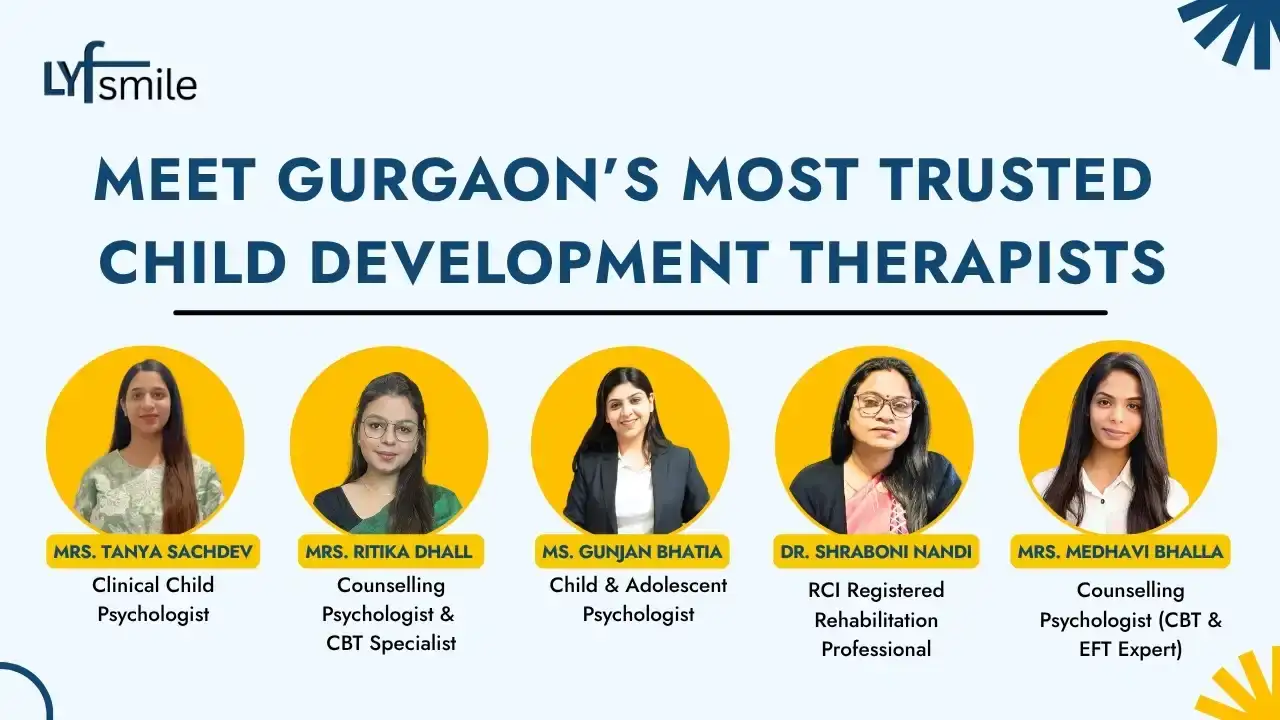 Choosing the right therapist for your child's behaviour is an important decision. The following child development professionals in Gurgaon are known for their compassionate approach, expertise, and child-centred therapy methods. Each therapist offers a unique style of support to help children feel safe, understood, and emotionally stronger.
Mrs Tanya Sachdev: Clinical Child Psychologist
Mrs Tanya Sachdev is a highly experienced Clinical Child Psychologist with over 10+ years of expertise in child mental health. She has conducted thousands of therapy sessions, supporting children across emotional and developmental challenges.
Qualification
Mrs Tanya Sachdev is a UK Cambridge-qualified Clinical Child Psychologist with advanced academic training in child psychology, emotional development, and behavioural sciences.
Specialization
Helping children manage anxiety, fears, and emotional stress
Improving confidence, self-esteem, and social skills
Supporting emotional regulation and handling mood changes
Working with children who struggle to express their feelings
Helping children cope with family changes (separation, relocation, etc.)
Strengthening parent-child bonding and emotional connection
Addressing behavioural concerns in a calm, child-friendly way
Supporting overall emotional and developmental growth
She follows a gentle, child-centric approach, making sessions feel safe, comfortable, and effective for emotionally sensitive children.
Mrs Ritika Dhall: Counselling Psychologist & CBT Specialist
Mrs Ritika Dhall is a skilled Counselling Psychologist who specialises in Cognitive Behavioural Therapy (CBT). Her approach is structured, practical, and goal-oriented, making it highly effective for school-going children facing academic or emotional challenges.
Qualification
Mrs Ritika Dhall is a Certified Counselling Psychologist with a Master’s degree in Psychology and advanced training in Cognitive Behavioural Therapy (CBT) and other evidence-based therapeutic approaches.
Specialization
Cognitive Behavioural Therapy (CBT) for structured problem-solving
Managing anxiety, overthinking, and negative thought patterns
Supporting depression, stress, and emotional challenges
Improving focus, decision-making, and emotional control
Building confidence and positive thinking skills
Family, couple, and child & teen counselling support
Mindfulness-based and client-centred therapy approaches
Mrs Ritika Dhall follows a structured, practical, and goal-oriented therapy style that helps children and individuals understand how thoughts influence emotions and behaviour. Her sessions focus on building real-life coping skills, ensuring visible progress over time. She creates a safe, non-judgmental space where clients feel comfortable expressing themselves, while also guiding parents with clear, actionable strategies for support at home.
Ms Gunjan Bhatia: Child & Adolescent Psychologist
Ms Gunjan Bhatia works with children and adolescents who find it difficult to express emotions verbally. She uses creative, activity-based, and play-supported counselling methods that help children open up naturally without pressure.
Qualification
Ms Gunjan Bhatia is a qualified Child & Adolescent Psychologist with specialised training in child development, emotional wellbeing, and expressive therapy techniques.
Specialization
Using play therapy and creative activities to help children express emotions.
Supporting introverted, shy, or withdrawn children
Helping adolescents with self-esteem and identity concerns
Improving communication and social confidence
Building emotional awareness in a safe, child-friendly way
Supporting children facing peer pressure or social challenges
Encouraging confidence through non-verbal and expressive methods
With 5+ years of experience working with children and adolescents, she follows a gentle, activity-based approach that helps children open up naturally without pressure. Her sessions are especially effective for those who struggle to express themselves verbally, supporting confidence, emotional clarity, and better social connection over time. She is a strong choice for introverted children and teenagers.
Dr Shraboni Nandi: RCI Registered Rehabilitation Professional
Dr Shraboni Nandi is an RCI Registered Rehabilitation Professional with extensive experience in handling complex emotional and developmental concerns. She takes a holistic, long-term view of a child’s emotional and psychological growth rather than focusing only on immediate symptoms.
Her sessions are especially valuable for children with persistent emotional difficulties, deep anxiety, or adjustment challenges. She also provides detailed guidance to parents, helping them understand the bigger emotional picture.
Qualification
Dr. Shraboni Nandi is an RCI Registered Rehabilitation Professional with advanced qualifications in clinical psychology and rehabilitation sciences. Her strong clinical training allows her to work with complex emotional, behavioural, and developmental concerns in children.
Specialization
Managing long-standing emotional and behavioural difficulties
Supporting children with deep anxiety, mood concerns, and emotional distress
Addressing developmental delays and adjustment challenges
Working with children facing school-related or social adaptation issues
Providing structured, long-term therapeutic support
Offering detailed guidance and counselling for parents
Focusing on holistic emotional and psychological development
With 12+ years of experience, she follows a holistic and long-term approach, focusing on the root cause of a child’s challenges rather than just symptoms. Her sessions are especially effective for children who need deeper clinical attention and consistent, expert-led support, while also helping parents understand and manage their child’s emotional needs more effectively.
If you are looking for the Best Child Psychologist or a qualified Child Therapist in India, choosing an experienced professional ensures personalised support based on each child's developmental needs.
Not Every Therapist Is the Same: Choose the Right One for Your Child
Every child has unique emotional needs, personality traits, and ways of expressing their feelings. Because of this, one therapy approach cannot suit every child. Choosing the right Child Development Therapist means understanding what kind of support your child truly needs.
While selecting a therapist, parents should consider:
Your child’s emotional needs: Some children need gentle, emotion-focused counselling, while others respond better to structured and goal-based therapy.
Your child’s comfort level: A therapist who creates a safe and calm environment helps children feel secure and open up naturally.
Type of challenges your child faces: Emotional sensitivity, anxiety, behavioural concerns, learning stress, or long-term developmental challenges may each require a different therapy approach.
Therapist’s experience and approach: Experienced therapists can adapt sessions based on the child’s pace and personality rather than following a fixed method.
Parental guidance and involvement: The right therapist also supports parents with clear explanations and practical strategies for home.
When the therapist’s approach matches a child’s emotional world, therapy becomes more effective, meaningful, and lasting.
Understanding Different Therapy Approaches for Child Growth
 Child development therapy is not the same for every child. Each child has unique emotional needs, learning abilities, and challenges. That is why therapists use different therapy approaches to support healthy development and overall well-being.
Understanding these approaches helps parents choose the right support for their child.
Common therapy approaches used in child development include:
Emotion-Focused Therapy: This approach helps children understand and safely express their emotions. It is especially helpful for children who feel emotionally sensitive, insecure, or affected by changes at home.
Cognitive Behavioural Therapy (CBT): CBT helps children recognise negative thought patterns and replace them with positive and practical thinking. It is effective for anxiety, overthinking, stress, and behavioural challenges.
Play-Based Therapy: Play-based therapy allows children to express emotions naturally through activities, games, and creative tools. It works well for younger children or those who find verbal communication difficult.
Behavioural Therapy: This approach focuses on improving attention, emotional control, routines, and social behaviour. It helps children develop positive habits and daily life skills.
Skill and Milestone-Focused Therapy: This therapy supports speech, learning abilities, motor skills, and overall development. It is useful for children who need support with developmental milestones.
Holistic and Long-Term Therapy: For children with ongoing emotional or developmental challenges, this approach focuses on long-term growth and stability, with active parent involvement.
The right therapy approach helps children feel supported, confident, and understood. When therapy is matched to a child’s needs, progress becomes more natural and lasting.
How Child Development Therapists Boost Skills and Confidence
Child development therapists play an important role in helping children grow emotionally, socially, and developmentally. Their work goes beyond addressing challenges, they focus on building strong skills that support a child’s confidence, independence, and overall well-being.
Through personalised therapy plans, child development therapists help children understand their emotions, improve communication, and develop healthy behaviours. Therapy sessions are designed to match the child’s age, personality, and comfort level, ensuring steady and positive progress.
Child development therapists support skill and growth by:
Improving communication and expression: Helping children express their thoughts, feelings, and needs more clearly at home and in social settings.
Supporting emotional regulation: Teaching children how to manage emotions like frustration, anxiety, and fear healthily.
Strengthening learning and thinking skills: Improving focus, attention, problem-solving, and academic readiness.
Enhancing social interaction: Guiding children to build confidence, empathy, and comfort in peer relationships.
Developing daily life and independence skills: Supporting routines, self-care, and age-appropriate responsibilities.
Involving parents in the process: Providing parents with practical guidance and strategies to continue supporting their child’s growth at home.
With consistent support and the right therapeutic approach, child development therapists help children reach important milestones, build resilience, and grow into confident individuals.
Taking the First Step Toward Your Child’s Developmental Support
 When a child shows signs of delayed skills, emotional difficulties, or behavioural challenges, timely support becomes important. Taking the first step early allows parents to understand their child’s needs clearly and avoid unnecessary stress later.
The journey usually begins with a structured assessment. This process helps professionals observe the child’s communication, emotional responses, learning patterns, and daily functioning. Based on these insights, a personalised support plan is created that matches the child’s age, comfort level, and specific concerns.
Why this first step is important:
Provides a clear understanding of your child’s strengths and challenges
Helps identify skill gaps or milestone delays at an early stage
Allows therapists to recommend the most suitable therapy approach
Supports parents with clear guidance and realistic expectations
Reduces the risk of challenges affecting school performance or confidence
Modern child therapy services are designed to be flexible for families. Parents can choose online therapy sessions for convenience and continuity at home, or offline clinic sessions for direct, in-person support. Both options focus on creating a safe, structured, and supportive environment for the child.
If learning difficulties are suspected, a Learning Disability Assessment can help identify underlying challenges early and guide the most appropriate therapy plan.
Making Therapy Easy for Families: Online and In-Person Options
Modern child therapy is designed to fit seamlessly into a family’s routine. Understanding that every child and parent has different needs, therapy sessions are offered in both online and in-person formats, allowing families to choose what feels most comfortable and practical.
Online therapy sessions provide flexibility and convenience. Children can attend sessions from the comfort of their home, which often helps them feel relaxed and open. This option works well for busy schedules, travel constraints, or children who feel more comfortable in familiar surroundings.
In-person therapy sessions offer direct interaction in a structured, child-friendly environment. These sessions are ideal for children who benefit from face-to-face engagement, guided activities, and hands-on support. Being physically present also helps therapists observe behaviour, communication, and responses more closely.
Why families appreciate having both options:
Freedom to choose sessions that suit the child’s comfort and routine
Consistent therapy without disruption due to travel or time limits
Smooth transition between online and in-clinic sessions when needed
Equal focus on quality, care, and personalised support in both formats
A supportive approach that keeps parents informed and involved
Whether online or in-person, each session is planned to support the child’s emotional well-being, skill building, and confidence. Offering flexible therapy options ensures that support remains accessible, effective, and stress-free for families.
Child Assessment Session for Personalised Therapy Planning
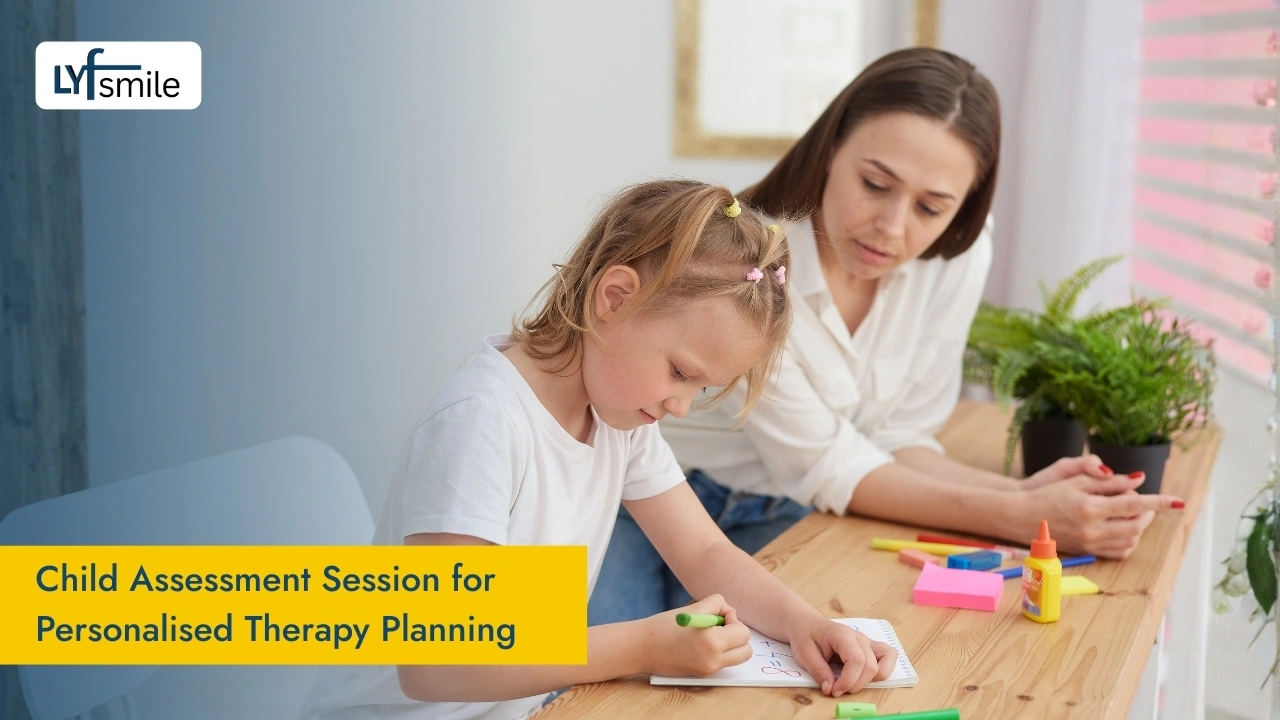 Every child has unique strengths, challenges, and ways of expressing themselves. A child assessment session helps professionals understand these individual needs before planning any therapy. This ensures that support is meaningful, targeted, and suited to the child’s comfort and stage of learning.
During this one-time assessment session (₹500), the therapist interacts with the child in a gentle and structured way while also listening carefully to parental concerns. The goal is not to label the child, but to gain clarity about what kind of support will truly help.
This assessment session focuses on:
Understanding the child’s emotional responses and behaviour patterns
Observing communication, attention, and social interaction
Identifying strengths along with areas that may need support
Recommending the most suitable therapy approach, if required
Giving parents clear guidance on next steps and expectations
The assessment can be done online or in-person, based on what suits the child and family best. Parents receive professional insight and practical direction without pressure to commit immediately.
This session helps families move forward with confidence, knowing that any therapy plan is thoughtfully designed around their child’s individual needs.
Affordable Child Counselling in Gurgaon
Lyfsmile offers affordable counselling starting at just ₹30 per minute, along with a free 15-minute consultation. Parents can use this initial consultation to discuss their child's concerns, understand the available support options, and ask about the next steps before deciding whether to begin regular sessions.
The most suitable type of support depends on the child's needs and the professional's area of practice. Parents can also confirm the session format, appointment availability and applicable fees before booking.
Conclusion
Every child’s journey is unique, and sometimes a little extra support can make a meaningful difference. Understanding your child’s needs, choosing the right therapist, and starting with a proper assessment help create a clear and supportive path forward.
With experienced child development therapists, flexible online and in-person sessions, and a personalised approach to care, parents can feel confident about taking the next step. Early guidance, consistent support, and informed decisions play an important role in helping children build skills, confidence, and emotional balance.
Along with professional therapy, consistent Child Emotional Support from parents and therapists helps children build confidence, emotional resilience, and healthy developmental skills.
Frequently Asked Questions (FAQs)
1. My child is slow in learning. Should I consult a child development therapist in Gurgaon?
Yes. If your child is learning slower than expected or struggling with basic skills, consulting a child development therapist is recommended. At Lyfsmile, therapists conduct a detailed child assessment to understand learning patterns and suggest personalised support based on the child’s needs.
2. Is there a child development therapist near DLF Phase 1?
Yes. Lyfsmile provides child development therapy support for families near DLF Phase 1, Gurgaon. Parents can choose between in-clinic sessions and online therapy, depending on what suits the child best.
3. Is therapy available for developmental delays in Sector 45, Gurgaon?
Yes. Lyfsmile offers therapy support for children with developmental delays for families in Sector 45. Sessions are available both online and in person, ensuring consistent care without location limitations.
4. Does developmental therapy help with speech delay in South City, Gurgaon?
Yes. At Lyfsmile, developmental therapy supports children with speech delay by working on communication, attention, and emotional regulation. After assessment, therapists guide parents on the most suitable therapy plan, including speech-focused support if required.
5. Where can I find treatment for a child's milestone delay near Sohna Road?
Parents near Sohna Road can access milestone support through Lyfsmile’s child therapy services. Early assessment helps identify delays and plan timely support to improve skills related to learning, communication, and behaviour.
6. Are early intervention therapists available near Palam Vihar?
Yes. Lyfsmile provides early intervention support for families near Palam Vihar. Early guidance is especially effective for young children, helping them build strong foundations at the right stage.
7. Is child development support available near Sushant Lok 3?
Yes. Families near Sushant Lok 3 can access Lyfsmile’s child development support through flexible online sessions or nearby in-clinic options, making therapy accessible and convenient.
8. Is there a development therapy centre near Golf Course Road, Gurgaon?
Yes. Lyfsmile offers child development therapy support for families around Golf Course Road. Parents can opt for in-person sessions or online consultations based on the child’s comfort.
9. Is affordable child development therapy available in Sector 52, Gurgaon?
Yes. Lyfsmile provides affordable child development therapy options for families in Sector 52, including a one-time assessment session at ₹500, helping parents get clarity before starting therapy.
10. When should parents consult a child development therapist in Gurgaon?
Parents should consult a therapist when they notice delayed skills, speech concerns, emotional difficulties, behavioural changes, or learning challenges. At Lyfsmile, early consultation helps parents understand their child’s needs and plan the right support at the right time.