

Anupam Tripathi
Social Skills Training for Kids in Gurgaon: Helping Children Build Confidence
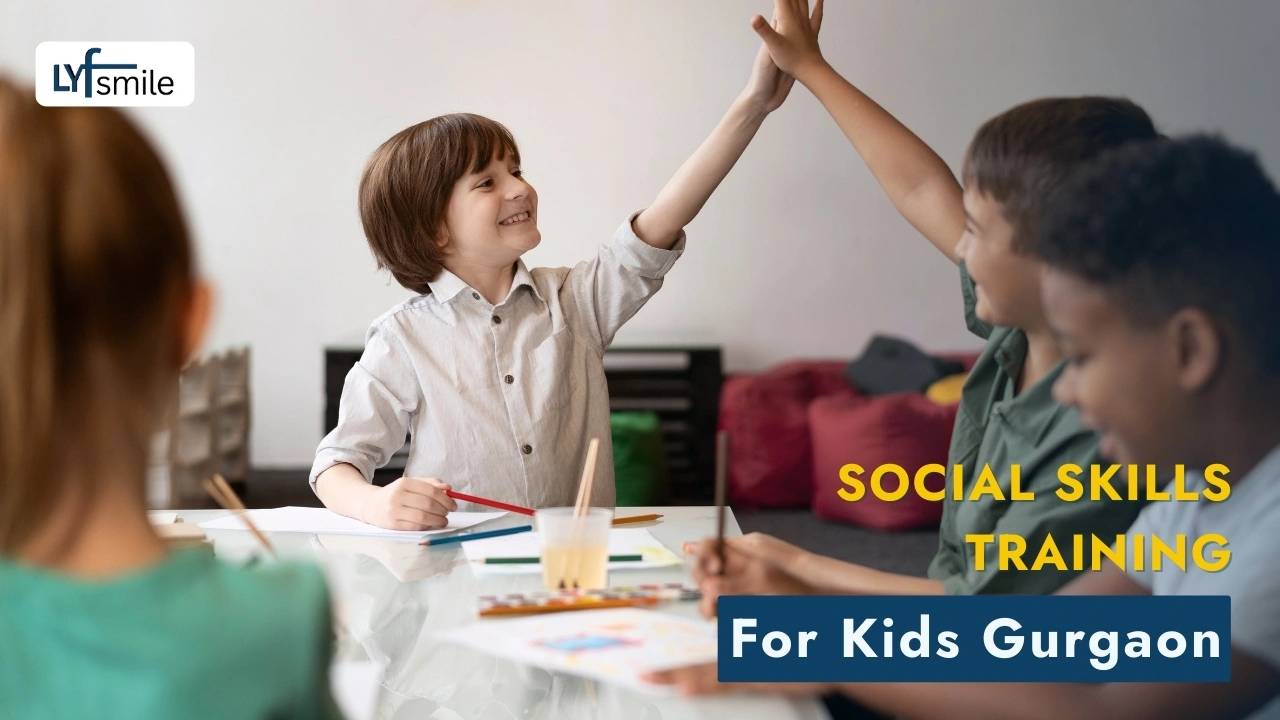
Many parents in Gurgaon look for social skills training for kids when their child struggles to make friends, communicate comfortably, or join group activities. Structured practice and individualised guidance can help children build communication skills, understand social situations, and gain confidence at their own pace.
This is where social skills training for kids Gurgaon comes in. Such structured programs aim to equip children with the ability to interact effectively, express themselves confidently, and navigate social situations with ease.
Parents searching for a Child Psychologist Near Me, Child Counseling, or a trusted Child Therapist in Gurgaon often choose structured social skills training to help children build confidence, improve communication, and develop healthy friendships.
Understanding Social Skills Training for Kids
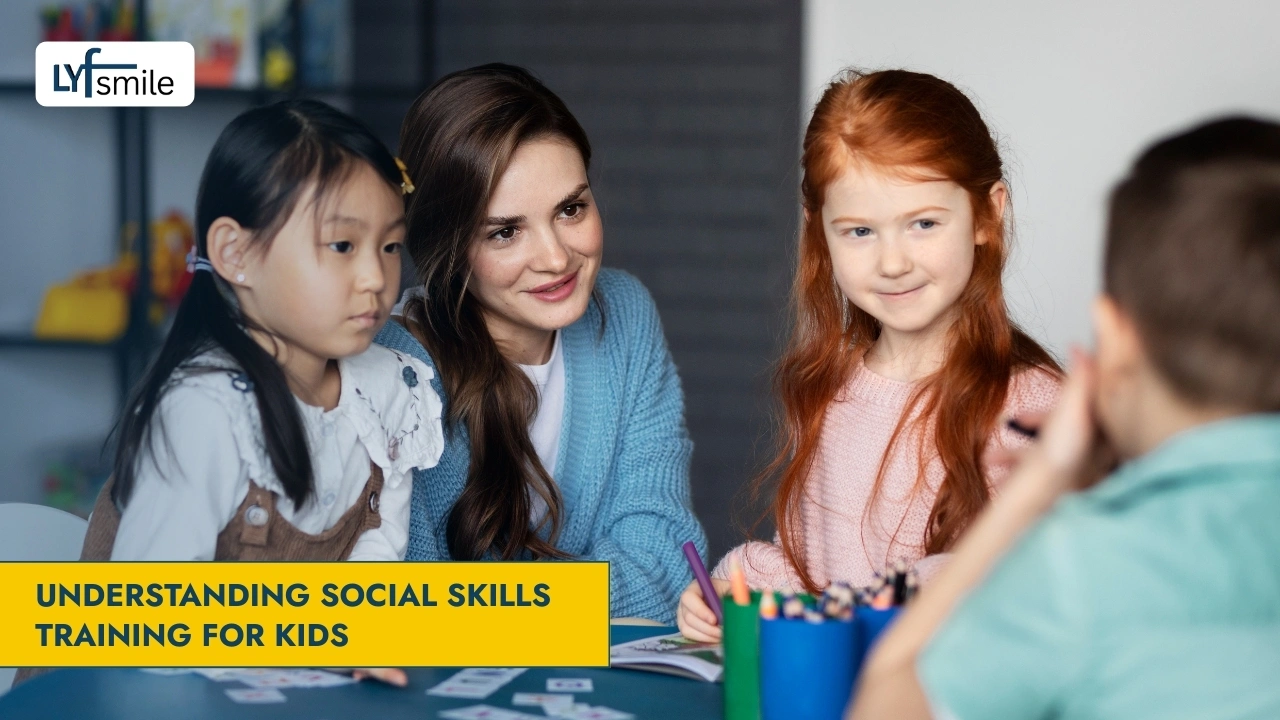 Social skills training is more than just teaching children how to say “hello” or share toys. It is a comprehensive approach designed to enhance communication, emotional intelligence, and peer interaction. Children are taught conversational techniques, confidence-building strategies, and ways to respond to various social situations. Programs often use structured activities, role-playing, and group exercises to encourage children to practice these skills in safe and supportive environments.
In Gurgaon, the urban lifestyle, digital distractions, and academic pressure mean children often get fewer opportunities to interact naturally with peers. This lack of exposure can result in shyness, anxiety, or social withdrawal, making professional guidance increasingly important. A well-designed social skills program focuses on building confidence, emotional awareness, and cooperative behavior, helping children grow socially, emotionally, and academically.
Why Are More Parents Seeking Social Skills Training for Kids in Gurgaon?
In today's fast-paced urban lifestyle, many children in Gurgaon are growing up with increased screen time, busy academic schedules, and fewer opportunities for natural social interaction. As a result, parents are becoming more concerned about issues such as shyness, difficulty making friends, poor communication, emotional outbursts, or discomfort in group settings. Children often spend more time on digital devices and structured activities, leaving limited room for free play and face-to-face interactions that are essential for developing confidence and social understanding.
This is one of the reasons why more families are seeking social skills training for kids in Gurgaon to help children improve communication, emotional awareness, and peer relationships. Parents from areas such as DLF Phase 1, DLF Phase 2, DLF Phase 3, DLF Phase 4, DLF Phase 5, Sushant Lok, South City, Golf Course Road, Sector 46, Sector 49, Sector 56, and Sector 57 frequently look for professional support when they notice their child struggling socially. Early intervention through structured social skills programs can help children build confidence, develop healthy friendships, and navigate social situations more effectively both at school and in everyday life.
Why Some Children Struggle Socially
Not all children face social challenges, but there are common patterns that parents notice. Some children may be anxious, shy, or withdrawn, while others may become overwhelmed or frustrated in group settings. Parents often see symptoms such as:
Avoiding interactions with peers
Limited eye contact
Difficulty sharing or taking turns
Aggressive or hyperactive behavior when upset
Struggling to express emotions or understand others’ feelings
These signs indicate that a child may benefit from structured guidance. Early intervention can prevent social difficulties from affecting self-esteem, academic performance, and overall well-being.
Benefits of Social Skills Training for Kids
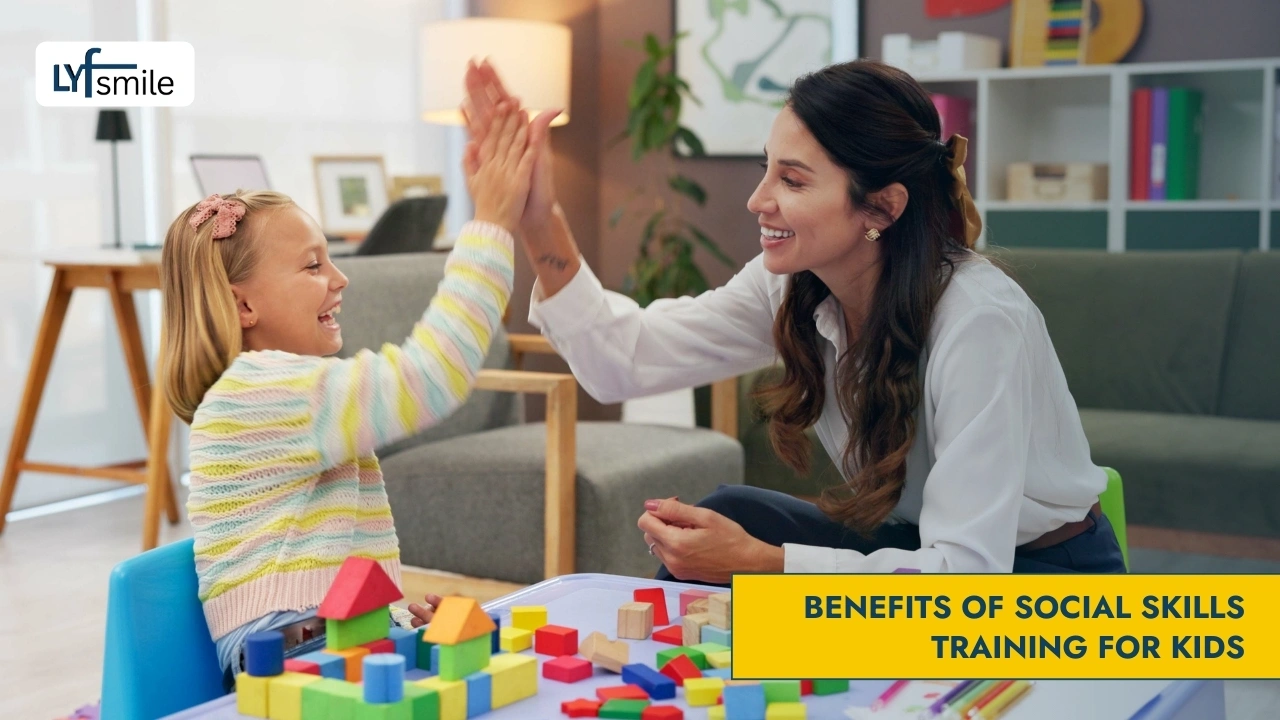
The advantages of enrolling a child in social skills training for kids Gurgaon extend far beyond making friends. Children gain:
Confidence: Regular practice in structured settings allows children to speak up, introduce themselves, and participate actively in conversations
Improved Peer Interaction: Learning how to share, cooperate, and resolve conflicts helps children form lasting friendships.
Emotional Understanding: Programs teach children to recognise, name, and manage emotions, fostering empathy and self-regulation.
Communication Skills: Structured lessons improve both verbal and non-verbal communication, ensuring children can express themselves clearly.
Behavioural Management: Children learn techniques to control impulses, manage frustration, and respond calmly in challenging situations.
Academic and Life Readiness: Strong social skills contribute to teamwork, leadership abilities, and confidence in new environments.
Through consistent practice, children gain both immediate and long-term benefits, shaping them into socially adept and emotionally resilient individuals.
Social Skills Activities Parents Can Practice at Home
Parents play an important role in helping children develop healthy social habits. These activities do not require special materials and can easily become a part of everyday family routines.
Role-Playing Activities
Role-playing helps children practice real-life situations in a safe and supportive environment. Parents can act out everyday scenarios such as introducing themselves, greeting a friend, asking for help, or handling disagreements politely. These activities teach children how to express themselves, understand social cues, and respond appropriately in different situations. Regular role-playing can significantly improve communication skills in children and boost their confidence during social interactions.
Turn-Taking Games
Games that involve taking turns teach patience, cooperation, and respect for others. Board games, card games, building blocks, or simple activities like passing a ball help children learn the importance of waiting, listening, and sharing. Such activities strengthen peer interaction skills and encourage positive social behaviour, making it easier for children to participate comfortably in group settings.
Emotion Cards and Storytelling
Emotion cards and storytelling are excellent tools for promoting emotional development in children. Parents can use pictures or stories to help children identify emotions such as happiness, sadness, anger, fear, or frustration. Discussing how characters feel and why they react in certain ways helps children understand emotions and develop empathy. Over time, this improves emotional awareness and teaches children healthier ways to express their feelings.
Playdates and Group Activities
Organizing regular playdates and group activities gives children opportunities to practice social skills in real-life situations. Activities such as art and craft sessions, team games, sports, or collaborative projects encourage sharing, cooperation, and problem-solving. Spending time with peers helps children develop friendships, improve communication, and become more confident in social environments. Consistent social interaction plays a vital role in building strong peer interaction skills and emotional resilience.
By practicing these simple activities regularly, parents can support their child's social growth and create a strong foundation for healthy communication, emotional understanding, and meaningful relationships.
What Makes a Social Skills Program Truly Effective?
Successful social skills programs incorporate a variety of evidence-based techniques. Key areas include:
Conversational Skill-Building
Children learn to start and maintain conversations, listen actively, respond appropriately, and engage in polite dialogue. This skill forms the foundation of successful peer interaction and helps children participate comfortably in both school and social settings.
Peer-Interaction Development
Group-based activities and cooperative tasks teach children how to collaborate, resolve conflicts, and understand the perspectives of others. Structured interaction encourages children to move beyond solitary play and engage positively with peers.
Confidence-Building Activities
Confidence emerges naturally when children are encouraged to express ideas, participate in group exercises, and receive positive reinforcement. Activities are designed to allow small successes, which gradually increase a child’s self-esteem and willingness to try new social situations.
Emotional Understanding in Groups
Recognising one’s own emotions and empathising with peers is a critical component of social learning. Children practice identifying feelings, understanding triggers, and responding appropriately to the emotions of others. This reduces instances of frustration, aggression, or withdrawal.
Structured Social Learning
Programs follow a systematic approach where each session builds upon the previous one. Role-playing, storytelling, group discussions, and interactive exercises ensure children learn concepts in a structured, supportive, and practical manner.
Symptoms and Remedies Parents Can Use at Home
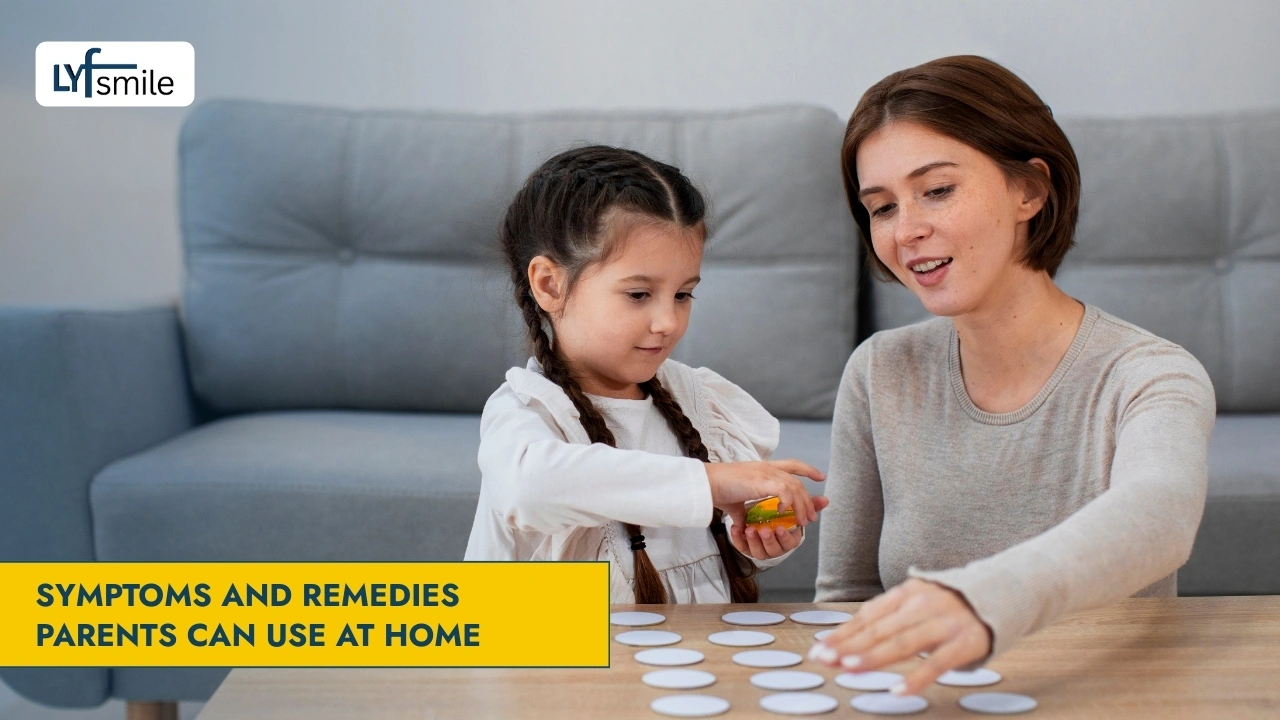 Parents can complement formal training with home-based activities. For example:
Shy or anxious children: Encourage “mirror talk” or role-play small conversations to help them practice speaking confidently.
Hyperactive or impulsive children: Introduce calm routines, timed activities, and turn-taking games to develop self-control.
Aggressive or frustrated children: Use emotional naming, problem-solving discussions, and safe expression strategies to help children regulate responses.
Sensitive or easily upset children: Storytelling, emotion charts, and gentle reassurance can strengthen coping skills.
Lonely or isolated children: Organise short playdates, collaborative games, or hobby-based group activities to foster connections.
These remedies, combined with structured programs like those offered by Lyfsmile, create a comprehensive support system for children’s social growth.
Parents’ Concerns: What They Often Say
Many parents express similar worries when considering social skills training:
“My child is too shy to interact with classmates.”
“He gets frustrated or cries easily during group activities.”
“I’m not sure if this is normal or if professional help is needed.”
“Other children tease my child, and I don’t know how to help.”
“I feel stressed and confused about what is right for my child.”
Understanding these emotions is essential for parents. Programs like social skills training for kids in Gurgaon provide clarity, reassurance, and actionable strategies to address these concerns.
Social Skills Training Fees in Gurgaon: What Parents Should Know
The cost of social skills training for children in Gurgaon can vary depending on the session format, duration, frequency, and the type of support recommended. Individual sessions and group-based activities may have different fees, so parents should confirm the available options before booking.
Lyfsmile currently lists a ₹500 assessment on this page. This assessment fee should not be assumed to cover ongoing social skills training sessions. Before starting a program, ask about the current session charges, what the assessment includes, and whether online and in-person sessions have different fees.
Parents comparing affordable social skills training in Gurgaon can also ask whether packages are available, how progress is reviewed, and whether parent guidance is included. The aim is to find suitable support with transparent pricing and goals that match the child’s needs.
How does Lyfsmile Support Social Development?
Lyfsmile’s team of child psychologists, including experts like Ms Gunjan Bhatia and Dr Shraboni Nandi, provides evidence-based social skills programs tailored to each child’s unique needs. Their methods include:
Structured group activities to practice real-life interactions
Individual sessions to build confidence and address specific concerns
Emotional awareness exercises for empathy and self-regulation
Communication strengthening tasks to enhance verbal and non-verbal skills
Lyfsmile’s programs are designed to be safe, supportive, and engaging. Children gradually gain confidence and competence in social settings, making the learning experience enjoyable and effective.
Every Child Therapist at Lyfsmile creates personalised social learning plans based on each child's communication style, confidence level, and emotional needs.
Online Social Skills Sessions
Online sessions are ideal for children who feel shy, anxious, or prefer home comfort. They offer:
Flexible scheduling
Individualized attention
Video-based modeling and feedback
Parent participation and guidance
Online learning ensures children receive consistent support while gradually building confidence in social interactions. Families who cannot visit the clinic can also access Online Child Counseling, ensuring children continue receiving emotional and social development support from home.
Offline In-Person Social Skills Training in Gurgaon
Offline sessions provide face-to-face interaction, immediate feedback, and peer-based learning. Children engage in:
Cooperative games
Storytelling circles
Collaborative projects
Social problem-solving exercises
The structured in-person environment helps children practice skills in realistic settings, reinforcing learning through direct experience.
Inside a Social Skills Training Session
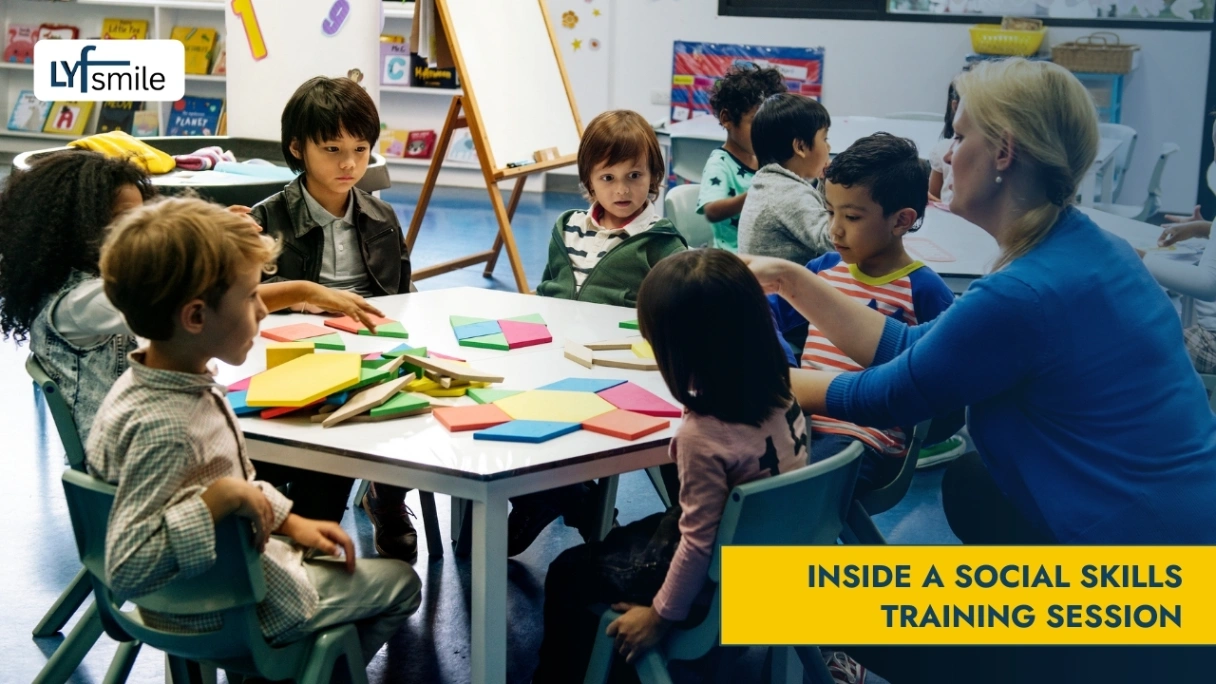 Sessions usually follow these steps:
Assessment: Psychologists evaluate the child’s strengths, challenges, and areas for improvement. Parents may schedule an assessment online through a simple “book social skills training session” option.
Goal Setting: Specific social goals are identified based on the child’s needs.
Personalised Planning: Tailored exercises, activities, and strategies are designed for each child.
Practical Activities: Role-playing, peer interaction, group games, and storytelling develop real-world social skills.
Parent Involvement: Home exercises and tips reinforce learning.
Progress Monitoring: Regular check-ins ensure ongoing growth and adaptation of strategies.
When to Seek Help
Early intervention is key. Parents should consider professional social skills training if:
Their child avoids social interactions consistently
Shows aggression or frustration in group settings
Feels isolated or struggles to make friends
Displays limited communication or emotional understanding
Is easily overwhelmed or withdrawn
Timely support helps children develop skills efficiently, preventing long-term social or emotional challenges.
Every Child Can Shine Socially!
Every child, regardless of temperament or challenges, can learn to communicate, connect, and thrive socially. With programs like the best social skills training for kids Gurgaon, children gradually gain confidence, emotional resilience, and practical interpersonal skills.
Lyfsmile's expert team, including Gunjan Bhatia and other qualified psychologists, provides both online and offline options, creating a flexible and nurturing environment for children to learn and grow. By addressing parents’ concerns, providing structured activities, and offering professional guidance, these programs ensure children are prepared to face social challenges successfully.
Your child’s journey to confidence, friendship, and emotional growth starts now. With the right guidance, support, and structured learning, every child can thrive socially, academically, and emotionally.
Get a Social Skills Assessment for Your Child (Only ₹500 at Lyfsmile)
Understanding why a child struggles socially is the first and most important step.
Before starting any social skills training, Lyfsmile conducts a detailed ₹500 assessment to identify your child’s specific challenges and strengths.
This structured assessment helps parents clearly understand:
Why your child avoids or fears interacting with other kids
Whether they are shy, anxious, overwhelmed, or confused in social settings
What emotions are they unable to express
Whether their challenges are related to confidence, communication, impulsivity, or sensory issues
How their behaviour changes in groups, new environments, or with unfamiliar children
What kind of social training program will help them the most
During this session, our child psychologist observes your child through conversation, play-based tasks, and simple role-play activities. At the end, you receive:
A clear explanation of your child’s current social skills
Behaviour observations and emotional patterns
Early signs of shyness, anxiety, impulsivity, or frustration
A personalised plan outlining the exact next steps
Recommendations for online or offline social skills sessions based on your child’s comfort level
This ₹500 assessment ensures you don’t guess your child’s struggles
Parents searching for:
Social skills assessment Gurgaon
Child behaviour assessment Gurgaon
Child interaction assessment near me
Behavioural assessment for kids in Gurgaon
Social communication evaluation for children
Social skills therapist near me
Parents searching for Child Therapy Near Me or a Child Psychologist can begin with this assessment to better understand their child's emotional and social development needs.
Frequently Asked Questions
My child struggles to make friends who can help in Gurgaon.
Structured programs like social skills training for kids in Gurgaon and child psychologists can help children build friendships, improve communication, and develop emotional resilience.
Does social skills training help shy or socially anxious kids?
Yes. Social skills programs create a safe environment where children gradually practice conversations, group interactions, and confidence‑building exercises.
How can I help my child feel more confident in school?
Confidence grows with consistent practice, positive reinforcement, and social exercises like role-playing, group activities, and guided peer interactions.
What activities improve peer interaction for kids?
Games, storytelling, turn-taking exercises, collaborative tasks, and small group projects help children learn cooperation, empathy, and listening skills.
My child avoids group activities. What should I do?
Gradual exposure to group settings, one-on-one social coaching, and structured social skills sessions can reduce anxiety and make group participation comfortable.
How can parents support emotional understanding at home?
Parents can use emotion charts, storytelling, reflective discussions, and calm-down routines to help children recognise, name, and regulate their emotions.
Are online social skills sessions effective for children?
Yes. Online sessions allow shy or home-based children to practice social skills comfortably, with personalised guidance from trained child psychologists.
Where can I find social skills training for kids near me in Gurgaon?
Parents across DLF Phase, South City, Sushant Lok, Golf Course Road, Sector 46, and Sector 57 often look for structured programs that help children improve communication and confidence.
Can social skills training help children with ADHD or autism?
Yes. Structured programs help children improve emotional regulation, communication, confidence, and peer interaction.