

Anupam Tripathi
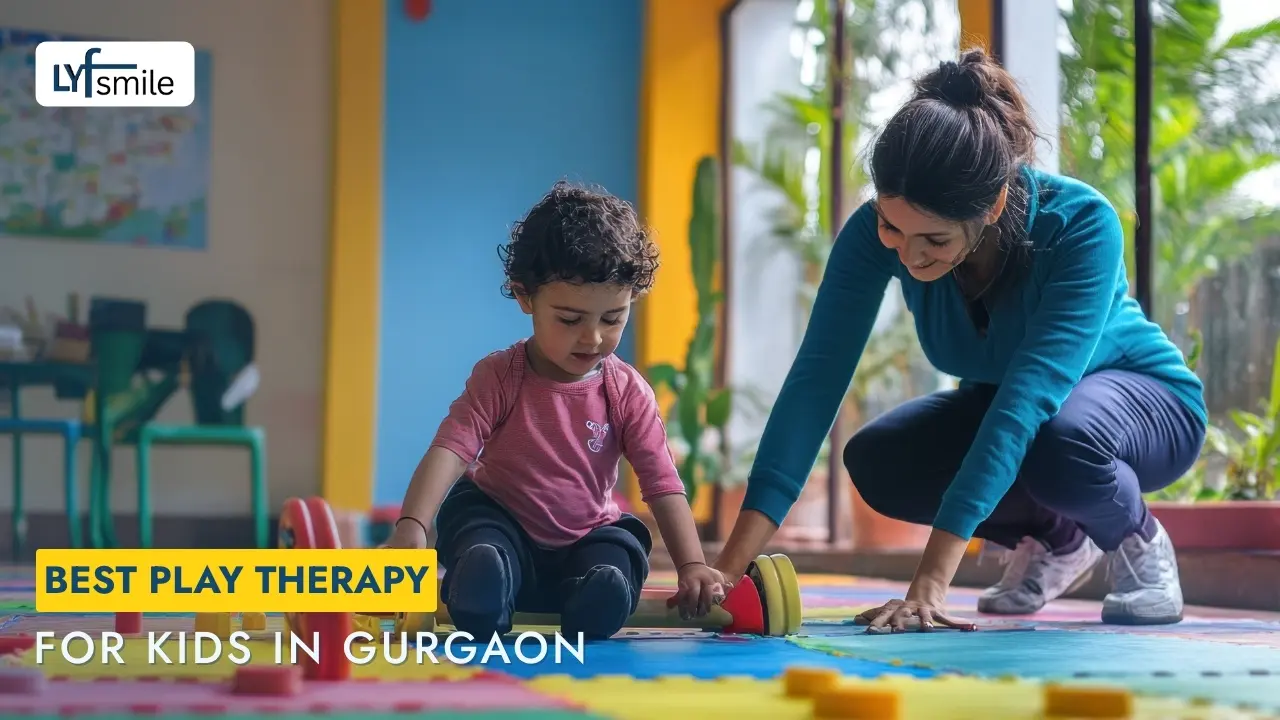
Best Play Therapy for Kids in Gurgaon
Every parent wants their child to feel confident, calm, and emotionally stable. But in today’s fast-paced environment, kids face pressures that previous generations never experienced. Academic expectations, overstimulation, competition, social comparison, screen exposure, and even the behavior standards set in school all add up, often leaving children overwhelmed without having the words to express what’s going on inside.
This is exactly where play therapy for kids in Gurgaon becomes deeply valuable. Unlike adults, children cannot sit and talk about their feelings. They express their emotions through actions, toys, stories, roleplay, art, and imagination. Play becomes their language. And a trained therapist becomes their translator.
Parents searching for a Child Psychologist Near Me, Child Counseling, or a trusted Child Therapist in Gurgaon often choose play therapy because it allows children to express emotions naturally while receiving professional psychological support.
Why Anxious, Stressed, or Shy Children Need Play Therapy
 To a parent, play might look simple: a child using toys, drawing, or pretending. But to a trained child psychologist in Gurgaon, play is a doorway into a child’s inner life.
Every choice the child makes, every story they create, every character they adopt, and every symbol they use tells a story about what they feel.
The first thing therapists do is create a non-judgmental environment. Kids are not asked, “Why did you do this?” Instead, they are allowed to express themselves freely. Many children who struggle with nonverbal communication find comfort because they don’t have to explain everything with words.
During the process, therapists observe emotional patterns, fears, triggers, and hidden stress. Through therapeutic storytelling for kids, children express complicated thoughts in a simple, natural way. For instance, a child might narrate a story about a “small bird afraid to go to school,” which is often symbolic of their own struggle.
This symbolic play counselling helps children identify emotions without shame or pressure. Kids who were confused about how they feel suddenly understand:
“This is fear.”
“This is anger.”
“This is sadness.”
“This is a worry.”
One of the strongest parts of this approach is child-led emotional healing. Instead of adults directing the child, the child leads the session. The therapist provides tools, toys, art supplies, and safe guidance, but the child decides how the session goes. This empowers them and strengthens emotional independence.
Parents also play a key role. Lyfsmile psychologists regularly guide parents on what changes to make at home, routines, communication style, behaviour expectations, and emotional responses. Parents often realise that simple adjustments create big improvements.
Play therapy is also extremely effective because it is not confrontational. Kids don’t feel like they are in “treatment.” They feel like they are exploring, creating, imagining, and expressing. And in the process, they release emotional pressure that they’ve been holding silently.
Whether it’s anxiety, anger issues, attention problems, school stress, behavior struggles, sibling jealousy, or social fears, play therapy for kids in Gurgaon gives children a safe method to process and heal at their own pace.
Who Can Benefit from Play Therapy for Kids in Gurgaon?
Play therapy is one of the most effective forms of Child Mental Health Counseling, helping children understand emotions, improve behaviour, and build emotional resilience.
Emotional Challenges
Children experiencing persistent worries or fears may also benefit from Child Anxiety Therapy, which is often integrated with play-based interventions depending on their individual needs.
Behavioural Difficulties
Play therapy is commonly recommended for children dealing with:
Tantrums
Aggression
Anger issues
Hyperactivity
Attention difficulties
Many parents looking for child behaviour therapy in Gurgaon or a child behavioural therapist in Gurgaon choose play-based interventions because they are gentle, child-friendly, and highly effective.
School-Related Concerns
Play therapy can help children struggling with:
Poor concentration
School refusal
Academic stress
Social anxiety
Bullying experiences
Play-based child counselling in Gurgaon helps children develop confidence, emotional regulation, and healthy coping skills.
Family and Social Changes
Children dealing with sibling jealousy, separation anxiety, relocation stress, or difficulty making friends may also benefit from play therapy sessions in Gurgaon.
Is Your Child Showing These Behaviours? How Play Therapy Can Help
 Parents often underestimate emotional struggles because children appear “too small” to have problems. But kids feel everything deeply, pressure, fear, confusion, comparison, loneliness, and insecurity; they just don’t verbalise it.
Some clear signs that a child may need support include:
1. Behaviour changes
Sudden aggression
Withdrawal
Irritability
Over-dependency
Easily overwhelmed
Emotional shutdown
2. School-related stress
If teachers repeatedly complain, it is usually not about discipline—it is emotional communication. When a teacher says, “He doesn’t focus,” the underlying cause might be:
Fear of failure
Low confidence
Sensory overload
Social anxiety
Internal anxiety
Learning stress
A child cannot explain this through words. But through emotional expression through play, they reveal the truth without pressure.
3. Difficulty making friends
Some kids avoid social situations, while others desperately try to fit in and get hurt emotionally. Play therapy gently teaches social connection, communication, and emotional boundaries.
4. Sleep, appetite, or routine changes
Unexplained habits like nail-biting, fidgeting, waking up scared, stomach aches, or refusing school often have emotional roots.
5. Over-attachment to screens
Many children use screens to avoid real feelings. Therapists help replace digital escape with healthier outlets. Play therapy also acts as an early form of child trauma therapy, helping kids safely express fears and emotional pain.
Why Parents in Gurgaon Choose Lyfsmile for Help
 Lyfsmile child psychologists are specially trained to decode emotions through play, gestures, stories, drawings, and symbolic behaviour. Parents appreciate that therapists don’t force the child to talk; they allow the child to express naturally.
In modern parenting, early support is not a weakness; it is emotional protection. Just like you would not ignore a physical injury, emotional injuries also need timely care. With structured guidance, children bounce back quickly, develop confidence, and learn to manage feelings healthily.
Families looking for the Best Child Psychologist in Gurgaon choose Lyfsmile because of its evidence-based therapy, experienced specialists, and child-friendly therapeutic approach.
What Happens in a Play Therapy Session?
A typical session feels warm, playful, and safe, not clinical or intimidating. The therapist creates a space filled with miniature toys, puppets, roleplay figures, sand trays, art tools, blocks, and storybooks.
Step 1: Building safety
The therapist first focuses on connection. Kids open up only when they feel respected, not judged. Many parents are surprised by how quickly children bond with Lyfsmile therapists.
Step 2: Observational play
Kids choose toys on their own. Their choices tell a story. A child choosing a superhero may be craving power, a child choosing a baby doll may be seeking comfort, and a child choosing a school setup may be feeling pressure.
Step 3: Therapeutic storytelling
Using puppets, figures, or drawings, kids create stories. These stories reveal hidden fears, timelines, and emotional events. The therapeutic storytelling for kids method helps children express what they can’t verbalize.
Step 4: Symbolic play
Here, deeper emotions show up. Children may recreate real-life situations through play—bullying, academic stress, angry moments at home, sibling rivalry, fear of teachers, or unresolved sadness. Symbolic play counselling helps the psychologist decode these themes and gently guide healing.
Step 5: Emotional regulation
Kids learn techniques like
Calming breaths
Grounding activities
Safe words for overwhelming emotions
Expression through drawing
Identifying emotions in the body
Step 6: Parent guidance
After sessions, parents receive detailed insights on how to support the child—with communication tips, environment adjustments, praise methods, discipline guidance, and emotional bonding activities.
Why This Works
Children heal when they feel understood. Adults need conversation; children need play.
This is why play therapy for kids in Gurgaon is one of the most effective and scientifically supported forms of child counselling today.
Age-Wise Play Therapy Support for Children (4–14 Years)
Children express emotions differently at every developmental stage. Therefore, Play Therapy for Kids in Gurgaon is customised according to a child’s age, emotional maturity, and behavioural needs.
Ages 4–6 Years
Common Signs
Separation anxiety
Tantrums
Night fears
Clinginess
Crying spells
Play Therapy Techniques
Puppet play
Storytelling
Art activities
Sensory play
Imaginative games
Outcome
Children gradually feel safer, calmer, and more emotionally secure.
Ages 7–10 Years
Common Signs
Anger outbursts
Low confidence
Anxiety
School stress
Difficulty focusing
Therapy Focus
Role-play
Emotional vocabulary building
Problem-solving activities
Confidence-building exercises
Outcome
Children become more emotionally balanced and improve their behaviour and focus.
Ages 11–14 Years
Common Signs
Overthinking
Irritability
Withdrawal
Stress
Low self-esteem
Therapy Focus
Journaling activities
Story-based interventions
Cognitive-behavioural tools
Self-esteem building exercises
Outcome
Children develop stronger emotional resilience and confidence.
Online vs Offline Play Therapy for Kids in Gurgaon
Every child is unique, and their therapy needs may differ. At Lyfsmile, parents can choose between online and offline play therapy sessions in Gurgaon based on the child’s age, comfort level, and emotional requirements.
Offline Sessions (Best for Ages 4–12)
Offline sessions are ideal for younger children because therapists can use sand trays, art activities, sensory tools, role-play, and symbolic play techniques more effectively. Children with anxiety, behavioural issues, social difficulties, and emotional challenges often benefit from in-clinic sessions.
Online Sessions (Best for Ages 8–14)
Online sessions are helpful for older children and pre-teens who feel comfortable speaking from home. These sessions are particularly useful for anxiety management, emotional coaching, stress reduction, and parent guidance.
Book a Child Assessment at Lyfsmile for Just ₹500
 If your child is showing signs of anxiety, stress, shyness, stubbornness, aggression, attention issues, sleep or appetite changes, or difficulty expressing emotions, it may be time to seek professional guidance. Early assessment can prevent long-term emotional struggles and help your child develop confidence, focus, and emotional balance.
At Lyfsmile, you can book a comprehensive child assessment for just ₹500. This session is designed to understand your child’s unique emotional and behavioral patterns and identify the areas where support is needed.
Step 1: Schedule Your Assessment
Parents often notice concerns like school struggles, sudden changes in behavior, difficulty making friends, or frequent emotional outbursts. Booking a Lyfsmile assessment is the first step toward understanding your child’s needs. In just one session, a trained therapist will evaluate your child thoroughly.
Step 2: Meet a Specialist
During the assessment, your child will meet a Lyfsmile child psychologist who specializes in nonverbal communication and emotional behavior. The therapist observes how your child responds in different situations, plays, communicates, and expresses feelings. This helps identify underlying issues that may not be obvious through words alone.
Step 3: Detailed Evaluation & Report
The therapist will provide a detailed assessment report, explaining:
Emotional and behavioral strengths and challenges
Attention and focus patterns
Anxiety or stress triggers
Social and communication skills
Areas requiring further support
This report serves as a roadmap for tailored therapy plans to help your child grow emotionally, socially, and academically.
Step 4: Plan for Therapy
Once the assessment is complete, parents can decide to continue with play therapy or other child-focused interventions at Lyfsmile. The therapist will guide you on:
Child-led healing techniques
Emotional regulation activities
Structured plans for confidence, focus, and behavioral improvement
Why Choose Lyfsmile Assessment?
Affordable & focused: Only ₹500 for a comprehensive evaluation
Expert guidance: Trained child psychologists
Safe & supportive environment: Children feel comfortable and not pressured
Actionable insights: Clear recommendations for therapy and home strategies
Early intervention helps prevent long-term emotional or behavioral patterns
Assessment is the first step to helping your child thrive. If your child struggles with focus, emotions, social connection, or confidence, a Lyfsmile assessment will pinpoint the exact areas to work on and guide you on the best next steps for therapy.
Conclusion
Play Therapy for Kids in Gurgaon provides children with a safe and supportive environment where they can express emotions, build confidence, and develop healthy coping skills. Whether a child is dealing with anxiety, behavioural challenges, school stress, or difficulty communicating feelings, early intervention can make a lifelong difference.
At Lyfsmile, experienced child psychologists in Gurgaon use evidence-based play therapy techniques to help children thrive emotionally, socially, and academically. With the right support, children learn not just to overcome challenges but to grow with confidence and resilience.
Whether you are searching for Child Therapy Near Me or the Best Child Psychologist in Gurgaon, early intervention can help children build emotional confidence and healthier coping skills.
FAQs
How much does play therapy for kids cost in Gurgaon?
The cost of play therapy for kids in Gurgaon usually ranges between ₹1,200 and ₹2,500 per session, depending on the therapist’s experience, clinic location, and session duration. Centres like Lyfsmile may offer package options for long-term support, which can reduce the per-session price. Parents often choose weekly sessions for the best results.
Does Play Therapy Help Children with ADHD?
Yes. Play therapy can help children with ADHD improve focus, emotional regulation, impulse control, and social interaction. Many parents seeking child behaviour therapy in Gurgaon choose play-based interventions because they are engaging and age-appropriate.
Can Play Therapy Improve Concentration and School Performance?
Yes. By reducing anxiety and strengthening emotional regulation, play therapy often helps children become more focused, confident, and comfortable in school.
Which Is the Best Play Therapy Centre in Gurgaon?
Parents searching for the best play therapy centre in Gurgaon usually look for experienced child psychologists, personalised treatment plans, and parent guidance. Lyfsmile provides structured play therapy sessions in Gurgaon for children aged 4–14 years.
How Many Play Therapy Sessions Does a Child Need?
Although every child is different, many children start showing positive changes within 4–6 sessions. More complex emotional or behavioural concerns may require longer-term support.
How does play therapy work for shy or introverted children?
Shy children open up faster when they don’t feel pressured to talk. Through gentle activities like drawing, pretend play, and symbolic storytelling, therapists slowly build trust. A child-led pace ensures the child feels safe, seen, and respected.
What’s the best therapy for kids who bottle up emotions in Gurgaon?
For kids who suppress feelings, play therapy for kids in Gurgaon is highly effective because children communicate naturally through play. It uncovers hidden fears, frustration, sadness, and confusion, without forcing children to “talk like adults.”
Does play therapy help children with separation anxiety?
Yes. Therapists use techniques like roleplay, soothing rituals, and emotional rehearsal (like practising “goodbyes”) to reduce panic and fear. Parents also get guidance on routines, attachment bonding, and confidence-building.
How long does play therapy take to show improvement?
Most children show early positive changes within 4–6 sessions. However, every child’s emotional world is different; deeper concerns may take 8–12 sessions. A good therapist updates parents regularly so progress feels visible and hopeful.
Is play therapy suitable for aggressive or impulsive kids?
Absolutely. Play therapy teaches emotional regulation, impulse control, and frustration management. Activities like sand trays, movement games, and art help children release emotions safely instead of through aggression.