

Sarvesh Kumari
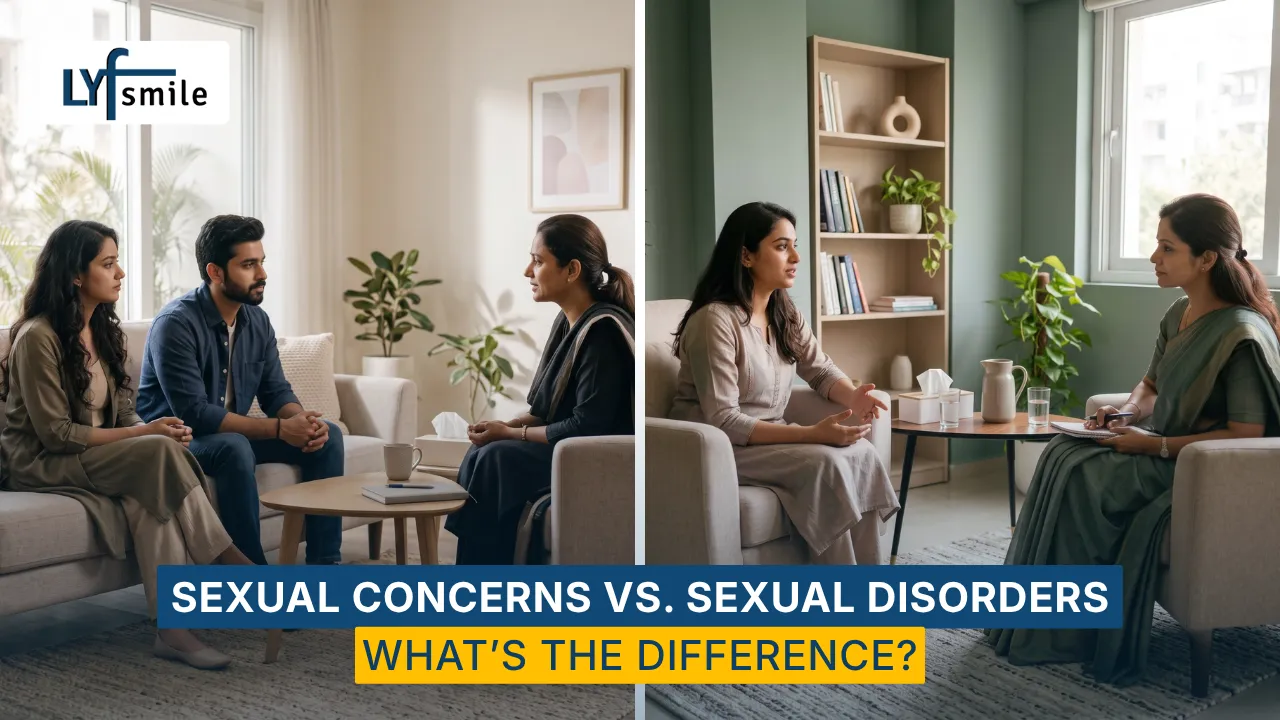
Sexual Concerns vs. Sexual Disorders: What’s the Difference?
Sexual concerns are difficulties, questions, or changes related to sexual health, intimacy, desire, arousal, orgasm, sexual comfort, or satisfaction. They can be temporary and may occur because of stress, relationship changes, anxiety, medication, or other life circumstances. A sexual disorder, on the other hand, generally involves a persistent or recurring difficulty with sexual functioning that causes significant personal distress or affects a relationship.
Common sexual concerns may include changes in sexual desire, difficulty with arousal, concerns about orgasm, pain during sex, performance anxiety, or differences in sexual needs between partners. These experiences do not automatically mean that a person has a sexual disorder.
Sexual disorders or sexual dysfunctions can involve ongoing difficulties with desire, arousal, orgasm, ejaculation, erection, or sexual pain. The underlying causes may be psychological, physical, hormonal, medication-related, or connected to relationship and emotional factors.
The difference is therefore not simply whether a sexual difficulty happens, but how persistent it is, what may be causing it, and how much distress or disruption it creates. Understanding these differences can help a person decide whether they may benefit from medical evaluation, psychological support, sex therapy, or relationship counselling.
Confused about whether your intimacy challenges are a concern or something deeper? A safe conversation with the right therapist can help you find clarity and support with a 15-min free session.
What Is the Difference Between a Sexual Concern and a Sexual Disorder?
A sexual concern is often a temporary difficulty related to stress, relationship changes, medication, or other life circumstances. A sexual disorder is generally more persistent and causes significant distress or affects a person's relationships or daily life. Not every sexual difficulty means that someone has a disorder, and professional assessment can help understand the underlying cause
Sexual Concern | Sexual Disorder |
May be temporary | More persistent/recurrent |
Often linked to stress or life changes | May involve multiple psychological, relationship or medical factors |
Usually causes limited distress | Can cause significant distress |
May improve when the trigger changes | May require professional assessment/treatment |
Can occur occasionally | Often repeatedly affects sexual functioning |
How do you know if it is a normal concern or a psychological disorder?
 Understanding whether a sexual difficulty is a temporary concern or a deeper psychological issue can sometimes feel confusing. Emotional, physical, and relationship factors influence sexual experiences. Recognizing certain patterns can help individuals understand when a concern is common and when it may require deeper attention.
Temporary Relationship or Life Stress
A sexual concern is a temporary, situational challenge with desire, intimacy, or physical response. It is often triggered by identifiable factors and tends to improve on its own or with minor lifestyle adjustments.
Common examples of normal sexual problems in marriage and daily life include:
• Reduced low sexual desire during high-stress work periods
• Intimacy changes after childbirth or major surgery
• Performance anxiety before or during sex
• Mismatched desire between partners during life transitions
• Temporary difficulty with arousal due to fatigue or medication
• Feeling emotionally disconnected after conflict with a partner
These are sexual concerns not disorders. They are human, common, and often manageable with open communication, rest, and sometimes brief counselling.
Emotional Fear or Anxiety Around Intimacy
Some sexual difficulties are linked to emotional fear or anxiety about intimacy. Past experiences, negative beliefs about sex, or relationship conflicts can make physical closeness uncomfortable. In certain situations, emotional distress may contribute to conditions such as Psychological Sexual Pain Disorder, where fear or psychological tension can lead to discomfort or pain during intimacy. Addressing emotional safety and trust often becomes an important part of improving sexual well-being.
Changes in Sexual Arousal or Desire
Sexual response can also change because of emotional stress, medication, hormonal changes, or relationship challenges. Some individuals may want intimacy but still struggle to feel physically or emotionally aroused. Conditions like female sexual arousal disorder may develop when a person finds it difficult to experience excitement or physical readiness for intimacy, even though the desire for connection may still be present.
Duration and Impact on Daily Life
One important way to distinguish a temporary concern from a disorder is by looking at how long the problem lasts and how much it affects emotional well-being or relationships. If the difficulty persists for an extended period and begins to create stress, frustration, or distance between partners, it may indicate that the concern needs deeper understanding and support.
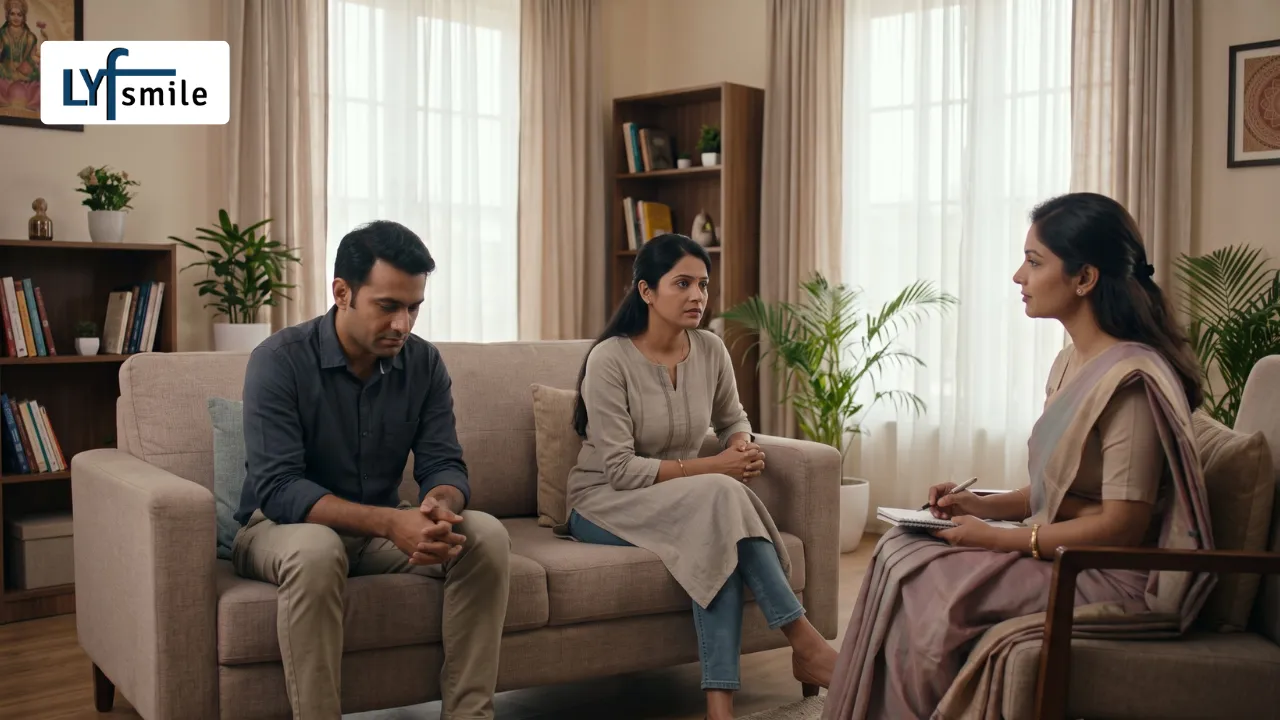
Talking about intimate concerns can feel uncomfortable, especially for individuals who come from cultures where such topics are rarely discussed openly. However, professional counseling can provide clarity and support. Experienced therapists at Lyfsmile help individuals and couples understand the emotional and psychological factors affecting their intimacy and guide them toward healthier communication, confidence, and relationship satisfaction.
What Causes Sexual Concerns and Disorders?
 Psychological factors
anxiety
depression
stress
performance anxiety
body-image concerns
past trauma
Relationship factors
communication problems
unresolved conflict
emotional distance
mismatched sexual desire
Physical/medical factors
hormonal changes
medication side effects
chronic health conditions
pain during sex
Online Support for Indians and NRIs
 Sexual concerns can sometimes feel difficult to discuss, especially when you are living away from family, dealing with relationship challenges, or simply prefer a private space to talk. Online psychological support can make it easier for Indians and NRIs to discuss concerns related to intimacy, sexual anxiety, communication, emotional connection, or changes in sexual desire from the comfort of their own space.
For NRIs, online sessions can also provide support in a familiar cultural context, even when finding a suitable therapist who understands Indian family dynamics and relationship expectations feels difficult. Sessions can focus on understanding the emotional or psychological factors behind a concern, improving communication with a partner, and developing healthier ways to cope with anxiety or relationship stress.
If a sexual concern is persistent, distressing, painful, or may have a physical cause, psychological support can be complemented by an appropriate medical evaluation. A therapist can help you understand when additional professional care may be useful.
Whether you are in India or living abroad, online counselling can offer a private and accessible way to seek support without having to discuss personal concerns in an unfamiliar setting.
Sessions at Lyfsmile are fully online, confidential, and available globally. Mrs. Ritika Dhall, Senior Counselling Psychologist and CBT for sexual dysfunction specialist, brings years of experience helping individuals and couples address intimacy challenges rooted in anxiety, trauma, and emotional disconnect.
Can Sexual Problems Have a Physical Cause?
Yes. Sexual difficulties can sometimes be related to medications, hormonal changes, chronic health conditions, pain or other physical factors. Psychological and physical factors can also occur together. If symptoms are persistent, painful or concerning, a qualified healthcare professional can help determine whether medical evaluation is appropriate
Conclusion
Understanding sexual concerns vs sexual disorders is the first step toward reclaiming your intimate life and emotional well-being. Not every difficulty is a disorder and not every disorder is a life sentence.
Many normal sexual problems in marriage resolve with time, communication, and awareness. But when difficulties persist, cause distress, or begin affecting your relationship, online sex therapy for Indians and NRIs can provide the clarity, tools, and support you need.
Sexual health and mental health are deeply connected. Reaching out is not a sign of weakness, it is a sign of care for yourself and your relationship.
At Lyfsmile, you will find a safe, confidential space to talk with therapists who understand where you come from and who are committed to helping you move forward.
Frequently Asked Questions
How do I know if I have a sexual concern or a sexual disorder?
If the difficulty is recent, tied to stress or a life event, and causes mild frustration, it is likely a sexual concern. If it has persisted for 3–6+ months, causes significant distress, and affects your relationship, it may be a sexual disorder worth exploring with a therapist.
Is low libido always a sign of a sexual disorder?
Not always. Low sexual desire is one of the most common normal sexual problems in marriage and can stem from fatigue, hormonal shifts, or emotional disconnection. It becomes a disorder when it is persistent, distressing, and unrelated to any identifiable cause.
Can I find an Indian therapist who understands my cultural background?
Yes. Lyfsmile's therapists are trained to work with Indian individuals and NRIs they understand the cultural stigma around discussing sexual health and mental health and provide a judgment-free, culturally informed space.
Is online sex therapy effective for something this personal?
Absolutely. Research consistently supports online sex therapy as equally effective as in-person sessions. The privacy of attending from home often makes it easier for individuals especially NRIs to open up.
What happens in a sex therapy session at Lyfsmile?
Sessions begin with a safe, open conversation about your concerns. Therapists use CBT for sexual dysfunction, psychoeducation, and guided exercises tailored to your situation no clinical pressure, no performance expectations.
How do I bring up sexual concerns with my partner?
Starting with 'I've been feeling disconnected lately and want us to understand each other better' is often easier than directly naming a sexual concern. A therapist can also help couples have this conversation together safely.
Can anxiety and depression cause sexual disorders?
Yes. Sexual health and mental health are closely linked. Depression reduces desire; anxiety interferes with arousal. Treating the underlying mental health condition through psychosexual therapy often improves sexual well-being significantly.
What Does “Sexual Concerns” Mean?
Sexual concerns refer to difficulties, questions or changes related to sexual desire, arousal, orgasm, intimacy, sexual comfort or satisfaction. These concerns can happen temporarily because of stress, relationship changes, medication, health conditions or emotional factors. Having a sexual concern does not automatically mean that a person has a sexual disorder.