

Anupam Tripathi
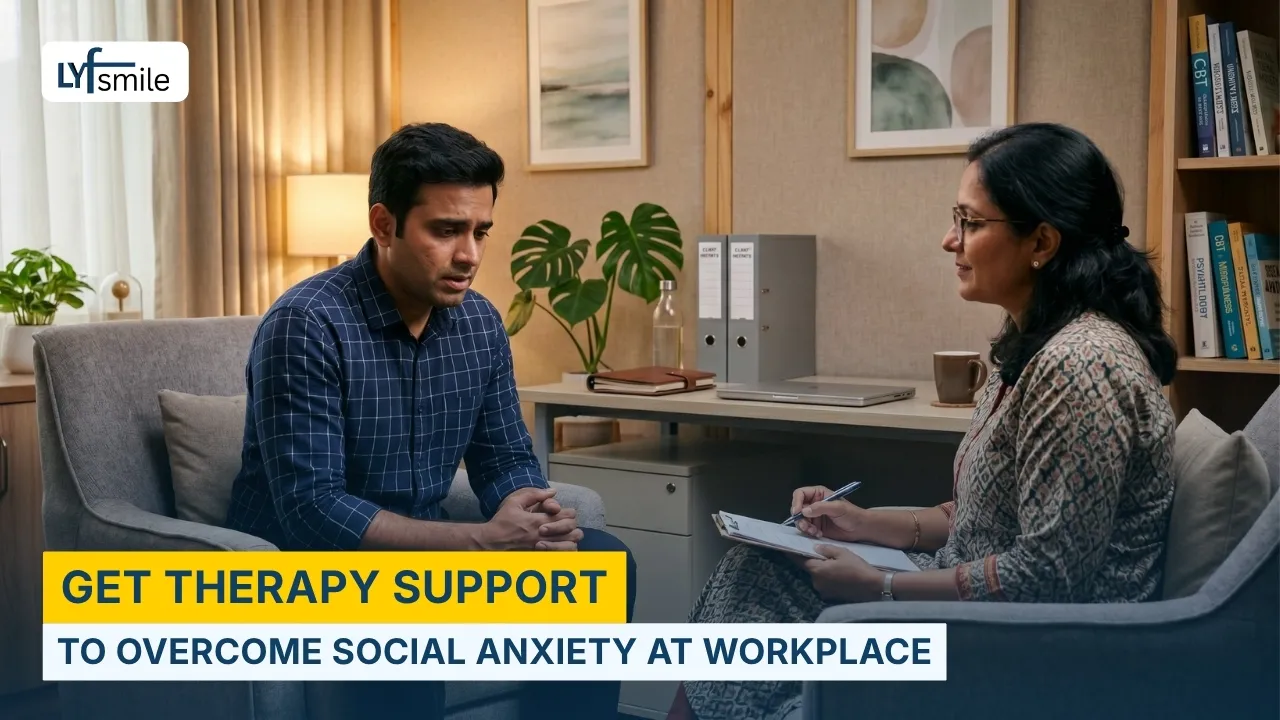
Get Therapy Support to Overcome Social Anxiety at the Workplace
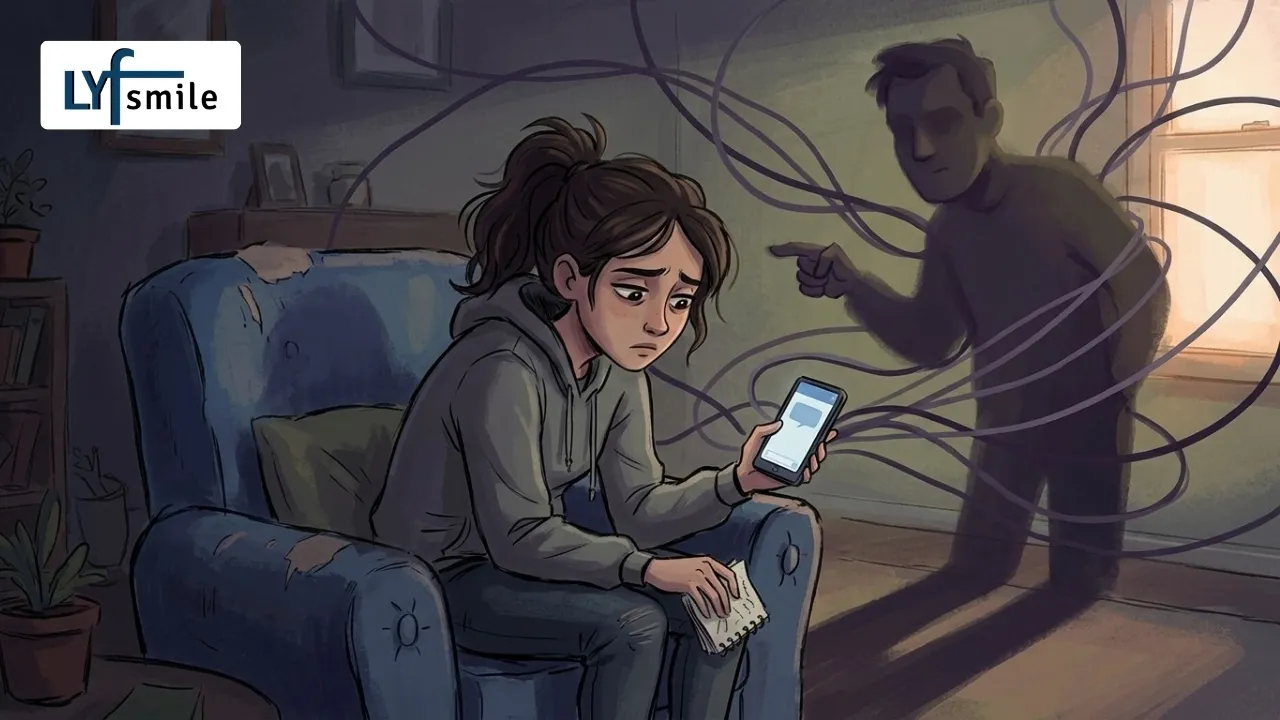
Do you find yourself avoiding meetings, hesitating to share ideas, or feeling extremely nervous when speaking with colleagues or managers? While occasional nervousness at work is normal, persistent fear of being judged, criticised, or noticed can be a sign of social anxiety at workplace.
Social anxiety can affect confidence, communication, professional growth, and overall job satisfaction. The good news is that with the right support, these challenges can be managed effectively.
At Lyfsmile, our licensed registered therapists help working professionals across India understand the root causes of social anxiety in the workplace and develop practical strategies to feel more confident in meetings, presentations, team interactions, and other workplace situations.
Book a session with an Indian licensed registered therapist today and take the first step toward showing up fully at work.
What Causes Social Anxiety at the Workplace?
Here's something many people don't realise about social anxiety in the workplace: that nervous feeling you get before speaking up in a meeting or walking into a busy office isn't just about being "shy" or lacking confidence. Social anxiety at work usually builds up over time, fueled by a mix of different things, some from your past, some from your current environment, and some from the way your brain has learned to think about situations.
So what actually causes it?
The fear of judgment is huge. You might lie awake replaying something you said in a meeting, convinced everyone noticed your mistake. The truth is, most people are too busy worrying about themselves to focus on you, but that doesn't make the fear feel any less real. Understanding the root cause is often the first step toward building greater workplace confidence.
Perfectionism plays a trick on you, too. When you set impossible standards for yourself, every little slip feels like proof that you're not good enough. It's exhausting and never actually brings the relief you're hoping for.
Past negative experiences leave marks. Maybe you were publicly called out for something at a previous job, or you felt completely unsupported during a tough time. Those memories can make you hyper-vigilant, always scanning for the next potential problem.
Low self-esteem often shows up in meetings you don't even know you're having, with yourself. That inner critic can be brutal, constantly whispering that you don't deserve your position or that you'll be found out.
Over time, these factors can contribute to workplace anxiety, professional hesitation, and avoidance of situations that require visibility or communication. While self-help strategies can be useful, many professionals benefit from working with a therapist to better understand the patterns driving their anxiety and develop healthier ways of responding to workplace challenges.
Social Anxiety vs Shyness at Work
 A lot of people think they’re just shy when, really, they’re dealing with real social anxiety at workplace. The two feel similar, but they affect your work life in very different ways.
What shyness looks like
It’s a trait. A shy person might feel a little uneasy before speaking up in a meeting or walking up to a new coworker.
It fades with familiarity. Once they get to know the team, the discomfort usually drops. Over weeks or months, they can join conversations, give updates, and take on responsibilities without major stress and workplace anxiety.
What social anxiety looks like
It’s more than nerves. Even after months on the same job, the fear of judgment, criticism, or negative evaluation stays strong.
It sticks around. A person may still feel intense anxiety before meetings, presentations, client calls, or casual hallway chats.
It can block career growth. Because the fear is so persistent, people with social anxiety often avoid presentations, leadership tasks, client‑facing roles, or discussions that could help them move ahead.
Why the distinction matters
If you find yourself regularly staying silent, overthinking every interaction, or dreading performance anxiety at work, you could be dealing with more than simple shyness. Recognising the difference is the first step toward getting the right help.
How to Manage Social Anxiety During Meetings and Presentations
One of the most common signs of social anxiety in the workplace is feeling overwhelmed during meetings, presentations, or professional discussions. The good news is that there are practical strategies that can help.
Prepare Key Talking Points
Instead of memorising every sentence, focus on preparing two or three important points you want to contribute. This helps reduce pressure while improving confidence.
Speak Early in the Meeting
Making a small contribution early in a meeting often reduces panic attacks before the meeting and makes it easier to participate throughout the discussion.
Challenge Negative Assumptions
People experiencing fear of judgment at work often assume that others are closely evaluating every mistake. In reality, most colleagues are focused on their own responsibilities rather than analysing yours.
Focus on the Conversation
Rather than monitoring yourself constantly, focus on the discussion itself. This can reduce self-consciousness and improve communication. If these challenges continue to interfere with your professional growth, CBT therapy for workplace anxiety can help identify and change the underlying thought patterns that maintain anxiety.
Why NRIs Often Experience Social Anxiety at Work
For many NRIs, workplace anxiety can feel even more intense due to the additional challenges of adapting to a new culture and professional environment.
Common concerns include:
Fear of making communication mistakes
Difficulty adjusting to workplace culture
Concerns about fitting in with colleagues
Isolation and limited social support
Anxiety during networking events and presentations
These experiences can increase work performance anxiety and affect confidence in professional interactions. Many NRIs find that working with an Indian therapist provides culturally sensitive support while helping them build confidence in their workplace communication and professional relationships.
How Therapy Helps You Overcome Social Anxiety at Workplace
Here is what most people try before therapy and why it does not work long-term.
They prepare more. They rehearse more. They tell themselves the anxiety is irrational and try to push through it. And for a little while, it helps. But the workplace fear always comes back: because none of these things addresses where it actually comes from.
Professional therapy goes to the source. It does not just manage symptoms in the moment; it changes the underlying patterns that create anxiety at work in the first place.
What Therapy at Lyfsmile Actually Looks Like:
Cognitive Behavioural Therapy (CBT) CBT is one of the most clinically proven approaches available. It helps you identify the specific thought patterns driving your fear of being evaluated at work: the assumptions you make about what colleagues think, the catastrophizing, the constant self-monitoring. Through structured sessions, you learn to challenge these thoughts and gradually replace them with more realistic, balanced ones. Over time, the automatic anxiety response weakens and confidence grows in its place.
Mindfulness-Based Techniques Mindfulness therapy teaches you to stay present during anxiety-provoking professional situations instead of getting caught in a spiral of professional apprehension. This is particularly effective for work performance anxiety and fear of speaking up at work helping you respond to situations as they actually are, rather than as your anxious mind imagines them.
Exposure-Based Strategies: Gradually and safely, therapy helps you face the situations that trigger your social anxiety at work, step by step, at your own pace. Each small success builds genuine confidence that no amount of preparation or positive thinking can replicate.
Confidence and Communication Building: Beyond managing workplace nervousness, therapy actively builds the professional confidence that has been held back, helping you assert yourself, communicate clearly, and participate fully in the spaces that matter for your career.
With Indian therapists by Lyfsmile, every session is personalised to your specific triggers, concerns, and goals, not a one-size-fits-all programme.
Meet the Therapists Helping Professionals Across India With Work-Related Anxiety
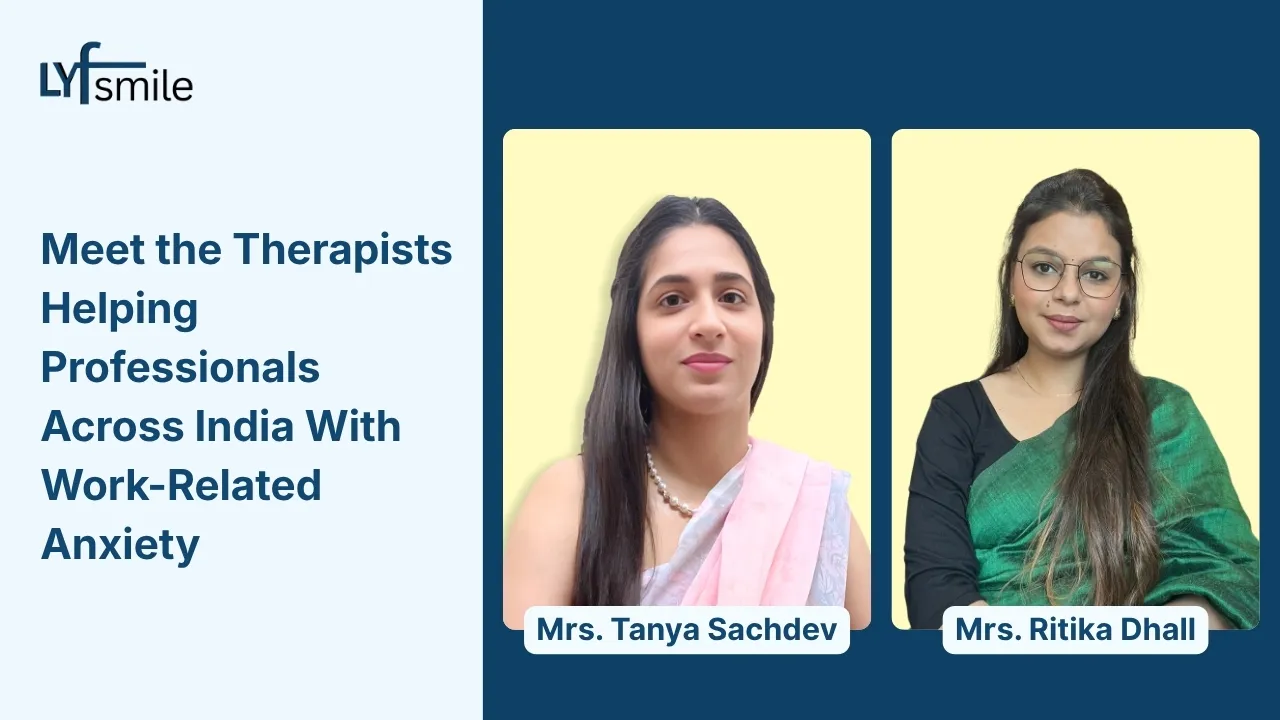 At Lyfsmile, you are supported by certified, licensed, registered therapists with years of experience working with professionals dealing with social anxiety in the workplace, professional hesitation, and work performance anxiety.
Mrs Tanya Sachdev: Holistic Family Therapist & Clinical Psychologist
Tanya works with professionals experiencing performance anxiety, stress, emotional overwhelm, and confidence challenges using CBT, mindfulness, and client-centred approaches to create lasting, practical change.
Mrs Ritika Dhall : Senior Consultant & CBT Expert
Ritika is known for her practical, solution-focused approach, helping professionals overcome fear of judgment, professional hesitation, and self-doubt at work through structured CBT techniques that deliver real results.
Both therapists offer online therapy sessions across India, flexible, confidential, and tailored entirely to you.
What Happens When Social Anxiety at Workplace Goes Untreated
This is the part that nobody talks about until it has already happened. Social anxiety at workplace does not stay the same size. Left unaddressed, it grows. Quietly. Gradually. Until one day you look at your career and realize how much ground you have given up not to a more capable colleague, but to workplace fear itself.
Opportunities go to people who speak up not because they are smarter or more qualified, but because they show up visibly in the spaces where decisions are made. You watch from the sidelines, knowing you could contribute, but unable to push past the professional apprehension that keeps holding you back.
Avoidance becomes the default. You stop attending optional meetings. You turn down projects that involve presenting.Self-doubt deepens. Every quiet moment in a meeting becomes evidence. Every unreturned message becomes a confirmation. The story your anxious mind tells about your professional worth gets louder and more convincing.
This is not inevitable. But it is what happens when social anxiety at workplace goes untreated for long enough. The earlier you get support, the less ground it takes.
Why Professionals Across India Choose Lyfsmile for Social Anxiety Therapy
Professionals from Delhi, Mumbai, Bangalore, Hyderabad, Pune, Chennai, and across India, as well as from the United States, Canada, the United Kingdom, Australia, the United Arab Emirates, Singapore, Germany, and other countries, come to Lyfsmile when they are ready to stop letting social anxiety at the workplace make their career decisions for them.
What they find:
Certified therapists - experienced specifically in social anxiety at workplace, professional social fear, and workplace confidence building
Student support - ₹10 per minute for students and unemployed individuals
Completely online - virtual counselling from the privacy of your home or office
Flexible scheduling - morning, evening, and weekend slots that fit around your work commitments
Hindi and English - speak in whichever language feels most natural and comfortable
Evidence-based approaches - CBT, mindfulness, and exposure therapy, tailored specifically to your social anxiety at workplace and professional goals
Whether you need online therapy for social anxiety at workplace in India, structured CBT for professional hesitation, or simply someone who genuinely understands what anxiety in professional settings feels like Lyfsmile is the right place to start.
When Should You Seek Professional Help for Workplace Anxiety?
Feeling a little nervous before a big presentation or important meeting? That's completely normal. Most people experience some butterflies when the stakes are high. But here's the thing, there's a difference between Persistent workplace anxiety, nervousness that's actually holding you back. If you notice certain patterns showing up again and again, it might be worth talking to someone who can help.
Signs It Might Be Time for Professional Support
Your anxiety shows up regularly. When nervous feelings start interfering with your ability to do your job consistently, not just during high-pressure moments, that's a signal that something deeper might be going on.
You've started avoiding things. Maybe you're turning down opportunities to present, having a fear of speaking up in meetings, or finding excuses not to network. When fear starts limiting what you're willing to try, it can quietly sabotage your career growth.
Physical symptoms are present. Racing heart, sweating, trembling, that knot in your stomach, these aren't just stress. They're your body's way of responding to perceived threats, and they can be exhausting to manage day after day.
It's affecting your overall life. When workplace anxiety follows you home, disrupts your sleep, or makes you dread Mondays to the point of dreading your whole week, that's not something you have to just accept.
How Lyfsmile Can Help
At Lyfsmile, we connect people with licensed therapists who understand what you're going through. Our professionals across India and worldwide specialise in helping people work through social anxiety in professional settings, whether that's speaking up in meetings, networking with confidence, or simply feeling more comfortable in workplace interactions.
We use approaches backed by research, including Cognitive Behavioural Therapy (CBT), mindfulness techniques, and gradual exposure practice. The goal isn't just to feel better in the moment, but to build real, lasting confidence you can carry forward in your career.
Frequently Asked Questions Before Starting Workplace Anxiety Therapy
1. How can therapy help with social anxiety in the workplace in India?
Therapy helps professionals understand the specific patterns driving their social anxiety at workplace, the fear of judgment, professional nervousness, and self-consciousness around colleagues. Working with licensed therapists at Lyfsmile provides structured techniques, particularly CBT and exposure-based approaches, that address the root of workplace anxiety and build genuine, lasting professional confidence.
2. What causes social anxiety at workplace?
Social anxiety at workplace is usually driven by a combination of past negative experiences, fear of being evaluated, perfectionism, and deeply ingrained negative assumptions about how colleagues and seniors perceive you. A therapist helps you identify your specific triggers which makes them significantly easier to understand, address, and overcome.
3. Can social anxiety affect career growth?
Yes. Social anxiety at workplace can affect visibility, communication, leadership opportunities, and professional relationships. Many professionals find themselves avoiding presentations, meetings, and networking opportunities that could support career advancement.
4. Where can I find an Indian therapist for social anxiety at workplace?
You can connect with qualified Indian licensed therapists at Lyfsmile, providing online therapy for social anxiety at workplace designed specifically for working professionals. Sessions are available across India, completely online, at flexible timings that fit your schedule and work commitments.
5. Is workplace social anxiety common among professionals?
Yes. Workplace social anxiety is more common than many people realise. Professionals across industries experience anxiety related to meetings, presentations, workplace communication, and performance evaluations.
6. Why do I feel anxious before workplace meetings?
Meeting anxiety is often linked to fear of being judged, making mistakes, or speaking in front of others. Therapy can help identify the specific thought patterns contributing to this fear and develop healthier coping strategies.