

Sarvesh Kumari
Sexual Problems in Couples: Causes, Relationship Impact & Therapy
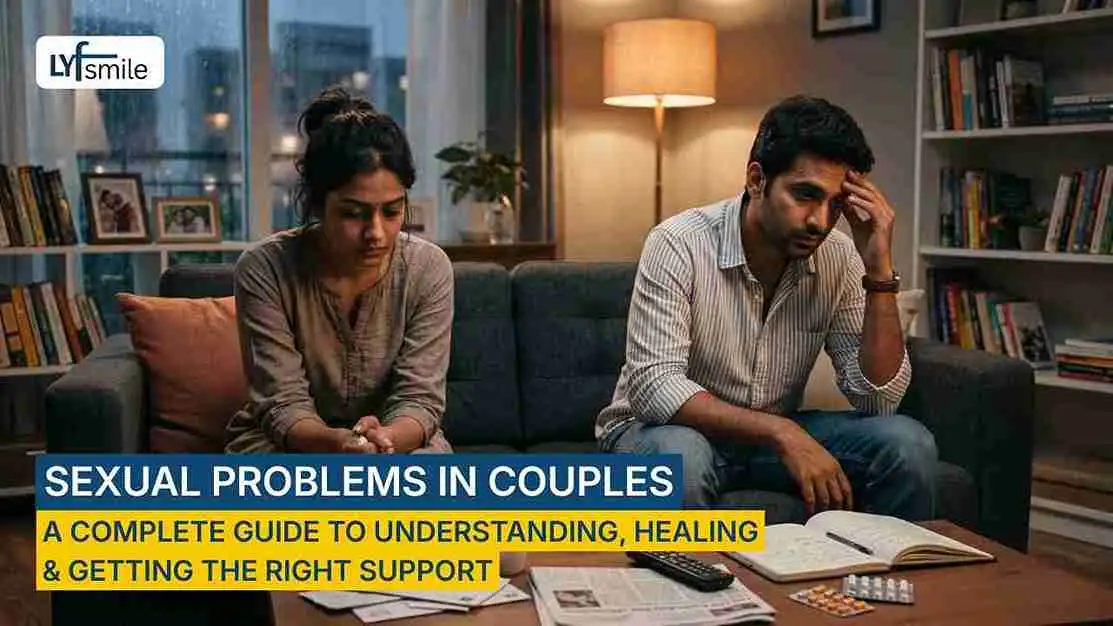
Sexual problems in couples can affect more than physical intimacy. Differences in sexual desire, difficulty with arousal or orgasm, performance anxiety, pain during sex, or emotional distance can sometimes create frustration and misunderstandings between partners.
These concerns may be connected with stress, communication difficulties, relationship conflict, health factors, emotional well-being, or changes in intimacy over time. Experiencing sexual difficulties does not automatically mean that a relationship is failing. Understanding the concern together can be an important first step toward improving intimacy.
Whether you are searching for answers about low sexual desire in couples, struggling with psychological erectile issues, dealing with difficulty reaching orgasm, or simply trying to understand if what you're experiencing is normal.
Struggling with intimacy as a couple? You are not alone. Book a free 15-minute consultation
What Are Sexual Problems in Couples?
Sexual problems in couples refer to persistent or recurrent difficulties that one or both partners experience in the desire for, arousal during, or satisfaction from sexual activity and that cause distress or strain in the relationship. These difficulties can be physical, psychological, relational, or a combination of all three.
Sexual problems do not indicate a lack of love or commitment. In fact, couples who are deeply in love frequently experience phases of sexual difficulty triggered by life stress, health changes, emotional disconnection, trauma, or simply the natural evolution of a long-term relationship.
Understanding the root cause is the first step to healing. Therapists work with individuals and couples to identify whether the difficulty is situational (temporary and context-specific) or more persistent and tailor a support plan accordingly. Explore the full range of psychological sexual disorders.
Common Signs Sexual Problems May Need Attention
One or both partners consistently avoiding physical closeness
Persistent feelings of anxiety, shame, or dread around sex
Significant mismatch in sexual desire between partners
Difficulty with arousal, erection, lubrication, or orgasm that lasts more than a few weeks
Physical pain during or after sexual activity
A feeling that sex has become a source of pressure, not pleasure
Emotional distance or conflict that has begun to affect intimacy
Sexual Concerns vs Sexual Disorders: Knowing the Difference
Understanding sexual concerns vs sexual disorders is important because not every intimacy issue is a medical condition.
Sexual Concerns
Sexual concerns are usually temporary and caused by stress, relationship problems, health issues, parenting stress, or life changes. These often improve with better communication and reduced stress.
Sexual Disorders
Sexual disorders are long-term problems that happen regularly, cause emotional distress, and affect relationships. Psychological sexual disorders are often linked to anxiety, depression, trauma, body image issues, or relationship conflict.
The difference matters because sexual concerns may improve naturally, while sexual disorders often need professional therapy and support.
Psychological Sexual Disorders - An Overview
 Psychological sexual disorders affect sexual desire, arousal, orgasm, or comfort during intimacy. The main causes are emotional and psychological rather than physical.
Common Causes of Psychological Sexual Disorders
Anxiety and performance pressure
Depression and stress
Past trauma
Relationship conflict
Body image issues
Shame around sexuality
Therapy for psychological sexual disorders may include CBT, EFT, mindfulness therapy, and psychosexual counselling.
Low Sexual Desire in Couples
Low sexual desire in couples is a common issue that can affect emotional and physical intimacy. It is often caused by stress, emotional distance, or unresolved relationship problems rather than lack of love.
Common Causes of Low Sexual Desire in Couples
Work stress and fatigue
Emotional disconnection
Anxiety or depression
Relationship conflicts
Different intimacy expectations
Therapy helps couples improve communication, emotional intimacy, and sexual connection.
Male Hypoactive Sexual Desire Disorder (MHSDD)
Male Hypoactive Sexual Desire Disorder (MHSDD) is ongoing low sexual desire in men that causes emotional distress or relationship problems.
Psychological Causes of MHSDD
Stress and burnout
Depression or anxiety
Performance anxiety
Emotional disconnection
Shame around sexuality
CBT-based therapy can help men reduce anxiety, rebuild confidence, and improve intimacy.
Female Sexual Interest/Arousal Disorder (FSIAD)
Female Sexual Interest/Arousal Disorder (FSIAD) involves low sexual interest, reduced arousal, or lack of excitement during intimacy.
Common Causes of FSIAD
Emotional stress
Body image concerns
Relationship problems
Past negative experiences
Cultural shame around sex
Therapy focuses on emotional safety, body confidence, and improving intimacy.
Psychological Erectile Disorder
Psychological Erectile Disorder happens when erectile difficulties are mainly caused by stress, anxiety, or emotional factors.
Common Psychological Triggers
Performance anxiety
Relationship stress
Depression or low confidence
Sexual shame or trauma
Work or financial stress
Therapy helps reduce anxiety, improve sexual confidence, and strengthen emotional connection.
Premature Ejaculation : Psychological Causes
Premature ejaculation psychological causes are often linked to anxiety, stress, and fear of sexual failure.
Common Causes
Performance pressure
Anxiety during sex
Relationship tension
Negative self-talk
Fear of disappointing a partner
Therapy helps men manage anxiety, improve control, and rebuild confidence.
Delayed Ejaculation: Psychological Causes
Delayed ejaculation psychological causes can include anxiety, emotional disconnection, stress, or sexual shame.
Common Causes
Anxiety during intimacy
Relationship conflict
Performance pressure
Trauma or shame around sex
Depression or medication side effects
Therapy helps improve relaxation, emotional connection, and sexual confidence.
Female Orgasmic Disorder
Female Orgasmic Disorder is difficulty reaching orgasm even after enough sexual stimulation.
Psychological Factors
Anxiety during sex
Body image issues
Trauma or shame
Emotional disconnection
Poor communication with partner
Therapy can help improve comfort, confidence, and sexual satisfaction.
Difficulty Reaching Orgasm
Many people experience difficulty reaching orgasm due to stress, anxiety, or relationship issues.
Common Reasons
Stress or distractions
Performance anxiety
Body image concerns
Emotional relationship problems
Lack of communication
Therapy helps improve intimacy, relaxation, and sexual satisfaction.
Genito-Pelvic Pain/Penetration Disorder (GPPPD)
Genito-pelvic pain/penetration disorder (GPPPD) includes pain, fear, or muscle tension during penetration.
Psychological Causes
Fear of pain
Anxiety around intimacy
Past trauma
Shame or fear about sex
Treatment includes therapy, relaxation exercises, and emotional support.
Medication-Induced Sexual Dysfunction
Medication-induced sexual dysfunction happens when medicines affect libido, arousal, erection, or orgasm.
Common Medications
Antidepressants
Blood pressure medicines
Hormonal medications
Therapy helps couples manage emotional stress and relationship challenges caused by these side effects.
Body Image Issues and Intimacy
Body image issues and intimacy are closely connected. Feeling insecure about appearance can reduce confidence and sexual comfort.
Common Effects
Avoiding intimacy
Anxiety during sex
Low self-esteem
Emotional withdrawal
Therapy helps improve body confidence, self-acceptance, and intimacy.
Emotional Intimacy and Sex
Emotional intimacy and sex are deeply connected in healthy relationships. Emotional distance can reduce physical intimacy and sexual desire.
Ways to Improve Emotional Intimacy
Spend quality time together
Communicate openly
Resolve conflicts calmly
Show appreciation regularly
Build trust and emotional safety
Couples therapy can help partners rebuild emotional and sexual connection.
How Lyfsmile Helps: Therapy for Sexual Problems in Couples
 Lyfsmile is one of India's leading online mental health platforms, with over 120,000 clients across 70+ countries. Our therapists specialise in helping individuals and couples navigate sexual difficulties with expertise, empathy, and zero judgment from the privacy and convenience of your own home.
Our Approach
Evidence-based therapy: CBT, EFT, mindfulness, psychosexual therapy frameworks
Culturally sensitive: our therapists understand Indian family structures, cultural pressures, and the unique challenges faced by NRIs and diaspora couples
Confidential and private: sessions are conducted securely online
Affordable: flexible pricing with options for individuals and couples
Available internationally: serving clients across India, the UK, the USA, Canada, UAE, Australia and beyond
Our Specialists Include
Mrs. Ritika Dhall - Senior Counselling Psychologist & Certified CBT Expert (specialising in anxiety, depression, trauma, and couples therapy)
Mrs. Medhavi Bhalla - MSc Psychology (University of Edinburgh), Certified EFT & Matrix Reimprinting Practitioner (specialising in relationship challenges, trauma, intimacy, and emotional patterns)
Dr. Shraboni Nandi - RCI Registered Rehabilitation Professional, PhD Psychology, 20+ years experience
What to Expect
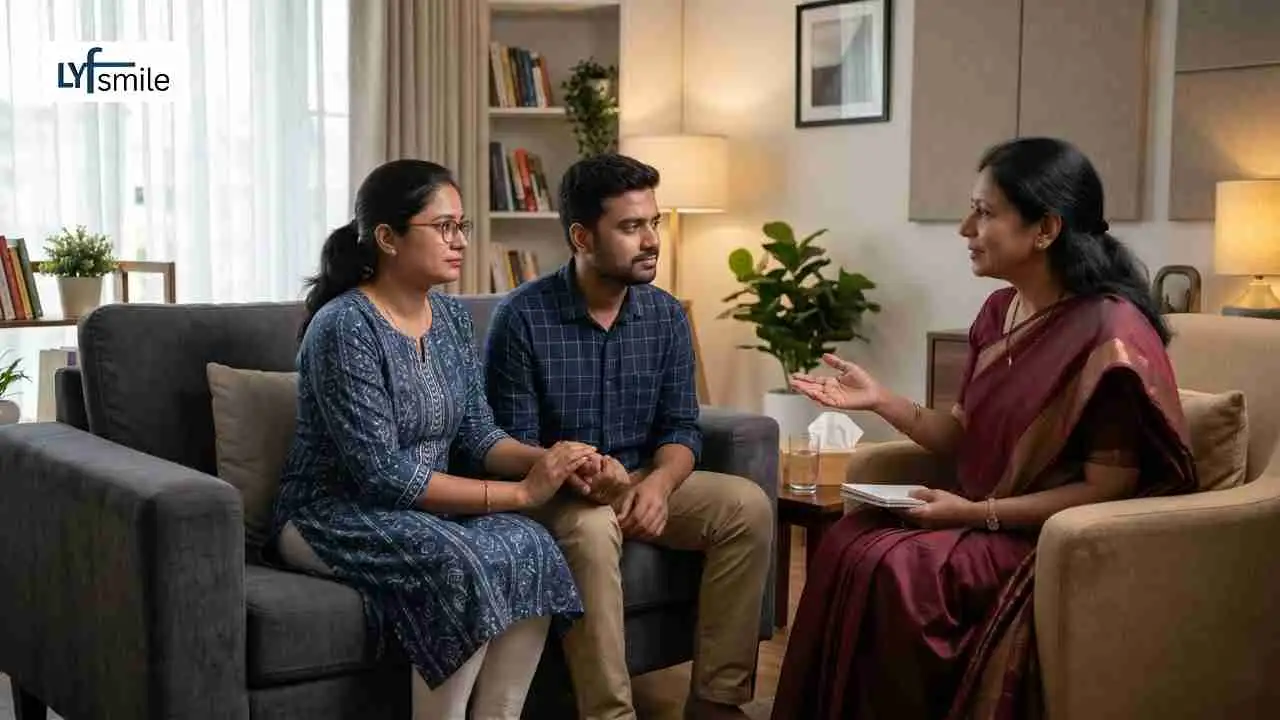
Your first session begins with a compassionate, non-judgmental conversation about your concerns. There is no pressure to share more than you are comfortable with. Your therapist will work collaboratively with you to understand the contributing factors - emotional, relational, situational and design a personalised support plan.
Sessions are typically 50 minutes, conducted via secure video. Most clients begin to notice meaningful change within 6–12 sessions, though this varies depending on the nature and duration of concerns.
What Are Sexual Problems in Couples?
Sexual problems in couples are difficulties that affect one or both partners' sexual desire, arousal, satisfaction, comfort, or intimacy. They may appear as mismatched desire, difficulty becoming aroused, erection or orgasm concerns, pain during sex, performance anxiety, or reduced interest in physical closeness.
These difficulties can have physical, emotional, psychological, or relationship-related factors, and sometimes several factors overlap. The important question is not simply what is happening sexually, but how the concern is affecting both partners and their relationship.
Conclusion: Sexual Problems in Couples Are Treatable and You Don't Have to Face Them Alone
Sexual problems in couples are not a sign of a failing relationship, inadequacy, or something to be ashamed of. They are a human experience, shaped by emotion, history, culture, stress, and the complex dynamics of sharing a life with another person.
What matters is not whether you face these challenges, but how you respond to them. With the right support, compassionate, evidence-based, culturally informed care, most sexual difficulties in couples can be significantly improved, and many can be fully resolved.
Lyfsmile's team is here for you, whether you are dealing with low sexual desire, erectile concerns, pain during sex, body image challenges, or simply a growing emotional distance that has begun to affect intimacy. You deserve support, and it is available, safely, affordably, and without judgment.
Begin your healing journey today. Call Now :+ 919804791047
Frequently Asked Questions: Sexual Problems in Couples
1. How common are sexual problems in couples?
Extremely common. Research suggests that a significant majority of couples experience at least one phase of notable sexual difficulty during their relationship. The difference is whether they seek support or suffer in silence.
2. Are sexual problems always caused by physical health issues?
No. While physical factors can play a role, the majority of sexual difficulties in couples have significant psychological, emotional, or relational components including anxiety, depression, stress, past experiences, and communication patterns.
3. When should a couple seek professional therapy for sexual problems?
If the difficulty has persisted for more than a few weeks, is causing distress to one or both partners, or is beginning to affect the emotional quality of your relationship, it is worth speaking with a professional. Early support typically leads to faster and more complete resolution.
4. Will seeing a therapist for sexual problems feel embarrassing?
It is natural to feel some apprehension. Lyfsmile therapists are trained to create a calm, non-judgmental environment where you can speak at your own pace. Thousands of individuals and couples have found that speaking to a professional is a relief, not an ordeal.
5. Can therapy help even if only one partner is willing to attend?
Yes. Individual therapy can significantly improve the situation even without both partners attending. Understanding your own patterns, building communication skills, and addressing personal psychological factors can positively change the relationship dynamic.
6. Is online therapy as effective as in-person for sexual concerns?
Research supports the effectiveness of online therapy across a wide range of psychological difficulties, including sexual concerns. Many clients actually find the privacy of online sessions helpful when discussing intimate topics.
7. How long does therapy for sexual problems take?
This varies. Many clients notice meaningful improvement within 6–10 sessions. More complex situations - involving trauma, long-standing relationship difficulties, or formal diagnoses, may benefit from longer-term work.