

Sarvesh Kumari
Intimacy Counseling for Married Couples in India - Rebuild Emotional Connection
Marriage is built on small, everyday moments, sharing meals, talking openly, showing affection, and feeling supported by one another. Over time, however, responsibilities, stress, financial worries, family pressures, and unspoken expectations can slowly create distance between partners. Romance fades, communication reduces, and physical closeness may begin to feel forced or absent. Even in loving marriages, intimacy can quietly take a back seat.
This is where intimacy counseling for married couples can help. Intimacy is not only about physical closeness, but it is also about emotional safety, trust, appreciation, and feeling valued by your partner. When couples stop communicating their needs, avoid difficult conversations, or focus more on problems than positives, dissatisfaction can grow on both sides.
Intimacy counseling supports couples in reconnecting at emotional, physical, and relational levels. It encourages honest conversations about expectations, affection, physical needs, finances, family boundaries, and daily life without blame or judgment. With the right guidance, couples can relearn how to listen, compromise, appreciate each other, and grow together, creating a marriage where both partners feel connected, respected, and cared for again.
Key Signs Emotional Intimacy Is Fading in Your Marriage
In many marriages, emotional closeness and connection do not disappear suddenly; they fade slowly. Daily stress, work pressure, family responsibilities, and unresolved misunderstandings can reduce both emotional and physical bonding. When partners stop feeling close, even small gaps can turn into emotional distance. This is often when couples begin to feel confused, lonely, or disconnected despite living together.
Physical and emotional intimacy play important roles in maintaining a strong bond. When this closeness reduces, it affects not just romance but also trust, communication, and overall relationship satisfaction. This is where intimacy counseling for married couples can help partners understand what is missing and how to reconnect in a healthy way.
1. Emotional Connection Starts Weakening
Physical closeness helps couples feel emotionally bonded. When intimacy reduces, partners may feel less connected and less understood. Over time, this emotional distance can lead to misunderstandings and reduced empathy, making it harder to support each other’s needs.
2. Feelings of Insecurity Increase
Intimacy often reassures partners that they are loved, valued, and desired. When closeness fades, one or both partners may start doubting themselves or the relationship. These insecurities can affect confidence and create emotional tension between partners.
3. Communication Becomes Difficult
Intimacy is not only physical, but it is also a form of emotional communication. Touch, affection, and presence help couples express care without words. When this bonding reduces, conversations may feel forced, arguments may increase, and partners may start feeling unheard or emotionally alone.
4. Emotional Distance Creates Risk
When emotional closeness is missing, partners may begin seeking attention, validation, or understanding elsewhere, sometimes without realizing it. This emotional gap can make the relationship more vulnerable and weaken trust between partners.
5. Satisfaction in the Marriage Declines
A lack of emotional and physical connection can leave partners feeling unfulfilled. When bonding decreases, couples may stop putting effort into the relationship, leading to frustration, emotional withdrawal, or thoughts of separation.
Recognising these signs early is important. With the right guidance, couples can work on rebuilding emotional closeness, trust, and connection, creating a stronger and more fulfilling marriage.
When closeness feels distant, a safe conversation can open the door. Book a session today and take the first gentle step toward reconnecting with your partner. 📝
Common Causes of Emotional Distance and Intimacy Issues in Marriage
Many couples experiencing emotional distance in marriage are not lacking love - they are struggling with stress, communication challenges, and unmet emotional needs. Marriage counseling and couples therapy can help identify the causes of intimacy issues and restore connection.
Work Stress and Life Responsibilities
Work pressure, financial stress, and daily responsibilities can reduce emotional and physical intimacy, leaving couples feeling disconnected.
Lack of Quality Time Together
When partners stop spending meaningful time together, a lack of emotional connection with a spouse often develops, affecting relationship satisfaction.
Unresolved Relationship Conflicts
Ongoing arguments and unresolved disagreements can create resentment, emotional distance, and long-term intimacy issues in marriage.
Parenting and Family Pressures
Parenting demands and family responsibilities can shift focus away from the relationship, making it harder for couples to stay emotionally connected.
Different Emotional Needs and Expectations
Differences in emotional needs, communication styles, and relationship expectations can lead to misunderstandings and relationship problems after marriage.
Couples counseling for intimacy issues can help partners improve communication, rebuild emotional connection, and strengthen their marriage.
How Intimacy Counseling Helps Couples Reconnect Emotionally
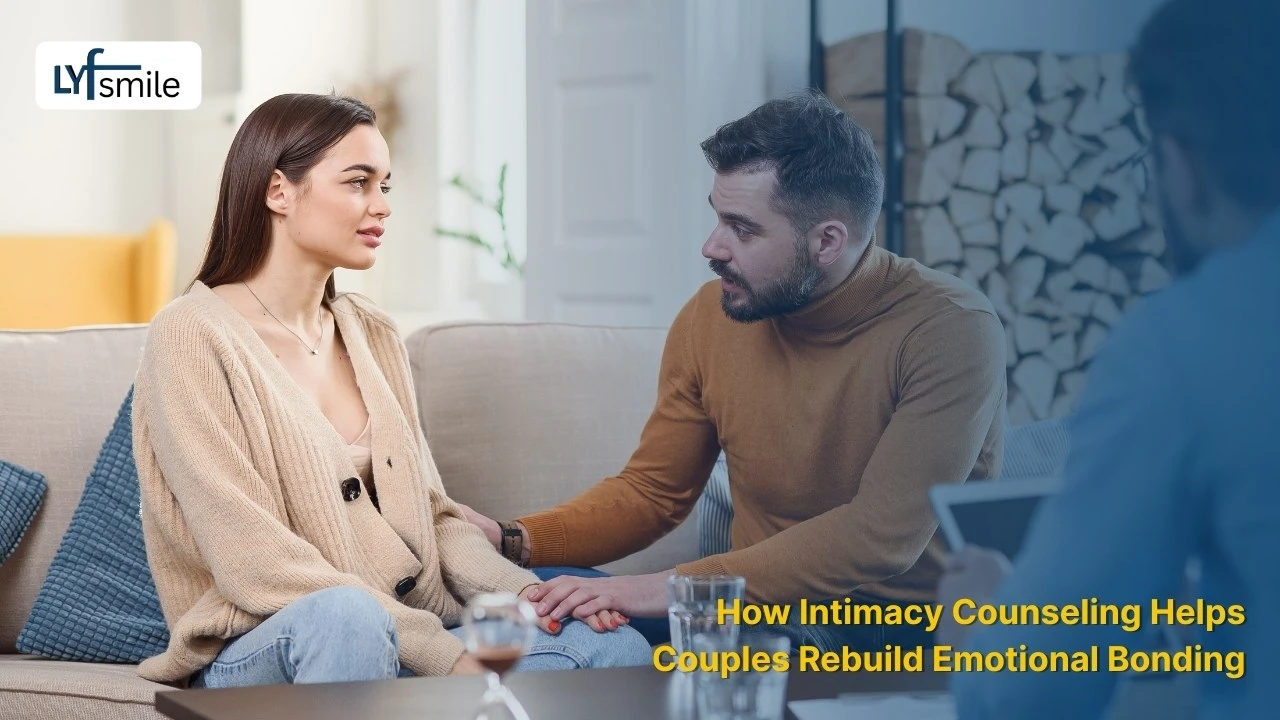 When emotional closeness and connection start fading in marriage, couples often feel confused, distant, or misunderstood. Arguments may increase, communication may reduce, and intimacy, both emotional and physical, can begin to feel forced or missing. Intimacy counseling for married couples helps partners slow down, understand what is happening beneath the surface, and rebuild bonding in a healthy and respectful way.
Below are key ways intimacy counseling supports couples in restoring emotional closeness and connection:
1. Improving Communication Between Partners
Many couples talk daily but still feel unheard. Intimacy counseling focuses on helping partners express their thoughts and feelings clearly, without fear or blame. Couples learn how to listen with attention and empathy, which strengthens understanding and emotional connection over time.
2. Managing Conflict in a Healthier Way
Disagreements are normal in marriage, but unresolved conflict can weaken bonding. Counseling teaches couples how to handle differences calmly, without criticism or emotional withdrawal. Instead of fighting each other, partners learn to work together to solve problems, which builds trust and emotional safety.
3. Identifying Deeper Emotional Needs
Often, surface-level arguments hide deeper issues such as unmet emotional needs, stress, past experiences, or unspoken expectations. Intimacy counseling helps couples identify these root causes and address them gently, creating space for emotional closeness and stronger bonding.
4. Rebuilding Trust and Emotional Safety
Trust is essential for intimacy. When trust is damaged due to distance, misunderstandings, or emotional neglect, counseling provides a safe environment to rebuild it. Through guided conversations and exercises, couples learn how to show consistency, care, and emotional reliability again.
5. Strengthening Physical and Emotional Intimacy
Emotional closeness and physical intimacy are closely connected. When emotional bonding improves, physical intimacy often follows naturally. In some cases, sex therapy for married couples may be included to help partners openly discuss desires, comfort levels, and concerns without shame or pressure.
6. Supporting Couples Through Life Changes
Major life events like parenting, career stress, health issues, or family responsibilities can affect connection. Intimacy counseling helps couples navigate these changes together, ensuring that emotional bonding does not get lost during stressful phases of life.
7. Learning Long-Term Relationship Skills
Counseling is not only about fixing current issues; it also helps couples build skills for the future. Partners learn healthier communication habits, emotional awareness, and ways to stay connected even during challenging times.
At Lyfsmile, trained therapists support couples with a compassionate and balanced approach, focusing on emotional closeness, bonding, and meaningful connection. The goal is not to place blame, but to help couples understand each other better and reconnect in ways that feel safe and genuine.
Intimacy counseling helps couples rediscover emotional closeness, rebuild trust, and strengthen their connection, creating a relationship where both partners feel valued, heard, and supported.
Choosing support is not giving up; it’s choosing growth, connection, and understanding. Take a 15-minute free session and begin your journey toward a stronger, more connected marriage.
What Happens During an Intimacy Counseling Session?
Many couples feel uncertain about what happens in relationship counseling. An intimacy counseling session provides a safe and supportive space where partners can openly discuss concerns, improve communication, and work toward a healthier emotional and physical connection.
Relationship Assessment: Your therapist begins by understanding your relationship history, current challenges, communication patterns, and intimacy concerns to identify areas that need support.
Communication Exercises: Couples learn practical communication skills that help them express needs, listen effectively, and reduce misunderstandings that contribute to relationship conflict.
Emotional Connection Work: Intimacy counseling focuses on rebuilding emotional connection by helping partners understand each other's feelings, needs, and expectations.
Trust-Building Strategies: If trust has been affected by conflicts, misunderstandings, or emotional distance, therapy introduces trust-building techniques to strengthen the relationship.
Personalized Relationship Goals: Every marriage counseling process is tailored to the couple's needs. Together, you and your therapist create realistic goals to improve intimacy, communication, and overall relationship satisfaction.
Through intimacy counseling sessions, couples gain tools to strengthen their bond, resolve relationship challenges, and build a more connected and fulfilling marriage.
Conclusion
Every marriage goes through phases where emotional closeness, bonding, and connection feel strong and times when they begin to fade. Stress, responsibilities, miscommunication, and unmet needs can slowly create distance between partners, even when love is still present. Recognizing these changes early is an important step toward protecting the relationship.
Intimacy counseling for married couples offers a safe and supportive space to reconnect emotionally and physically. It helps couples communicate openly, understand each other’s needs, rebuild trust, and restore closeness at a pace that feels right for both partners. Whether the concern is emotional distance, lack of bonding, or physical intimacy challenges, seeking guidance can bring clarity and healing.
A healthy marriage is not about perfection; it is about effort, understanding, and growing together. With the right support, couples can rediscover connection, strengthen emotional closeness, and create a relationship that feels safe, supportive, and fulfilling again.
FAQ's About Intimacy Counseling for Married Couples
What is intimacy counseling for married couples?
Intimacy counseling for married couples helps partners improve emotional connection, communication, trust, and relationship satisfaction in a safe therapeutic environment.
How can intimacy counseling improve emotional connection?
Intimacy counseling helps couples communicate openly, understand each other's emotional needs, and rebuild closeness through guided relationship exercises.
Can intimacy counseling help with emotional distance in marriage?
Yes. Intimacy counseling for emotional distance in marriage helps couples identify the causes of disconnection and strengthen their emotional bond.
What causes intimacy issues in marriage?
Common causes of intimacy issues in marriage include stress, unresolved conflicts, lack of quality time, trust concerns, parenting pressures, and communication problems.
How many intimacy counseling sessions do couples need?
The number of intimacy counseling sessions varies by couple. Some notice improvement within a few sessions, while others benefit from ongoing relationship counseling support.
Can online intimacy counseling be effective?
Yes. Online intimacy counseling in India helps couples across Delhi, Mumbai, Bangalore, Hyderabad, Pune, Chennai, and other cities improve emotional connection, communication, and relationship health from the comfort of home.
Is intimacy counseling available in Delhi, Mumbai, and Bangalore?
Yes. Couples can access professional intimacy counseling and marriage counseling online from Delhi, Mumbai, Bangalore, Hyderabad, Pune, Chennai, and anywhere in India.