

Sarvesh Kumari
Low Sexual Desire in Couples: Affordable Couples Therapy in India
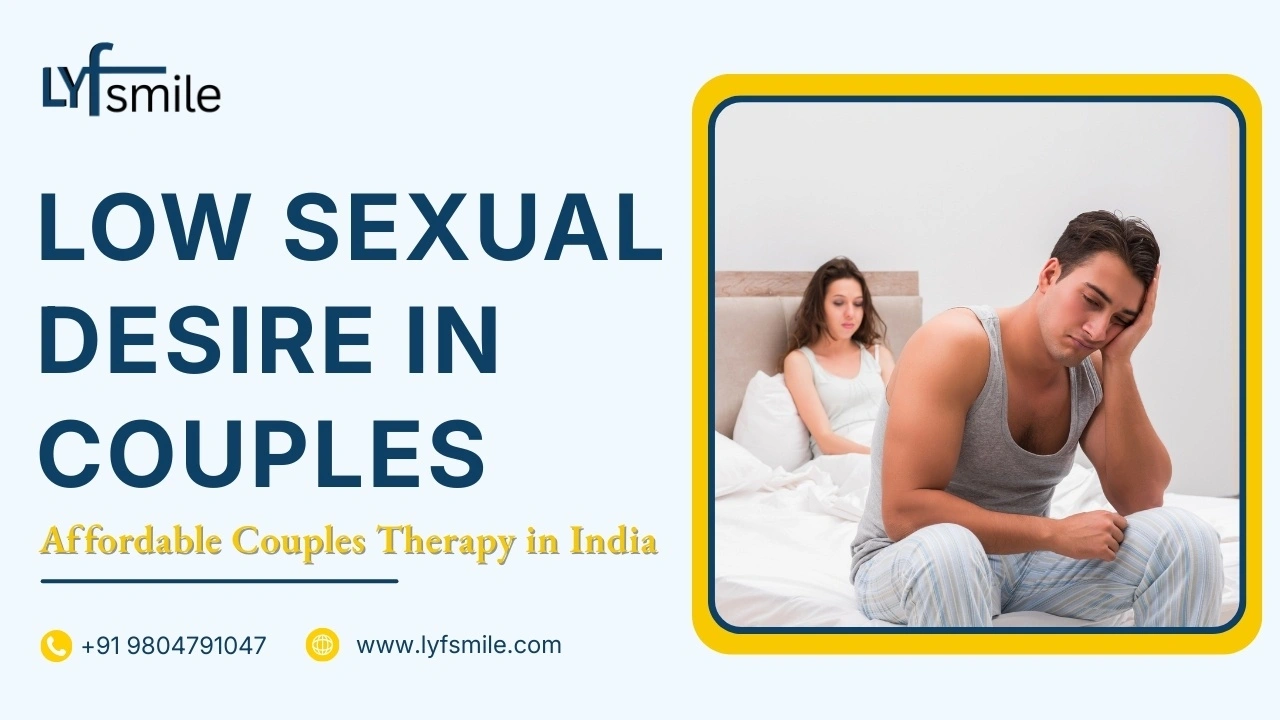
Low sexual desire in couples is a concern that many partners face at some point in their relationship, yet it often remains unspoken. When one partner feels less interested in sex than the other, it can lead to confusion, self-doubt, and emotional distance. Couples may begin to wonder if something is wrong with them, their partner, or their marriage, even when love and commitment are still strong, which is why many start looking for affordable therapy in India for low sexual desire in couples.
Key Takeaways
Low sexual desire in couples is more common than many people think, and can change at different stages of marriage
A partner’s lower interest in sex does not automatically mean a lack of love, care, or attraction
Stress, emotional distance, health concerns, and daily responsibilities often affect sexual desire
Both partners may feel hurt, rejected, pressured, or confused when desire levels don’t match
Open communication and emotional understanding are essential to rebuilding closeness
With the right support, couples can work through intimacy challenges and strengthen their relationship
Low sexual desire in couples is a concern that many partners face at some point in their relationship, yet it often remains unspoken. When one partner feels less interested in sex than the other, it can lead to confusion, self-doubt, and emotional distance. Couples may begin to wonder if something is wrong with them, their partner, or their marriage, even when love and commitment are still strong, which is why many start looking for affordable therapy in India for low sexual desire in couples.
In Indian marriages, daily stress, work pressure, family responsibilities, emotional disconnect, and health concerns can quietly affect intimacy. An important thing to understand is that low sexual desire in couples does not always mean a lack of attraction or affection. Desire can change over time and is often influenced by emotional well-being, communication, and how safe partners feel with each other, making professional and affordable therapy in India an important step toward healing.
At Lyfsmile, we believe that intimacy concerns deserve understanding, not judgment. Through affordable therapy in India for low sexual desire in couples, recognizing the reasons behind low sexual desire in couples is the first step toward rebuilding emotional closeness, improving communication, and creating a healthier and more fulfilling relationship together.
You don’t have to face sexual problems between couples alone. A caring conversation can be the first step toward healing and closeness. Book your session
Why Sexual Connection Matters In Relationships
A healthy sexual connection is more than just physical closeness; it strengthens trust, comfort, and emotional bonding between partners. When this connection fades or becomes strained, it can deeply affect both partners. Here’s why it matters, with some real-life situations many couples experience:
1. Strengthens emotional closeness
For example, Riya noticed that when she and her husband spent quality time together, even small gestures like holding hands or a gentle touch made their bond stronger. A strong sexual connection helps reduce emotional distance and intimacy gaps, making couples feel safer and more understood.
2. Reduces feelings of rejection or misunderstanding
In many cases, like Rahul and Priya, one partner may have low sexual desire in a couple, while the other still wants closeness. Rahul sometimes felt unwanted, and Priya felt pressured. Understanding and gentle intimacy helped them reconnect without blame.
3. Builds trust and comfort over time
Arjun and Sneha shared that when they communicated honestly about what they liked and what made them uncomfortable, their relationship became more open. Regular intimacy allows partners to be vulnerable and feel heard, reducing fear or hesitation.
4. Helps partners understand each other’s needs
Mismatched libido in relationships is common. Kavita felt frustrated because her desire was stronger than her husband’s, but through conversations, they learned to compromise, find timing that worked, and enjoy closeness without pressure.
5. Supports overall relationship happiness
Small gestures, like cuddling after a long day, helped Neha and Sameer feel emotionally connected. A strong sexual bond often reflects greater overall satisfaction, mutual support, and happiness in the marriage.
6. Encourages healthier conversations about desire and connection
By creating a safe space to discuss intimacy, couples like Anjali and Rohan could talk openly about what felt good and uncomfortable, improving both emotional and physical closeness.
7. Opens the door to support when needed
If differences in desire become challenging, seeking therapy for desire issues can help. At Lyfsmile, couples are guided with empathy to explore concerns, rebuild connection, and strengthen both emotional and physical intimacy.
Taking the time to nurture a sexual connection is not just about physical closeness; it is about rebuilding trust, understanding, and emotional warmth. Every couple faces moments of distance, but with patience, empathy, and the right support, it’s possible to restore intimacy and feel genuinely close again. At Lyfsmile, couples are encouraged to explore these feelings together, creating stronger, happier, and more fulfilling relationships.
How Therapy Helps with Low Sexual Desire
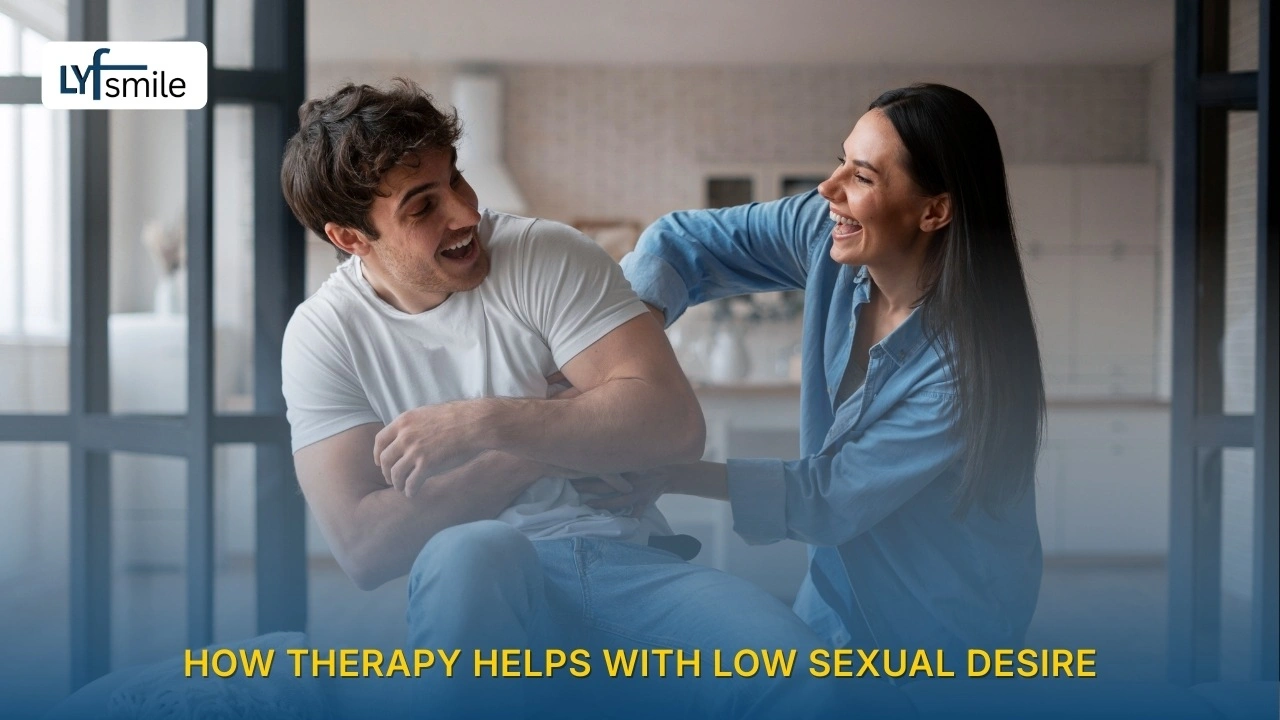 When intimacy problems are left unspoken, couples often feel stuck, confused, or emotionally distant. Counseling helps partners slow down, understand each other better, and rebuild closeness in a safe and supportive way through couples therapy that focuses on emotional connection and practical change at Lyfsmile, where structured and evidence-based approaches are used to address both emotional and physical aspects of intimacy.
Creates a safe space to talk openly
Many couples struggle to discuss sensitive topics without fear or blame. Counseling helps partners speak honestly about intimacy issues in relationships, without feeling judged or misunderstood, with the supportive guidance of Mrs. Medhavi Bhalla and Mrs. Ritika Dhall, who create a compassionate and confidential environment for open conversations.
Helps partners understand emotional needs
Often, sexual concerns are linked to feelings of stress, hurt, or emotional distance. Counseling focuses on improving emotional and physical intimacy, helping couples feel closer beyond just sex, and using emotion-focused therapy and cognitive behavioral therapy-based approaches that identify emotional triggers, reshape unhelpful patterns, and build secure connections.
Reduces pressure and frustration around sex
When expectations are high or communication is unclear, it can lead to sexual dissatisfaction in marriage. Counseling helps couples understand each other’s pace, comfort, and needs while developing practical strategies to reduce performance pressure and increase mutual understanding.
Improves communication between partners
Many sexual concerns continue simply because couples don’t know how to talk about them kindly. Relationship counseling for couples supports better listening, understanding, and emotional connection through guided exercises and real-life communication tools used in sessions at LyfSmile.
Addresses intimacy concerns with care and respect
Issues related to sexual dysfunction are handled gently, without labels or shame. Counseling helps couples understand what’s happening and how to move forward together with structured therapeutic support tailored to their relationship dynamics.
Strengthens trust and emotional bonding
As communication improves, couples begin to feel safer and more connected. This trust naturally supports a healthier and more fulfilling intimate relationship and helps partners feel emotionally secure.
At Lyfsmile, this process is enriched by the expertise of Mrs. Medhavi Bhalla, who holds an MSc in Psychology from the University of Edinburgh, United Kingdom, and is a Certified Practitioner in Emotional Freedom Technique (EFT) and Matrix Reimprinting through EFTMRA. Her work focuses on helping individuals and couples explore inner thoughts, feelings, and past emotional experiences that silently influence intimacy and relationship patterns. By addressing the root causes of emotional responses, she helps clients experience clarity, emotional release, and empowerment. Her training in multiple therapeutic modalities, including CBT, solution-focused therapy, client-centered therapy, relaxation techniques, and emotion-focused therapy, allows her to offer holistic and personalized care. Her specializations in relationship challenges, family dynamics and conflicts, trauma and abuse recovery, issues related to intimacy, and parenting counseling help couples understand how personal history, stress, and family roles impact their current connection and how to heal together.
Alongside her, Mrs. Ritika Dhall, a Certified CBT Expert, helps couples identify negative thought cycles, manage anxiety or performance-related concerns, build healthier emotional responses, and develop practical skills that improve both communication and intimacy over time.
At Lyfsmile, counseling is about understanding, patience, and rebuilding connection, not blame. With the right therapeutic support and the combined expertise of Mrs. Medhavi Bhalla and Mrs. Ritika Dhall, couples are guided step by step to work through intimacy challenges, feel emotionally closer, and move toward a more loving, balanced, and fulfilling relationship.
Conclusion
Intimacy is a vital part of a healthy and happy marriage, yet many couples face challenges such as low sexual desire in couples, mismatched libido in relationships, or loss of sexual interest. These sexual problems between couples are more common than many realize, and experiencing them does not mean love or commitment is missing. What matters most is understanding the root causes and addressing them with patience, empathy, and care.
Open communication is key. Discussing needs, expectations, and feelings helps partners reconnect emotionally and physically. Strengthening emotional intimacy and sex goes beyond the bedroom; it nurtures trust, comfort, and a deeper bond that carries into daily life. When conversations feel difficult, seeking therapy for desire issues provides a safe, supportive space to explore these concerns, work through differences, and find solutions together.
At Lyfsmile, couples are guided with compassion and understanding to overcome sexual challenges, rebuild closeness, and create a more fulfilling, connected relationship. With the right support, couples can navigate intimacy challenges successfully, strengthen their bond, and enjoy a happier, healthier, and more satisfying marriage together.
Struggling with low sexual desire in your marriage is normal. Talking openly can be the first step toward connection and understanding. Reach out to us at 9804791047.
FAQs
1. Why do some couples seem to tolerate or overlook infidelity?
In some relationships, partners may avoid addressing infidelity due to fear of conflict, emotional dependency, low self-esteem, or a desire to preserve the marriage. Healthy relationships, however, are built on trust, honesty, and mutually agreed boundaries.
2. Can feelings of guilt and mistakes affect a relationship?
Yes, personal actions that create guilt or shame can influence emotional availability, communication, and intimacy. Acknowledging mistakes, taking responsibility, and working toward personal growth help restore trust and connection.
3. Where can couples seek professional help for intimate and relationship concerns in Delhi NCR?
Qualified relationship counsellors, psychosexual therapists, and mental health professionals across Delhi, Gurgaon, and Noida offer confidential support for emotional, marital, and intimacy-related concerns through both online and offline sessions.
4. Is cheating ever considered acceptable in a committed relationship?
In most monogamous relationships, infidelity breaks trust and causes emotional pain. Some couples with mutually agreed relationship structures may define different boundaries, but honesty and consent are essential for any healthy partnership.
5. What are the common reasons a wife may become unfaithful in a marriage?
Emotional neglect, lack of appreciation, unresolved conflicts, loneliness, unmet needs, or disconnection can contribute to infidelity. These issues are not about gender; they reflect relationship dynamics that need attention and healing.
6. Why do some relationships end within a short period?
Unrealistic expectations, poor communication, incompatibility, lack of emotional maturity, trust issues, or external pressures can lead to early breakups. Strong foundations and mutual effort help relationships grow over time.
7. Is infidelity emotional for women and only physical for men?
This is a myth. Both men and women can cheat for emotional, physical, or psychological reasons. Every individual and relationship is different, and such stereotypes oversimplify complex human behaviour.
8. How can you recognise an unhealthy or toxic relationship?
Constant criticism, lack of respect, control, emotional distance, poor communication, feeling unsafe, or losing your sense of self are common signs. Professional guidance can help you understand and address these patterns.
9. Does borderline personality disorder always lead to cheating in marriage?
No. A mental health condition does not define a person’s values or behaviour. While emotional regulation and fear of abandonment can affect relationships, many individuals with BPD maintain loyal and committed partnerships with the right support.
10. What does it mean if your partner is emotionally unavailable?
An emotionally unavailable partner may struggle to express feelings, avoid deep conversations, or withdraw from intimacy. This can create distance, but with awareness, communication, and counselling, emotional connection can be rebuilt.