

Lakshika Kaushik
Affordable Online Therapy for Stress Management in India
Stress can affect sleep, concentration, emotional wellbeing, relationships, and everyday functioning when it becomes persistent or difficult to manage. Online therapy for stress management provides a convenient way to speak with a qualified mental health professional and understand the factors contributing to ongoing stress.
For people looking for affordable online therapy in India, virtual counselling can provide professional support for work stress, academic pressure, emotional exhaustion, burnout, and other stress-related concerns without the need to travel to a clinic.
Stress has become a constant part of modern life, often building up silently due to work pressure, family responsibilities, academic demands, or continuous mental overload. Over time, unmanaged stress can begin to affect sleep, focus, emotional balance, and physical health. Understanding early stress symptoms and health effects is important to prevent long-term emotional exhaustion. Choosing an affordable online therapist for stress issues in India makes it easier to seek timely help without adding financial or logistical pressure.
Online counseling for work stress offers a practical and private way to manage emotional pressure without disrupting daily routines. An affordable online therapist for stress issues in India can help individuals dealing with work stress, burnout, academic pressure, emotional exhaustion, and long-term mental fatigue. At Lyfsmile, individuals receive confidential online stress counseling from licensed professionals who understand the realities of stress and burnout in India. Therapy sessions focus on helping people manage stress symptoms, regain emotional balance, and prevent burnout before it affects overall well-being.
When Should You Consider Online Stress Counselling?
Online stress counselling may be worth considering when stress becomes persistent, difficult to manage, or starts affecting your sleep, concentration, relationships, work, studies, or everyday routine. It can also provide support when you experience ongoing emotional exhaustion, irritability, overthinking, or difficulty relaxing.
Speaking with a qualified therapist can help you understand your stress triggers, recognise unhelpful patterns, and develop healthier coping strategies based on your individual concerns
Signs You May Need Professional Help for Stress Issues!
Many people normalise stress for so long that they fail to recognise when it has become emotionally exhausting. Seeking support early can prevent stress from developing into burnout, anxiety, or other mental health concerns.
You may benefit from speaking with an online therapist for stress issues in India if you:
Feel mentally exhausted most days
Have difficulty sleeping or relaxing
Experience headaches, body aches, or constant fatigue
Notice irritability, overthinking, or emotional overwhelm
Struggle to balance work, family, and personal responsibilities
Feel disconnected, unmotivated, or emotionally drained
Professional support can help individuals understand stress patterns, develop healthy coping strategies, and restore emotional balance before stress begins affecting daily life.
Meet Shraboni Nandi: Online Therapist for Stress Management
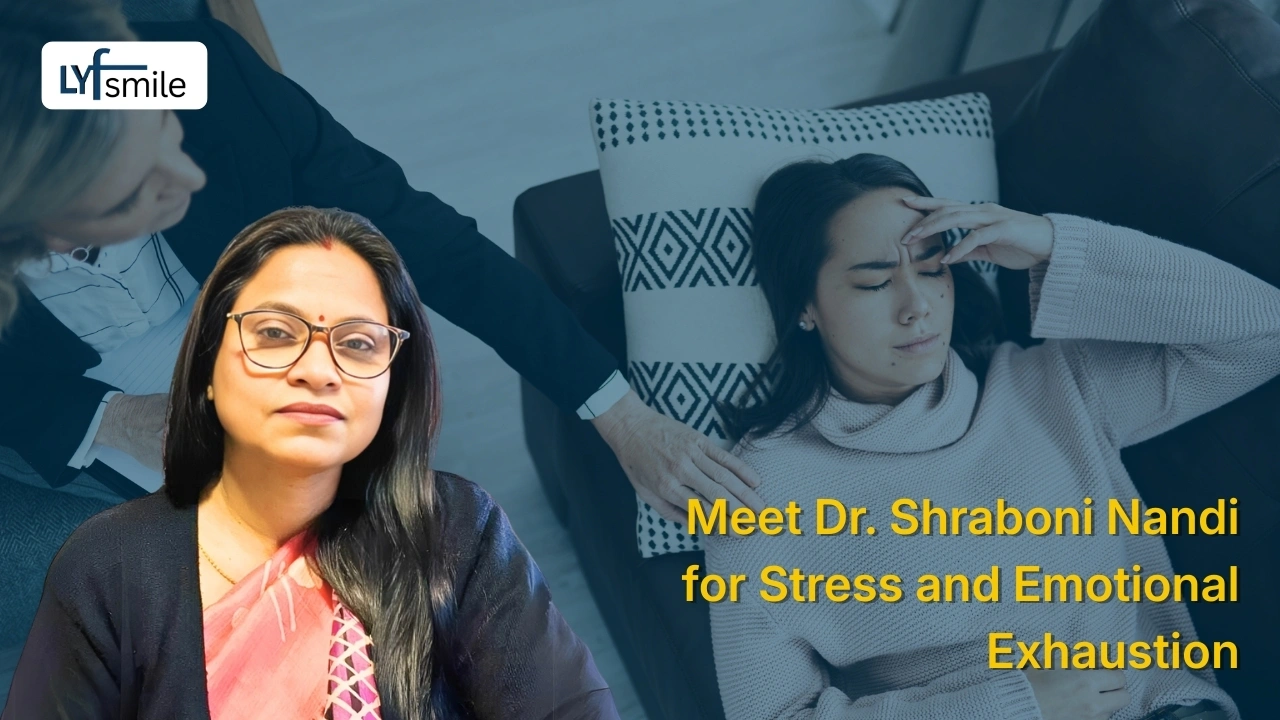 Shraboni Nandi is an RCI Registered Rehabilitation Professional who works closely with individuals experiencing chronic stress, emotional exhaustion, and burnout caused by ongoing work pressure, academic demands, or long-term mental overload. Her approach focuses on understanding how stress builds over time and how it begins to affect emotional balance, focus, sleep, and daily functioning.
Education & Credentials
Certified Psychologist
RCI Licensed Special Educator
Mindfulness & Life Coach
Areas of Expertise
Chronic stress and emotional exhaustion
Work stress and burnout
Academic stress and adjustment difficulties
Screen-related stress and digital overload
Stress-linked emotional and behavioral concerns
Therapy Approaches Used
Cognitive Behavioral Therapy (CBT)
Stress management and emotional regulation techniques
Behavioral therapy strategies
Mindfulness and grounding practices
Shraboni Nandi follows a structured, supportive, and practical therapy style. Through online sessions, she helps individuals identify stress triggers, regulate emotional responses, and develop healthier coping strategies that reduce mental pressure over time. Her goal is not just short-term relief, but helping individuals build resilience, regain emotional control, and maintain long-term mental wellbeing.
Not sure if this is normal stress or early burnout? Take a FREE 15-minute clarity session to understand what your stress is really signalling.
Everyday Stress vs Chronic Stress: What's the Real Difference?
 Not all stress is harmful. In fact, short-term stress is a normal part of life and can sometimes even help you stay alert and motivated. The real concern begins when stress does not fade away and starts affecting your mental and physical wellbeing. Understanding the difference between everyday stress and chronic stress helps you recognize when professional support may be needed.
Everyday stress is usually temporary and situation-based. It may include:
Feeling pressured before a deadline or exam
Short-term worry about responsibilities
Temporary tension that improves after rest
Stress linked to specific events or challenges
This type of stress often reduces once the situation is resolved.
Chronic stress, on the other hand, is ongoing and persistent. It may involve:
Feeling constantly overwhelmed or mentally exhausted
Stress that continues for weeks or months
Difficulty relaxing even during downtime
Irritability, low mood, or reduced motivation
Physical symptoms such as headaches, sleep disturbances, or fatigue
While everyday stress comes and goes, chronic stress lingers and gradually impacts emotional balance, focus, relationships, and overall health. Recognizing this difference early makes it easier to take the right steps toward managing stress before it turns into burnout or deeper mental health concerns.
How Stress Affects Mind, Body, and Relationships!
Stress does not stay limited to the mind; it gradually impacts physical health and personal relationships as well. When stress continues for long periods, it can create emotional imbalance, physical discomfort, and strain in connections with others. Many individuals do not realise how deeply stress affects different areas of life until it becomes overwhelming.
Stress can affect the mind by:
Increasing overthinking, worry, and mental fatigue
Reducing focus, clarity, and decision-making ability
Triggering irritability, low mood, or emotional overwhelm
Making it difficult to relax or feel mentally calm
Stress can affect the body by:
Causing headaches, muscle tension, or body aches
Disrupting sleep patterns and energy levels
Leading to digestive issues or changes in appetite
Weakening overall physical resilience over time
Stress can affect relationships by:
Reducing patience and emotional availability
Increasing misunderstandings and conflicts
Causing emotional withdrawal or avoidance
Making communication feel exhausting or strained
Understanding how stress affects the mind, body, and relationships helps individuals recognize when stress needs attention. Addressing stress early through healthy coping strategies and professional support can restore balance and improve overall well-being.
Why Ignoring Stress Leads to Burnout and Bigger Mental Health Issues!
Stress is often dismissed as a normal part of life, but when it is ignored for too long, it can slowly grow into more serious mental health concerns. Many individuals continue to push through emotional and physical exhaustion without realising the long-term impact unmanaged stress can have on their mental well-being.
Ignoring stress can:
Increase anxiety and constant worry
Contribute to emotional burnout and exhaustion
Disrupt sleep, focus, and emotional regulation
Reduce confidence and coping ability
Over time, unmanaged stress can affect relationships, productivity, and overall quality of life. Early support helps prevent long-term emotional strain.
When stress remains unmanaged for a long time, it can begin to affect overall emotional and psychological well-being. In such cases, speaking with an "online therapist for mental health counseling in India" can help address deeper concerns and support long-term mental balance.
Stress is building up and you're not sure where to start? Share what you're experiencing through our confidential form and let us guide you to the right support.
How Online Therapy Helps Manage Stress and Release Mental Pressure!
Mental pressure often builds up when stress remains unexpressed or unmanaged for long periods. Online stress therapy offers a supportive space where individuals can slow down, process emotions, and release mental burden without judgment. By providing consistent guidance and emotional support, online counseling for stress helps reduce internal pressure in a healthy and sustainable way.
Online therapy helps manage stress and release mental pressure by:
Offering a safe space to talk openly about stress and emotional overload
Helping individuals identify the root causes of ongoing pressure
Teaching relaxation and grounding techniques to calm the mind
Supporting healthier thought patterns and emotional responses
Reducing the feeling of carrying everything alone
Encouraging emotional clarity and mental balance over time
Through regular sessions, individuals begin to feel lighter, more focused, and emotionally supported. Online therapy allows people to manage stress at their own pace while gradually regaining a sense of control, calm, and mental clarity.
Online stress counselling also makes therapy more accessible for busy professionals, students, parents, and individuals living in different parts of the country. Flexible online sessions allow people to receive support from home while maintaining privacy and consistency. This accessibility makes affordable online therapy in India a practical option for managing stress before it progresses into burnout.
Stress Management Techniques Used in Therapy!
Therapy helps individuals manage stress by introducing practical stress management techniques that reduce mental overload and improve emotional balance. These techniques are designed to address both the emotional and physical effects of stress, helping individuals respond to daily pressures in a healthier way rather than feeling overwhelmed.
Common stress management techniques used in therapy include:
Awareness-based techniques to help individuals recognise stress triggers and early warning signs
Breathing and relaxation exercises to calm the nervous system and reduce physical tension
Thought management strategies to reduce overthinking and mental clutter
Emotional regulation skills that support better handling of intense feelings
Time and priority management guidance to reduce pressure from daily responsibilities
Mindfulness practices to improve focus and present-moment awareness
These techniques are introduced gradually and practised consistently during therapy. Over time, individuals learn to manage stress more effectively, respond calmly to challenges, and maintain emotional stability in everyday life.
Balancing Work, Family, and Personal Well-being Through Therapy!
Balancing work responsibilities, family expectations, and personal needs can feel overwhelming, especially when everything demands attention at the same time. Many individuals place their own well-being last, leading to constant stress, emotional fatigue, and burnout. Learning to create balance is not about doing everything perfectly, but about managing priorities more healthily and sustainably.
Therapy supports balance by helping individuals:
Set realistic expectations at work and at home
Establish healthy boundaries without guilt
Manage time and responsibilities more effectively
Communicate needs clearly with family and colleagues
Recognize signs of emotional and physical exhaustion
Make space for rest, self-care, and personal needs
When work, family, and personal well-being are balanced, stress becomes more manageable and emotional health improves. Therapy guides to help individuals regain control, reduce pressure, and create a routine that supports both responsibilities and personal peace.
Preventing Burnout With Consistent Online Therapy Support!
Burnout develops when stress and emotional pressure continue without proper support or relief. It often builds slowly, making individuals feel drained, disconnected, and mentally exhausted over time. Consistent online therapy support plays a crucial role in preventing burnout with therapy by helping individuals process stress regularly instead of carrying it alone.
Consistent online therapy support helps prevent burnout by:
Allowing individuals to express stress before it becomes overwhelming
Helping recognize early signs of emotional and mental exhaustion
Providing regular space to reflect, reset, and regain perspective
Supporting healthy coping responses instead of constant self-pressure
Reducing emotional isolation and the feeling of having to manage everything alone
Encouraging balance between effort, rest, and emotional needs
Burnout rarely appears suddenly. It develops gradually through prolonged stress, emotional overload, and lack of recovery. Regular sessions with an online therapist for stress and burnout help individuals recognise early warning signs, improve emotional resilience, and maintain healthier boundaries that protect long-term mental wellbeing.
Feeling too overwhelmed to type or read further? Call +91 9804791047 and speak with our care team for immediate guidance.
Conclusion!
Stress may be common, but living in a constant state of pressure and exhaustion should not become normal. Early support can help individuals manage stress effectively and prevent burnout from affecting emotional, physical, and relational well-being.
With Lyfsmile, affordable online stress counseling in India provides access to licensed therapists who offer confidential and personalised support. Whether stress is related to work, academics, family responsibilities, or emotional overload, therapy can help individuals regain balance, build resilience, and move toward a calmer and healthier life.
FAQ
1. What are the common signs of stress overload?
Common signs of stress overload include constant mental fatigue, irritability, difficulty relaxing, sleep problems, headaches, muscle tension, and feeling emotionally overwhelmed. When stress feels continuous rather than temporary, it may indicate overload.
2. Can online therapy help manage chronic stress?
Yes, online therapy can be very effective in managing chronic stress. Structured sessions help individuals identify stress triggers, manage emotional pressure, and develop healthier coping strategies. Lyfsmile offers access to licensed therapists who provide consistent and confidential support online.
3. How does stress affect sleep and concentration?
Stress can disrupt sleep by causing racing thoughts, restlessness, or frequent waking during the night. Poor sleep then affects concentration, memory, and decision-making, creating a cycle where stress becomes harder to manage during the day.
4. Is online stress counseling affordable in India?
Yes, online stress counseling is generally more affordable than in-person therapy in India. Lyfsmile offers flexible pricing starting at ₹30 per minute, making professional mental health support accessible without high costs or travel expenses.
5. Can therapy help prevent burnout and anxiety caused by stress?
Yes, therapy plays an important role in preventing burnout and stress-related anxiety. Regular emotional support helps individuals manage pressure early, set boundaries, and reduce emotional exhaustion before it escalates into more serious concerns.
6. How quickly can therapy reduce stress symptoms?
The timeline varies for each individual. Some people feel relief after a few sessions, while others may need ongoing support. Consistency, openness, and practicing techniques shared in therapy all influence how quickly stress symptoms improve.
7. Is online therapy effective for stress management?
Online therapy can provide structured professional support for people experiencing persistent stress. Sessions may help individuals identify stress triggers, understand emotional responses, and develop healthier coping strategies. The suitability of online therapy depends on the individual's circumstances and the type of support required.
8.How can I find an affordable online therapist for stress in India?
When choosing an affordable online therapist for stress in India, consider the therapist's qualifications, experience with stress-related concerns, session format, availability, privacy practices, and consultation fee. Cost is one factor, but the therapist's suitability for your specific concerns is also important.