

Lakshika Kaushik
Affordable Online Therapist for OCD in India
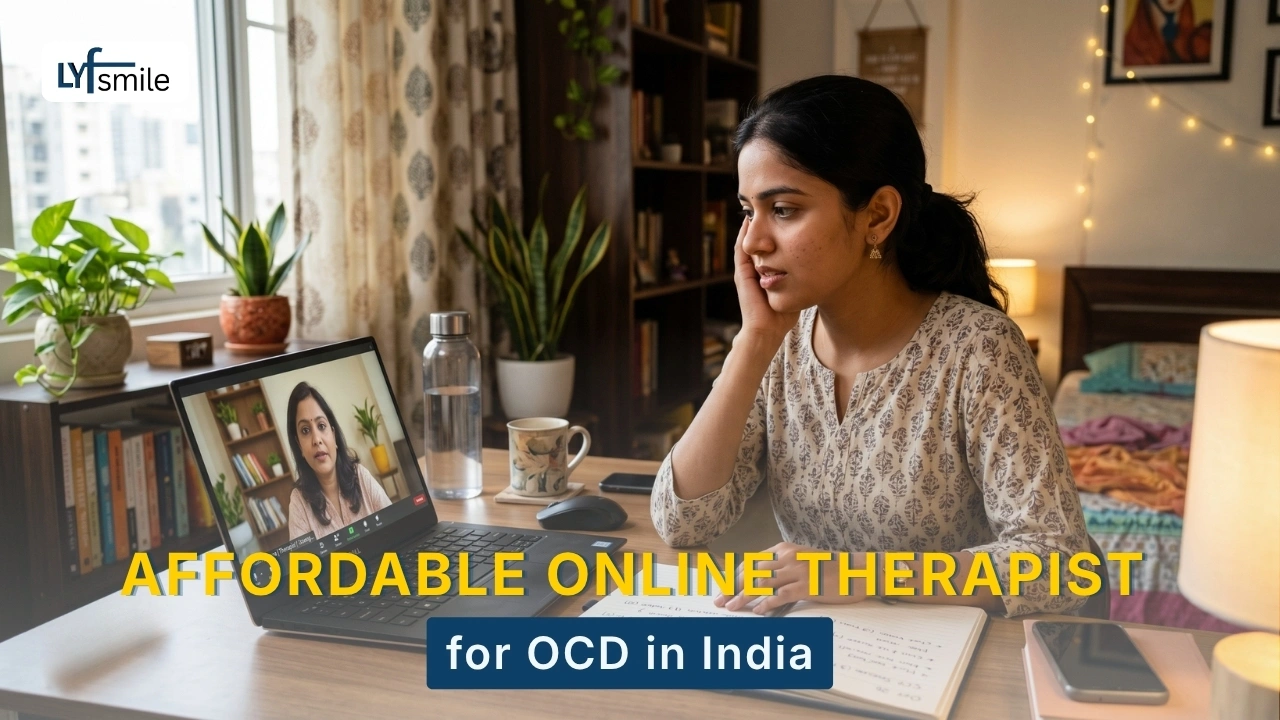
Obsessive thoughts and repetitive behaviours can make everyday life feel mentally exhausting. Many individuals experience intrusive thoughts and compulsions, such as repeated checking, unwanted thoughts, or urges to perform certain actions, but delay seeking help due to confusion or stigma. Choosing an affordable online therapist for OCD in India makes professional support more accessible and private.
Online OCD therapy in India can provide structured professional support for people experiencing intrusive thoughts, compulsive behaviours, excessive reassurance-seeking, or anxiety linked to repetitive patterns. Depending on individual needs, therapy may include approaches such as Cognitive Behavioural Therapy (CBT) and Exposure and Response Prevention (ERP).
With online treatment for OCD in India, individuals can receive structured guidance without clinic visits or added stress. At Lyfsmile, therapy for OCD is provided by Gunjan Bhatia, a Certified Child and Adult Psychologist. She works with individuals struggling with intrusive thoughts, compulsive patterns, and anxiety-driven behaviors, helping them understand triggers and develop healthier responses.
Online therapy helps individuals recognize symptoms of obsessive compulsive disorder, understand the difference between anxiety and OCD, and begin managing OCD with therapy in a consistent and supportive way.
Meet Gunjan Bhatia : Experienced Online OCD Therapist in India
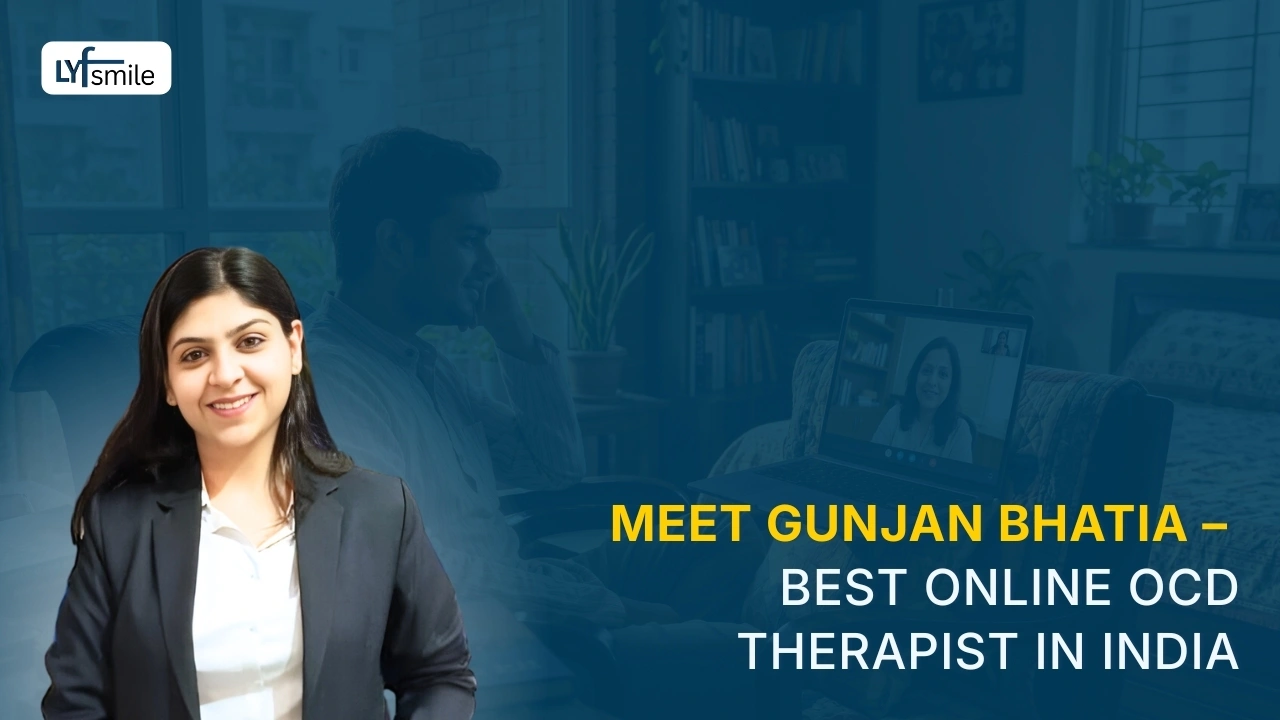 At Lyfsmile, online OCD counseling in India is provided by Gunjan Bhatia is a Certified Psychologist who works with children and adults and provides support for a range of emotional and behavioural concerns. Her areas of work include OCD-related concerns, anxiety, emotional regulation, and other mental health challenges with experience in working with obsessive thoughts and compulsive behaviors. She supports individuals who struggle with intrusive thoughts, repeated actions, and mental discomfort that interfere with daily life.
Education & Credentials
Certified Psychologist
Expert Child and Adult Behavioral Therapist
Mindfulness Coach
Areas of Expertise
Obsessive thoughts and compulsive behaviors
Intrusive thoughts and anxiety-driven patterns
OCD-related behavioral concerns in adults, children, and teenagers
Therapeutic Approaches Used
Cognitive Behavioral Therapy (CBT) techniques for OCD
Solution-Focused Therapy
Emotion-Focused Therapy
Narrative Therapy
Gunjan Bhatia follows a calm, structured, and collaborative approach. She helps individuals understand OCD triggers, reduce compulsive responses gradually, and develop healthier coping strategies. Her online sessions focus on clarity, emotional safety, and practical progress, allowing individuals to work through OCD concerns at a comfortable pace.
Through consistent online therapy at Lyfsmile, individuals can better understand their thought patterns, manage distress, and move toward improved emotional balance and everyday functioning.
Confused whether it's OCD or stress-related anxiety? Take a FREE 15-minute clarity consultation and understand your situation better.
What OCD Really Is: And What It Is Not
Obsessive Compulsive Disorder is often misunderstood and casually used to describe habits like being organized or liking cleanliness. In reality, OCD is a mental health condition involving intrusive thoughts and compulsions that are driven by anxiety, not preference or personality. Misunderstanding OCD can delay the right online treatment for OCD in India and increase emotional distress.
What OCD really is:
A pattern of intrusive, unwanted thoughts that create anxiety
Repetitive behaviors or mental rituals done to reduce that anxiety
Thoughts or urges that feel uncontrollable and distressing
A condition that affects emotional well-being, confidence, and mental peace
Something that benefits from structured professional therapy
What OCD is not:
Simply liking things neat or organized
A habit that can be stopped through willpower
A personality trait or personal choice
Being overly careful by preference
Something that should be dismissed or joked about
Understanding this difference helps individuals recognize the symptoms of obsessive compulsive disorder and seek professional support without self-blame.
Common OCD Obsessions and Compulsions Seen in Individuals
OCD often follows a cycle where intrusive thoughts trigger anxiety, leading to compulsive actions for temporary relief. Over time, this cycle strengthens and becomes harder to manage without therapy.
Common obsessions may include:
Fear of contamination or illness
Unwanted thoughts about harm or safety
Excessive doubt and fear of mistakes
Thoughts that go against personal values
A constant need for things to feel "just right"
Common compulsions may include:
Repeated checking of locks, switches, or appliances
Excessive washing or cleaning
Repeating actions, words, or prayers
Seeking reassurance repeatedly
Mental counting or reviewing
Although compulsions may reduce anxiety briefly, they reinforce the OCD cycle long term. Recognizing these patterns early is key to managing OCD with therapy rather than letting anxiety take control.
How OCD Interferes With Daily Life and Relationships
 Intrusive thoughts and repetitive behaviors can quietly take over daily routines. What starts as anxiety management often begins to consume time, energy, and emotional space.
OCD can interfere with daily life by:
Taking up excessive time due to repetitive actions
Affecting focus at work or studies
Causing mental exhaustion and frustration
Leading to avoidance of anxiety-triggering situations
Creating shame around behaviors that feel uncontrollable
It can impact relationships by:
Creating misunderstandings with family or partners
Increasing reassurance-seeking and tension
Causing emotional withdrawal or isolation
Increasing dependence on others to reduce anxiety
Making open communication difficult
When these patterns persist, professional guidance becomes essential to restore balance and confidence. The constant mental pressure caused by intrusive thoughts and compulsive behaviors can also lead to emotional exhaustion. In such cases, speaking with an “online therapist for stress issues in India” can help address stress-related concerns alongside OCD.
Feeling exhausted from constant mental pressure? Fill out our secure form and take the first step toward professional guidance and relief.
Why Ignoring OCD Can Lead to Bigger Mental Health Problems
OCD may begin with mild intrusive thoughts or small repetitive behaviors, but when left unaddressed, these patterns often become stronger over time. What feels manageable in the beginning can gradually turn into a cycle that consumes more time, energy, and emotional space.
When OCD is ignored, it can lead to:
Increased frequency of intrusive thoughts, making them harder to control
Stronger compulsive behaviors, which may take up hours each day
Growing anxiety and emotional distress linked to fear or uncertainty
Avoidance of people, places, or situations that trigger discomfort
Decline in focus, productivity, and daily functioning
Strain in relationships due to reassurance-seeking or rigid routines
Over time, untreated OCD can also increase the risk of emotional exhaustion, low mood, or co-occurring anxiety and depression. The longer the cycle continues, the more deeply ingrained the patterns become.
Seeking therapy early helps interrupt this cycle. With structured professional guidance, individuals can learn to manage intrusive thoughts, reduce compulsions, and regain control before OCD significantly impacts their quality of life.
Online OCD Therapy: CBT and ERP Techniques
Online therapy uses evidence-based methods that help individuals respond differently to intrusive thoughts and reduce anxiety-driven behaviors. These OCD management techniques are introduced gradually to ensure comfort and consistency.
Common techniques include:
Exposure and Response Prevention (ERP) therapy to face anxiety safely and reduce compulsive reactions
Thought-awareness techniques to reduce reaction to intrusive thoughts
Response management to limit compulsive behaviors
Cognitive restructuring for balanced thinking
Anxiety regulation skills like grounding and breathing
Mindfulness for OCD to observe thoughts without fear or judgment
Through CBT therapy for OCD, Gunjan Bhatia helps individuals understand the difference between anxiety and OCD and develop healthier responses rather than avoidance. ERP therapy for OCD online is introduced step by step, making it comfortable even for first-time therapy seekers.
Managing Guilt, Fear, and Repetitive Thoughts in OCD
Guilt and fear often play a strong role in maintaining repetitive thought patterns. Individuals may feel responsible for having intrusive thoughts or fear that something bad will happen if certain actions are not repeated. These emotions can feel overwhelming and exhausting, making it difficult to break free from the OCD cycle on one's own.
Therapy helps manage guilt, fear, and repetitive thoughts by:
Helping individuals understand that intrusive thoughts do not define their intentions or character
Reducing self-blame and guilt linked to unwanted thoughts
Teaching ways to respond to fear without engaging in anxiety-driven behaviors
Encouraging acceptance of thoughts without acting on them
Building emotional tolerance for discomfort and uncertainty
Replacing avoidance with healthier OCD coping strategies
With consistent guidance, individuals learn that thoughts do not require action to stay safe or in control. Over time, guilt and fear lose their hold, allowing individuals to respond more calmly and regain confidence in managing repetitive thoughts without emotional distress.
How Online OCD Therapy Improves Quality of Life
Affordable online therapy starting at ₹30 per minute makes it possible for individuals to seek consistent support without the added stress of high costs or limited access. When professional help is within reach, individuals are more likely to begin therapy early and continue it regularly, which plays a key role in improving overall quality of life.
Affordable OCD therapy improves quality of life by:
Reducing the intensity and frequency of intrusive thoughts
Helping individuals feel more in control of their emotions and responses
Decreasing anxiety linked to repetitive behaviors
Improving focus, confidence, and emotional clarity
Supporting healthier daily routines and decision-making
Reducing strain on relationships and social interactions
Encouraging long-term emotional balance and resilience
With consistent and affordable support, individuals can shift from feeling controlled by anxiety to feeling empowered in their daily lives. Therapy helps create space for personal growth, emotional stability, and a renewed sense of confidence in managing challenges effectively.
Want quick guidance instead of reading more? Call +91 9804791047 and talk to our care team today.
How Much Does OCD Treatment Cost in India?
The cost of OCD treatment in India can vary depending on the therapist's qualifications and experience, session duration, treatment approach, and frequency of sessions. Online OCD therapy may provide a more flexible option for people who prefer remote sessions.
At Lyfsmile, online OCD therapy starts at ₹30 per minute, subject to the current service terms and availability. The overall cost of therapy depends on the number and frequency of sessions recommended for the individual's needs.
What Should You Look for in OCD Treatment in India?
When looking for OCD treatment in India, consider the therapist's qualifications, experience with OCD, familiarity with evidence-based approaches such as CBT and ERP, session format, availability, cost, and whether the approach fits your concerns.
For people in Gurgaon and other parts of India, online OCD counselling can provide access to a therapist without requiring regular travel to a clinic.
Final Thought: Start Your OCD Treatment Online in India Today
OCD can quietly affect thoughts, emotions, daily routines, and relationships, often leaving individuals feeling mentally exhausted and misunderstood. With the right guidance, however, intrusive thoughts and compulsive behaviors can be managed in a healthier and more structured way.
Through consistent online therapy at Lyfsmile, individuals receive private, flexible, and professional support that focuses on understanding triggers, reducing distress, and building long-term coping skills. Working with an experienced therapist like Gunjan Bhatia allows individuals to regain clarity, emotional balance, and confidence in everyday life.
You don't have to manage this alone. Call us now at +91 9804791047 and speak directly with a licensed therapist who truly listens.
FAQs: Online OCD Therapy in India
1. What are the common symptoms of OCD in adults and teenagers?
Common symptoms include intrusive and unwanted thoughts, intense anxiety, repeated checking or cleaning behaviors, reassurance-seeking, mental rituals like counting or reviewing, and fear of making mistakes. In both adults and teenagers, these patterns can cause emotional distress and interfere with daily routines if left unaddressed.
2. Can online therapy effectively treat OCD?
Yes, online therapy can be effective when guided by trained professionals using structured approaches. Many individuals benefit from consistent online sessions that focus on understanding thought patterns, reducing anxiety, and building healthier responses. Lyfsmile offers access to experienced therapists who provide confidential and evidence-based online OCD counseling in India.
3. How much does online OCD therapy cost in India?
The cost of online OCD therapy in India varies depending on session length and therapist experience. However, online therapy is generally more affordable than in-person treatment. Lyfsmile offers online OCD therapy starting at ₹30 per minute, making professional support more accessible without long-term financial pressure.
4. Is ERP therapy available online for OCD?
Yes, Exposure and Response Prevention (ERP) therapy can be provided online by trained therapists. ERP therapy for OCD online is introduced gradually and safely, allowing individuals to face anxiety-triggering thoughts or situations while reducing reliance on repetitive behaviors , even in an online setting.
5. Can OCD be managed without medication?
Yes, many individuals manage OCD without medication through structured therapy. Counseling focuses on understanding intrusive thoughts, reducing anxiety responses, and building coping skills. Online therapy through Lyfsmile supports non-medication approaches when appropriate, based on individual needs.
6. What should I look for in an online OCD therapist in India?
When choosing an online OCD therapist in India, consider their relevant professional qualifications, experience working with OCD, familiarity with evidence-based approaches such as CBT and ERP, session format, availability, and consultation fee. It is also important to choose a therapist whose approach and communication style feel appropriate for your individual needs.
7. Will OCD symptoms get worse if left untreated?
If left untreated, intrusive thoughts and repetitive behaviors may become more intense or frequent over time. Early professional support helps prevent patterns from strengthening and reduces the risk of increased anxiety or emotional exhaustion.
8. How do therapists help individuals manage intrusive thoughts?
Therapists help individuals understand that intrusive thoughts are not intentional or dangerous. Through structured OCD management techniques, individuals learn to respond to thoughts without fear, reduce compulsive reactions, and build emotional tolerance, gradually gaining better control and confidence.
9. What is the average OCD treatment cost in India?
The average OCD treatment cost in India depends on factors such as therapist experience, session duration, and treatment frequency. Online therapy is often a more affordable option compared to traditional in-person sessions. Lyfsmile provides online OCD therapy starting at ₹30 per minute, allowing individuals to access professional support flexibly and cost-effectively.