

Anupam Tripathi
4 Minutes…52 Times Sorry: Suicide Case Shows Why Parent Guidance Is Crucial
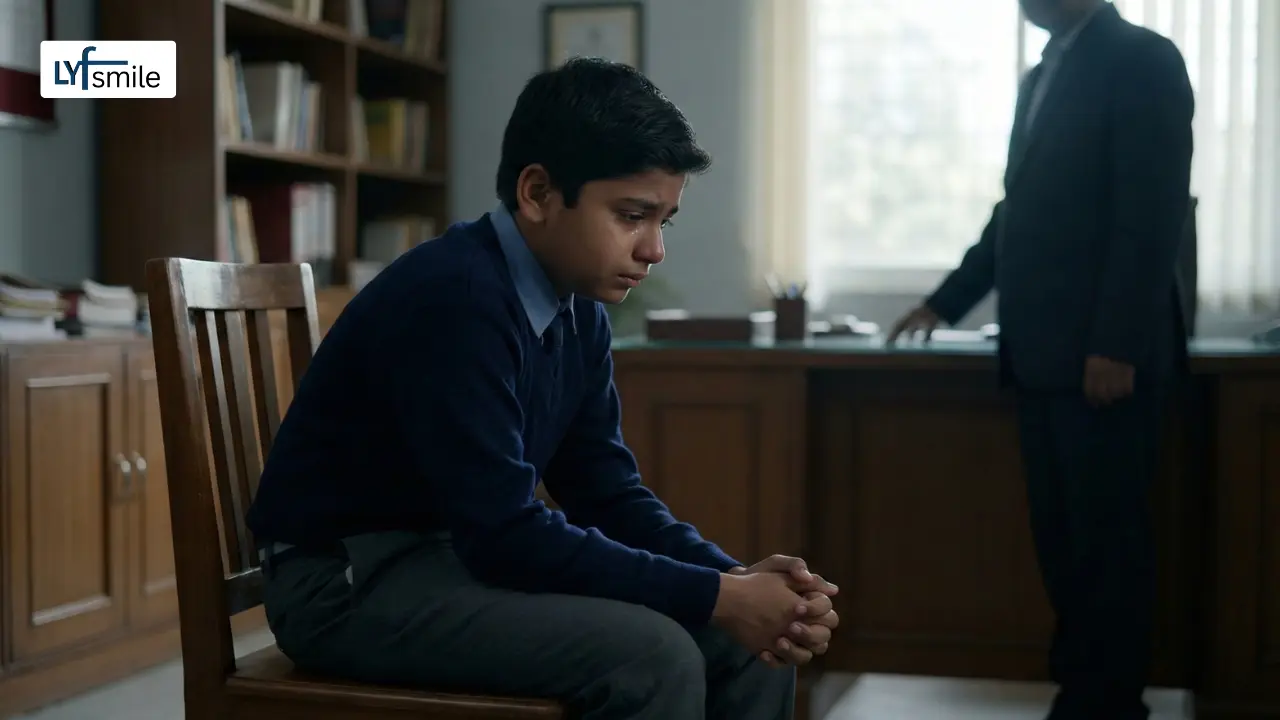
A recent and deeply disturbing child mental health news from Ratlam, Madhya Pradesh, has forced parents and educators across India to pause and reflect. In a matter of just four minutes, a young school child reportedly said “sorry” 52 times inside a school office after being scolded. Shortly after this interaction, the child attempted suicide by jumping from the school building.
Although the child survived, the incident exposed a painful reality, children often carry emotional pain silently, and when it becomes unbearable, their reactions can be extreme. This was not just an act of discipline gone wrong; it was a failure to understand a child’s emotional vulnerability.
The Ratlam School Incident: Understanding the Emotional Impact
As per reports, the child was a Class 8 student and a national-level sports player. The issue began when the child violated a school rule by using a mobile phone. What followed was a strict reprimand by a school authority.
CCTV footage later showed the child repeatedly apologizing, a behaviour that mental health professionals associate with fear, emotional distress, and anxiety in children. Excessive apologizing is often not about guilt alone; it reflects panic, shame, and the fear of consequences.
For a child, especially one who is emotionally sensitive, such an experience can feel overwhelming. Children do not have the emotional maturity to process humiliation, authority pressure, or threatening language. What may seem like “discipline” to adults can feel like total emotional collapse to a child.
How Children Understand Situations Differently
Adults often underestimate how deeply children feel emotions. For a child:
A scolding may feel like rejection
A mistake may feel irreversible
Authority figures may feel frightening
Fear can overpower rational thinking
Children lack fully developed coping mechanisms. When stress builds up due to school pressure, fear of failure, or performance expectations, they may not express it verbally. Instead, emotions turn inward, leading to anxiety, guilt, or silence.
This is why incidents related to school stress and child anxiety are increasing. Without emotional support, children may believe that one mistake can destroy their future.
Why Parent Guidance Is Crucial in Preventing Emotional Crises
Parents are the strongest emotional anchors in a child’s life. When parent guidance is missing or inconsistent, children struggle to understand how to deal with emotional setbacks.
Parent guidance is not about controlling a child — it is about teaching emotional skills such as:
Handling failure
Managing fear
Understanding that mistakes are part of growth
Children who feel emotionally safe at home are far more likely to share their fears instead of hiding them. When parents respond with patience instead of anger, children learn that emotions are manageable, not dangerous.
How Parents Can Communicate With Their Child After Stressful Incidents
1. Create a Safe Emotional Environment
When a child comes home upset, avoid immediate questioning or criticism. A calm and supportive approach helps the child feel secure. Statements like:
“I’m here for you. You can tell me everything.”
reduce emotional intensity.
2. Validate the Child’s Feelings
Validation does not mean approving wrong behaviour. It simply means acknowledging emotions. Saying:
“I understand why you felt scared.”
helps the child feel heard and respected.
3. Avoid Fear-Based Parenting
Threats, comparisons, or harsh warnings increase anxiety. Instead, guide children toward problem-solving and learning from mistakes.
Healthy communication builds trust, which is essential for emotional well-being.
How Parents Can Help Children Handle Emotions Better
Emotional resilience helps children bounce back from difficult experiences instead of breaking down.
Parents can support this by:
Encouraging children to talk daily about school and feelings
Teaching them that mistakes do not define their worth
Avoiding constant pressure to perform or excel
Praising effort rather than only results
Modeling calm behaviour during stressful situations
Children learn emotional regulation primarily by observing adults. A calm parent raises a confident and emotionally secure child.
Benefits of Open Communication Between Parents and Children
Open communication helps children feel safe, supported, and understood at home. When parents listen calmly and allow children to express their thoughts and feelings without fear of being judged or scolded, children are more comfortable sharing what is going on in their minds.
Talking regularly with your child about simple things like school, friends, or daily experiences helps parents understand their emotional state better. These small conversations often reveal early signs of emotional discomfort, such as:
Hidden stress or emotional pressure
Fear of teachers or other authority figures
Anxiety related to schoolwork or peer relationships
When communication remains open, children feel emotionally connected to their parents. This sense of support reduces feelings of loneliness and helps children manage their emotions in a healthier way. It also builds confidence and teaches children that they can seek help when they feel confused or overwhelmed.
If parents still feel unsure about their child’s emotional well-being or notice ongoing changes in behaviour, seeking professional support can be helpful. Connecting with the best child psychologist in India can guide parents in understanding their child better and supporting their emotional growth in the right way.
Signs Your Child May Need Emotional Support Beyond Home
Sometimes children try to cope on their own, but their behaviour quietly shows that they need extra support. These signs may not always look serious at first, but when they continue, they should not be ignored.
Parents may notice changes such as:
Constant apologising or blaming themselves
Strong fear or discomfort related to school
Becoming unusually quiet or emotionally distant
Ongoing worry, sleep changes, or sudden mood shifts
When such patterns continue, professional guidance can help parents understand what their child is struggling with emotionally. Early support from a child psychologist in Gurgaon can help identify stress triggers and teach healthier ways to manage emotions before they become overwhelming.
At Lyfsmile, experienced mental health professionals support families through:
Child-focused counselling sessions
Structured parental guidance
Support for anxiety and emotional stress
Therapy to improve emotional regulation
With the right support, children and parents can learn practical ways to handle emotions better and build long-term emotional strength.
How Parental Counselling Helps You Understand Your Child Better
Many parents assume children will “grow out” of emotional struggles. However, unaddressed emotional issues can intensify over time.
A structured child psychological assessment helps understand:
Emotional sensitivity levels
Stress tolerance
Coping mechanisms
Hidden anxiety patterns
Through psychological assessment and therapy, parents gain a clearer understanding of their child’s emotional needs and behaviour patterns. Parental counselling at Lyfsmile helps parents learn practical ways to guide their children toward emotional strength, confidence, and healthier coping skills. Parents can choose these sessions to better support their child’s overall emotional well-being.
Final Message for Parents
The Ratlam incident is more than just a news update. It shows how important it is to understand what children are feeling and how deeply situations can affect them.
Children do not grow better through fear.
They grow when they feel supported, reassured, and guided with patience.
If you are unsure about how your child is coping emotionally, reaching out for professional help can make a positive difference. Connecting with a Lyfsmile psychologist in Gurgaon or Delhi can help parents understand their child better and teach children healthier ways to handle stress and life’s challenges.
Faqs
Q1: Why is parent guidance important for children?
A: Parent guidance helps children understand and manage their emotions, build confidence, and handle school stress effectively. With proper support, children learn healthier coping skills and emotional resilience.
Q2: How can parents help children handle emotional stress?
A: Parents can support children by creating a safe environment, validating feelings, encouraging open communication, and modelling calm behaviour. Early guidance prevents emotional crises and anxiety.
Q3: When should I consult a child psychologist in Gurgaon or Delhi?
A: Parents should consider consulting a child psychologist if their child shows signs of emotional withdrawal, excessive apologising, fear of school or authority figures, or changes in sleep and mood.
Q4: What is parental counselling and how does it help?
A: Parental counselling helps parents understand their child’s emotional needs, provides strategies to guide them, and improves parent-child communication. Lyfsmile offers professional parental counselling in Gurgaon and Delhi.
Q5: How can psychological assessment help my child?
A: A child psychological assessment identifies emotional sensitivity, stress levels, coping patterns, and hidden anxiety. This helps parents and professionals design targeted support for emotional development.
Q6: Can parent guidance prevent serious emotional issues in children?
A: Yes, consistent parent guidance combined with professional support can help children handle mistakes, reduce anxiety, and develop long-term emotional resilience.
Q7: How do I start open communication with my child?
A: Start by listening calmly, asking gentle questions about their day, validating feelings, and avoiding judgment. Regular daily conversations help children feel emotionally safe and understood.