


Kashu Shankhwar
Complex PTSD Symptoms: Causes, Treatment and Recovery
Complex PTSD (CPTSD) develops after prolonged or repeated exposure to traumatic experiences, especially when a person feels trapped or unable to escape. Unlike post-traumatic stress disorder (PTSD), which may result from a single traumatic event, Complex PTSD often develops after long-term emotional abuse, childhood neglect, domestic violence, bullying, human trafficking, or repeated trauma.
People living with Complex PTSD symptoms may experience emotional flashbacks, constant anxiety, low self-worth, difficulty trusting others, mood swings, and problems maintaining healthy relationships. These symptoms can silently affect work, family life, physical health, and emotional well-being for years before a person realises they are connected to past trauma.
The good news is that Complex PTSD treatment is highly effective when guided by trained mental health professionals. Trauma-informed therapy helps individuals understand how trauma has affected their brain, emotions, and behaviour while teaching healthier coping strategies for recovery.
Whether the trauma happened during childhood or adulthood, healing is possible with the right therapeutic support. Early diagnosis, professional counselling, and evidence-based therapies such as CBT, EMDR, DBT, and Somatic Therapy can significantly improve emotional regulation and quality of life.
What Is Complex PTSD?
Complex PTSD (C-PTSD) is a trauma-related condition that occurs when a person experiences repeated or prolonged trauma over time, especially in situations where escape or safety was not possible. This often includes childhood abuse, emotional neglect, or living in chronically unsafe environments.
While PTSD is usually linked to a single incident, Complex Trauma Disorder affects a person’s emotional regulation, self-identity, and relationships. It is sometimes associated with developmental trauma disorder, particularly when trauma occurs during early childhood developmental stages. Many professionals also refer to it as complex trauma disorder.
People with PTSD are not “overreacting”; their nervous systems learned to survive under extreme stress.
Common Signs and Symptoms of Complex PTSD
 Complex PTSD affects emotional, physical, behavioural, and cognitive functioning.
Emotional Symptoms
Emotional flashbacks
Intense anxiety
Persistent sadness
Shame
Guilt
Feeling emotionally numb
Anger outbursts
Difficulty trusting people
Physical Symptoms
Poor sleep
Nightmares
Headaches
Fatigue
Muscle tension
Digestive problems
Increased heart rate
Chronic pain
Behavioural Symptoms
Social withdrawal
Avoiding relationships
Self-isolation
People pleasing
Difficulty setting boundaries
Self-destructive behaviours
Cognitive Symptoms
Negative self-beliefs
Poor concentration
Memory problems
Constant worry
Confusion
Feeling unsafe even in secure environments
Causes and Roots of Complex PTSD
The foundation of PTSD is long-term trauma rather than a single event. Common causes include:
Childhood emotional, physical, or sexual abuse
Emotional neglect or lack of a safe caregiver
Growing up in households with constant conflict or violence
Chronic bullying or humiliation
Living with caregivers struggling with addiction or mental illness
Prolonged toxic or abusive adult relationships
Children growing up in such environments often adapt by suppressing emotions or becoming hypervigilant. Over time, these survival strategies can develop into symptoms associated with developmental trauma disorder, later manifesting as adult PTSD.
How Childhood Trauma Changes the Brain?
 Childhood trauma affects brain development because the brain is still growing during early life.
Research suggests prolonged trauma may:
Increase stress hormone production
Affect the amygdala (fear centre)
Reduce emotional regulation
Make the nervous system remain on high alert
Impact memory processing
Reduce feelings of safety and trust
These changes explain why adults with childhood trauma may continue experiencing anxiety, emotional flashbacks, and relationship difficulties years later.
Trauma-informed therapy, such as EMDR, attachment-based therapy, and trauma-focused CBT, used by psychologists at Lyfsmile, helps retrain the nervous system to recognise safety again. This process allows individuals to gradually move from constant survival to emotional balance and resilience.
How Complex PTSD Affects Adults and Children
 Impact on Adults
Adults with Complex Traumatic Stress Disorder may experience:
Difficulty maintaining healthy relationships
Emotional burnout and work-related stress
Over-functioning or people-pleasing behaviors
Fear of intimacy or emotional closeness
Chronic feelings of emptiness
Many adults seek therapy believing something is “wrong” with them, without realising that unresolved childhood trauma is driving their emotional responses.
Impact on Children
In children, trauma may lead to:
Emotional stress and frequent emotional outbursts
Difficulty concentrating or learning
Aggressive or withdrawn behaviour
Trouble forming friendships
This is why parenting a traumatised child requires emotional understanding, patience, and professional support to prevent long-term psychological impact.
Therapy and Treatment Options for Complex PTSD
Evidence-based therapy is one of the most effective ways to heal PTSD. At Lyfsmile, individuals and families can connect with highly experienced psychologists who specialise in trauma recovery for both children and adults.
Lyfsmile is home to some of the best child psychologists in India and trauma-informed professionals offering personalised care across India and Gurgaon.
For those seeking PTSD therapy in Gurgaon, Lyfsmile provides both online and offline counselling with some of the best therapists in Gurgaon and India, ensuring accessible and confidential mental health support.
Trauma Therapies Used by Lyfsmile Psychologists
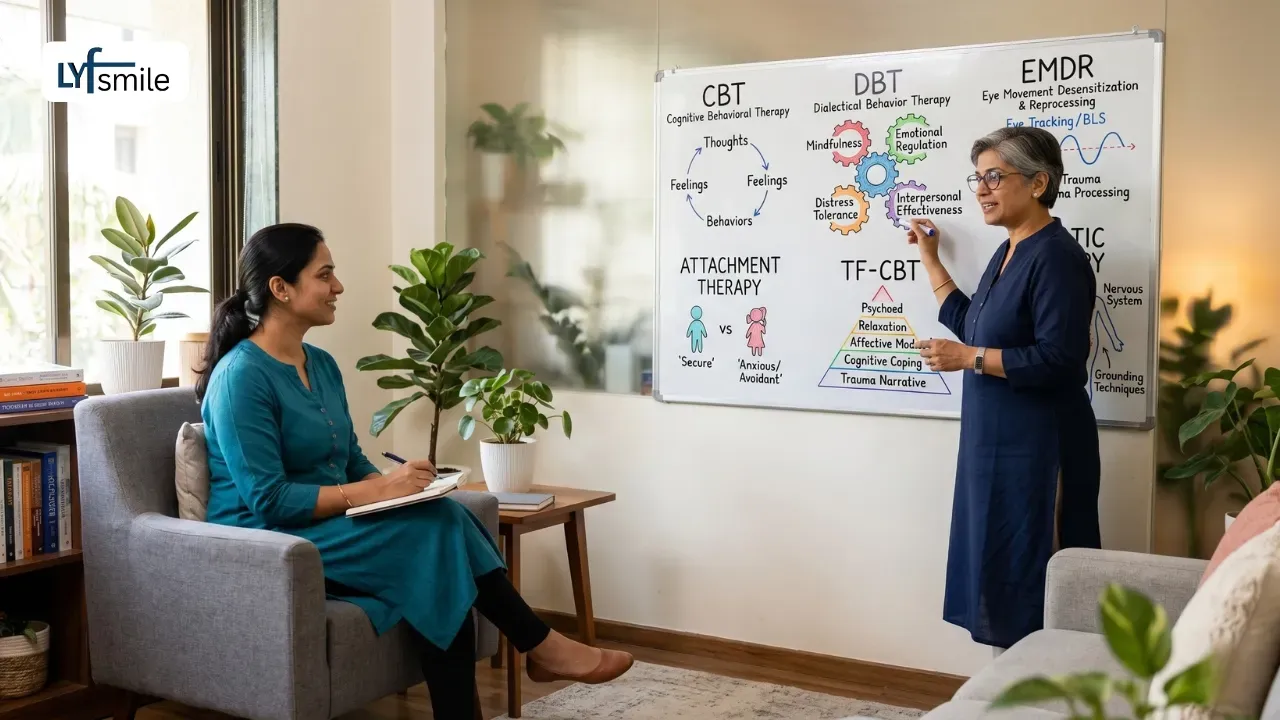 Lyfsmile psychologists use scientifically backed approaches to treat Complex Trauma Disorder, emotional stress, and childhood trauma:
1. Trauma-Focused Cognitive Behavioural Therapy (TF-CBT)
Helps individuals understand trauma responses, manage emotional triggers, and develop healthier thought patterns. Cognitive behavioral therapy
2. EMDR Therapy
EMDR (Eye Movement Desensitisation and Reprocessing) is highly effective for processing traumatic memories without overwhelming emotional distress and is widely used for Developmental Trauma Disorder.
3. Attachment-Based Therapy
Especially helpful for individuals whose trauma affects relationships, trust, and emotional intimacy.
4. Child-Centred Play and Expressive Therapy
Used by the best child psychologists in India at Lyfsmile to help children express emotions safely when verbal expression feels difficult.
These therapies support long-term healing and emotional growth, guiding individuals toward a life beyond survival mode.
Choosing the Right Therapist for Complex PTSD
Healing from PTSD requires a trauma-informed, compassionate approach. Whether you are an adult seeking recovery or a parent looking for help for your child, choosing the right therapist is essential.
At Lyfsmile, you can connect with:
Experienced trauma psychologists across India
The best therapist in Gurgaon for PTSD and complex trauma
Specialised child psychologists for emotional stress and trauma
Flexible online and in-clinic therapy options
Each therapy plan is tailored to the individual’s emotional history and comfort level.
Online Complex PTSD Therapy in India
Online therapy makes professional trauma support more accessible than ever.
With Lyfsmile, you can connect securely with qualified psychologists from anywhere in India.
Benefits include:
Private video sessions
Flexible scheduling
Access from home
Reduced travel stress
Confidential care
Consistent follow-up
Evidence-based trauma therapy
Online trauma counselling can be an effective option for individuals seeking support while balancing work, family, or other responsibilities.
Conclsuion
Living with Complex PTSD symptoms can feel overwhelming, but recovery is possible with the right support. Understanding the effects of long-term trauma is the first step toward healing. Professional therapy helps individuals process traumatic experiences, regulate emotions, improve relationships, and build healthier coping skills.
If you or someone you know is experiencing symptoms of Complex PTSD, seeking help from a qualified mental health professional can make a meaningful difference. With personalised treatment and compassionate care, long-term recovery is achievable.
Frequently asked questions ( FAQ)
What are the symptoms of Complex PTSD?
Common Complex PTSD symptoms include emotional flashbacks, anxiety, shame, low self-esteem, relationship difficulties, nightmares, emotional numbness, hypervigilance, and problems regulating emotions.
What causes Complex PTSD?
Complex PTSD is usually caused by prolonged or repeated trauma such as childhood abuse, emotional neglect, domestic violence, long-term bullying, or ongoing emotional abuse.
Can Complex PTSD be cured?
While there may not be a quick cure, Complex PTSD can be effectively managed with trauma-informed therapy, helping many people achieve significant recovery and improved quality of life.
What is the best therapy for Complex PTSD?
Evidence-based therapies such as CBT, EMDR, DBT, Somatic Therapy, Attachment-Based Therapy, and Trauma-Focused CBT are commonly used to treat Complex PTSD.
Is online therapy effective for Complex PTSD?
Yes. Online trauma therapy can be highly effective when provided by qualified psychologists using evidence-based approaches and regular therapeutic support.
Can childhood trauma cause Complex PTSD?
Yes. Repeated childhood trauma, including emotional abuse, neglect, or family violence, is one of the most common causes of Complex PTSD.
How long does Complex PTSD recovery take?
Recovery varies for each person. Depending on the severity of trauma and consistency of treatment, therapy may take several months to a few years, with gradual improvements over time.
When should I seek therapy for Complex PTSD?
You should seek professional help if trauma symptoms interfere with your relationships, work, sleep, emotional well-being, or daily functioning, or if they persist for several months.