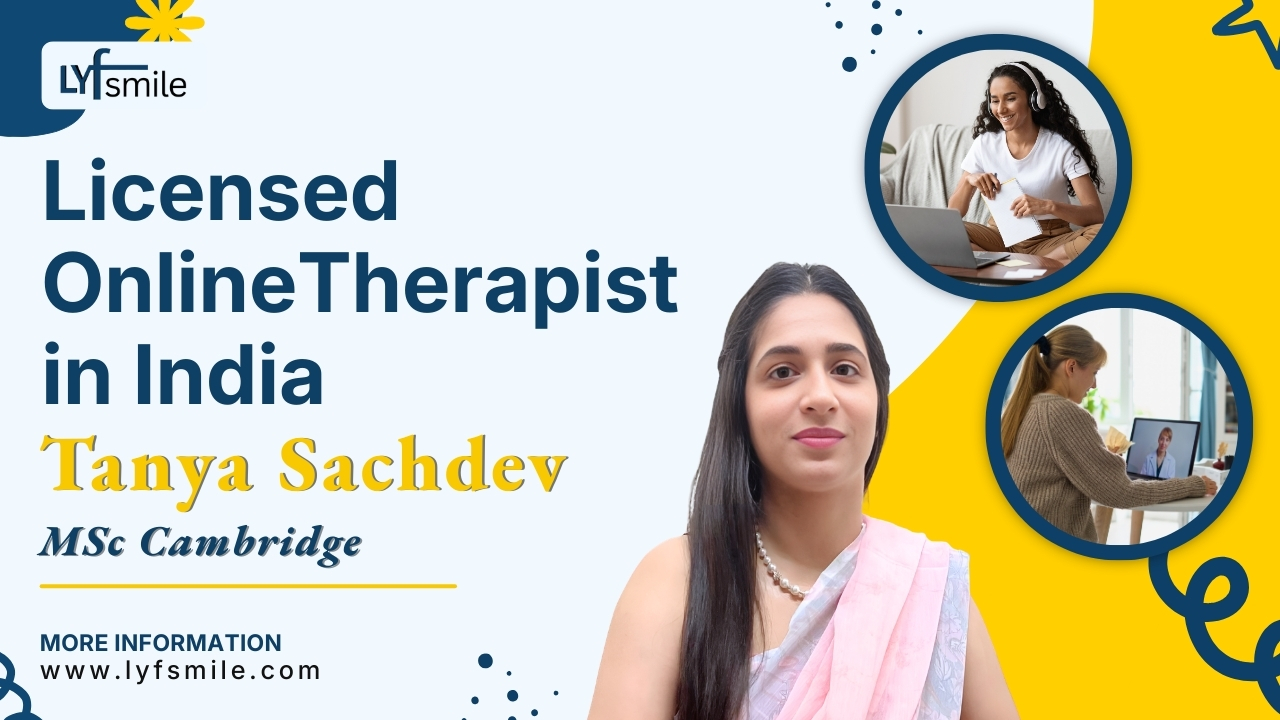
Licensed Online Therapist in India Tanya Sachdev MSc Cambridge
Online therapy has become an important and trusted way to access mental health support, especially for individuals living outside India who want professional care with cultural understanding. It allows people to seek psychological guidance in a confidential and structured manner, without the limits of location or time zones.
Tanya Sachdev is a licensed online therapist in India with an MSc in Clinical Psychology from the University of Cambridge, United Kingdom. Her academic training and professional experience in both India and the UK have given her a deep understanding of emotional and psychological concerns across different cultural settings. This background helps her work effectively with Indians living abroad who may face emotional stress, adjustment challenges, identity concerns or distance-related family pressures.
Through secure online therapy sessions, Tanya Sachdev offers ethical, evidence-based mental health support that is accessible across countries. Her approach focuses on emotional clarity, careful listening and professional responsibility, making online therapy a reliable option for NRIs seeking meaningful psychological support while living away from home.
About Tanya Sachdev Licensed Online Therapist in India
Tanya Sachdev is an expert online therapist in India with strong academic training and international clinical exposure. Her work is based on ethical practice, emotional understanding and evidence-based psychological care. Through online therapy, she supports individuals in a confidential and structured environment, making professional mental health support accessible across India and for NRIs living abroad.
Her professional approach includes:
providing confidential and secure online therapy sessions
following ethical and evidence-based clinical practices
supporting individuals across different age groups
working with clients from diverse cultural backgrounds
offering emotionally supportive and structured guidance
Educational Background and Clinical Training
Tanya Sachdev’s background in psychology is shaped by rigorous academic learning and practical clinical training. Her education and hands-on experience have helped her build a strong foundation in understanding emotional and psychological concerns from a clinical perspective.
Her education and training have equipped her to:
understand emotional and psychological concerns in depth
apply clinical knowledge responsibly in online therapy
work with diverse emotional and behavioural challenges
maintain professional standards in mental health care
offer structured and thoughtful therapy support
MSc in Clinical Psychology from Cambridge, United Kingdom
Tanya Sachdev holds an MSc in Clinical Psychology from the University of Cambridge, United Kingdom. Her studies at Cambridge provided advanced training in clinical psychology and exposure to international standards of mental health care. This experience strengthened her understanding of emotional health across different cultural and social contexts.
Her Cambridge education contributed to:
advanced knowledge of clinical psychology and emotional health
exposure to research-based and evidence-led therapy practices
understanding mental health concerns across cultures
developing a professional and ethical therapy approach
effectively supporting NRIs and international clients through online therapy
Professional Qualifications and Licensing
Tanya Sachdev holds professional qualifications in clinical psychology and practices as a licensed online therapist in India. Her qualifications and licensing reflect formal education, supervised clinical training and adherence to recognised mental health standards. This ensures that her online therapy work is responsible, ethical and clinically appropriate for individuals seeking professional psychological support.
Her professional qualifications and licensing ensure:
compliance with recognised clinical psychology standards
responsible and ethical delivery of online therapy
professional accountability in mental health care
safe and confidential therapeutic practice
credibility and trust for clients in India and abroad
government-certified and licensed practice, meeting official professional and ethical guidelines
Recognized Clinical Psychology Credentials
Tanya Sachdev’s credentials in clinical psychology are based on structured academic learning and supervised clinical training. Her MSc in Clinical Psychology from the University of Cambridge, United Kingdom, forms the core of her professional foundation and aligns her work with international clinical standards.
Her recognised clinical psychology credentials include:
formal postgraduate education in clinical psychology
training aligned with international mental health practices
clinical understanding of emotional and psychological concerns
application of evidence-based therapy approaches
experience working with diverse populations, including NRIs
recognised training and professional credentials from reputed institutions with verified certifications
These credentials support her role as a licensed online therapist who follows established clinical frameworks rather than informal or unverified practices.
Ethical Practice and Professional Standards
Ethical practice is a central part of Tanya Sachdev’s work as an online therapist. She follows professional standards related to confidentiality, informed consent and client well-being, ensuring that therapy sessions remain safe, respectful and professionally guided. Her work is driven by responsibility toward clients’ emotional health and psychological safety.
Her ethical and professional standards include:
maintaining strict client confidentiality
providing therapy within professional scope and competence
following clear boundaries in therapist–client relationships
using evidence-based and ethically approved methods
prioritising client safety, comfort and emotional well-being
By maintaining high ethical standards and professional discipline, Tanya Sachdev ensures that online therapy remains a reliable and trusted form of mental health support for individuals in India and NRIs abroad.
Therapy Approaches Used by Tanya Sachdev
Tanya Sachdev follows a structured and thoughtful therapy approach that is based on clinical training, research-backed methods and emotional sensitivity. Her work focuses on understanding the individual first and then applying the most suitable therapeutic techniques. Each approach is selected carefully to ensure therapy remains effective, safe and meaningful.
Evidence-Based Therapy Techniques
Tanya Sachdev uses evidence-based therapy approaches that are supported by psychological research and clinical practice. These methods are widely recognised in the field of mental health and are applied responsibly based on the client’s needs and concerns.
Her evidence-based therapy approaches include:
use of scientifically proven methods such as Cognitive Behavioural Therapy (CBT)
application of Rational Emotive Behaviour Therapy (REBT) to address thought and behaviour patterns
use of Play Therapy to support emotional expression, especially for children
application of Rewind Therapy for trauma, phobias and emotionally distressing experiences
structured techniques that focus on emotional regulation, clarity and coping skills
These approaches ensure that therapy is not based on guesswork, but on clinically validated methods that support long-term emotional well-being.
Trauma-Informed and Client-Centric Approach
Along with evidence-based methods, Tanya Sachdev follows a trauma-informed and client-centric approach. This means therapy is paced according to the client’s emotional readiness, comfort level and personal experiences. Emotional safety is always prioritised during sessions.
Her child-friendly and client-centric approach includes:
adjusting therapy techniques according to age, comfort level and emotional needs
creating a safe and non-judgmental space for emotional expression
allowing clients to open up at their own pace without pressure
being sensitive to past emotional or traumatic experiences
focusing on emotional safety before working on deeper concerns
This balanced approach helps clients feel understood and supported, making therapy a safe and effective process for emotional healing and personal growth.
Mental Health Concerns Treated
Tanya Sachdev works with a wide range of mental health concerns across different age groups. Her approach focuses on understanding emotional patterns, personal experiences and life situations that contribute to psychological distress. Each concern is addressed with care, confidentiality and evidence-based therapeutic support.
Anxiety, Stress and Overthinking
Anxiety and constant stress can affect emotional balance, sleep, focus and daily functioning. Overthinking often leads to mental exhaustion and emotional overwhelm. Through therapy, individuals learn to understand their thought patterns and develop healthier ways to manage stress and worry.
Therapy support focuses on:
understanding triggers behind anxiety and stress
managing excessive worry and overthinking patterns
improving emotional regulation and calmness
building coping skills for daily challenges
restoring mental clarity and emotional balance
Depression, Emotional Distress and Low Mood
Emotional distress and low mood can make individuals feel disconnected, unmotivated or emotionally drained. Therapy provides a safe space to explore emotions without judgement and helps individuals regain emotional stability over time.
Therapy support focuses on:
understanding emotional pain and low mood patterns
addressing feelings of sadness, emptiness or emotional fatigue
improving emotional awareness and self-understanding
supporting gradual emotional recovery
strengthening emotional resilience
Child Behaviour and Emotional Issues
Children may express emotional struggles through behaviour changes, mood shifts or difficulty communicating feelings. Therapy helps children feel emotionally safe and understood while supporting healthy emotional development.
Therapy support focuses on:
understanding emotions behind behaviour changes
improving emotional expression and regulation
supporting confidence and emotional security
helping children cope with stress and change
guiding parents on emotional support at home
Relationship and Family Concerns
Relationship and family challenges can create emotional stress and communication difficulties. Therapy helps individuals and families understand emotional dynamics and improve connections in a respectful and supportive way.
Therapy support focuses on:
improving communication and emotional understanding
addressing emotional conflicts and misunderstandings
supporting healthy boundaries and emotional balance
strengthening family and relationship dynamics
helping individuals navigate interpersonal challenges
Therapist’s Clinical Philosophy
The therapist’s clinical philosophy is centred on the belief that healing happens through understanding, patience and emotional safety. Emotional struggles are not treated as problems to be fixed quickly, but as experiences that need to be explored with care. Therapy is seen as a supportive process where individuals feel respected, heard and gradually guided toward emotional clarity and balance.
This clinical philosophy is based on the following principles:
Belief about healing
Healing is understood as a gradual journey rather than an instant outcome. Emotional concerns are approached with empathy, allowing individuals to feel safe while exploring their thoughts and feelings at their own pace.Personalised therapy for each individual
Therapy is tailored to the individual’s emotional needs, background, age and comfort level. Sessions are adapted over time, ensuring the therapy process remains flexible, relevant and supportive rather than rigid or formula-based.Focus on long-term emotional well-being
Instead of offering quick fixes, therapy aims to build lasting emotional understanding and healthy coping skills. This long-term approach helps individuals manage challenges more confidently even beyond therapy sessions.
This philosophy reflects a balance of professional structure and human sensitivity, ensuring that therapy supports meaningful and lasting emotional growth.
Cultural Sensitivity and Indian Context
Culturally sensitive therapy plays an important role in effective mental health care in India. Emotional concerns are often closely linked to family dynamics, social expectations, and cultural values. Therapy that understands the Indian context helps individuals feel accepted, understood, and supported, especially when challenges are influenced by family roles, social pressure, and traditional beliefs.
Culturally sensitive therapy focuses on the following areas:
Understanding Indian family dynamics
Indian families often share close emotional bonds, with parents, elders, and extended family playing an active role in decision-making. Therapy takes into account family expectations, responsibilities, and relationships while supporting the individual’s emotional well-being.Recognising social pressure and stigma
Academic performance, career success, marriage, and social image can create significant emotional pressure. Therapy acknowledges these realities and helps individuals cope with stress while addressing the stigma still associated with mental health in Indian society.Respecting diverse parenting approaches
Parenting styles in India vary across families and generations. Therapy respects these differences and works with parents to understand their child’s emotional needs without dismissing cultural values or family beliefs.Balancing urban and traditional lifestyle influences
Urban life often brings fast-paced routines, work stress, and emotional isolation, while traditional environments may involve fixed roles and expectations. Therapy adapts to both settings, recognising how lifestyle differences affect emotional health.
By understanding cultural background, family dynamics and social influences, therapy becomes more relatable and effective for Indian clients. This culturally aware approach helps individuals feel seen within their real-life context, allowing emotional healing to happen in a more natural and meaningful way.
Child, Teen, and Parent-Specific Experience
Working with children and teenagers requires a different level of understanding, patience and adaptability. Emotional expression, behaviour and coping abilities change with age, which is why therapy must be adjusted accordingly. Along with supporting children and teens, involving parents in the process is equally important to ensure emotional stability and progress outside therapy sessions.
This experience includes the following key areas:
Age-specific therapy methods
Therapy is adapted based on the child’s or teenager’s developmental stage. Younger children may need simpler, more expressive ways to communicate emotions, while teenagers benefit from approaches that respect their growing independence and emotional complexity.Support for emotional and behavioural concerns
Children and teens often express emotional stress through behaviour changes, mood shifts or withdrawal. Therapy focuses on understanding these signals and helping them develop healthier emotional awareness and regulation.Active parent involvement
Parents play a vital role in a child’s emotional well-being. Therapy includes guiding parents to better understand their child’s emotional needs and respond supportively at home, creating consistency between therapy and daily life.School-related concerns and pressures
Academic stress, peer relationships, performance pressure and adjustment issues are common during school years. Therapy helps children and teens manage these challenges emotionally while supporting confidence, focus and coping skills.
By addressing the unique needs of children, teenagers and parents together, therapy becomes more effective and supportive. This age-specific and family-inclusive approach helps create lasting emotional understanding and healthier development at every stage.
Online Therapy Safety and Technology
Online therapy is most effective when it is supported by secure technology and clear professional standards. Safety, privacy and confidentiality are essential, especially when therapy sessions are conducted digitally. A reliable online therapy setup helps clients feel confident, protected and comfortable sharing personal information during sessions.
Online therapy safety and technology focus on the following areas:
Use of secure platforms
Therapy sessions are conducted through trusted and secure online platforms designed for professional use. These platforms support encrypted communication to ensure that sessions remain private and protected.Strong privacy and confidentiality protection
Client information, session details and personal data are handled with strict confidentiality. Privacy guidelines are followed carefully so that conversations remain secure and are not accessed or shared without consent.Clear session guidelines and boundaries
Online therapy follows clear professional guidelines regarding session timing, communication boundaries and ethical practice. Clients are informed about how sessions are conducted, what to expect and how their privacy is maintained.Safe and comfortable online environment
Clients are encouraged to attend sessions from a private and quiet space to ensure comfort and emotional safety. This helps create a focused and supportive therapy experience.
By combining secure technology with ethical practice and clear session guidelines, online therapy becomes a safe and dependable option. This structured approach helps clients feel confident while receiving professional mental health support in an online setting.
Results-Focused Yet Ethical Outcomes
Many people begin therapy with an important question: Will this actually help? A results-focused approach answers this concern while staying grounded in ethical practice. Therapy aims to support meaningful emotional improvement, but without making unrealistic or guaranteed promises. Progress is viewed as a gradual and individual process rather than a fixed outcome.
This results-focused yet ethical approach includes:
Clear and realistic goal setting
Therapy begins by understanding what the individual hopes to improve, whether it is emotional clarity, coping skills or better self-understanding. Goals are set collaboratively and adjusted as therapy progresses.Ongoing progress awareness
Progress is observed through emotional changes, improved coping and better self-awareness rather than rigid benchmarks. Regular reflection helps clients recognise growth at their own pace.Ethical expectations, not false promises
Therapy does not offer instant solutions or guaranteed outcomes. Emotional healing is treated as a process, with honesty about what therapy can and cannot provide.Focus on meaningful and sustainable change
The aim is long-term emotional well-being rather than temporary relief. Therapy supports skills and understanding that continue to help even after sessions end.
By combining realistic goals with ethical responsibility, therapy remains both effective and trustworthy. This approach helps clients feel supported, informed and confident in the therapeutic process without pressure or unrealistic expectations.
Testimonials and Client Feedback (Without Overclaiming)
Client feedback plays an important role in helping others understand what therapy feels like in real life. When shared responsibly, testimonials offer reassurance without creating unrealistic expectations. Feedback is presented in a respectful and ethical way, focusing on experience and progress rather than guarantees or exaggerated outcomes.
Client feedback is shared with the following principles in mind:
Anonymous client feedback
Feedback is shared without revealing personal identities, protecting privacy and maintaining confidentiality. This allows clients to speak honestly while feeling safe and respected.Parent reviews and experiences
Parents often share how therapy helped them better understand their child’s emotions and improve communication at home. These reviews highlight emotional progress and support rather than instant results.Observational feedback from close family or caregivers
Feedback may also come from relatives or caregivers who notice positive emotional or behavioural changes over time. These observations reflect real-life improvement without exaggeration.Real and experience-based testimonials
Testimonials focus on genuine experiences such as feeling heard, supported, and guided during therapy. They avoid guarantees, exaggerated outcomes, or promises of complete recovery
By sharing feedback thoughtfully and ethically, testimonials help new clients feel more confident about starting therapy, while staying honest about what therapy can realistically offer.
Difference Between Therapy and Counseling (Including Online Consultation)
Therapy and counseling are both important forms of mental health support, but they are used for different purposes. Many people feel confused about which one they need. Understanding the difference between therapy and counseling can help individuals choose the right type of help. With the growth of online consultation, both services are now more accessible, safe, and comfortable for people seeking professional help.
Both therapy and counseling play an important role in improving mental health. While therapy is suitable for deeper and long-term mental health issues, counseling is helpful for day-to-day challenges and guidance. Online consultation makes both options more convenient by providing professional help in a secure and comfortable environment, allowing people to seek support without hesitation.
First Session Expectations
Starting therapy for the first time can feel uncertain, especially when it is an online session. Knowing what to expect helps reduce nervousness and allows clients to feel more comfortable and prepared. The first session is not about judgement or pressure, but about understanding concerns and creating a safe space for open conversation.
Here is what clients can expect in their first online therapy session:
Initial assessment and understanding
The session begins with a gentle assessment where the therapist learns about the client’s concerns, emotional experiences and goals. This helps build a clear understanding without rushing into solutions.Session flow and structure
The first session usually involves open conversation guided by the therapist. Clients are encouraged to share at their own pace, and the session flows in a calm and supportive manner.Discussion of therapy approach
The therapist explains how therapy works, what methods may be used and how sessions will be structured going forward. This helps set clear and realistic expectations.What clients should prepare
Clients do not need to prepare anything complicated. It helps to think about what brought them to therapy, any concerns they wish to discuss and to attend the session from a private, quiet space.Focus on comfort and emotional safety
The first session prioritises building trust and comfort. There is no pressure to share everything at once, and clients are supported throughout the conversation.
Understanding what happens in the first session helps clients approach therapy with confidence and clarity, making the beginning of the therapy journey feel less intimidating and more supportive.
Tanya’s Commitment to Continuous Learning
A strong commitment to continuous learning is essential in the field of mental health, where research, understanding and best practices continue to evolve. Staying updated allows therapy to remain ethical, effective and aligned with current psychological standards. Ongoing learning reflects professional responsibility and dedication to providing high-quality mental health support.
This commitment to continuous learning includes:
Regular participation in workshops and training programs
Ongoing workshops and professional training help expand clinical knowledge and refine therapy skills. These learning opportunities support deeper understanding of emotional health and emerging therapeutic practices.Clinical supervision and professional reflection
Supervision plays an important role in maintaining ethical standards and professional growth. Regular supervision allows for reflection on clinical work, ensuring therapy remains responsible, balanced and client-focused.Staying updated with current therapy practices
Mental health care evolves with new research and insights. Continuous learning ensures that therapy approaches remain aligned with updated psychological frameworks and evidence-based practices.Commitment to ethical and professional development
Ongoing education reinforces ethical responsibility, clinical judgement and professional integrity, helping maintain high standards in therapy work.
This focus on continuous learning ensures that therapy remains informed, relevant and grounded in best practices. It reflects long-term dedication to professional growth and responsible mental health care.
Helping People Understand Mental Health Through Education
Mental health awareness and education play a key role in reducing stigma and helping people understand their emotional well-being better. By sharing accurate psychological information, individuals and families are able to recognise concerns early and seek support with confidence. Education also helps normalise conversations around mental health in everyday life.
Mental health awareness and education include:
Psychoeducation for individuals and families
Psychoeducation helps people understand emotional patterns, stress responses and mental health concerns in a clear and relatable way. It empowers individuals to make informed decisions about their emotional well-being.Awareness initiatives and open conversations
Promoting mental health awareness through discussions and initiatives encourages people to talk openly about emotional challenges. This helps reduce stigma and builds acceptance around seeking professional support.Informative blogs and educational resources
Sharing well-researched blogs and mental health resources provides ongoing learning beyond therapy sessions. These resources help individuals understand psychological topics at their own pace and support long-term awareness.Encouraging early support and understanding
Education helps individuals recognise early emotional signs and seek help before concerns become overwhelming. This proactive approach supports healthier emotional outcomes.
Through consistent education and awareness efforts, mental health becomes easier to understand and talk about. This role in promoting awareness strengthens trust and positions therapy as a reliable source of emotional guidance and support in India.
Why Tanya Sachdev Is Believed to Be the Most Trusted Therapist for Online Counseling by NRIs
Trust plays a crucial role when NRIs choose an online therapist from India. Cultural understanding, professional credibility, international exposure and ethical practice all matter when seeking mental health support from a distance. Tanya Sachdev is widely trusted by NRIs because her professional journey reflects strong qualifications, global experience and consistent mental health care rooted in Indian values.
She is trusted by NRIs for the following reasons:
Licensed online therapist from India
Tanya Sachdev practices as a licensed online therapist in India, ensuring that her work follows recognised professional and ethical mental health standards. This provides reassurance to NRIs seeking legitimate and responsible therapy support.Qualified from the United Kingdom (University of Cambridge)
She holds a Master’s degree in Clinical Psychology from the University of Cambridge, United Kingdom. This international qualification reflects advanced training, research-based learning and exposure to global clinical practices.Registered with CCI
Her professional background includes alignment with recognised clinical psychology standards, adding to her credibility and professional accountability as a mental health practitioner.Expansion from one centre to three offline centres
Her work has grown from a single practice to three offline therapy centres located in Delhi, Gurgaon and Panipat. This expansion reflects consistent trust, professional growth and the impact of her therapy work over time.Handling online clients across multiple countries
She provides online counseling to clients living in Germany, the United States, the United Kingdom, Europe and Dubai. This global client base highlights her ability to work across time zones and cultural contexts effectively.Trusted by Indian educated families for child, teenager and adolescent growth
Many Indian educated families trust her for supporting children, teenagers and adolescents with emotional, behavioural and personal development concerns. Her approach respects Indian family values while addressing modern emotional challenges faced by young individuals.
Because of her strong academic background, international exposure, ethical practice and cultural sensitivity, Tanya Sachdev is considered a highly trusted choice for online counseling among NRIs. Her work bridges global clinical standards with an understanding of Indian emotional and family dynamics, making therapy feel both professional and relatable for clients living abroad.
Online Therapy Services
Online therapy services provide professional mental health support through secure digital platforms, making therapy accessible regardless of location. These services are designed to offer the same level of care, structure and confidentiality as in-person sessions, while allowing greater flexibility and convenience for clients in India and abroad.
How Online Therapy Sessions Work
Online therapy sessions are conducted through secure and confidential platforms that ensure privacy and professional standards. The process is structured to help clients feel comfortable, supported and informed at every stage.
Online therapy sessions typically involve:
scheduling sessions at a mutually convenient time
connecting through a secure video platform
beginning with a brief check-in to understand current concerns
guided conversation led by the therapist
gradual exploration of emotions, thoughts or challenges
clear closure of each session with next-step guidance
Sessions are conducted in a calm and professional manner, allowing clients to participate from a private and comfortable environment.
Benefits of Choosing Online Counseling
Online counseling offers several advantages, especially for individuals seeking flexible and accessible mental health support.
Key benefits of online counseling include:
access to professional therapy regardless of location
convenience for clients with busy schedules or travel limitations
comfort of attending sessions from a familiar environment
consistent therapy support across time zones
reduced barriers to starting mental health care
privacy and confidentiality maintained throughout sessions
Online therapy combines professional care with modern convenience, making it a practical and effective option for individuals seeking reliable mental health support.
Who Can Benefit from Online Therapy
Online therapy is suitable for individuals and families who are looking for professional mental health support that is accessible, confidential and flexible. It allows people from different life stages and backgrounds to receive emotional guidance without the limitations of location or time.
Children, Adolescents, and Parents
Online therapy can be highly beneficial for children, teenagers and parents when emotional support is needed in a familiar and comfortable environment. It helps families address emotional concerns early while maintaining continuity and consistency in care.
Online therapy benefits children, adolescents and parents by:
providing emotional support in a familiar home setting
helping children and teens express feelings comfortably
supporting parents in understanding emotional and behavioural concerns
addressing school-related stress, emotional changes and adjustment issues
guiding parents on how to support their child’s emotional growth
allowing flexible scheduling around school and family routines
This approach is especially helpful for families seeking professional guidance without frequent clinic visits.
Working Professionals and Couples
Online therapy is also well-suited for working professionals and couples who may find it difficult to attend in-person sessions due to time constraints, work commitments or travel.
Online therapy supports working professionals and couples by:
offering flexible session timings around busy schedules
helping manage work-related stress and emotional burnout
supporting emotional balance and personal growth
improving communication and emotional understanding in relationships
allowing couples to attend sessions together from different locations
maintaining privacy and convenience
For individuals and couples balancing professional and personal responsibilities, online therapy provides a practical and effective way to receive consistent mental health support.
Commitment to Ethical and Confidential Care
Ethical practice and confidentiality form the foundation of responsible mental health care. A strong commitment to ethical standards ensures that clients feel safe, respected and supported throughout the therapy process. Every aspect of care is guided by professional responsibility, transparency and respect for client well-being.
Privacy, Data Protection, and Client Safety
Client privacy and safety are treated as top priorities in online therapy. All sessions and personal information are handled with strict confidentiality to protect the client’s emotional and personal space.
This commitment includes:
secure handling of personal and session-related information
use of protected platforms to maintain data privacy
ensuring sessions are conducted in a safe and confidential manner
safeguarding client information from unauthorised access
maintaining a non-judgmental and emotionally safe therapy environment
Clear ethical practice and confidentiality ensure that clients feel secure sharing personal experiences, knowing their privacy and safety are always respected.
Informed Consent and Professional Boundaries
Ethical therapy requires clear communication and mutual understanding between the therapist and the client. Informed consent is obtained so clients understand the therapy process, expectations and boundaries from the beginning.
Professional standards are maintained through:
clear explanation of therapy methods and session structure
obtaining informed consent before starting therapy
maintaining appropriate professional boundaries at all times
working strictly within professional scope and competence
respecting client autonomy and emotional comfort
By following ethical guidelines and maintaining clear boundaries, therapy remains a safe, respectful and professional space. This commitment builds trust and ensures that mental health support is provided with integrity and care.
Book an Online Therapy Session with Tanya Sachdev
Booking an online therapy session is a simple and secure process designed to make mental health support easily accessible. Online therapy allows individuals and families to receive professional psychological care from a licensed therapist while maintaining privacy, comfort and flexibility. Sessions are conducted with care, confidentiality and respect for the client’s emotional needs.
Online therapy is suitable for individuals in India as well as NRIs who are looking for culturally sensitive, ethical and professional mental health support without geographical limitations.
Schedule a Confidential Online Consultation in India
Online consultations are scheduled in a structured and client-friendly manner to ensure comfort and clarity from the very first session. Each consultation is conducted in a safe and confidential environment, allowing clients to openly discuss their concerns without fear or pressure.
The online consultation process includes:
easy scheduling at a mutually convenient time
secure and private online session setup
a calm first session focused on understanding concerns
clear explanation of the therapy process and next steps
strict confidentiality and professional boundaries
Clients are encouraged to attend sessions from a quiet and private space to ensure a comfortable experience. Scheduling an online therapy session is the first step toward gaining emotional clarity, balance and professional support in a respectful and confidential setting.
Frequently Asked Questions About Online Therapy in India
Why do I feel anxious all the time and should I try online therapy
Feeling anxious all the time can be linked to ongoing stress, emotional pressure, overthinking or unresolved worries. When anxiety starts affecting sleep, focus, relationships or daily functioning, seeking professional support can be helpful. Online therapy allows you to talk to a qualified therapist in a safe and confidential setting, helping you understand your anxiety and learn healthier ways to manage it without the need for in-person visits.
Can online therapy help with panic attacks and overthinking
Yes, online therapy can help individuals who experience panic attacks and constant overthinking. Therapy focuses on understanding triggers, emotional responses and thought patterns that contribute to panic and mental overload. With regular online sessions, individuals can learn coping strategies, emotional regulation skills and ways to reduce the intensity and frequency of these experiences.
Is online therapy effective for depression symptoms
Online therapy can be effective for managing symptoms of depression such as low mood, emotional heaviness, loss of interest and mental fatigue. It provides a structured space to explore emotions, understand underlying factors and gradually work toward emotional balance. Consistent online therapy offers professional guidance while maintaining privacy and accessibility.
What are the signs I need online therapy for stress and burnout
Online therapy may be helpful if stress or burnout lasts for weeks and begins to affect your mental or physical well-being. Common signs include constant exhaustion, irritability, lack of motivation, difficulty concentrating, sleep issues or feeling emotionally drained. Early support through online therapy can help prevent burnout from becoming more severe and support long-term emotional health.
Is online therapy confidential and safe in India
Yes, online therapy in India is confidential and safe when conducted by a licensed and ethical therapist. Sessions are held on secure platforms, and client information is protected through strict privacy practices. Therapists follow professional guidelines related to confidentiality, informed consent and data protection, ensuring a safe space for emotional discussions.
Does online therapy really work compared to face to face therapy
Online therapy can be just as effective as face-to-face therapy for many mental health concerns. The effectiveness depends more on the quality of the therapist, consistency of sessions and the therapeutic approach rather than the mode itself. Many people find online therapy equally supportive, especially when comfort, accessibility and regular follow-ups are maintained.
How private are online therapy sessions in India
Online therapy sessions are highly private when conducted properly. Sessions are one-on-one, confidential and not recorded without consent. Clients are encouraged to attend sessions from a private space, and therapists ensure that communication remains secure and professional throughout the process.
Is online therapy worth it for long term mental health issues
Yes, online therapy can be beneficial for long-term mental health concerns when sessions are regular and goal-oriented. It supports gradual emotional understanding, coping skill development and long-term well-being. Many individuals continue online therapy for extended periods because of its convenience, consistency and ability to fit into daily life.
How does online therapy work in India step by step
Online therapy in India follows a simple and structured process. First, you book a session with a licensed therapist at a convenient time. The session is conducted through a secure online platform using video or audio. During sessions, you talk openly about your concerns while the therapist listens, guides and supports you professionally. Follow-up sessions are scheduled based on your needs and comfort level.
What happens in the first online therapy session
The first online therapy session focuses on understanding you rather than fixing everything immediately. The therapist asks about your concerns, emotional experiences and what brought you to therapy. You can share at your own pace, and the therapist explains how therapy will work going forward. The goal of the first session is to build comfort, clarity and trust.
How many online therapy sessions do I need to feel better
The number of sessions varies from person to person. Some people feel relief within a few sessions, while others benefit from ongoing support over a longer period. Progress depends on the nature of the concern, personal goals and consistency. Therapy is usually reviewed regularly to see what is helping and what needs adjustment.
Can I switch therapists easily in online therapy
Yes. If you feel that a particular therapist is not the right fit, you can request a change. Lyfsmile has multiple qualified therapists, and clients can request a switch if they face any discomfort or feel the need for a different therapeutic approach. The aim is to ensure you feel comfortable, supported and confident in the therapy process.
Best online therapist in India for anxiety and stress
When looking for the best online therapist in India for anxiety and stress, professional training, ethical practice and real clinical experience matter the most. At Lyfsmile, online therapy is led by Tanya Sachdev, who is widely trusted for her calm, structured and evidence-based approach. With an MSc in Clinical Psychology from Cambridge (UK) and experience working with Indian and international clients, she helps individuals understand anxiety, reduce emotional overload and build healthier coping skills through secure online therapy.
Online therapy for Indian parents dealing with child behavior issues
Lyfsmile offers online therapy for Indian parents who are concerned about their child’s behaviour, emotions or stress. Therapy focuses on understanding what the child is feeling rather than only correcting behaviour. Parents receive guidance on emotional communication, consistent responses at home and ways to support their child’s overall emotional growth. Sessions are designed to be parent-inclusive and culturally sensitive.
Is online therapy good for Indian couples and relationship problems
Yes, online therapy can be very effective for Indian couples facing relationship challenges. Lyfsmile’s online counselling supports couples in improving communication, resolving emotional misunderstandings and managing conflicts respectfully. Online sessions make it easier for couples with busy schedules or living in different cities or countries to attend therapy together while maintaining privacy.
Online therapy for working professionals with job stress in India
For working professionals dealing with job stress, burnout or emotional exhaustion, Lyfsmile provides flexible online therapy options that fit around demanding work schedules. Therapy helps professionals manage pressure, improve emotional balance, set boundaries and cope with work-related stress without needing frequent clinic visits.
Online therapy for students facing exam anxiety in India
Students across India use Lyfsmile’s online therapy services to manage exam anxiety, academic pressure and performance stress. Therapy helps students build emotional confidence, improve focus and reduce fear related to exams. Online sessions allow students to access professional support from a safe and familiar environment, especially during high-pressure academic periods.
Can NRIs take online therapy from an Indian therapist
Yes, NRIs can take online therapy from an Indian therapist as long as the therapist is professionally trained, licensed and follows ethical standards. Lyfsmile provides secure online therapy for NRIs across different countries and time zones. With international training and experience working with global clients, Tanya Sachdev offers culturally sensitive therapy that understands both Indian family values and overseas lifestyle challenges.
Online therapy in India for clients living abroad
Clients living abroad can easily access online therapy from India through Lyfsmile’s secure online platforms. Sessions are conducted confidentially and scheduled to suit international time zones. This allows NRIs to receive professional mental health support from India while staying connected to culturally familiar care, without the need to travel.
Is online therapy effective for people living outside India
Yes, online therapy can be effective for people living outside India when sessions are consistent, structured and led by an experienced therapist. Lyfsmile’s online therapy focuses on emotional understanding, coping skills and long-term well-being, making it suitable for individuals living abroad. Many NRIs find online therapy helpful because it combines professional guidance with cultural understanding and convenience.