

Chahat Malhotra
My Child Is Scared to Go to School: What Should I Do?
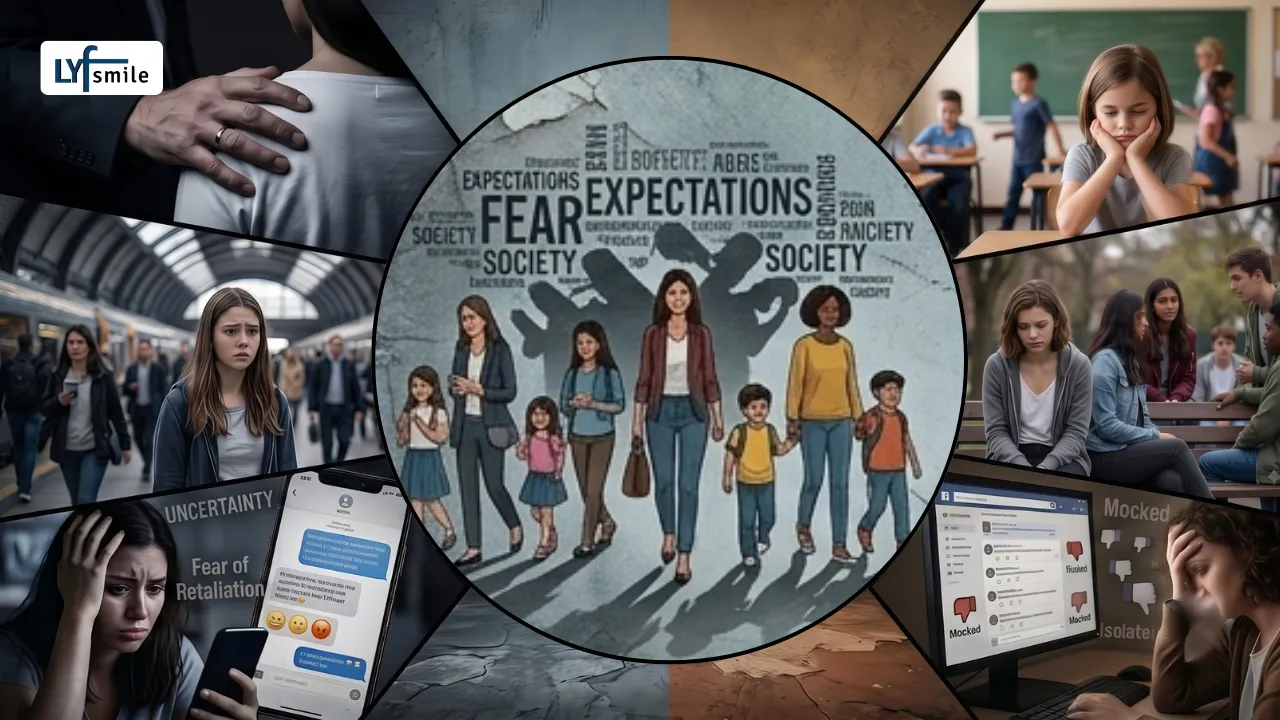
If your child is scared to go to school, cries every morning, complains of stomach aches, or refuses to leave home, you are not alone. Many children experience school fear, school anxiety, or even school phobia, especially during transitions, after holidays, or due to emotional and social challenges.
Sometimes children cannot explain why they are afraid. Behind school refusal may be separation anxiety, bullying, academic stress, fear of teachers, or social difficulties. If these signs are ignored, they may affect a child's confidence, emotional well-being, and academic performance.
School fear often develops because of anxiety, emotional distress, or difficult experiences rather than a lack of interest in learning. Early Counseling for School Stress, Child Anxiety Therapy, and Child Mental Health Counseling help children understand their fears, build confidence, and return to school with greater emotional security.
But here’s the important part: when these issues are left unnoticed, they can slowly start affecting your child’s academic performance, health, and behaviour. What may seem small at first can actually stem from more serious underlying causes. That’s why it’s important to pay attention, listen closely, and take these signs seriously before they grow into bigger challenges.
What Are the Signs of School Anxiety in Children?
A child who is scared to go to school may not always express their fears directly. Instead, school anxiety in children often appears through emotional, physical, and behavioural changes. Recognising these signs early can help parents understand the underlying cause and provide timely support.
Emotional Signs
Frequent crying before school
Clinginess and separation difficulties
Irritability and mood swings
Increased fear and nervousness
Low confidence
Physical Symptoms
Stomach aches before school
Headaches without medical reasons
Nausea or vomiting in the morning
Fatigue and low energy
Sleep disturbances
Behavioural Signs
Refusing to get ready for school
Avoiding homework and school discussions
Making excuses to stay home
Withdrawal from friends and activities
Tantrums before leaving for school
If these symptoms continue for several weeks, parents should not ignore them, as they may indicate school phobia or severe school anxiety.
Common Causes of School Fear and School Refusal
Understanding the reason behind school refusal is important because every child experiences school differently. Some children may fear being separated from their parents, while others struggle with social or academic pressures.
Separation Anxiety
Young children often experience anxiety when separated from parents or caregivers. This is one of the most common reasons why a child is afraid to go to school.
Bullying and Social Difficulties
Fear of classmates, bullying, peer pressure, or difficulty making friends can make children avoid school and social situations.
Academic Pressure
Homework, exams, and high expectations can sometimes overwhelm children and increase school anxiety.
Fear of Teachers or Discipline
Some children may become anxious because of strict teachers, fear of punishment, or embarrassment in the classroom.
Family Problems and Emotional Distress
Divorce, grief, relocation, family conflict, or loss of loved ones can affect a child's emotional health and lead to school avoidance.
Physical Symptoms Related to Anxiety
School fear in children may also appear as headaches, stomach aches, vomiting, fatigue, and mood swings. Regular Child Emotional Support from parents helps children feel safe discussing school-related worries before anxiety begins affecting their confidence and attendance.
For Parents: Some Tackling Tips For Your Child’s Health
As concerned parents, one should be patient, empathetic and caring as school stresses your child. Their stress will not be reduced by simply reassurance, talking or forcing them to go to school. Here are some tips you should follow-
Calmly take early initiative- It is essential to act as a supportive friend rather than only focusing on their compliance.
Be Empathetic- You should not be judging before listening to their issues or feelings. Affirmatively encourage them to go to school instead of forcing and being strict.
Practice at Home- Parents should limit their screen time and play time. In front of them, speak politely, be honest and obedient.
Ensure Physical Health-Try to limit their junk food, night sweets and visit paediatricians for symptoms like stomach ache, headache and sleeping problems.
Positive Self-Talk- As a friend, listen and encourage your child to tell you about the whole day at school. Also, if needed, plan meetings with concerned teachers to maintain a safe and healthy environment in school.
Teaching Coping Skills- Teaching them to boldly stand for themselves. Do healthy exercises under pressure or stress and while feeling anxious, like slow breathing, meditation, and effectively communicating, etc.
Extra Help Needed- You can take assessment sessions if confused, or go for therapy sessions directly from our expert child-therapists.
It’s not always easy for parents to understand everything their child is going through. You can start by noticing small behaviour changes and even writing them down to track your child’s anxiety and well-being.
But if things start feeling serious or too difficult to handle on your own, it’s okay to ask for help. If you’re busy or unsure what to do, you can go for professional support. Therapy options are available both online and offline to guide and support your child in the right way.
The “Morning Routine” Checklist for Parents
To make your mornings smoother, try these simple, practical steps:
Prep the Night Before: Pack school bags, choose outfits, and get lunches ready. It saves you from last-minute stress in the morning.
Wake Up a Little Earlier: Give your child 10–15 minutes of calm time, maybe a cuddle, a short chat, or a quiet activity before the rush begins.
The “Positive Focus”: Instead of asking, “Are you nervous about school?”, try asking, “What are you excited about today?” or “Who will you play with?” It gently shifts their mindset.
Positive Reinforcement: Appreciate small efforts. Even reaching the classroom without a meltdown is a big win, saying things like, “I’m really proud of you, that was very brave.”
And if, even after trying these steps, your child’s school fear still feels strong or difficult to manage, it’s important to seek the right support. A Child psychologist for school refusal or School phobia treatment can help your child understand their fears, build confidence, and gradually feel comfortable going to school again.
How to Help a Child With School Phobia
School phobia can be overwhelming for both children and parents, but with consistent support and evidence-based strategies, most children can gradually overcome their fears.
Gradual Exposure
Help your child take small steps towards attending school instead of forcing immediate change.
Positive Reinforcement
Celebrate progress and appreciate even small achievements.
Teach Healthy Coping Skills
Deep breathing exercises, mindfulness techniques, and relaxation practices can help children manage anxiety symptoms.
Build Confidence
Encourage hobbies, sports, and activities that increase self-esteem and social confidence.
Seek Professional Support
If school fear becomes severe or persistent, school anxiety therapy and child counselling for school stress can help children understand and manage their emotions effectively.
Working with an experienced Child Therapist helps children gradually overcome school-related fears using structured, evidence-based techniques while also guiding parents on how to provide effective support at home.
Therapy Modes (Online or Offline) Available - Children with School Fear
At Lyfsmile, we offer clinically guided, child-centred therapy services to help children manage school fear, emotional distress and anxiety-related challenges. Our evidence-based interventions are delivered by trained child psychologists and therapists, focusing on emotional regulation, confidence-building, and healthy school adjustment.
Offline (In-Clinic Therapy):
In-person sessions at our centres provide a structured and supportive environment where children can engage directly with therapists. This approach helps build trust, practice social skills, and work through school-related fears with guided support.
Online Therapy:
Secure online sessions offer flexible and convenient access to therapy from home. This option is ideal for children who feel anxious about clinic visits or for families seeking consistent support without travel.
Both therapy options ensure accessible and continuous mental health care tailored to every child’s needs.
Unsure About Therapy for Your Child? Take a Professional Assessment First
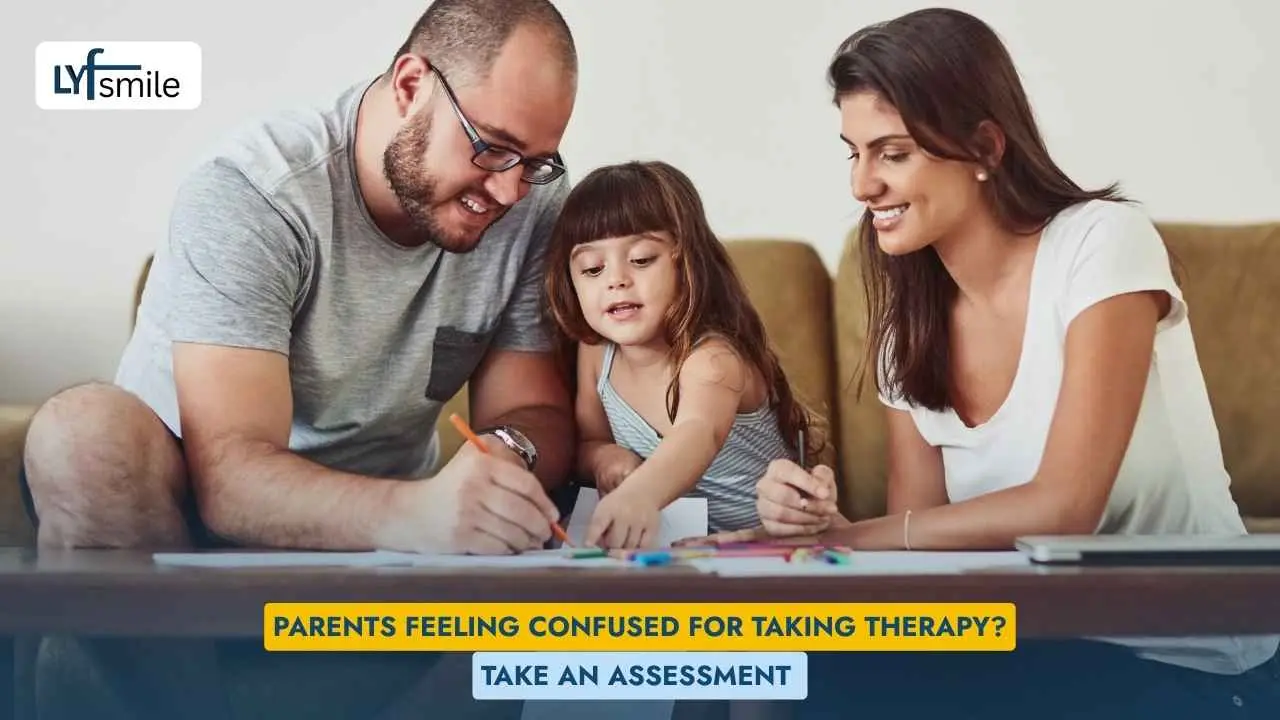 If your child is not able to express properly and you feel that he/she might be hiding something, it can be difficult for parents to understand what is really going on. Understanding and facing certain problems positively may feel impossible for the child, which often leaves parents feeling confused and unsure about the next step.
In such situations, it is advisable to consult a professional and begin with a school anxiety and behaviour assessment. Ignoring these early signs may later affect a child’s ability to build relationships, handle pressure, and cope emotionally.
Assessment options available at ₹500 in both online and offline modes include:
Lyfsmile offers online assessment support for concerns such as school stress, low mood, separation anxiety, relationship difficulties, grief, and low self-esteem.
The platform allows parents to schedule assessment sessions with licensed professionals from India.
Specialised assessment services are designed to understand emotional distress, social challenges, and developmental concerns in children and adolescents.
The platform also provides tools like free self-assessment tests to help parents gain insights into their child’s behaviour and development.
Starting with an assessment would help parents gain clarity and understanding about their child’s emotional and behavioural needs. It allows parents to make sound decisions with confidence, without rushing or guessing, and ensures the right support is chosen at the right time.
When Should Parents Seek Professional Help for School Refusal?
School fear is common and often temporary. However, parents should seek professional help if:
School refusal continues for more than two weeks.
The child cries every morning.
Anxiety causes vomiting or stomach aches.
Sleep patterns become disturbed.
Academic performance starts declining.
The child avoids friends and social situations.
Panic attacks or excessive fears are present.
A child psychologist for school refusal can help identify the root cause and provide personalised support through school anxiety therapy and child counselling.
Conclusion
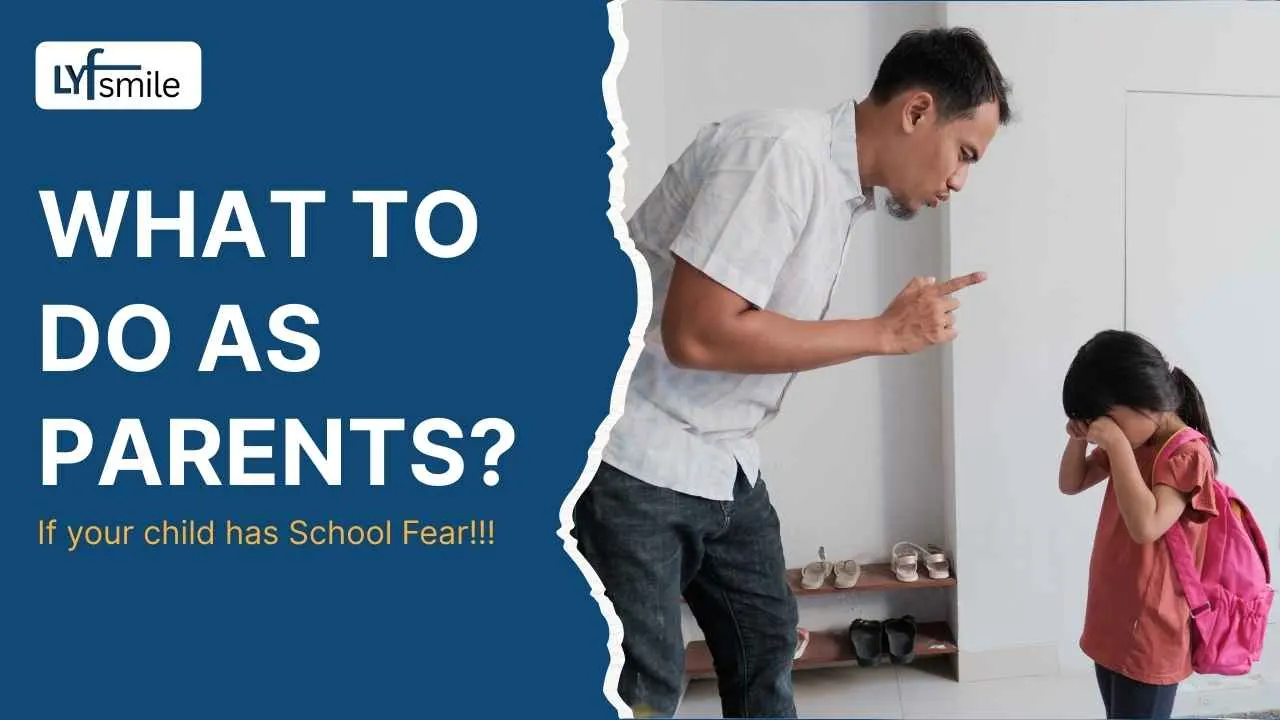
School fear in children is common and, in most cases, manageable with patience, understanding, and the right support. Parents should avoid forcing or shaming their children and instead focus on understanding the underlying cause of their anxiety.
With love, empathy, and consistent encouragement, most children gradually regain confidence and feel comfortable returning to school. However, if school refusal becomes persistent or starts affecting emotional well-being, learning, or social relationships, seeking guidance from a child psychologist can make a significant difference.
Early intervention helps children develop healthy coping skills and supports their emotional, social, and academic growth.
Some More Options Are Available At Lyfsmile
Accessible Online Support: Users can book consultations remotely, allowing ease of access regardless of location.
Wide Range of Services: From child counseling to couples therapy, Lyfsmile covers multiple mental health needs.
Multicultural Competence: Therapists understand and respect cultural differences, which is important for global or diaspora clients.
Frequently Asked Questions
Why does my child refuse to go to school suddenly?
There can be various reasons for refusing to go to school, such as fear of teachers, bullying, stress and separation anxiety. This can be a little difficult for parents to figure out everything perfectly. You can journal any noticeable behaviour and changes in your child's anxiety to ensure health and safety. Sometimes, due to both parents working, not having enough time and patience, you can go for a consultation from our child-care clinic.
Is avoiding school a sign of anxiety or something else?
Yes, this might be indicating the reason for insomnia, depression and fatigue-like health issues. Which can also impact their daily life functioning.
How can parents help children who are scared of school?
Try to ask them reasons and be firm but loving while handling this situation. As concerned parents, be patient, empathetic and understanding. If they are scared to go out and engage in group activities, then you should immediately consult a doctor or therapist.
Can therapy help a child who avoids social situations?
Yes, a special exposure therapy is designed for children facing fear or anxiety in social situations.
What triggers school avoidance in children?
In kids, this issue is common and temporary; they can overcome it by controlling their fears and emotional distress. Usually, for children, this CBT therapy is recommended.
Should I force my child to attend school if they are scared?
No, this would intensify their emotional distress situation and lead to dire consequences such as depression, narcissistic attitude and somatic symptoms.
How do I know if my child’s fear of school is serious?
This can stem from serious causes that should not be ignored. Parents should not assume this as their ‘drama’, ‘attention seeking’ and ‘laziness’. Otherwise, they will feel misunderstood and intensify their actions.
Can school avoidance affect my child’s learning and confidence?
School plays a vital role in a child’s holistic development by socialising, exposing and fostering creativity as well as sensitivity in them. School fear is common and temporary for many children. With love, patience and consistent support, parents help their child to overcome their fear of school, emotional distress, issues related to school and anxiety. If they are scared to go out and engage in group activities, then you should immediately consult a doctor or therapist.
Are there exercises or strategies to reduce school anxiety?
They should practice healthy exercises under pressure or stress and while feeling anxious, like slow breathing, meditation and communicating, etc. Your child needs child counseling for school stress, and after assessment, may be recommended school anxiety therapy.
When should parents seek professional help for school refusal?
If your child is not able to express properly, and you feel like he/she might be hiding something. Understanding and facing some helping problems in a positive manner feels impossible for them. Then it is advisable to immediately consult and feel free to take school anxiety therapy sessions from our experts. Because this may lead to serious problems in making relations, handling pressure and mental disorders like depression.