

Sarvesh Kumari
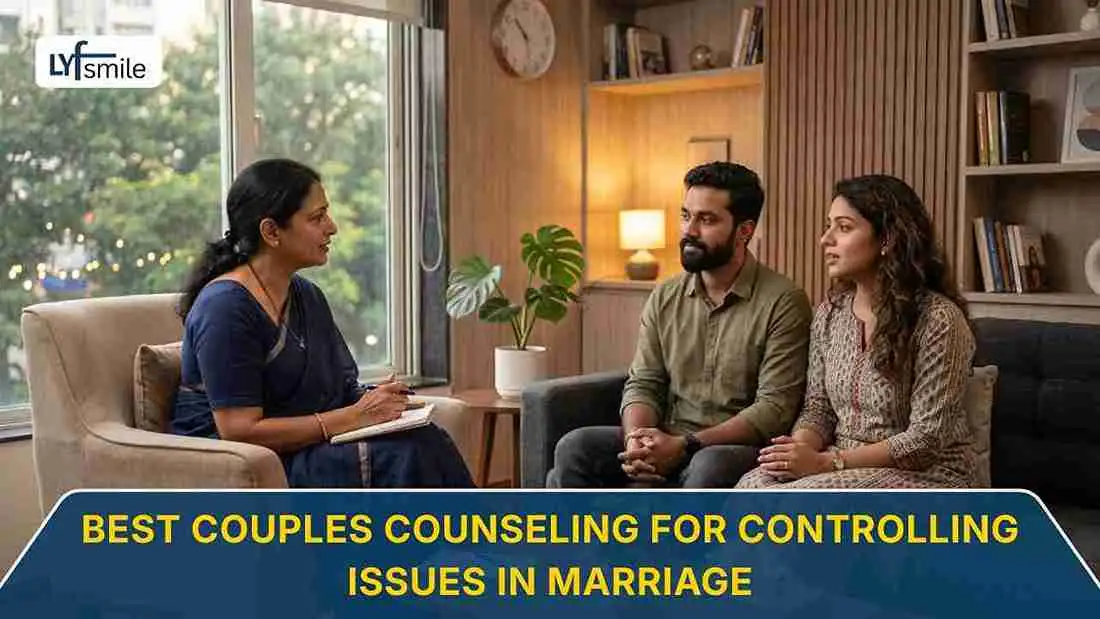
Best Couples Counseling for Controlling Issues in Marriage
Control issues in a marriage can gradually affect trust, communication, independence, and emotional connection. One partner may feel that their choices are constantly questioned, monitored, criticised, or influenced, while the other may not recognise how their behaviour is affecting the relationship.
Couples therapy for control issues can provide a structured space to understand these patterns and explore healthier ways of communicating, making decisions, setting boundaries, and responding to conflict. The right approach depends on the nature of the relationship and the circumstances of both partners.
Control can take different forms, from excessive monitoring and decision-making to guilt, manipulation, criticism, or attempts to restrict a partner's independence. Recognising the pattern is often an important first step toward deciding what kind of support may be appropriate.
Couples therapy for controlling issues helps both partners identify the root causes of controlling behavior, break toxic patterns, and rebuild a relationship based on mutual respect and emotional safety. At Lyfsmile, our expert therapists use evidence-based approaches to help couples across India - including couples counseling in Gurgaon for control issues rediscover balance and connection.
What Are the Real Signs of Controlling Behavior in Marriage?
Most couples don't recognize controlling behavior until the damage is already deep. It rarely looks like obvious aggression - it hides in everyday patterns that slowly erode trust, confidence, and emotional safety.
Primary Warning Signs of Controlling Behaviour in Couple
One partner constantly tries to control decisions, activities, finances, or personal choices without mutual discussion. Frequent criticism, guilt-tripping, manipulation, or dismissing a partner's feelings are common signs of unhealthy control in a relationship.
Constant Monitoring & Invasion of Privacy
A controlling partner may constantly monitor your location, calls, or social media activity, making you feel as though your personal space no longer exists.
Decision-Making Without Discussion
Making all major (and minor) decisions without discussion is a common control tactic that leaves one partner feeling unheard and powerless.
Emotional Manipulation & Guilt
Using guilt, silence, or emotional withdrawal to get their way creates unhealthy relationship dynamics and can leave you feeling responsible for their emotions.
Dismissing Your Thoughts and Feelings
Controlling partners often dismiss your opinions, feelings, or ideas as wrong or unimportant, gradually damaging self-esteem and emotional connection.
Criticism and Personal Control
They may criticize how you dress, speak, work, or spend time, attempting to shape your behavior according to their expectations.
Isolation from Support Systems
Isolating you from friends or family over time increases dependence and reduces access to healthy outside perspectives.
Walking on Eggshells
Many partners in controlling relationships report creating a climate where they self-censor to avoid conflict, constantly worrying about triggering negative reactions.
Research shows that couples with unaddressed power imbalances are significantly more likely to report chronic dissatisfaction and emotional disconnection. According to relationship psychologists, emotional control issues in relationship therapy are among the top three reasons couples seek professional help right alongside infidelity and communication breakdown.
A real example: Priya and Arjun had been married for six years. Arjun made all financial decisions and subtly criticized Priya's parenting choices, social choices, and career. Priya began second-guessing everything she did. By the time they came in for couples counseling for power imbalance in marriage, Priya had lost her confidence entirely. In therapy, they uncovered that Arjun's controlling behavior stemmed from deep anxiety not malice. That insight changed everything.
If you recognize these patterns, marriage counseling for a controlling partner can help and the sooner, the better.
Why Does Controlling Behavior Happen? The Psychology Behind It
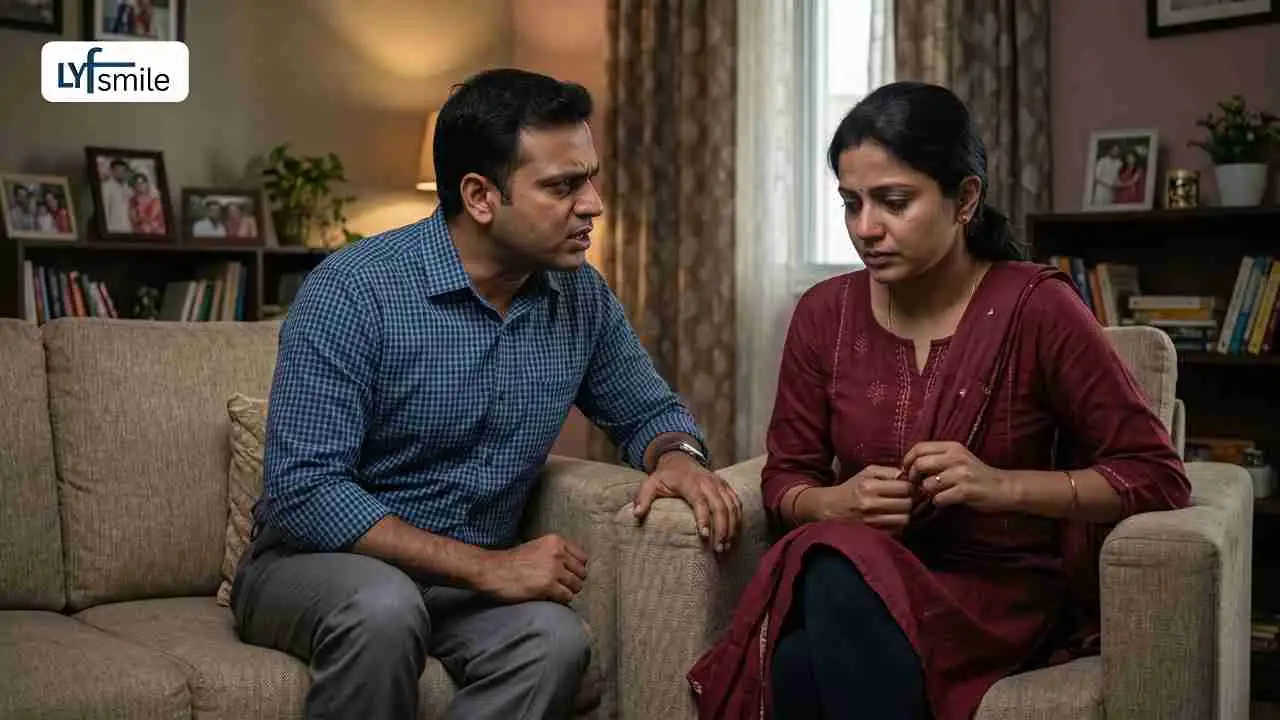 Understanding why one partner becomes controlling is not about making excuses it's about finding the path to real change. Therapy for controlling behavior in relationships works precisely because it goes to the source.
Common psychological causes include:
Attachment anxiety: People who grew up in unpredictable homes often develop a need to control their environment including their partner to feel safe.
Fear of abandonment: Controlling behavior is sometimes a desperate attempt to prevent a partner from leaving or becoming emotionally distant.
Learned behavior: Growing up in a household where one parent dominated the other normalizes dominance as a relationship model.
Perfectionism and anxiety disorders: The need for everything to go "right" can spill over into controlling a partner's choices and behavior.
Low self-worth: Some people control others to feel powerful in a space where they feel fundamentally inadequate.
Expert Insight: According to Ms. Loveleen Malhotra, control struggles in marriage are deeply connected to each partner's need for independence and the fear of emotional vulnerability. In her clinical work, she has shown that when the person feeling controlled is helped to articulate their yearning for independence and when the controlling partner genuinely listens without defensiveness, real breakthroughs become possible. This is the kind of structured, guided work that relationship counseling for dominance issues offers.
Dealing with a power struggle in marriage counseling means both partners must be willing to look inward and that is exactly what our therapists at Lyfsmile are trained to guide.
Take the first step today. Book your free 15-minute consultation and start rebuilding the marriage you both deserve.
How Couples Counseling for Control Issues Actually Works
Many couples ask: What actually happens in therapy? Here's what treatment for controlling behavior in relationships through counseling looks like at Lyfsmile.
Step 1 - Safe, neutral space Both partners are given equal space to speak and be heard without interruption, judgment, or blame. For many couples dealing with toxic control in marriage, this is the first time in years that the less-dominant partner has felt truly heard.
Step 2 - Identifying patterns, not just incidents Rather than relitigating arguments, the therapist helps the couple see the pattern underneath those arguments. Counseling for relationship control begins with naming the pattern not the person so both partners can understand the dynamic without defensiveness.
Step 3 - Understanding roots Both partners explore what drives their behavior. This is where emotional control issues in relationship therapy get addressed at depth through the lens of early experiences, attachment styles, and emotional needs.
Step 4 - Communication rebuilding Using structured techniques, couples learn to disagree without domination, express needs without manipulation, and listen without shutting down. This directly addresses emotional control and manipulation in marriage through practical, practiced skills.
Step 5 - Shared agreements and accountability Couples leave with clear, mutual agreements about how they will navigate decisions, disagreements, and emotional moments going forward with ongoing therapeutic support.
How couples therapy helps with control issues in marriage is not about declaring a winner or loser. It's about transforming the relationship dynamic so that both partners feel safe, valued, and free.
Why Choose Lyfsmile for Couples Counseling in Gurgaon and NCR?
If you're looking for a marriage therapist near me for controlling partner issues or relationship counseling in Gurgaon NCR for controlling behavior, we offers a uniquely supportive environment.
Experienced, certified therapists with specializations in couples therapy, CBT, and trauma-informed care
Online and in-person sessions making therapy accessible across India and for NRI couples worldwide
Culturally sensitive approach: our therapists understand the unique pressures of Indian marriages: family expectations, gender roles, career stress, and more. We also offer dedicated therapy for women navigating relationship conflict, providing a safe space to process control, self-doubt, and identity without judgment
Confidential and judgment-free: everything shared stays within the therapeutic space
Free 15-minute consultation: connect with us before committing to a full session
More than 120,000 clients across 70+ countries have trusted Lyfsmile with their mental and relationship health. Whether you're navigating couples therapy for control issues in a marriage situation or supporting a partner through change, we're here.
Can Couples Therapy Help With Control Issues?
Couples therapy may help partners understand unhealthy patterns around control, communication, trust, boundaries, and decision-making. However, it is not automatically suitable for every relationship involving controlling or abusive behaviour. When intimidation, threats, coercive control, or safety concerns are present, individual support may need to be considered first.
Conclusion
Control issues in marriage don't resolve on their own and they don't have to define your relationship's future. Whether you're the partner feeling controlled or the one whose behavior has pushed your relationship to a breaking point, the best couples counseling for control issues in marriage offers a path forward that neither blame nor silence can provide.
Frequently Asked Questions
Q1. How do I know if my partner is actually controlling or just very opinionated?
A controlling partner doesn’t just have strong opinions they consistently override your choices, dismiss your feelings, or make you feel fearful of expressing yourself. If you often hide things to avoid conflict, couples counseling for control issues can help you understand the real dynamic clearly.
Q2. Can couples counseling really help fix control issues in marriage?
Yes. Couples counseling for control issues helps identify the root causes of controlling behavior, improves communication, and rebuilds balance in the relationship. With the right guidance, many couples move from power struggles to mutual respect.
Q3. Why does one partner become controlling in a marriage?
Controlling behavior often comes from deeper issues like anxiety, fear of abandonment, past trauma, low self-esteem, or learned family patterns. Therapy for controlling behavior in relationships helps uncover and address these underlying causes.
Q4. What happens during couples therapy for control issues?
Therapy focuses on identifying unhealthy patterns, improving communication, and creating emotional safety. Both partners are given space to express themselves while learning healthier ways to handle conflict without dominance or manipulation.
Q5. Is couples counseling in Gurgaon available online as well?
Yes. Lyfsmile offers both in-person couples counseling in Gurgaon and secure online therapy sessions across India and for international clients, making support accessible regardless of location.