

Sarvesh Kumari
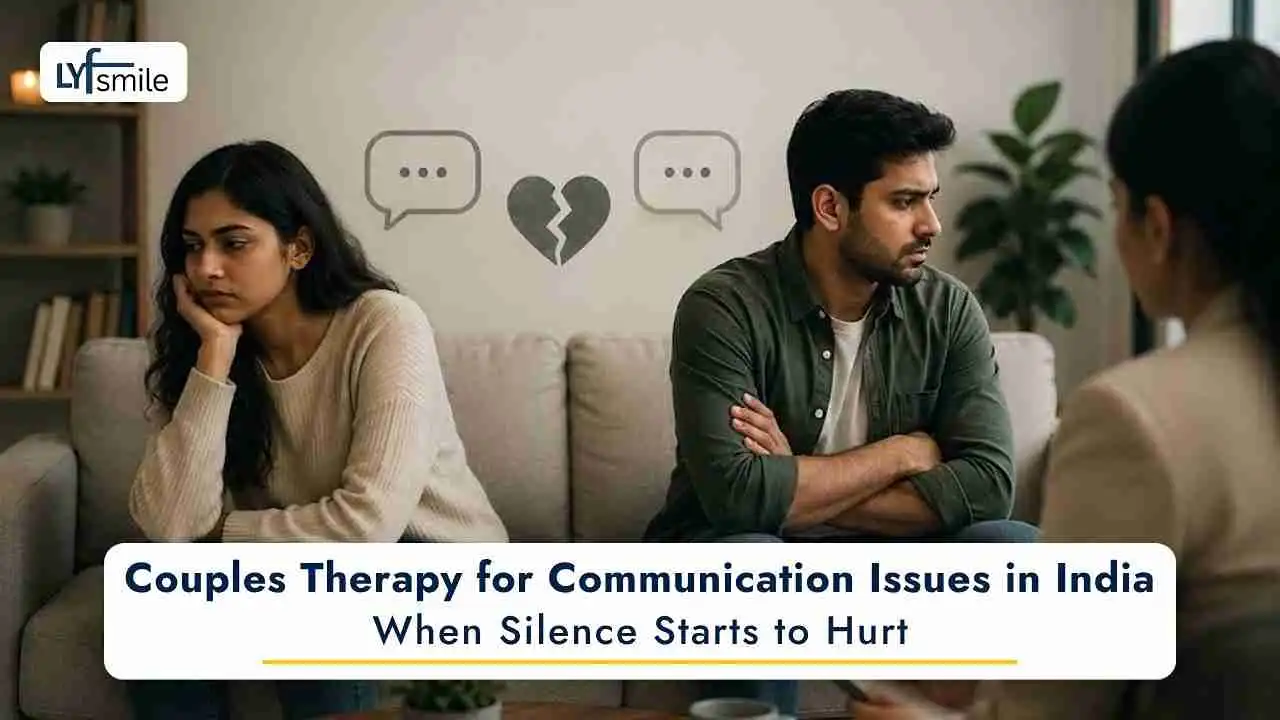
Couples Therapy for Communication Issues in India - When Silence Starts to Hurt
Communication problems in marriage in India are more common than most couples admit. When partners stop talking openly, arguments repeat, and emotional distance grows - it doesn't mean love is gone. It means the relationship needs support. Couples therapy for communication issues helps partners understand each other better, break unhealthy patterns, and rebuild the closeness they once shared.
Many couples facing communication problems in marriage in India don't necessarily lack love for each other, they often struggle with feeling understood. Conversations turn into arguments, important topics get avoided, and small misunderstandings start creating emotional distance. Over time, partners may feel unheard, disconnected, or frustrated despite wanting the relationship to work. Couples therapy for communication issues helps couples move beyond blame and learn healthier ways of talking, listening, and resolving conflict. Through marriage counseling for communication problems, partners gain practical relationship communication skills, improve emotional connection, and build a stronger foundation for trust, intimacy, and long-term relationship satisfaction.
Why Do Communication Problems in Marriage in India Happen So Often?
Communication problems in marriage in India don't always start with a big fight. More often, they begin quietly - a topic avoided here, a feeling left unspoken there. Over time, these small gaps widen into emotional distance that can feel impossible to bridge without professional help.
Several factors make communication breakdown particularly common in Indian marriages:
Joint family pressure: Decisions often involve in-laws or extended family, leaving couples with little private space for honest conversation.
Gender role expectations: Traditional roles can limit emotional expression, especially for men who are not encouraged to share feelings openly.
Busy urban lifestyles: Long work hours and digital distractions mean couples talk about logistics more than feelings.
Stigma around seeking help: Many couples feel that seeking communication counselling is an admission of failure, rather than an act of strength.
Unspoken assumptions: Partners assume the other understands their needs without being told, causing repeated misunderstandings.
Research in relationship psychology shows that it takes an average of six years before couples seek help for communication problems - meaning most couples silently suffer far longer than they should. At Lyfsmile, our therapists see this pattern regularly, and the good news is that communication therapy for couples works, especially when started early.
If you miss the connection you once shared, the laughter, the comfort, the feeling of being in each other's safe place, it may be time to invest in your relationship again. Start with a 15-minute free consultation.
What Does Neglect in a Relationship Actually Look Like?
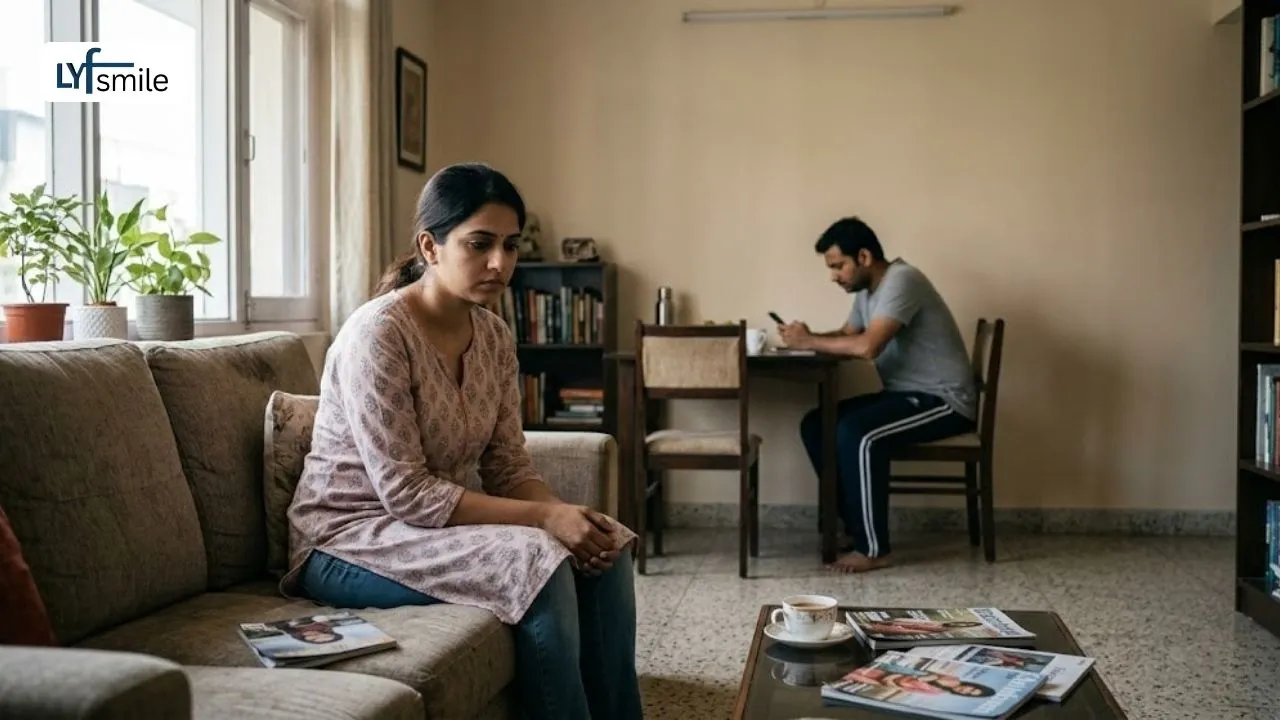 Many people associate neglect with dramatic behaviour, yelling, cheating, or walking away. But what is neglected in a relationship is often far quieter and harder to name. Emotional neglect happens when one partner consistently fails to acknowledge or respond to the other's emotional needs - not out of cruelty, but often out of habit, stress, or poor communication skills.
Common signs of neglect and communication breakdown in relationships:
One partner always initiates conversations, and the other rarely engages
Important decisions are made without consulting your spouse
You feel more like roommates than romantic partners
Sharing a problem leads to dismissiveness rather than empathy
You avoid certain topics entirely to prevent conflict
Affection - physical or verbal - has reduced significantly
You feel unheard, undervalued, or emotionally invisible
These are not small complaints. They are signs that the relationship needs marriage counseling for communication problems before the emotional distance becomes permanent.
Psychological Causes Behind Communication Breakdown in Relationships
Understanding why communication fails helps couples stop blaming each other and start addressing the real problem. Most communication breakdown in relationships is rooted in psychological patterns, not personality flaws.
Attachment styles play a major role: A person with an anxious attachment style may seek constant reassurance, while a partner with an avoidant style withdraws when conversations get emotional. This push-pull dynamic is one of the most common patterns in couples counseling for communication issues.
Fear of conflict is another key cause: Many Indian couples are raised to keep peace at home, leading to years of suppressed feelings. When nothing is ever said, nothing is ever resolved - and resentment quietly builds.
Contempt and criticism: identified by relationship researcher Dr. John Gottman as key predictors of divorce, develop when small communication problems go unaddressed. Partners begin to see each other as the problem rather than working on it together.
Our relationship communication counseling helps couples identify these patterns, understand their emotional triggers, and develop the skills to respond - rather than react.
How Couples Therapy for Communication Issues Actually Makes Things Work Between Couples.
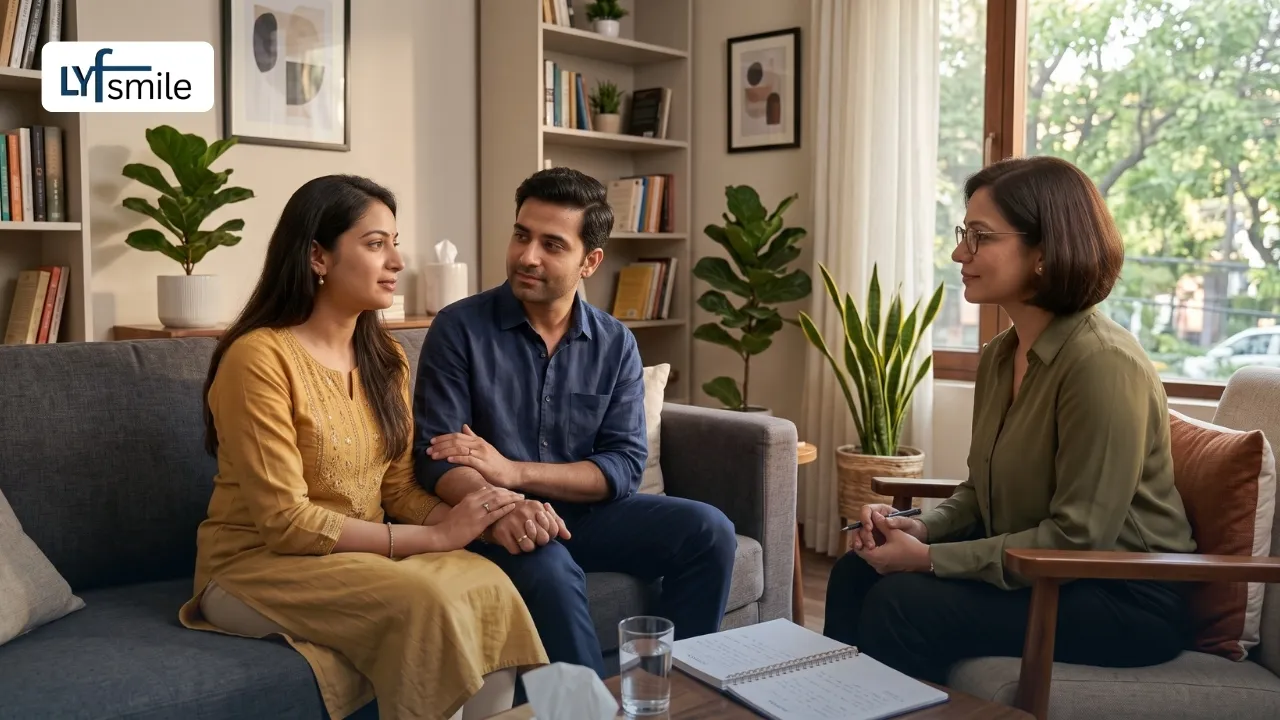
 Marriage therapy for communication problems is not about having a referee decide who is right. It is a structured, professional process where both partners learn to communicate with greater clarity, empathy, and emotional awareness.
Here is what couples therapy for emotional disconnection
1. Initial Assessment Your therapist will understand your relationship history, communication patterns, and what specific challenges brought you here. There is no judgment - only curiosity and care.
2. Identifying Communication Patterns Many couples are stuck in repetitive cycles - one partner pursues, the other withdraws. Recognising these patterns is the first step toward changing them.
3. Learning Active Listening Skills Therapy teaches partners to truly hear what the other is saying - and what they are not saying.
4. Practising Conflict Resolution Therapy for Couples Conflict is not the enemy. Unresolved conflict is. Sessions provide tools to address disagreements without contempt or emotional shutdown.
5. Rebuilding Emotional Intimacy As communication improves, emotional closeness returns. Couples often describe feeling connected and valued again.
Sessions at Lyfsmile are available online across India, making online couples therapy for communication issues accessible whether you live in Delhi, Mumbai, Bengaluru, or a smaller city. Sessions start at ₹30 per minute, and a free 15-minute consultation is available to help you get started.
Expert Insight: What Therapists at Lyfsmile Observe
couples fight about the wrong things. Arguments seem to be about money or in-laws, but underneath, they are almost always about feeling unheard or emotionally unsafe.
Relationship therapy for better communication helps couples move from surface-level conflict to the emotional conversation that actually needs to happen. Communication skills for married couples are not innate - they are learned. With the right guidance, almost any couple willing to do the work can genuinely transform their relationship.
Conclusion
Communication problems in marriage in India are among the most common - and most treatable - relationship challenges couples face today. Whether you are dealing with constant arguments, emotional withdrawal, or a growing sense of disconnection, the right support can make all the difference.
Help for communication problems in marriage is available, accessible, and effective. We offer professional, confidential couples counseling for communication issues online - so you can begin rebuilding your relationship from wherever you are.
Frequently Asked Questions
Q1. What are the most common communication problems in marriage in India?
The most common issues include avoiding difficult conversations, making decisions without your partner, and emotional withdrawal during conflict. These patterns are very common in Indian marriages due to family pressure, busy lifestyles, and cultural expectations around silence. Relationship counseling for poor communication can help couples break these cycles.
Q2. Is online couples therapy for communication issues as effective as in-person therapy?
Yes. Research shows that online couples therapy for communication issues produces results comparable to in-person sessions.
Q3. How do I know if we need marriage counseling for communication problems?
If you have the same argument repeatedly, feel emotionally distant, or avoid important conversations entirely, these are signs that marriage counseling for communication problems could help. You do not need to be in crisis - early support makes the process much easier.
Q4. What is neglect in a relationship and how does it affect communication?
Emotional neglect means consistently failing to acknowledge your partner's feelings or needs. It creates a communication gap that deepens over time, leaving partners feeling invisible. Communication counselling helps both partners reconnect and respond to each other's emotional needs more effectively.
Q5. How long does couples therapy for emotional disconnection take?
Most couples notice positive changes within 4–6 sessions when both partners are committed. Couples therapy for emotional disconnection is personalized to each couple's needs at Lyfsmile, and with consistent effort, lasting change is absolutely possible.