Lakshika Kaushik
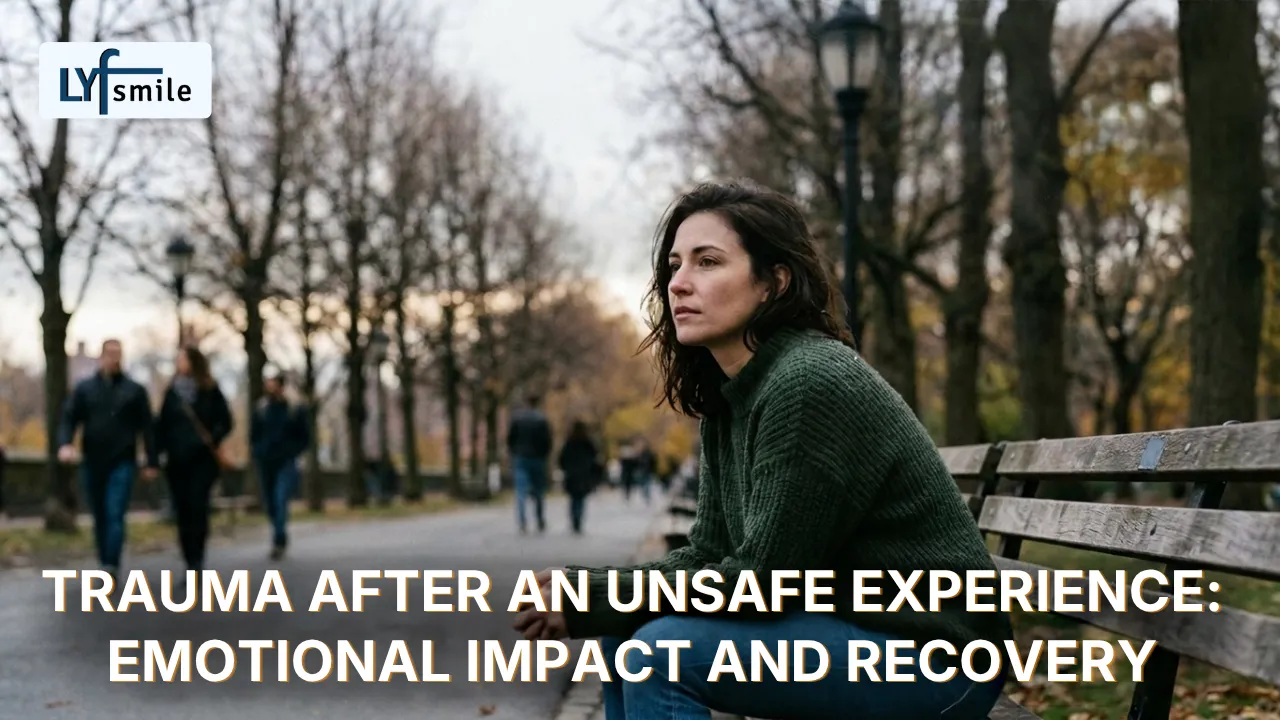
Trauma After an Unsafe Experience: Emotional Impact and Recovery
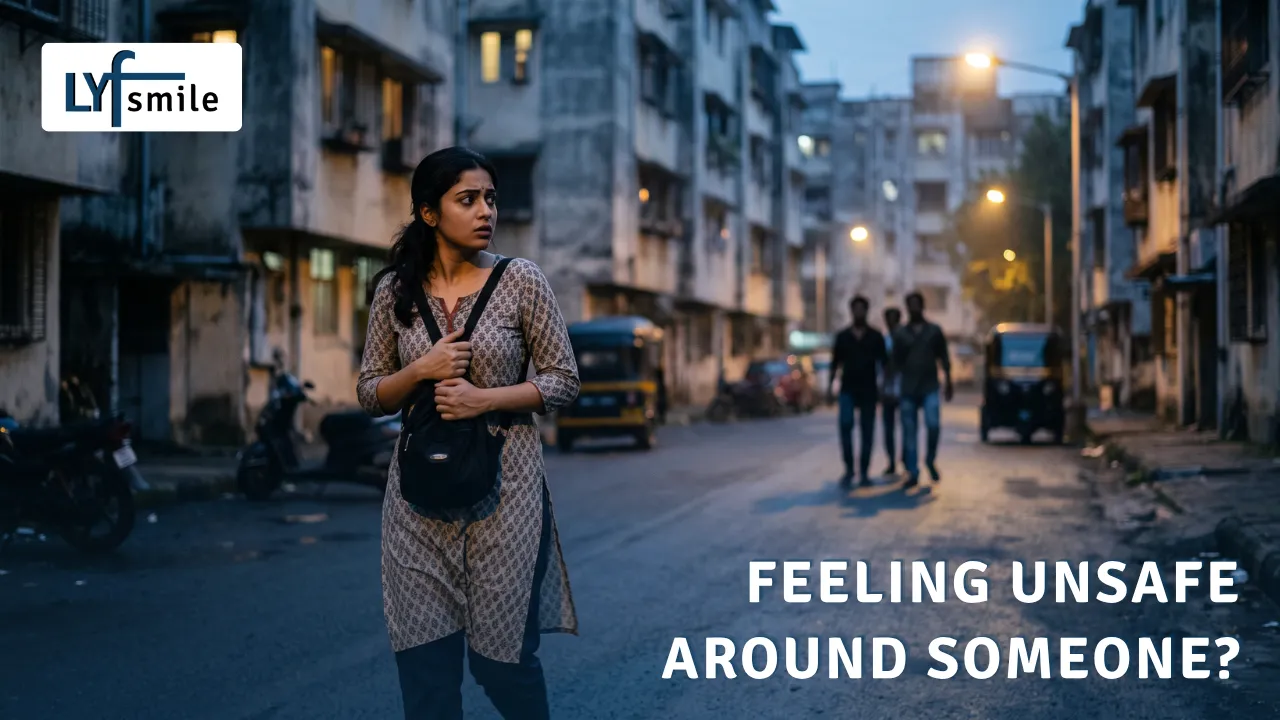
An unsafe experience can leave you struggling long after the situation itself has ended. You may feel frightened, restless, angry, emotionally numb, ashamed, or unable to relax. You may also find yourself avoiding certain people or places because you no longer feel comfortable.
If these reactions are interfering with your everyday life, you do not have to manage them by yourself. Understanding the connection between Women’s Safety & Mental Health can help you recognise when an experience is affecting your emotional wellbeing.
When an Unsafe Experience Keeps Affecting You
If you are still emotionally affected by something that happened, give those reactions attention instead of forcing yourself to move on immediately.
You may notice:
Feeling nervous even in situations that previously felt ordinary
Staying alert to what people around you are doing
Becoming uncomfortable around certain people or locations
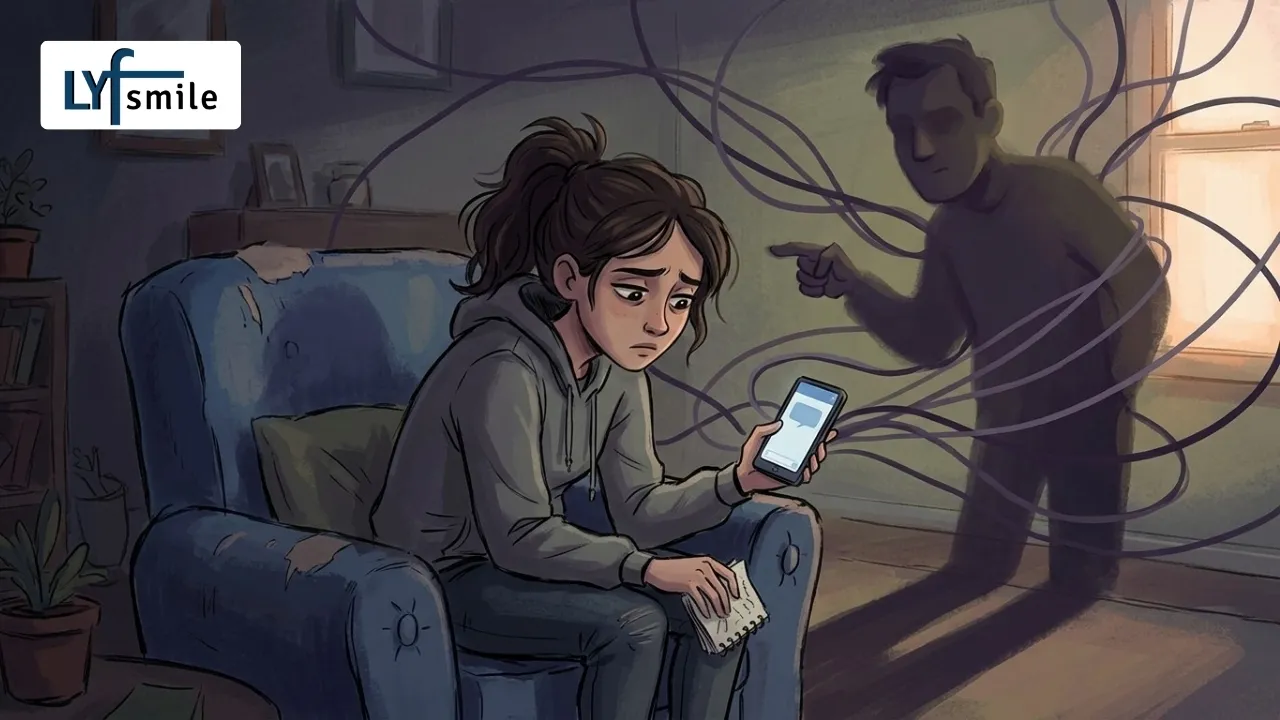
Losing trust in others
Feeling angry, sad, embarrassed, or emotionally drained
Avoiding activities because they remind you of what happened
Replaying parts of the experience in your mind
Experiences such as Sexual Harassment or Bullying can affect your confidence, sense of security, and ability to trust others. Even after the situation ends, you may continue to feel anxious or avoid places that remind you of what happened.
Trauma Responses Can Look Different for Everyone
Your response may not look the same as someone else’s. Some people become highly alert, while others may feel disconnected or unable to react.
You might:
Feel frozen when something reminds you of the experience
Become overwhelmed by small reminders
Feel detached from your surroundings or emotions
Struggle to concentrate on work or studies
Wake frequently during the night or find it difficult to sleep
Experience unwanted memories or repeated thoughts
Feel unsafe even when there is no immediate danger
These reactions are worth discussing with a professional when they begin interfering with daily life.
Recovery Does Not Mean Forgetting What Happened
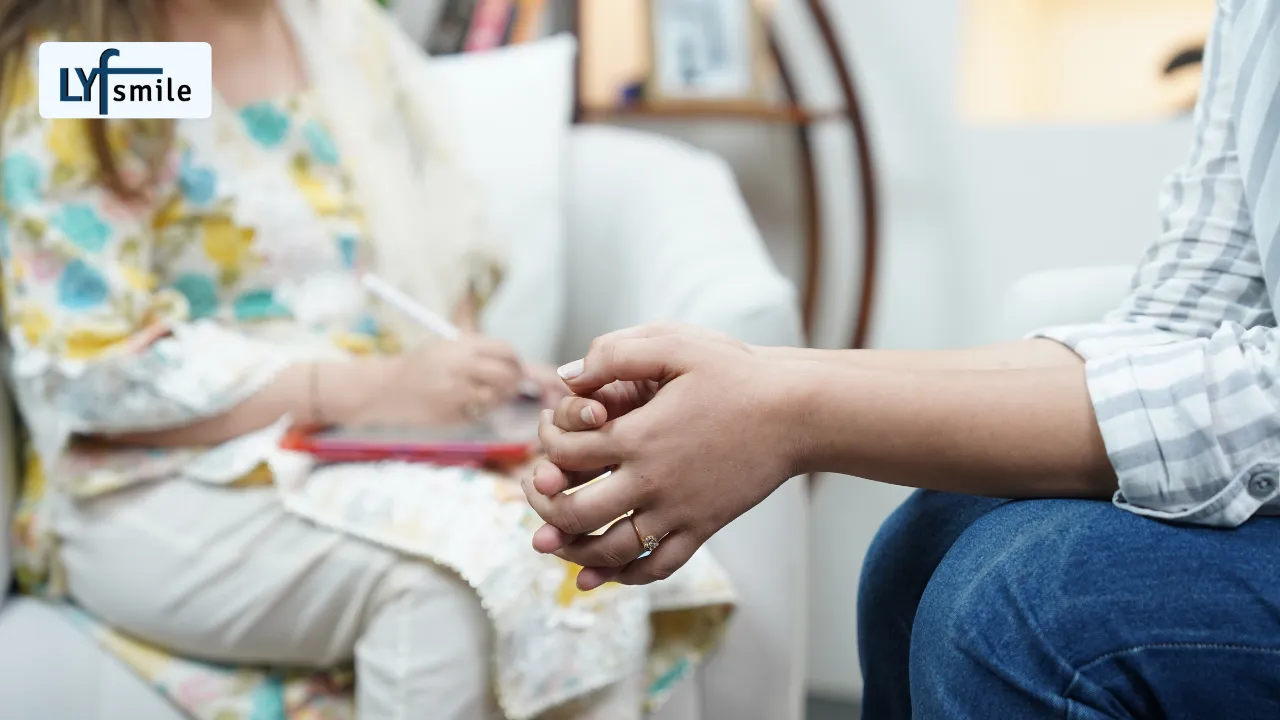 Recovery means regaining a sense of safety and control without requiring yourself to erase the past. Healing from emotional trauma can take time, and you do not need to force yourself to feel better before you are ready.
You can support that process by:
Returning to routines at a pace that feels manageable
Spending time with people who make you feel secure
Taking breaks when you become emotionally overwhelmed
Using breathing, grounding, or other calming techniques during distress
Gradually returning to activities you have been avoiding
Permitting yourself to have difficult days without treating them as failure
Trust may also need time to return. You can rebuild confidence in your own judgement first and decide later how much trust you want to place in others.
There is no universal timeline for feeling better. Your recovery may be gradual, uneven, or different from someone else’s.
Getting Professional Support Can Become Part of Recovery
If the experience is affecting your sleep, relationships, concentration, confidence, or ability to feel safe, therapy for trauma after an unsafe experience can help you understand your emotional responses and develop ways to cope.
Therapy can help you:
Work through memories that continue to cause distress
Reduce the intensity of fear and anxiety
Understand feelings such as anger, shame, or helplessness
Deal with trust difficulties
Learn practical ways to handle emotional triggers
Develop healthier responses when difficult feelings return
Rebuild confidence in yourself and your ability to cope
You do not need to wait until you feel completely overwhelmed. If the emotional impact is making everyday life harder, professional support is worth considering.
At Lyfsmile, experienced therapists provide a private and non-judgmental space to talk about difficult experiences and their emotional effects. If you are dealing with the effects of Emotional Abuse and Controlling Behaviour, therapy can also help you work through fear, self-doubt, and difficulties with trust.
Online trauma counseling is available across India and for NRIs, which can make it easier to seek support without travelling to a clinic. In-person therapy is also available in Gurgaon and Dwarka.
Lyfsmile offers counseling at just ₹30 per minute, with a free 15-minute consultation to discuss your concerns and understand the support available. You can start with as much or as little detail as you feel comfortable sharing.
FAQs
1. What are common emotional reactions after an unsafe experience?
Fear, anxiety, anger, sadness, shame, emotional numbness, constant alertness, and difficulty trusting others can occur after a distressing or unsafe experience.
2. Why do I feel unsafe even after the situation is over?
Your mind may continue responding to reminders of what happened. Certain people, places, sounds, situations, or memories can bring back the feeling of danger even when you are no longer in that situation.
3. How can an unsafe experience change the way I trust people?
You may become more cautious, question other people’s intentions, find it difficult to feel close to someone, or avoid new relationships because you no longer feel emotionally secure.
4. What can I do when something reminds me of the unsafe experience?
Move to a place where you feel secure, focus on your surroundings, use a calming or grounding technique, and give yourself time to settle. If reminders continue causing significant distress, professional support can help.
5. Can therapy help me recover after an unsafe experience?
Yes. Therapy can help you process what happened, manage fear and anxiety, work through trust difficulties, develop healthier coping methods, and gradually rebuild your sense of safety and confidence.