


Anupam Tripathi
Affordable Online Child Psychologist in India: Lyfsmile
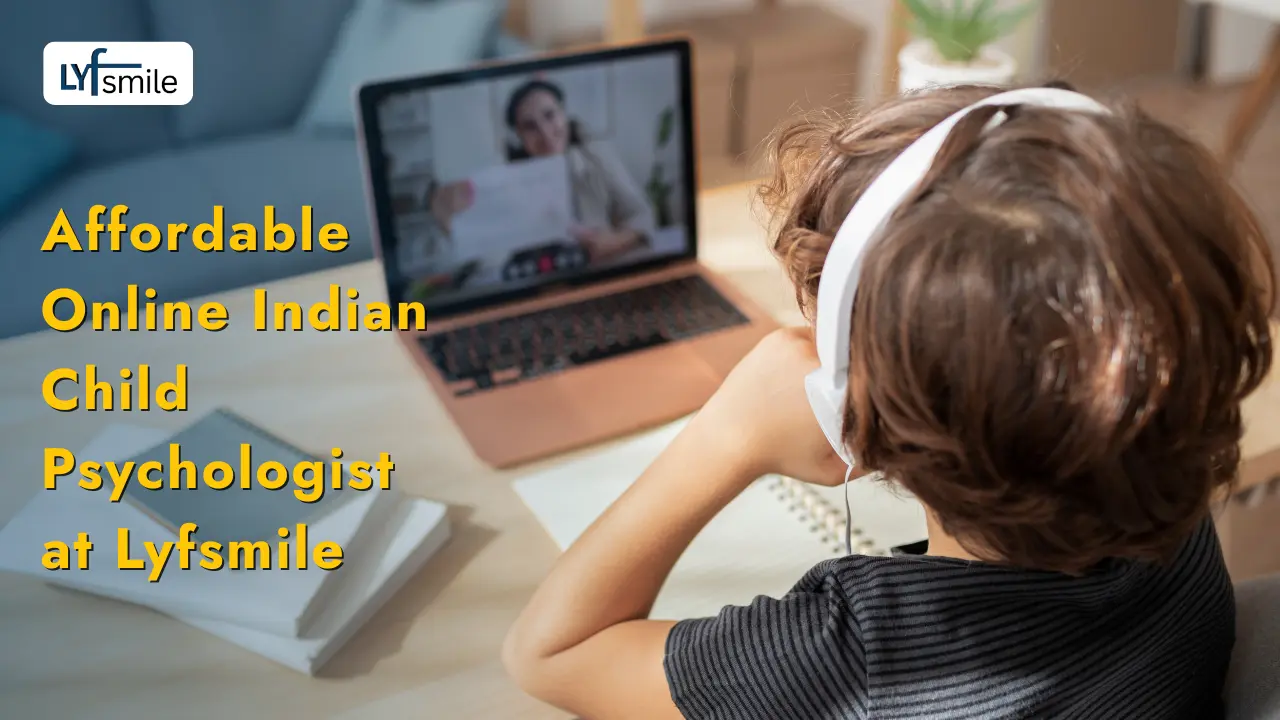
An online child psychologist in India provides professional mental health support for children and teenagers through online consultations. Online child counselling can help with concerns such as anxiety, behavioural difficulties, school stress, emotional regulation, low confidence and difficulties expressing feelings.
For families who prefer support from home, online child psychologist consultation offers a convenient way to connect with a qualified mental health professional without travelling to a clinic. The approach and type of support depend on the child's age, concerns and individual needs.
Many children today face emotional and behavioural challenges such as anger, anxiety, mood swings, academic pressure, low confidence, or difficulty expressing their feelings. Parents try to help through talking, comforting, motivating, or guiding their child, but sometimes children still struggle. This is not a failure; it simply means they may benefit from professional support.
Connecting with an Online Indian Child Psychologist provides children with expert guidance in a safe and comfortable environment. Online counselling allows kids to receive therapy from home, making it stress-free and convenient. Through these sessions, children can develop essential skills such as:
Emotional regulation and coping strategies
Improved communication and social skills
Confidence-building and self-esteem enhancement
Healthy ways to manage stress and academic pressure
Lyfsmile offers personalized therapy tailored to each child’s age, behavior, and unique needs. With affordable sessions and a child-focused approach, both Indian and NRI families can ensure their children receive the right care to grow emotionally balanced, resilient, and confident.
How Online Counseling Supports a Child’s Emotional Needs
 Online Indian child psychologist counseling allows children to receive professional psychological support through secure video sessions instead of clinic visits. The purpose is to help children understand their emotions, improve behaviour and learn healthy coping skills, all from the comfort and safety of their home.
How therapists support children during sessions
Online therapy is designed to be engaging and child-friendly. Psychologists use age-appropriate techniques such as:
Play-based interaction
Storytelling and fun activities
Behaviour modification techniques
Emotional expression tools
Breathing and calming exercises
Through these methods, children gradually learn to express their feelings, calm their minds and respond to situations more thoughtfully.
Online indian child psychologist counseling is especially helpful for:
Children who feel shy or anxious in clinic settings
Families with busy schedules who need flexible session timings
NRI parents who prefer an Indian psychologist who understands cultural and parenting styles
Online counseling makes emotional support comfortable and accessible while helping children feel safe, heard and understood.
Signs Your Child Needs Emotional Support
Children need emotional support when their feelings start affecting their behaviour, relationships or daily routine. Occasional frustration is normal, but when emotional reactions become frequent or intense, it may indicate that the child is struggling internally and requires guidance.
Situations where emotional support becomes important:
When a child gets angry or upset over very small issues
When they suddenly become quiet, withdrawn or avoid conversations
When school stress or homework pressure causes anxiety or fear
When confidence drops, and they stop trying new things
When they show aggressive behaviour toward siblings or friends
When screen restriction leads to extreme irritation or breakdowns
When they refuse to go to school or avoid social activities
When sleep, eating or routine changes due to emotional stress
If this continues for three to four weeks or more, early emotional support prevents the situation from growing into long-term anxiety, child anger problems, or low confidence. A child who receives support at the right time learns to express emotions, calm themselves, and communicate better, skills that contribute to lifelong emotional stability.
How Emotional Support Plays a Key Role in a Child’s Development
 Emotional support is one of the most important factors in child growth and development. Just like physical health and education, emotional well-being shapes how a child thinks, behaves, learns, and builds relationships. When children feel emotionally understood and supported, their brains develop stronger coping skills, confidence, and stability.
How emotional support influences development
Improves behaviour: Children who feel emotionally supported express their feelings better and show fewer anger outbursts or conflicts.
Builds confidence: Supportive communication helps children believe in themselves and try new things without fear of failure.
Strengthens learning abilities: A calm and emotionally secure child focuses better in school and participates more actively.
Enhances social skills: Emotionally supported children make friends more easily and communicate their needs with clarity.
Encourages resilience: Kids learn how to handle disappointment, mistakes and challenges instead of shutting down or reacting aggressively.
Why Parents Prefer Lyfsmile For Online Therapy For Their Child?
Lyfsmile has become a preferred platform for many parents because it offers child counselling in a structured, professional and child-friendly way. Instead of a generic mental health model, Lyfsmile focuses specifically on children’s emotional and behavioural wellness, which helps in achieving better outcomes.
Key reasons parents trust Lyfsmile:
Specialised child psychologists
Lyfsmile works only with therapists who are trained and experienced in child psychology. This ensures that children receive support from professionals who understand age-specific emotions, behaviour patterns and learning styles.Comfortable home-based sessions
Children attend therapy in the environment where they feel most safe, their home. This reduces hesitation and makes it easier for children to open up, especially those who are shy or anxious in clinic settings.Affordable pricing for families
Lyfsmile aims to make therapy accessible. Parents receive professional emotional support without the high cost of repeated in-clinic sessions, travel and waiting time.Hindi / English / mixed language flexibility
Children often express emotions more easily in their familiar language. Lyfsmile therapists adapt to whichever language makes the child comfortable.Personalised therapy plans
There is no one-size-fits-all approach. Each child receives a customised therapy plan based on age, emotional needs, behaviour triggers and home environment.Parental involvement included
Separate consultation and updates help parents understand what to practice at home. This builds consistency and speeds up improvement.Suitable for NRI families as well
Our flexible scheduling and cultural understanding make Lyfsmile the ideal choice for parents living abroad. To help you make the best decision, learn how to find the right therapist for your child living abroad and connect with an Indian psychologist for kids who understands your roots.
How Online Therapy Supports a Child’s Emotional Growth?
 Online therapy provides children with a structured and supportive space to understand their emotions, learn coping skills and improve behaviour. Instead of correcting children from the outside, therapy teaches them how to handle feelings from within, which leads to long-term emotional strength.
Ways online therapy supports children’s emotional growth
Helps kids express emotions clearly
Many children do not have the words to explain what they feel. Through stories, drawings and activities, therapists help children identify emotions like anger, sadness, fear, excitement or confusion.Reduces anger and emotional outbursts
Therapists teach calming tools such as breathing exercises, pause techniques and problem-solving strategies so children respond thoughtfully instead of reacting aggressively.Improves confidence and self-esteem
Children learn to believe in themselves, handle challenges independently and try new things without fear of failure or judgment.Builds better communication skills
Kids learn to talk about their needs, boundaries and concerns instead of shutting down, crying or getting irritated.Supports school performance
Once emotional stress reduces, focus, concentration and motivation naturally improve — leading to better performance in schoolwork and activities.Strengthens social and family relationships
Therapy helps children understand friendships, cooperation, empathy and respectful communication, which improves bonding at home and outside.
What Problems Do Online indian Child Psychologists Support At Lyfsmile?
Lyfsmile provides online indian child therapy for a wide range of emotional and behavioural challenges faced by children. Every concern is addressed through structured and child-friendly techniques tailored to each child’s age and personality. The goal is not only to reduce current symptoms but to help children develop long-term emotional strength and coping skills.
Common concerns supported by Lyfsmile therapists
Anger and emotional outbursts
Support for children who get upset quickly, show frustration over small issues, or struggle to calm down.Anxiety and excessive worry
Help for children who fear school, separation, social situations, failure or unexpected changes.Low confidence and self-esteem
Guidance for children who doubt themselves, avoid participation or fear making mistakes.Behavioural challenges
Therapy for aggression, impulsivity, defiance, difficulty following rules or frequent arguments.Study pressure and academic stress
Support for children who feel burdened by homework, competition or performance expectations.Screen addiction and routine imbalance
Techniques to regulate screen usage, build discipline and create healthy daily routines.Difficulty expressing emotions
Therapy for children who shut down, avoid talking or cannot communicate their feelings clearly.Social discomfort
Support for children who struggle to make friends, understand social cues or participate in group settings.
Even children who are quiet in therapy or “don’t talk much” are supported using non-verbal approaches like play therapy, drawing and storytelling until communication becomes comfortable.
Focus on long-term progress
Lyfsmile’s therapy does not stop at managing symptoms; it focuses on helping children:
Respond calmly to emotions
Build confidence and self-awareness
Communicate their needs clearly
Form healthy habits and relationships
This approach ensures improvement not only in behaviour but also in personal growth, school life and family bonding.
Meet Lyfsmile’s Team of Experienced Indian Child Psychologists
 Lyfsmile works with a dedicated team of qualified and experienced child psychologists who specialise in online emotional and behavioural therapy for kids. Each therapist brings unique expertise, and parents can choose the professional who best fits their child’s needs, personality and comfort.
Top Online Child Therapy & Psychologists in India | Lyfsmile
If you are looking for an expert child counsellor to support your child's growth, our team is here to help. We provide expert guidance to help children overcome emotional hurdles and build lasting confidence.
Ms Gunjan Bhatia
Specialises in supporting children with anxiety, emotional sensitivity, lack of confidence and communication challenges. She helps kids open up gradually and become more expressive and aware of their feelings.Mrs Ritika Dhall
Focuses on anger management, frustration control and behavioural challenges. She teaches children calm responses and problem-solving skills using simple, step-by-step methods.Mrs Tanya Sachdev
Expert in emotional regulation for children dealing with academic stress. She helps improve concentration, motivation, study discipline and healthy coping habits.Dr. Shraboni Nandi
Supports children facing social anxiety, peer pressure and friendship struggles. She helps kids build confidence in communication and social interaction.Mrs Urvashi Rajput
Works with emotionally sensitive children who get overwhelmed easily. Helps build tolerance, calmness and positive emotional self-image.
Role of Parents in Therapy Sessions
Parents play a very important role in making online therapy successful. While the psychologist guides the child professionally, the parent creates an environment at home where the child feels safe, supported and understood. When parents and therapists work together, progress becomes faster and longer-lasting.
How parents contribute to effective therapy
Creating a comfortable space for sessions
A quiet and distraction-free area helps the child stay focused and relaxed during therapy.Encouraging but not forcing participation
Children open up gradually. Gentle encouragement works far better than pressure or expectations.Practising home strategies shared by the therapist
Small daily activities, like calming exercises, emotional naming techniques or routine planning — help therapy continue outside the session.Observing behaviour changes and sharing updates
Parents share weekly changes with the psychologist so therapy can be adjusted based on real progress.Responding positively to improvements
Even small achievements deserve appreciation. Recognition from parents increases confidence and motivates the child to continue learning.
What parents should avoid
Asking the child to “perform well” during therapy
Questioning or blaming the child immediately after sessions
Comparing the child with siblings or other children
Punishing emotional reactions
These actions increase pressure and reduce the child’s willingness to open up.
Conclusion
Every child deserves to feel understood, supported and emotionally safe. Behavioural challenges like anger, anxiety, low confidence or study pressure are not signs of weakness; they are signals that a child needs guidance. With the right support, children learn to express feelings calmly, communicate better, and handle daily challenges with confidence.
Online therapy makes this support accessible, affordable and comfortable by allowing children to talk to a specialist from the safety of home. With Lyfsmile, families can connect with experienced child psychologists who understand emotional needs, Indian family values and modern challenges faced by children.
A small step toward therapy can make a big difference in a child’s future.
When a child receives emotional support at the right time, they don’t just behave better, they grow happier, stronger and emotionally confident.
FAQs: Quick Answers for Parents
1. What if my child refuses to join online sessions in the beginning?
It is normal. Therapists gently build trust through stories, play and activities. Children usually open up after a few sessions.
2. Can therapy also help with mental issues caused by mobile and gaming addiction?
Yes. Therapy reduces gaming addiction by improving impulse control, building healthy screen habits, and strengthening a child’s mental focus. If your child is struggling with digital habits, our expert mobile addiction therapy for kids in Gurgaon provides practical solutions to regain balance.
3. Can therapy help children who are very sensitive and get emotional easily?
Yes. Therapy helps sensitive children understand and manage their emotions better. They learn how to stay calm, express feelings confidently and not get overwhelmed by small situations.
4. Are parents allowed to attend sessions with their child?
It depends on the comfort of the child. Sometimes the parent joins for the first few sessions, and later the child attends independently.
5. Can therapy help with sibling jealousy or constant arguments between brothers/sisters?
Yes. Therapists work on emotional tolerance, communication and co-operation skills to improve sibling relationships.
6. Is Online therapy affordable compared to offline clinics therapy?
Yes. Online therapy is more affordable because there are no travel costs or high clinic charges, while the quality of support stays the same.
7. Is online therapy safe for very young children (ages 4–6)?
Yes. Online therapy is safe for kids aged 4–6 because sessions are play-based with stories, drawings and fun activities. However, some very young children with a very short attention span may need parental support nearby to stay engaged during the session.
8. Will therapy change my child’s personality?
No. Therapy does not change who the child is, it strengthens confidence, calmness and emotional balance while keeping their natural personality intact.
9. Do children need to continue therapy even after showing progress?
Yes, continuing therapy for a little while after progress helps children strengthen new emotional and behavioural skills so the improvement becomes long-term and doesn’t fade later.
10. Do children need a psychological test before starting online therapy?
No. Most children do not need a diagnosis to begin therapy. Sessions start with observation and understanding, not labels.