

Diksha Shankhwar
Couples Therapy vs Couples Counselling: What’s the Difference?
When relationship problems start repeating, couples may wonder whether they need couples counselling, couples therapy, or simply a better way to communicate. The terms are often used interchangeably, and the right kind of support depends on what the partners are experiencing and what they hope to work on.
Couples counselling often focuses on a specific concern, such as recurring arguments, communication difficulties, or decisions about the relationship. Couples therapy may also explore deeper emotional patterns, trust concerns, and experiences that continue to affect the relationship. In practice, the two can overlap, and the approach depends on the therapist’s training and the couple’s needs.
Every relationship begins with love and hope. But over time, unresolved conflicts, communication breakdowns, and emotional distance can quietly erode even the strongest bonds. According to the American Psychological Association (APA), couple therapy and couple counselling are effective in approximately 70–80% of cases when both partners are fully committed to the process.
What is Couples Therapy and How Does It Help Relationships?
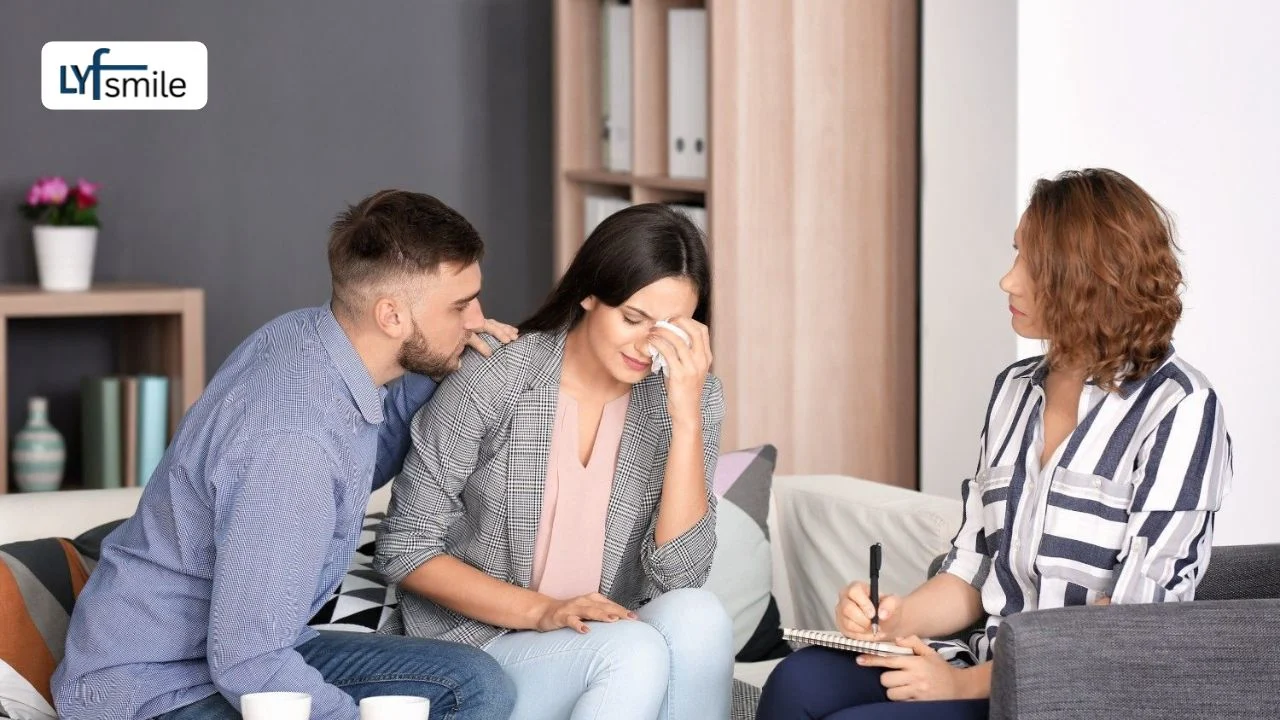
Couples therapy (also called couples counseling or relationship counseling) is a structured, evidence-based process where both partners work with a trained therapist to improve their relationship. Sessions are typically 45–60 minutes and focus on:
Identifying the root causes of recurring conflicts
Improving communication skills and emotional expression
Rebuilding trust after betrayal, dishonesty, or emotional distance
Deepening emotional and physical intimacy
Learning healthy, lasting conflict resolution strategies
Unlike advice from friends or family, a licensed couples therapist or marriage therapist is trained to remain neutral, understand both perspectives equally, and guide partners using proven, research-backed techniques.
Key Difference Between Couple Therapy and Couple Counseling
Couple counseling and couple therapy are often used interchangeably, but they are not the same. Here is the core difference:
Couple Counseling is short-term, typically lasting 4 to 12 sessions. It is solution-focused and present-oriented, designed to help partners resolve a specific challenge such as communication breakdown, pre-marital concerns, or a particular conflict. The counselor provides practical tools and guidance to address what is happening right now.
Couple Therapy is longer-term, usually spanning 12 to 20 or more sessions. It goes beyond solving a surface-level problem and explores the deeper emotional patterns, attachment history, and psychological dynamics that cause the same issues to repeat. A therapist helps partners understand not just what is going wrong, but why.
The simplest way to remember it: Counseling resolves a specific problem. Therapy transforms the underlying relationship dynamic.
Both involve a trained, neutral professional, are fully confidential, and are available online as well as in person. In practice, the two approaches often overlap, a skilled professional will blend elements of both based on what the couple genuinely needs.
Key Aspects of Couple Therapy & Counselling
Couple therapy and counselling help partners strengthen their relationship by improving communication, resolving conflicts, rebuilding trust, and enhancing emotional intimacy. Through guided support, couples gain practical tools to better understand each other, address relationship challenges, and create a healthier, more fulfilling partnership.
Purpose of Couples Therapy: Strengthening Communication and Connection
Coules therapy helps partners understand, respect, and navigate challenges together, not to assign blame or declare a winner. A skilled therapist creates a safe space where both individuals can speak honestly and feel genuinely heard. Through professional relationship therapy and guided support, couples learn healthier ways to reconnect emotionally and resolve ongoing conflicts.
Common Couples Therapy Techniques Used by Relationship Therapists
Improving communication skills and emotional expression
Managing emotional triggers and de-escalating conflict
Rebuilding trust through structured, guided exercises
Deepening emotional intimacy using attachment-focused methods commonly used in therapy for couples
Relationship Problems Couples Therapy Can Help Resolve
Recurring disputes that follow the same painful cycle
Infidelity, betrayal, or breaches of trust
Emotional detachment and growing distance
Pre-marital concerns around values, finances, or family
Cultural or family interference in the relationship
Can One Partner Start Couples Therapy Alone?
Therapy can begin with one partner if the other is hesitant. When one partner shifts their patterns, the entire relationship dynamic shifts too.
How Effective is Couples Therapy for Relationship Problems?
Research shows 70–80% success rates when both partners are committed. Even one partner engaging seriously can produce noticeable improvements in communication and conflict patterns.
Best Evidence-Based Couples Therapy Approaches Used in India
In 2026, the most effective couples therapists in India use internationally recognized, research-backed approaches in both in-person and online couple counseling settings. Here are the major methods:
1. Emotionally Focused Therapy (EFT)
EFT focuses on attachment bonds between partners. It is one of the most extensively researched couples therapy methods, with studies showing 70–75% of couples moving from distress to recovery. EFT helps partners identify negative interaction cycles (like pursue-withdraw patterns) and replace them with secure, emotionally responsive communication.
Best for: Emotional disconnection, attachment anxiety, intimacy issues
2. The Gottman Method
Gottman method identifies four behaviors that predict relationship failure criticism, contempt, defensiveness, and stonewalling (called the "Four Horsemen") and systematically replaces them with healthier alternatives. The Gottman Method builds friendship, manages conflict, and creates shared meaning between partners.
Best for: Frequent conflict, communication breakdown, rebuilding friendship
3. Cognitive Behavioral Therapy (CBT) for Couples
CBT for couples helps partners identify and challenge negative thought patterns and beliefs that fuel conflict. If one partner consistently assumes the worst about the other's intentions (cognitive distortions), CBT techniques actively address and reframe these patterns. These methods are also widely used in online marriage counseling because of their structured and goal-oriented approach.
Best for: Trust issues, anxiety-driven conflict, negative assumptions about each other
4. Narrative Therapy
Narrative therapy helps couples separate their identity from their problems. Instead of labeling each other, partners learn to externalize issues and rewrite a more positive shared story together.
Best for: Blame patterns, identity-based conflicts, cultural or family interference
Online vs. Offline Couples Therapy in India
 Since 2020, online couples therapy has grown significantly across India. Research published in the Journal of Marital and Family Therapy (2023) found no statistically significant difference in outcomes between online and in-person sessions, making online counseling a fully valid, evidence-based option.
Aspect | Online Counseling | Offline Counseling |
|---|---|---|
Comfort | Sessions from home, relaxed setting | Formal clinic or office environment |
Privacy | High - no travel, no waiting rooms | Physical visits are visible to others |
Flexibility | Evening and weekend slots available | Limited to clinic hours |
Cost | Often more affordable, no travel cost | May have higher overheads |
Key Benefits & Results of Couples Therapy
 1. Better Communication
A 2022 meta-analysis published in Family Process found that couples who completed a structured therapy program showed a 67% improvement in communication quality scores. Partners learn to express thoughts clearly and listen actively, reducing misunderstandings dramatically. This is one of the biggest benefits of couple therapy and couple counseling, especially for couples struggling with repeated communication breakdowns.
2. Stronger Emotional Connection
Through EFT-based techniques, partners move from surface arguments ("You never listen!") to sharing underlying needs ("I need to feel valued by you"). This shift creates genuine, lasting closeness and emotional safety between partners.
3. Effective Conflict Resolution
Couples therapy teaches practical de-escalation skills and how to repair after conflict, so arguments no longer leave lasting damage to the relationship's foundation.
4. Rebuilding Trust
The Gottman Method's trust-building framework shows that 60–65% of couples who complete structured post-infidelity therapy report restored relationship satisfaction, even after serious betrayal.
5. Long-Term Relationship Growth
Couples who invest in therapy don't just solve current problems, they develop skills and self-awareness that serve them for decades. Many couples describe their relationship after therapy as fundamentally different and more fulfilling than before, making couple therapy and counseling a valuable long-term investment in emotional wellbeing.
5 Therapist-Recommended Relationship Tips for Couples
These research-backed habits support your progress between therapy sessions and are often encouraged in therapy for couples to strengthen communication, trust, and emotional connection over time.
1. Practice the 5:1 Ratio
Gottman's research shows that stable, happy couples have at least 5 positive interactions for every 1 negative interaction. Actively cultivate compliments, affection, laughter, and appreciation every day.
2. Use "I" Statements, Not "You" Statements
Instead of "You never help around the house," try "I feel overwhelmed when the housework piles up — I'd love some help." This reduces defensiveness and opens real conversation.
3. Create a Weekly Check-In Ritual
Spend 20–30 minutes each week discussing: What went well this week? What felt difficult? What do I need from you next week? These consistent conversations are also commonly recommended during premarital counseling to build healthier relationship habits early on.
4. Prioritize Physical Affection
Research shows that non-sexual physical affection hugs, hand-holding, a brief touch, releases oxytocin and strengthens emotional bonding. Even 30 seconds of genuine physical connection can shift the emotional tone of a day.
5. Show Appreciation Specifically
"Thank you for making dinner tonight, I really needed that after a hard day" lands far deeper than a generic "thanks." Specific appreciation makes your partner feel truly seen and valued.
Why Couples Choose Lyfsmile for Couples Therapy in India
Lyfsmile is one of India's leading online mental health platforms, offering expert support through couple therapy and couple counseling with a specialized team of therapists trained in EFT, Gottman Method, CBT, and more.
Trained specialists - All therapists are certified and supervised in couples-specific methods
Flexible scheduling - Morning, evening, and weekend slots for busy professionals and couples in different cities seeking couples therapy online
Accessible pricing - Sessions starting at ₹30/minute. A 45-minute session costs approximately ₹1,350
Confidential and secure - All sessions conducted on encrypted platforms
Personalized approach - Each couple's therapy plan is customized to their specific challenges and goals
120,000+ clients served across 70+ countries - a proven track record
Start Your Journey Toward a Healthier Relationship Today
A healthy, fulfilling relationship doesn't happen by accident, it is built, day by day, with intention, skill, and sometimes, with professional support. Couples therapy is not a sign of failure. It is one of the most courageous and loving investments two people can make in their future together.
Whether you're navigating a specific crisis, feeling a gradual drift, or simply want to build a stronger foundation, expert couples therapy at Lyfsmile is here to help. With a team of certified therapists, flexible online sessions, and pricing starting at just ₹30/minute, taking the first step has never been easier.
Frequently Asked Questions (FAQs)
Q1.What is the difference between couples therapy and couples counselling?
Couples counselling may focus on a specific relationship concern, while couples therapy may explore both current difficulties and recurring emotional patterns. However, the terms often overlap. The therapist’s approach, training and the couple’s goals matter more than the label alone.
Q2. When should a couple consider counselling?
Couples may consider counselling when disagreements keep repeating, communication becomes difficult, trust has been affected, or partners feel emotionally distant. They do not have to wait until the relationship reaches a crisis. A qualified professional can help them explore their concerns and decide on suitable next steps.
Q3. Can couples counselling help if only one partner wants to attend?
One partner can seek individual support to understand their own feelings, communication habits and choices. This is not the same as joint couples counselling, and it cannot guarantee that the other partner will change. A professional can help clarify which format may be appropriate.
Q4. Is online couples counselling available in India?
Online couples counselling may be available to couples in different parts of India, depending on the provider’s service arrangements. Before booking, confirm session availability, fees, privacy practices and whether both partners can join from separate locations if needed.
Q5. How many couples therapy sessions are needed?
No fixed number of sessions suits every couple. Duration depends on the concerns being explored, the couple’s goals, the therapist’s approach and progress over time. The therapist can discuss a suitable plan and review it as sessions continue.