

Lakshika Kaushik
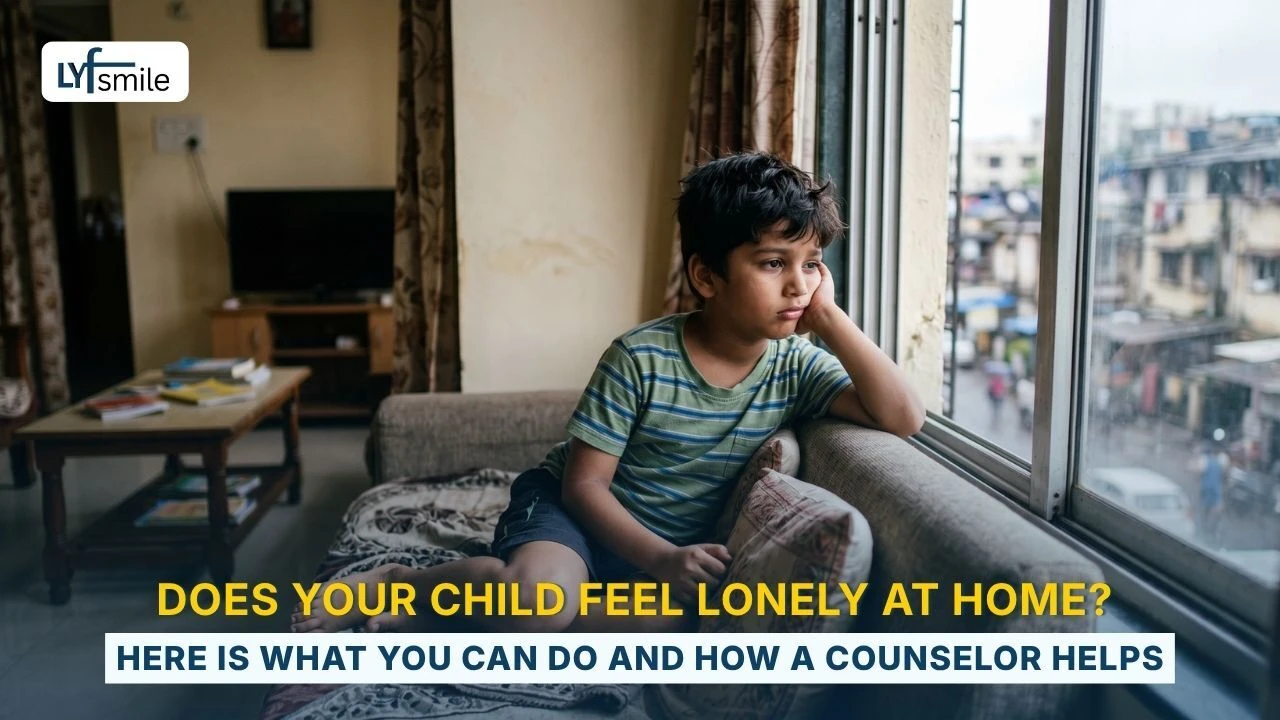
Does Your Child Feel Lonely at Home? Here Is What You Can Do and How a Counselor Helps
You are in the same house. You eat together. You ask how their day was.
And yet, something feels off.
Your child is right there, but not really there. They give short answers. They go back to their room. They scroll through their phone instead of talking. And when you try to reach them, it feels like reaching through a wall.
Child loneliness despite family is real, and it is more common than most parents realise. A child can feel completely alone in a house full of people who love them. And that silence, that quiet distance, is often the hardest thing for a parent to sit with.
In Gurgaon, especially in areas like DLF Phase 1–5, Golf Course Road, South City, Sohna Road, Sushant Lok, Sector 56, Sector 57, Sector 46 and New Gurgaon, busy work schedules and digital lifestyles often leave children feeling emotionally disconnected even while living with loving families.
At Lyfsmile, Gurgaon, we have seen this in hundreds of families. Parents who love their children deeply, children who are quietly struggling and a gap between them that nobody meant to create
When a child feels emotionally disconnected at home, they often need more than reassurance. Professional Child Counseling, support from an experienced Child Therapist, and early Child Mental Health Counseling help children express emotions, rebuild trust, and feel emotionally connected with their family again.
Feeling lonely at home is not always about being physically alone. Professional Child Counseling, support from an experienced Child Therapist, and Child Mental Health Counseling help children express emotions, strengthen family connections, and feel emotionally safe within their home environment.
Call Lyfsmile Gurgaon: +91 9804791047 Child Counseling in Gurgaon | Therapy for Child Loneliness Gurgaon
It Doesn't Feel the Same at Home Anymore: Why Your Child Starts Feeling Lonely
Loneliness in children is not always about being physically alone. It is about feeling emotionally unseen, present in a space but not truly connected to the people in it.
This kind of emotional loneliness in children builds slowly. It rarely starts with one big moment. It grows through small, everyday things that quietly add up until one day you realise the distance between you and your child has grown in a way you cannot quite explain.
When Being Together Is Not the Same as Feeling Connected
Your child sits at the dinner table. Everyone is there. But your child feels alone even with family, not because anyone has done something wrong, but because connection needs more than physical presence. It needs to feel understood. Feeling heard. Feeling like what they say and feel actually matters to someone.
When that feeling starts to fade, the child feeling isolated at home begins even in the middle of a full house. Your child may still be present in the room, but emotionally, they are somewhere far away.
Many parents describe it like this my child seems lonely even around us. And that description is more accurate than it sounds. Many parents looking for child counseling in Gurgaon, child psychologist in Gurgaon, or support for emotionally distant children notice these changes long before they understand what is causing them.
Why Does This Happen to Your Child?
There is rarely one single reason why a child begins to feel this way. But some of the most common causes include:
Parent–child communication gap: conversations stay surface-level, focused on tasks rather than feelings
Busy routines: everyone moving through the day without real moments of connection
Mobile addiction and social media impact: screen time quietly replacing genuine family interaction
Child feels misunderstood by parents: trying to express something and feeling like it didn't land
Changes in friend circle and peer pressure: social stress outside spilling into how they feel at home
Low self-confidence: a child who doubts themselves withdraws rather than reaches out
Bullying and emotional stress: something happening outside that they carry silently inside
Separation and detachment from parents: a gradual emotional pulling away that neither side fully notices
Children who quietly withdraw because of fear, worry, or emotional overwhelm may also benefit from Child Counseling for Anxiety or Child Anxiety Therapy, especially when anxiety is making it difficult to communicate with family members.
Why Your Child May Not Say It Out Loud
A child not sharing feelings is one of the most painful parts of this for parents. Your child may sense something is wrong but not have the words for it. Or they may have tried to say something once and felt it was not heard, so they stopped trying.
What you see as quietness or distance is often a child carrying something they do not know how to express. A child feels invisible at home. A child feels unwanted. A child not feeling loved, even when love is clearly present all around them.
My child says nobody cares about them. If that sentence has ever come from your child even once, even casually, it deserves to be taken seriously.
How Loneliness at Home Starts Affecting Your Child's Mood, Thoughts, and Daily Life
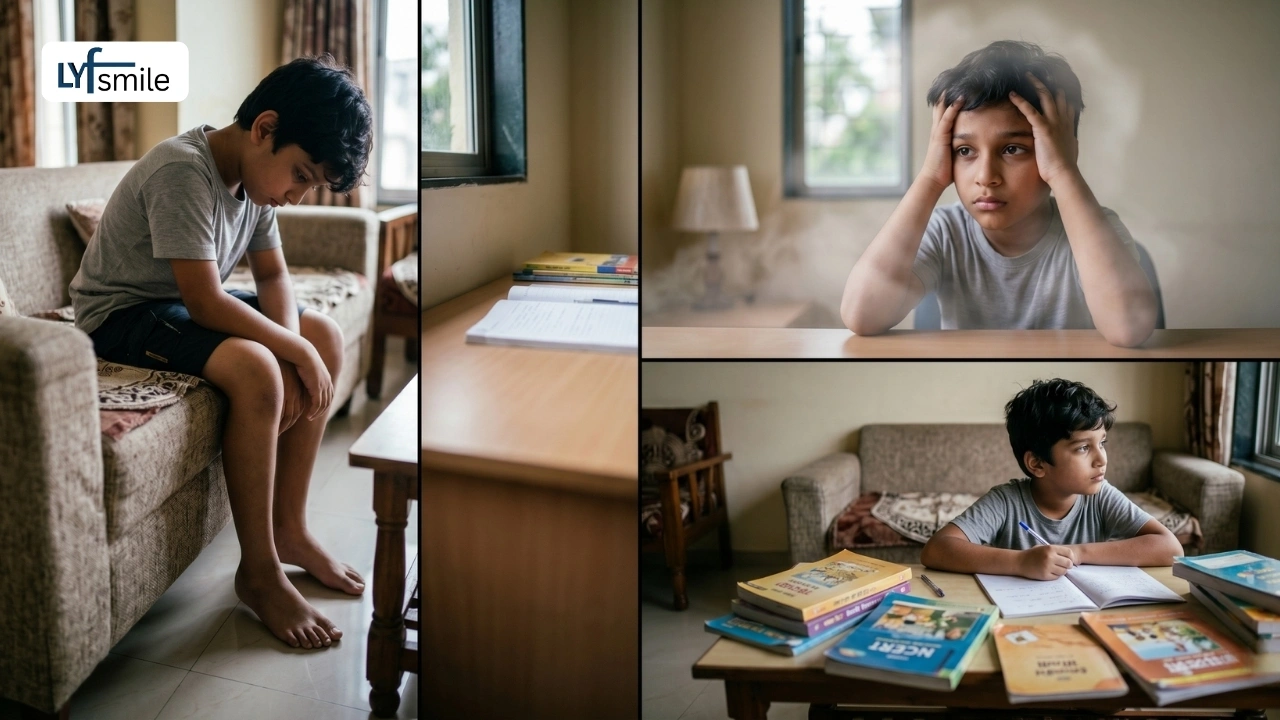 When a child feels lonely at home and continues without being addressed, it does not stay in one place. It slowly spreads into how your child feels every day, their confidence, their focus, and their willingness to try.
In Gurgaon, where many parents balance demanding corporate jobs, and children face increasing academic and social pressures, emotional loneliness can remain unnoticed for months. Families living in DLF, South City, Sushant Lok, Sector 46, Sector 57 and New Gurgaon commonly experience these challenges.
Emotional Signs to Watch For in Your Child
A low, flat mood with no obvious reason, your child seems switched off
Small things feel bigger than they should, easily overwhelmed
Your child is becoming quieter, less expressive, and more closed off over time
Starting to believe nobody cares, the child's negative thinking about the family
A child's low self worth creeping into how they see themselves
Not reacting to things that would normally matter, child emotional numbness
A child feeling unloved, even when love is clearly present
feeling hopeless and lonely, a heaviness that does not lift
Behavioural Signs to Watch For in Your Child
staying in the room all day, avoiding shared family spaces
avoiding eye contact at home, giving one-word answers, not engaging
Stepping back from family activities, they once enjoyed
not joining family activities, always finding reasons to be elsewhere
isolating themselves at home, solitude becomes a habit, not a choice
Becoming distant from parents, the warmth that used to be there quietly fades
glued to phone or screen, replacing real connection with digital distraction
Physical Signs to Watch For in Your Child
sleep problems due to loneliness - restless nights, difficulty falling asleep
fatigue and emotional disconnection - always tired despite resting
loss of appetite and loneliness - eating less or skipping meals without reason
Headaches, stomach aches with no medical cause - the body expressing what the mind cannot
How It Connects to Bigger Concerns
When this pattern continues for weeks or months, it can connect with deeper concerns, child anxiety, depression, lack of interest in studies, and lack of confidence.
Can loneliness cause depression in children? Yes, it can. A child who feels unseen long enough begins to believe they are not worth being seen. That quiet belief, left unaddressed, affects everything: confidence, relationships, and how they move through the world.
That is why what looks like moodiness or withdrawal today deserves your attention now, not later.
What Parents Can Do at Home: Small Steps That Help Your Child Feel More Connected
Parents searching for how to help a lonely child in Gurgaon often find that small daily changes at home, combined with timely emotional support, can make a significant difference.
Be Present Without an Agenda
Sit near your child without needing to talk. Watch something they like. Be in the same room. Presence without pressure tells your child - I am here, and I am not going anywhere. For a child who feels unseen, being noticed without being corrected can feel like relief.
Ask Differently
Instead of "how was school?" try "what was the best and worst part of your day?" Open questions create more space. How to talk to a child who feels alone starts with listening more than speaking and asking in ways that invite rather than interrogate.
Listen Without Immediately Fixing
When your child shares something, resist the urge to solve it. Sometimes they need to be heard, not helped. When a child senses their feelings are being managed rather than understood, they stop sharing. Sit with what they say. Let it land before you respond.
Create Healthier Screen Habits Together
Screen addictions are more connected than most parents realise. When both parent and child are on separate screens, a real connection does not happen. Create small phone-free windows during the day, even 20 undistracted minutes of shared time makes a difference over time.
Notice and Name What You See
A child who feels invisible needs to be seen. When you notice and name the small things: "I saw how patient you were today" or "I noticed you seemed quiet, I am here if you want to talk", it tells your child they matter. That simple act can quietly shift something significant.
Watch for Growing Social Withdrawal
If your child has stopped seeing friends, pulled away from activities, or seems to be quietly shrinking their world, child social withdrawal at home is growing, not passing.
When should parents worry about child loneliness? When the distance has lasted more than a few weeks and nothing seems to be helping, that is when it is time to consider more support.
When Should Parents Seek Help for Child Loneliness
If your child's loneliness at home has been lasting more than four weeks and is showing up as behaviour changes, poor sleep, dropping grades, or loss of interest in daily activities and especially if you notice signs of anxiety, persistent sadness, or early depression, early support from a child counselor in Gurgaon is strongly advised. The longer these patterns continue without support, the more deeply they can affect your child's confidence, emotional health, and daily functioning.
Along with improving communication, regular Child Emotional Support helps children feel safe, valued, and understood. Small moments of connection every day can gradually rebuild trust and reduce feelings of loneliness. Parents looking for the Best Child Psychologist or an experienced Child Therapist in India should seek early guidance if loneliness begins affecting their child's confidence, relationships, or emotional well-being.
How Talking to a Counselor Can Help Your Child Deal With Emotional Disconnection
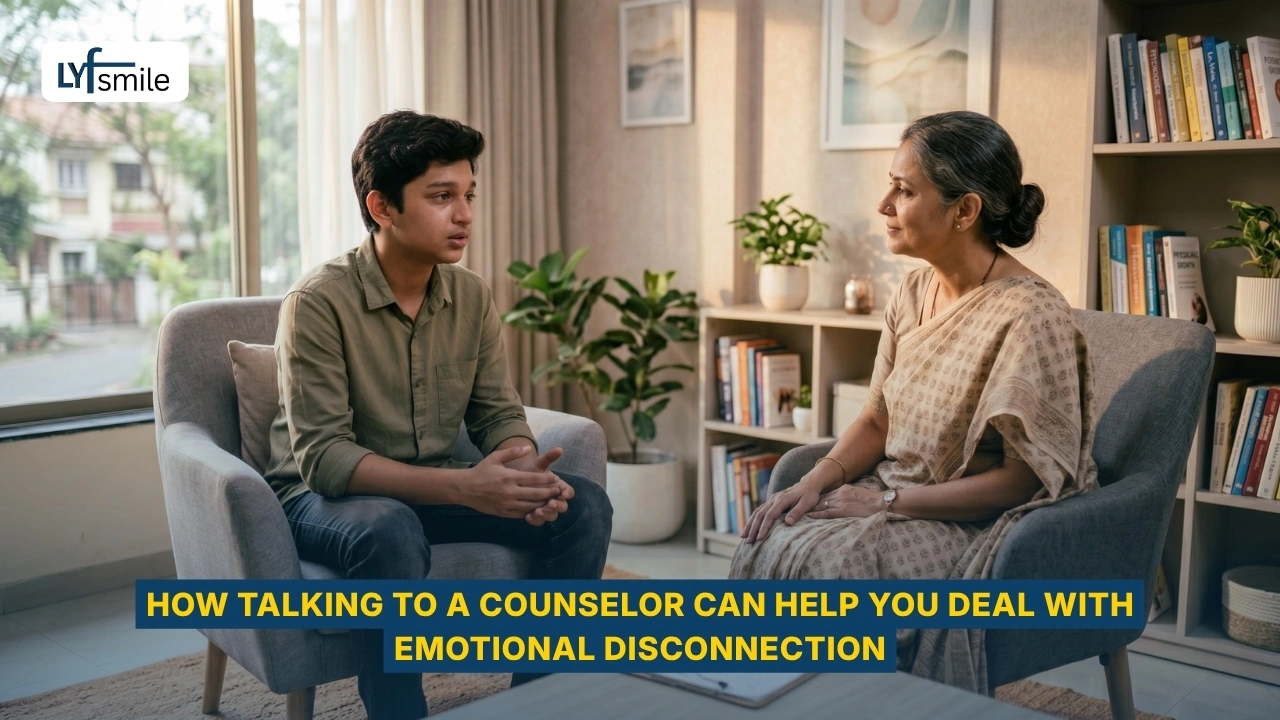 When your child seems stuck, withdrawn, or unable to open up despite your best efforts, professional support can make a meaningful difference.
What a Child Counselor Actually Does for Your Child
A child counselor for emotional issues in Gurgaon does not just talk to your child for an hour. They create a safe, neutral space where your child can say things they cannot say at home, without fear of worry, judgment, or consequence.
In that space, your child begins to:
Understand why they feel lonely even with family around
Identify the thoughts behind their emotional distance
Learn how to express what they feel in ways that actually connect
Rebuild confidence and willingness to engage, step by step
Feel less like a burden and more like someone whose feelings make sense
Why a Neutral Space Matters for Your Child
Sometimes a child cannot open up to parents not because they do not love them, but because they do not want to worry them. A child therapist for loneliness Gurgaon provides a space that is entirely theirs, where nothing they say will change how the people at home look at them.
That safety is often what unlocks everything. Children who have been silent for months begin to open up, because for the first time, the space feels truly safe.
What Changes After Counseling
With the right therapy for child loneliness Gurgaon, families typically notice:
Your child becoming more open at home - gradually but meaningfully
The distance between you starting to close
Your child is reconnecting with activities and interests they had stepped away from
Less child isolating themselves at home
Better sleep, improved mood, and more confidence in daily life
Feelings kept inside for months, finally finding a way out
Book a Free 15-Minute Consultation
A simple first step one conversation that can help you understand what your child is going through and where to begin.
Final Thought
Feeling lonely despite being at home, unseen in a house full of people who love them, is not something children should have to sit with alone. And it is not something parents should have to watch helplessly.
With small, consistent steps at home and the right support when needed, the distance between you and your child can close. It happens slowly, but it happens.
Whether you live in DLF Phase 4, South City, Palam Vihar, Sushant Lok, Sector 56, Sector 57, Sohna Road or New Gurgaon, early intervention can help your child reconnect emotionally and regain confidence.
Families across India can also choose Online Child Counseling with a Child Psychologist Online India, making expert emotional support available from the comfort of home whenever children need guidance.
If you are worried about your child, one conversation with a child psychologist in Gurgaon can help you understand what they are going through and what can actually help.
FAQs
Why does my child feel lonely at home even when we are supportive?
Loneliness in children is not about how much love is present; it is about how understood your child feels. Even in a caring home, a child can feel emotionally unseen if their thoughts and feelings don't feel fully heard. It often builds quietly through small everyday gaps in connection.
Can a child really feel lonely with family around?
Yes. Child loneliness despite family is real and more common than most parents realise. It happens when a child feels emotionally disconnected, present in the room but not truly seen by the people around them.
Why does my child stay in their room all the time?
A child staying in a room all day is one of the most common signs of a child feeling isolated at home. It is usually not defiance; it is withdrawal. Your child may be carrying something they don't know how to say, and their room feels like the only space where they don't have to explain themselves.
Can loneliness cause depression in my child?
Yes. Emotional disconnection that continues without support can develop into depression and sadness in children. The longer a child feels unseen and unheard, the more it begins to shape how they see themselves and that pattern, left unaddressed, deepens over time.
How do I talk to my child when they won't open up?
Start small. Ask open questions. Be present without pressure. Reduce screens during shared time. Avoid trying to fix what they share, just listen. How to connect with an emotionally distant child is less about the right words and more about consistent, genuine presence over time.
When should I seek professional help for my child's loneliness?
If your child has been avoiding family, showing signs of child social withdrawal, or seems disconnected for four weeks or more, it is worth speaking to a child psychologist in Gurgaon. Early support from a licensed child counselor always makes a bigger difference than waiting.
Are online counseling sessions available for children?
Yes. Lyfsmile offers both online counseling for lonely children and in-person sessions in Gurgaon. Many children are actually more comfortable opening up from their own space, making online sessions just as effective.