
Lakshika Kaushik
Best Teen Therapy Centre in Gurgaon: Counselling For Anxiety, Stress & Emotional Support
As a parent, you may have started noticing that your teen is not the same as before; they share less, get irritated easily, or seem lost in their own thoughts. It can feel confusing and, at times, deeply worrying.
Today’s teenagers, especially in a fast-paced city like Gurgaon, are dealing with constant pressure from studies, expectations, social comparisons, and the constant presence of social media. Even when everything looks “normal” on the outside, many teens are quietly struggling with overthinking, low confidence, and emotional stress.
What makes this harder is that they don’t always express it clearly. Instead, it shows up in small ways, such as mood swings, loss of interest, or a growing distance from family. While it may seem like a phase, repeated patterns can often point towards adolescent anxiety.
At this point, the right support can make a real difference. With guidance from a child psychologist in Gurgaon and the right therapy for teenagers, your teen can begin to feel more understood, supported, and emotionally steady.
Many teenagers struggle silently with anxiety, academic pressure, or emotional stress. Early Teen Counseling, guidance from an experienced Child Therapist, and professional Child Mental Health Counseling help teenagers understand their emotions, build confidence, and develop healthy coping skills.
What is teen therapy?
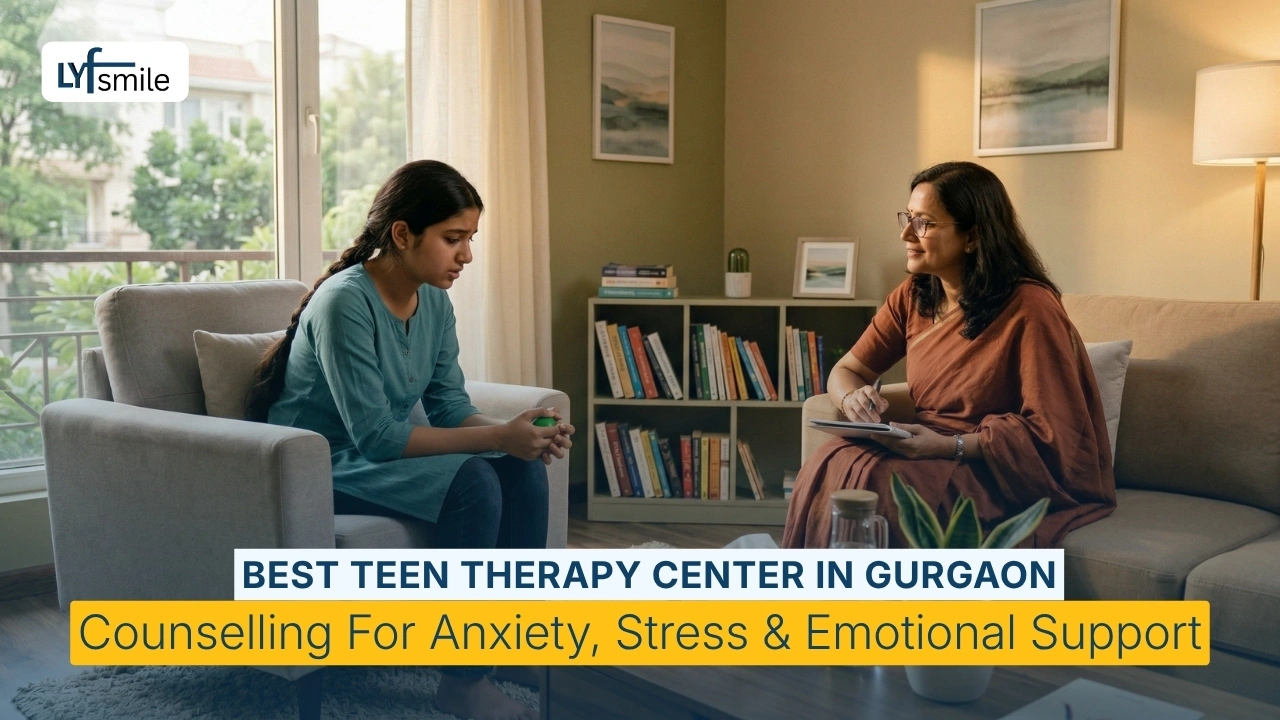
Teen therapy is a specialised form of counselling designed to help adolescents manage emotional, behavioural, and psychological challenges. It provides a safe and supportive environment where teenagers can openly discuss their feelings, thoughts, and concerns with a trained mental health professional.
Along with emotional guidance, Child Counseling provides teenagers with practical strategies to manage stress, improve communication, and handle everyday emotional challenges more confidently.
Through adolescent counselling, teens learn healthy coping skills, improve communication, manage stress, and develop emotional resilience. Teen therapy can help with anxiety, depression, low self-esteem, academic pressure, social difficulties, and family conflicts. Early intervention through therapy for teenagers can make a significant difference in their emotional well-being and overall development.
Can Teen Anxiety Be Treated With Therapy?
Identify anxious thoughts, understand emotional triggers, and learn practical coping strategies. With guidance from a child therapist in Gurgaon, teenagers can gradually develop confidence, improve emotional regulation, and manage stress in healthier ways. Early support through therapy for adolescent anxiety often prevents symptoms from becoming more severe over time.
What changes in your teen should you be concerned about?
It usually begins with small shifts that don’t seem serious at first, such as a little distance, less sharing, or a change in mood. But when these patterns continue, they can signal something deeper, especially when linked to adolescent anxiety.
Behaviour shifts you might notice at home
You may start noticing changes like:
Less communication or not sharing feelings like before
Irritability or anger over small things
Spending more time alone or feeling emotionally distant
Increased screen time or social media use
Reduced interest in studies or daily activities
Many of these concerns are also linked with Counseling for School Stress, especially when academic pressure, fear of failure, or exam-related anxiety begins affecting a teenager's emotional well-being.
Signs that may need attention, not just normal behaviour
Some changes are a natural part of growing up, but certain patterns may indicate that your teen needs closer attention. These may be linked to adolescent anxiety, stress, or emotional difficulties.
You may notice:
Mood swings, irritability, or sudden anger
Low mood or emotional withdrawal
Lack of interest in studies
Sleep problems or constant tiredness
Overthinking or fear of failure
Low confidence or self-esteem
Not sharing feelings or avoiding conversations
Social withdrawal
If these signs continue and start affecting daily life, your teen may need support. Early help through therapy for adolescent anxiety or therapy for teenagers can make a meaningful difference.
When normal stress starts turning into anxiety
Stress becomes a concern when it begins to affect daily life, thoughts, and behaviour. You might notice:
Constant worry or overthinking
Academic pressure and fear of failure
Frequent mood swings or emotional ups and downs
Feeling overwhelmed even with small tasks
At this stage, early support can really help. Connecting with a child therapist in Gurgaon, and starting the right therapy for adolescent anxiety, can help your teen feel more balanced, understood, and supported.
Teen Stress vs Teen Anxiety
Teen Stress | Teen Anxiety |
|---|---|
Temporary | Persistent |
Linked to a situation | May occur without a clear reason |
Improves after rest | Continues despite reassurance |
Mild emotional discomfort | Excessive worry and fear |
Usually manageable | May require professional support |
Don’t wait for things to get harder.
Get support from the Best Teen Therapy Center in Gurgaon.
Book a 15-minute free consultation
How therapy for teenagers actually works
 Starting therapy can feel like a big step for both teens and parents. But over time, many parents begin to notice small yet meaningful changes. With the right therapy for teenagers, the goal isn’t just to change behaviour, but to help teens understand what they feel and learn how to handle it.
How therapy creates a safe and supportive space
In therapy, teens get a space where they can talk without fear of being judged, corrected, or misunderstood. This becomes especially important when they are dealing with adolescent anxiety, overthinking, or emotional stress.
With the support of a child therapist or child psychologist in Gurgaon, teens gradually begin to open up. Over time, this safe space helps them:
Express feelings they were holding in
Understand their emotions more clearly
Feel heard and validated
Become more comfortable sharing
Improvements parents often notice with therapy
As sessions continue, changes may not be immediate, but they become visible in everyday life. With consistent therapy for adolescent anxiety, parents often notice:
Better emotional control and fewer mood swings
Improved communication at home
Reduced overthinking and stress
Better focus on studies or routine
Growing confidence and emotional stability
These small shifts slowly add up, helping your teen feel more like themselves again.
How to choose the right teen therapy centre in Gurgaon
When choosing a therapy centre, qualifications matter, but understanding teen-specific concerns matters even more. You’re not just looking for a professional, but someone who can genuinely understand your child.
Look for a certified and RCI-licensed child therapist or child psychologist in Gurgaon who has experience working with teenagers, especially with concerns like adolescent anxiety, emotional stress, and behaviour changes.
Key things to check:
Relevant qualifications and certifications
Experience with teen mental health concerns
Ability to handle issues like anxiety, low mood, or academic stress
A practical and supportive approach, not just theory
A therapist who understands teens well can make your child feel comfortable much faster.
How to know if the therapist is the right fit for your teen
Even the most qualified therapist may not be the right fit if your teen doesn’t feel comfortable opening up.
The right therapist should make your child feel:
Safe enough to share thoughts without fear
Understood, not judged or corrected
Comfortable talking at their own pace
Supported during emotional challenges
As a parent, you may also notice small changes, like your teen becoming slightly more open, less irritated, or more willing to communicate. These are early signs that the therapist is a good fit.
Online vs offline therapy: what works better for your teen
Both online and offline therapy can be effective; the choice depends on your child’s comfort.
Online therapy allows your teen to talk from a familiar, private space
Offline sessions in Gurgaon provide a more structured, face-to-face environment
Some teens open up better online, while others prefer in-person interaction
The most important factor is what makes your child feel safe and comfortable enough to engage in the process.
Conclusion
Understanding your teen’s emotional changes can be challenging, and at times, overwhelming. But ignoring these signs can make things harder over time.
Choosing the Best Teen Therapy Centre in Gurgaon, along with the right therapy for adolescent anxiety, can help your teen feel more supported, stable, and understood. With guidance from a certified child therapist or child psychologist in Gurgaon, your teen can learn to manage their emotions better and cope more healthily.
Sometimes, the smallest step you take today can make the biggest difference in your teen’s tomorrow.
Early support through the right therapy for teenagers can really help.
Talk to a child therapist or child psychologist in Gurgaon today
+91 9804791047
FAQs
1. What if my teen refuses to go for therapy?
It’s very common for teenagers to resist the idea of therapy at first. Instead of forcing it, try having a calm, non-judgmental conversation. Let them know therapy isn’t about “fixing” them, but helping them feel better. Often, once they feel safe, they become more open to therapy for teenagers.
2. What if my teen doesn’t open up during therapy sessions?
This is completely normal in the beginning. A skilled child therapist or child psychologist in Gurgaon focuses on building trust first. Once your teen feels comfortable and not judged, they usually start opening up gradually.
3. How do I choose the Best Teen Therapy Center in Gurgaon?
Look for a center with certified and experienced child therapists or child psychologists who understand teen concerns like anxiety, stress, and emotional changes.
At Lyfsmile, teens get support from experienced professionals with flexible online and offline sessions in Gurgaon, making it easier for them to feel comfortable and open up.
4. How can I understand what my teen is really going through emotionally?
The first step is getting clarity on your teen’s emotional and behavioural patterns. A child assessment (available at ₹500) helps identify concerns like anxiety, stress, low mood, or behaviour changes that may not be clearly visible.
This makes it easier to understand your child better and choose the right therapy for teenagers based on their needs.
5. Can therapy help with academic stress and focus issues?
Yes, therapy can be very helpful for teens struggling with academic stress, fear of failure, and attention or focus problems. These challenges are often linked to anxiety, overthinking, or low confidence, which can affect both performance and motivation. With the right therapy for teenagers, your child can learn how to manage pressure, improve concentration, and build healthier study habits.
At Lyfsmile, experienced therapists work closely with teens to help them handle academic stress in a more balanced and practical way, improving both their focus and overall emotional well-being.