


Yakshi
7 Signs You Are Dealing With a Narcissist (And Why You Should Keep Distance)
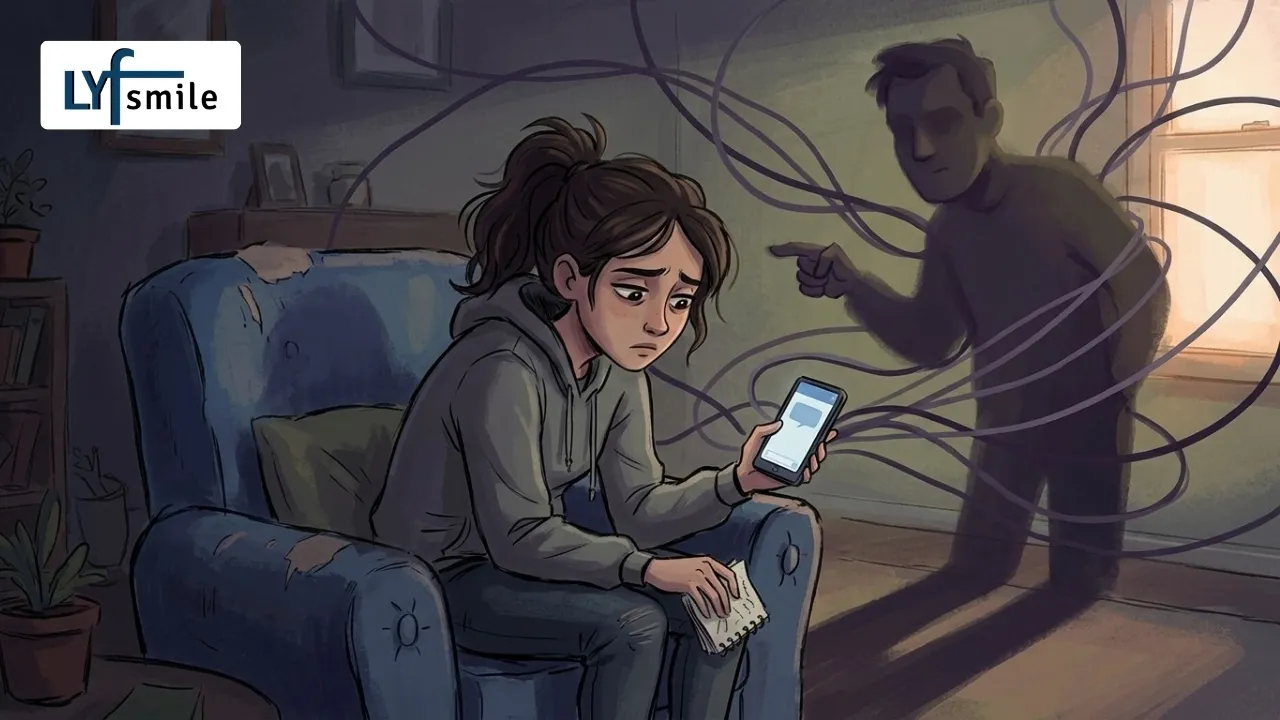
Have you ever walked away from a conversation feeling smaller than when you started? Have you met someone who is charming one minute and cold the next, leaving you confused and anxious? You might be dealing with a narcissist.
The word "narcissist" gets thrown around a lot. We call an ex who only posts selfies a narcissist, or a boss who takes credit for our work. But true narcissism-especially Narcissistic Personality Disorder (NPD)-is deeper and darker than just vanity. It is a pattern of behavior that can erode your self-esteem, drain your energy, and leave lasting psychological scars.
What Is a Narcissist? (Short Definition)
A narcissist is someone who has an extreme need for attention and admiration, a strong belief that they are more important than others, and very little ability to care about your feelings.
They are not just confident or vain. In cases involving a narcissist in relationships, they often use people like tools, to feel powerful, special, or entertained. When you stop being useful to a narcissist person, they drop you without guilt or emotional responsibility. Over time, a narcissist can deeply affect your mental health, leading to self-doubt, anxiety, emotional exhaustion, and a loss of self-worth.
One line to remember: A narcissist sees you only as a mirror that should reflect them back beautifully. They never see you.
The bad news? Narcissists rarely change. The good news? Once you know the signs, you can spot them from a mile away and protect your mental health.
Here are 7 Key Signs of a Narcissist
Here are seven clear, relatable signs you are dealing with a narcissist-and why keeping your distance isn't just smart; it's necessary for survival.
1. The Conversation Is Always About Them
You walk into work excited to share a promotion. Before you finish your first sentence, they interrupt: "That's nice, but let me tell you what happened to me today..."
You mention you have a headache. They suddenly have a migraine that is "a thousand times worse."
Narcissists suffer from a chronic lack of empathy. They simply cannot hold space for your emotions because their own needs are too loud. In their mind, the world is a stage, and they are the only lead actors. Everyone else is just a supporting character or part of the scenery.
The Relatable Test: Try sharing a piece of good news with them. Watch closely. Do they celebrate with you? Or do they immediately pivot to topping your story? If every conversation feels like a tennis match where you never get to serve, you are dealing with a narcissist.
2. They Have a "Rules for Thee, Not for Me" Attitude
This is the classic double standard. They can be late, lie, or lose their temper, but if you do the same? Prepare for an explosion.
Narcissists genuinely believe they are exceptional. Standard social contracts-like honesty, punctuality, or respect-apply to ordinary people. And since they are not ordinary (in their eyes), they aren't bound by the same rules.
You will hear phrases like: "You know I just get angry when I'm stressed, you shouldn't take it personally." But if you raise your voice even once, you are "abusive" and "unstable."
Why it hurts: Living under this double standard creates constant anxiety. You are always walking on eggshells, trying to follow rules that they rewrite on a whim. You become exhausted trying to be "fair" to someone who has no intention of being fair back.
3. They Lack Genuine Empathy (The "Emotional Void")
This is the scariest sign. A narcissist can mimic empathy when it benefits them-like during a first date or a job interview. But genuine, gut-level empathy? It is missing.
If you are crying, they don't feel sad for you. Instead, they feel annoyed. Your sadness is an inconvenience. It interrupts their supply of attention. They might pat you on the head robotically and say, "There, there, cheer up," just to get you to stop.
A Relatable Scenario: Imagine telling a narcissist that your pet died. A normal person would offer comfort. A narcissist might say, "I know how you feel, I lost my goldfish when I was six. Anyway, back to my vacation plans..." They use your tragedy as a springboard to talk about themselves, or they dismiss it entirely.
Without empathy, there is no genuine love, only transaction. They see you as a vending machine: they put in charm, and they expect attention, status, or sex to come out.
4. They Are Extremely Defensive (You Can't Critique Them)
Try giving a narcissist gentle, constructive feedback. Say, "Hey, it hurt my feelings when you forgot our dinner plans."
Watch what happens. Do they say, "You're right, I'm sorry"? No. They will likely:
Gaslight you: "That never happened. You are making things up."
Counter-attack: "Oh, so I'm the bad guy? What about last Tuesday when you were rude to the waiter?"
Play victim: "After everything I do for you, you treat me like this? I'm the worst person in the world, I guess."
This is called narcissistic injury. Their fragile ego cannot handle the slightest scratch. To admit a mistake would be to admit they are imperfect, which would shatter their false self. So rather than apologize, they destroy the messenger.
The Result: You stop bringing up problems. You swallow your frustrations. You convince yourself you are too sensitive. This is exactly where they want you-silent and submissive.
5. They Engage in "Love Bombing" (At First)
Not every interaction with a narcissist is bad. In fact, early on, it can be almost perfect. This is the "idealization" phase.
They will shower you with gifts, compliments, and promises. "I've never met anyone like you." "You are my soulmate." "Let's move in together after two weeks."
This is called love bombing. It feels amazing. But it isn't real. It is a hook. The narcissist is collecting data on what you want to hear so they can use it later to control you. Once you are hooked, the mask slips, and the devaluation begins.
The Red Flag: If something moves too fast, if the compliments feel too big for the situation, or if they treat you like a god/goddess immediately-run. Healthy love builds slowly. Love bombing is a trap set by a predator.
6. They Keep Score and Hold Grudges
Normal people forgive and forget small slights. Narcissists have a mental ledger, and they never close a debt.
They will remind you of the time you were five minutes late three years ago. They will bring up the mistake you apologized for last Christmas. This isn't about the mistake-it's about power. By keeping you in perpetual debt, they ensure they always have leverage over you.
The Dynamic: You find yourself constantly apologizing for ancient history, trying to "pay back" a debt that can never be cleared. Meanwhile, their recent betrayals go unmentioned because, remember, they don't follow the rules.
7. They Surround Themselves With "Flying Monkeys"
Narcissists are masters of social manipulation. When they sense you are pulling away or threatening to expose them, they recruit others to do their dirty work.
These are the flying monkeys (a term borrowed from The Wizard of Oz). They might be mutual friends, siblings, or coworkers who suddenly tell you: "You are being too hard on them." "They are just sensitive, give them a break." "I think you owe them an apology."
What you don't realize is that the narcissist has been feeding these people a false story. They have painted themselves as the victim and you as the villain. The flying monkeys aren't evil; they are manipulated. But their pressure makes you feel isolated and crazy.
The Distancing Signal: If you notice that your private conflicts are suddenly public knowledge, and people are taking sides without hearing your side, you are almost certainly dealing with a master manipulator.
Why You Should Keep Your Distance from People With These Narcissist Traits
 Now that you see the signs, you might be thinking: "Okay, but they aren't that bad. Maybe I can manage them. Maybe I can set better boundaries."
Stop right there. Here is the harsh truth: You cannot manage a narcissist. You can only survive them by leaving. Here is why distance is the only cure:
1. To protect your mental health.
Spending too much time around a narcissist can leave you anxious, depressed, confused, and doubting your own worth. Some experts call this "narcissistic victim syndrome." Your mind was not built to handle constant manipulation.
2. To break the cycle of abuse.
Narcissists feed on your reactions-whether you cry, argue, or even compliment them. Keeping distance (or going completely "no contact") starves them of that fuel. It stops the exhausting hot-and-cold rollercoaster.
3. To stop being gaslit.
Gaslighting makes you question your own memory and sanity. The only way to truly see reality again is to step away from the person who keeps twisting it. Distance clears the fog.
4. To reclaim your identity.
Narcissists train you to put their needs first, always. Over time, you forget what you want, feel, or believe. Distance gives you the quiet space to rediscover yourself-your goals, your joy, your voice.
5. To avoid emotional exhaustion.
Even short conversations with a narcissist can drain you like a long day of work. Setting firm physical and emotional boundaries saves your energy, your time, and your peace of mind.
How to Keep Your Distance From Narcissistic People (Practical Steps)
You don't need to announce you are leaving. In fact, announcing gives them a chance to manipulate you back.
The Gray Rock Method: Become as boring as a gray rock. Give one-word answers. Don't share your feelings, your plans, or your vulnerabilities. Starve them of the emotional supply they crave.
No Contact (If possible): Block the number. Block social media. Move cities if you have to. For family or coworkers you can't avoid, use "medium chill"-be polite, distant, and uninteresting.
Get Support: Narcissists isolate you. Reconnect with the friends they made you cut off. Find a therapist who understands narcissistic abuse. You need witnesses to remind you that you aren't crazy.
Grieve the Fantasy: You fell in love with a hologram. Grieve the person you thought they were. It is okay to be sad. But do not confuse missing the fantasy with wanting to go back to the abuse.
If You’re Affected by a Narcissist | How Can You Cope and Protect Yourself
 If you’ve been dealing with a narcissist, the confusion, self-doubt, and emotional exhaustion can slowly build up without you even noticing. The first step is understanding this clearly, you are reacting to manipulation, not overthinking reality.
1. Stop trying to “fix” them: You cannot change a narcissist through love, patience, or logic. The more you try, the more drained you become. Focus on protecting yourself instead of correcting them.
2. Set clear emotional boundaries: Decide what behavior you will not accept. Keep your responses short, calm, and firm. Don’t over-explain boundaries lose power when they become negotiations.
3. Don’t react emotionally: Narcissists feed on emotional reactions. The calmer you stay, the less control they have over the situation. Silence or neutral replies are often more powerful than arguments.
4. Limit contact where possible: If the person is not avoidable, reduce interaction. If they are optional in your life, distance is the strongest form of protection.
5. Trust your reality again: Gaslighting can make you question your memory and feelings. Write things down, talk to trusted people, and remind yourself your feelings are valid.
6. Reconnect with supportive people: Isolation is common in narcissistic dynamics. Rebuild your circle with people who listen, validate, and respect you without manipulation.
7. Focus on your healing: Your energy should go back to you. Sleep, routine, hobbies, therapy, or journaling can help rebuild emotional stability and clarity.
Conclusion
If you read this list and felt a jolt of recognition-if your stomach clenched at the part about love bombing or gaslighting-please hear this clearly: You are not weak, you are not stupid, and you are not unlovable. You were targeted by someone who is very good at what they do.
The bravest thing you can do is not "fix" them. The bravest thing is to walk away. Your sanity, your peace, and your future self are waiting on the other side of that distance. Choose yourself. You’ve been through enough.
FAQs on Narcissists, Behavior, and Emotional Protection
1. Why do narcissists keep you at a distance?
They keep emotional distance to stay in control and avoid real emotional vulnerability or accountability.
2. What happens to a narcissist in old age?
In old age, reduced attention or control can lead to loneliness, frustration, and stronger attempts to manipulate others for validation.
3. What are the five warning signs of a narcissist?
Constant need for attention
Lack of empathy
Gaslighting or manipulation
Love bombing, then withdrawal
Cannot accept criticism
4. How do you shut down a narcissist in an argument?
Stay calm, don’t react emotionally, keep replies short, and disengage. Narcissists lose control when they don’t get emotional reactions.
5. Why do narcissists twist conversations?
To avoid blame and regain control. They often shift focus, gaslight, or blame you instead of addressing the issue.
6. Can a narcissist change?
Rarely. Without deep self-awareness and long-term therapy, most narcissists do not change their behavior.
7. Why do narcissists seem charming at first?
They use “love bombing” too much charm, attention, and praise to quickly gain trust and emotional control.