

Lakshika Kaushik
Facing Sexual Harassment or Bullying and Afraid to Speak Up? Here’s What You Can Do
If someone is sexually harassing you, bullying you, or repeatedly making you uncomfortable, you do not have to handle the situation by yourself. Get to a safer place when needed, involve someone you trust, and use the appropriate support or reporting channel available to you.
You also do not have to confront the person directly just to prove that you are strong enough to deal with it. Your safety matters more than having the perfect response.
There Are Ways to Respond Without Facing It Alone
Tell someone you trust as early as you can. You do not need to have the entire situation explained perfectly before asking for help. A parent, friend, teacher, college authority, colleague, manager, or another trusted person can help you decide what to do next.
If the behaviour is happening repeatedly, keep useful information about it when doing so is safe. Messages, emails, screenshots, dates, locations, or a brief record of what happened may help you explain the situation later.
What you do next can depend on where the problem is happening:
At school or college: Speak with a trusted teacher, counsellor, administrator, or the appropriate authority.
At work: Raise the concern with the appropriate manager, HR team, or designated complaints mechanism.
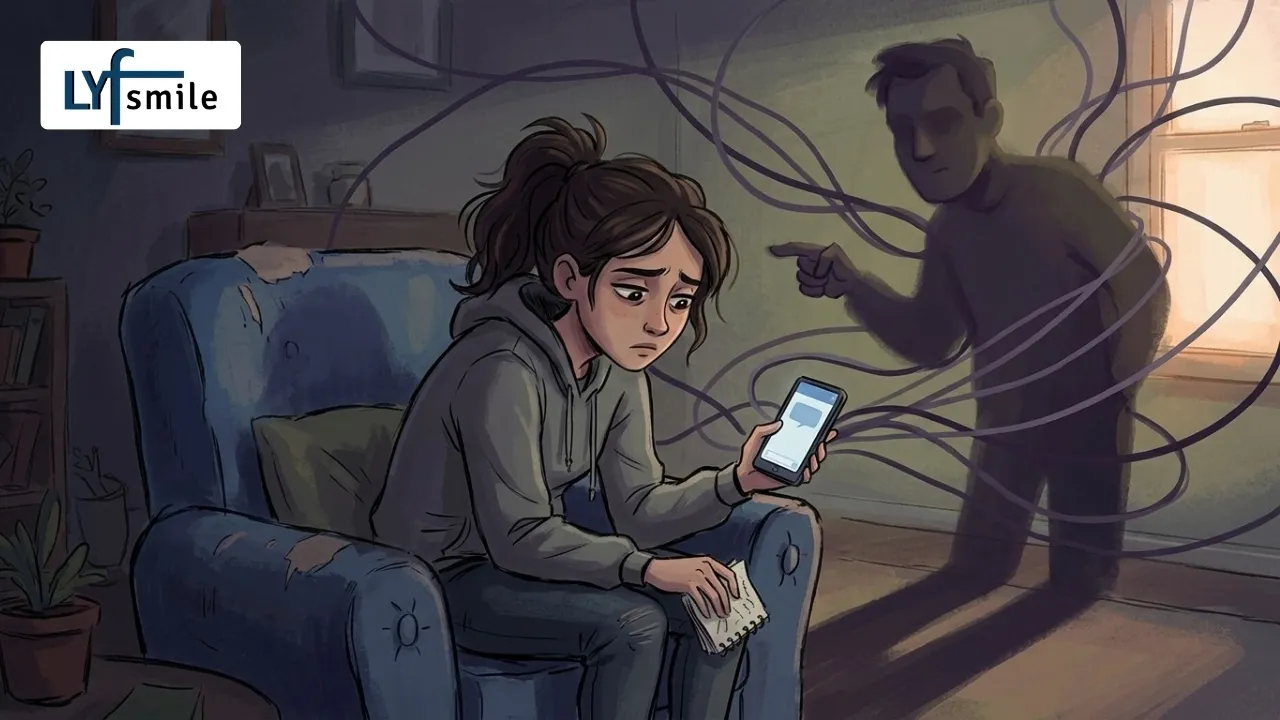
Online: Save relevant messages or screenshots, use platform reporting and blocking tools, and tell someone you trust.
In a personal or social situation: Create distance where possible and involve someone who can support you.
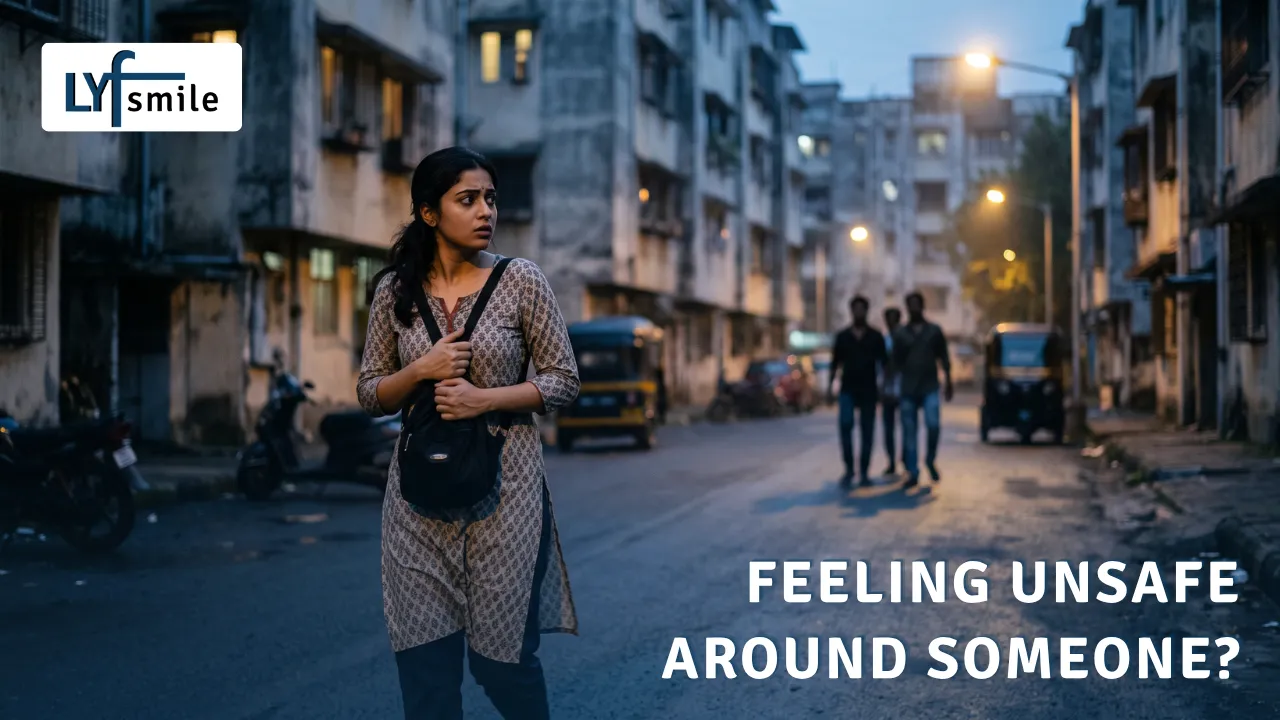
If you are being threatened or followed: Prioritise reaching a safer environment and getting immediate assistance rather than confronting the person.
If you are frightened about speaking up, you can start small. Tell one person privately what has been happening. You can also ask them to stay with you while you report it or help you communicate what happened.
And if you are worried that reporting the situation could make things worse, get support before taking action. You do not have to put yourself at greater risk to make someone else understand that their behaviour is wrong.
If there is an immediate threat to your safety, leave the situation if you can do so safely and seek urgent help.
How Therapy Can Support You After a Difficult Experience
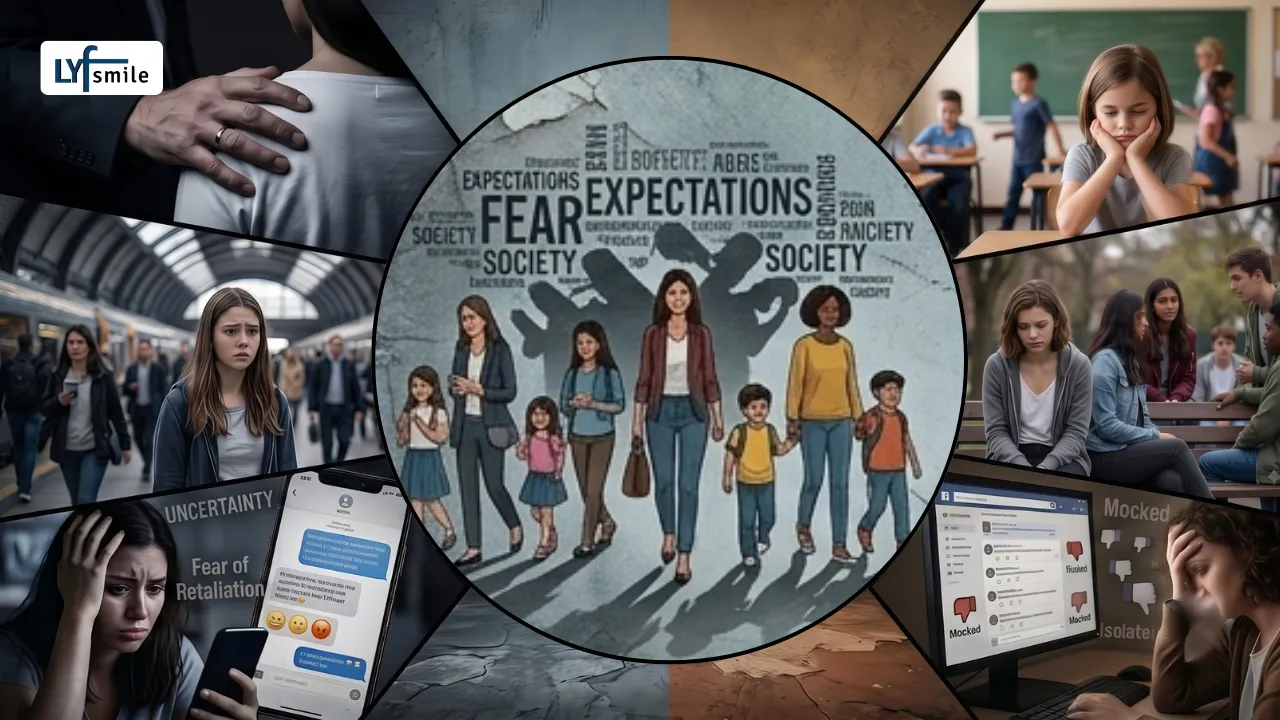
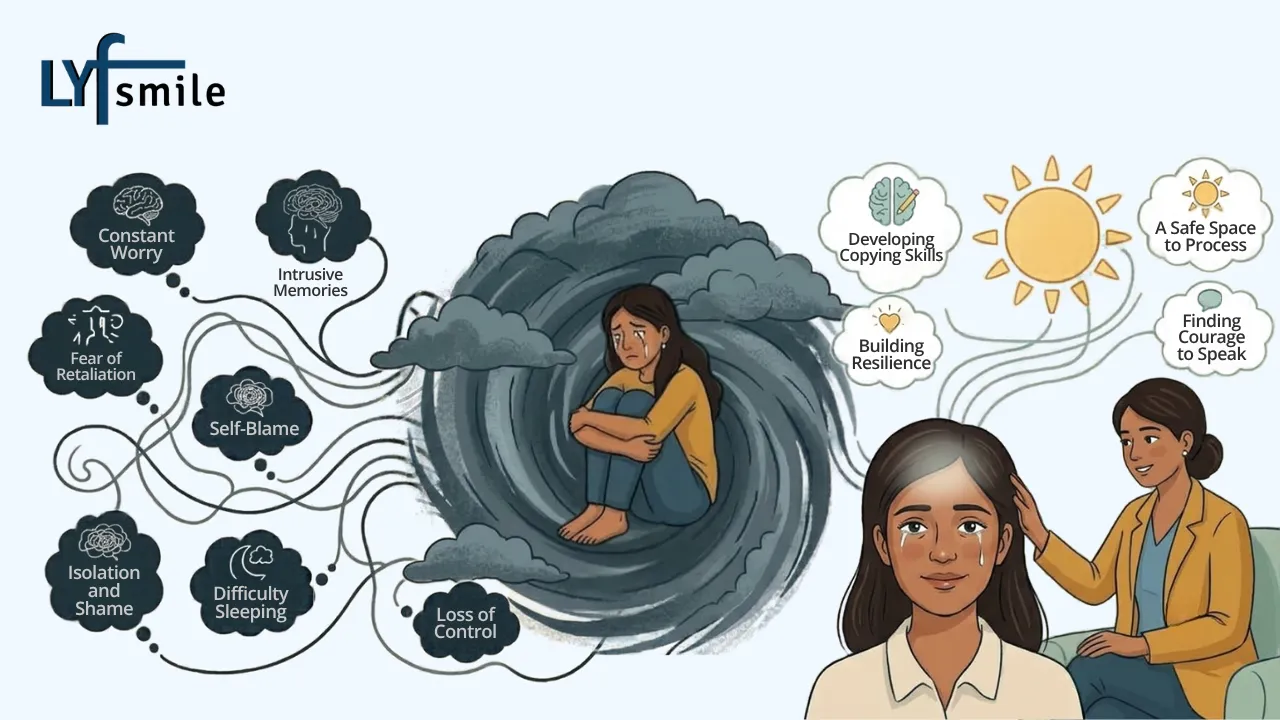 Sexual harassment and bullying can affect much more than the moment in which they happen. You may start avoiding people, places, classes, work, social situations, or conversations because you no longer feel comfortable or confident.
Counselling can help you deal with that emotional impact without making you feel responsible for what someone else did.
A therapist can help you:
Work through fear, anger, shame, embarrassment, or helplessness
Understand why certain situations now make you anxious
Deal with self-doubt after repeated criticism, humiliation, or harassment
Rebuild confidence in social, academic, or professional situations
Find ways to communicate boundaries that feel appropriate and safe
Handle the fear that comes with speaking about what happened
Develop coping strategies for anxiety, unwanted memories, or ongoing emotional distress
You also do not have to decide during your first conversation whether you want to report the person, confront them, or take any particular action. Therapy can give you a private space to understand what you are feeling and think through your choices.
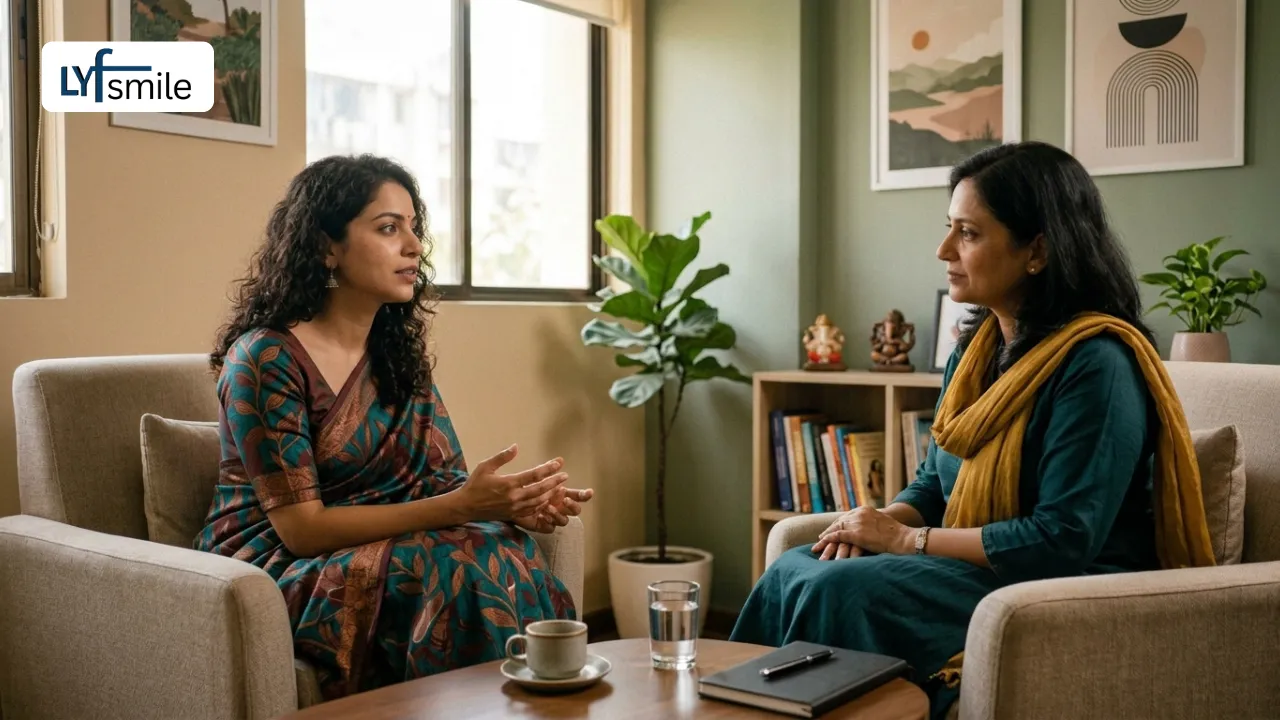
At Lyfsmile, experienced therapists provide confidential, non-judgmental support for women and girls dealing with sexual harassment, bullying, fear, and the emotional impact of difficult experiences.
Online counselling for women’s safety and mental health is available across India and for NRIs, which can be helpful if meeting someone face-to-face feels difficult. In-person therapy options are also available in Gurgaon and Dwarka.
Counseling sessions start at just ₹30 per minute, and you can begin with a free 15-minute consultation to discuss your concerns and understand the support available. You can seek counseling even if the harassment has stopped and you are still trying to understand why it continues to affect you.
FAQs
1. Why am I still scared after the harassment has stopped?
Because your sense of safety may have been affected by what happened. You may remain alert, uncomfortable around certain people, or worried that it could happen again even after the situation has ended.
2. What if I know the person who is harassing me?
Knowing the person does not make the behaviour acceptable. You can create distance, involve someone you trust, and seek appropriate help without feeling obligated to protect the other person's reputation.
3. What if people tell me that I am overreacting?
You do not need everyone's agreement before taking your discomfort seriously. If someone's behaviour is affecting your safety or wellbeing, talking to a trusted person or professional can help you decide what support you need.
4. How can I speak up when I am afraid of what will happen afterward?
You do not have to start with a public confrontation. Tell one person privately, write down what you want to say, or ask someone you trust to support you while you raise the concern.
5. Can bullying or sexual harassment affect my confidence?
Yes. Repeated humiliation, unwanted attention, threats, or harassment can make you question yourself, withdraw from others, avoid certain situations, or feel less confident. Counselling can help you work through these effects.