

Lakshika Kaushik
Emotional Abuse and Controlling Behaviour: Recognising the Impact and Seeking Help
Emotional abuse and controlling behaviour can gradually make a person feel afraid, confused, guilty, powerless, or unsure of their own choices. It can happen within a relationship, family, friendship, or another close connection.
If you regularly change what you say, do, wear, or decide because you are worried about someone's reaction, it is worth paying attention to that pattern. Closeness or family connection does not make harmful behaviour acceptable. Recognising these patterns is an important part of Women’s Safety and Mental Health Support, especially when fear starts affecting everyday decisions.
What Emotional Abuse and Controlling Behaviour Can Look Like
Emotional abuse may involve humiliation, repeated criticism, manipulation, intimidation, insults, blame, or threats that wear down your confidence over time. These are some common signs of emotional abuse, particularly when the behaviour happens repeatedly and begins influencing how you live.
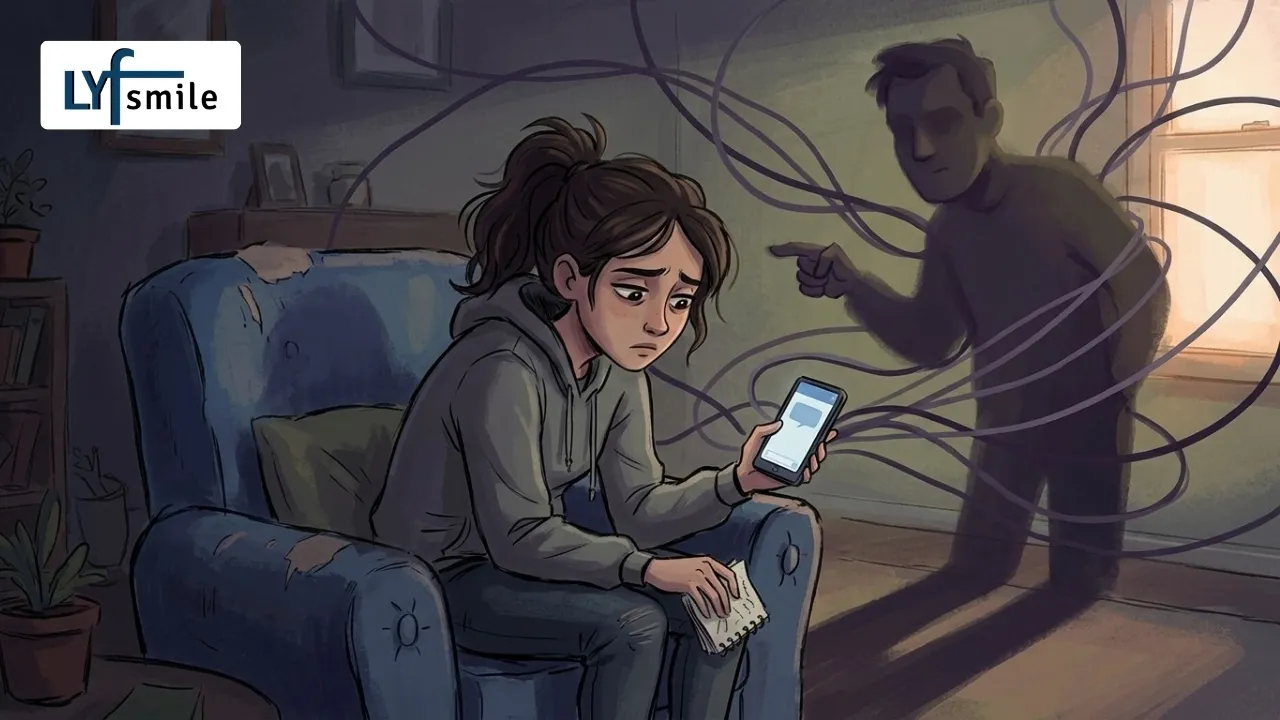
Control can show up through restrictions on your movements, friendships, clothing, finances, communication, or personal decisions. Someone may also check your phone, demand constant updates, or make you feel that you need their permission for ordinary choices.
Emotional manipulation can also make you question your memory, feelings, or judgement. A person may deny what happened, shift the blame onto you, or make you feel guilty for having reasonable boundaries.
Threats can take different forms. A person might threaten physical harm, reveal something private, damage your reputation, harm someone you care about, withdraw financial support, or create serious consequences if you refuse to comply.
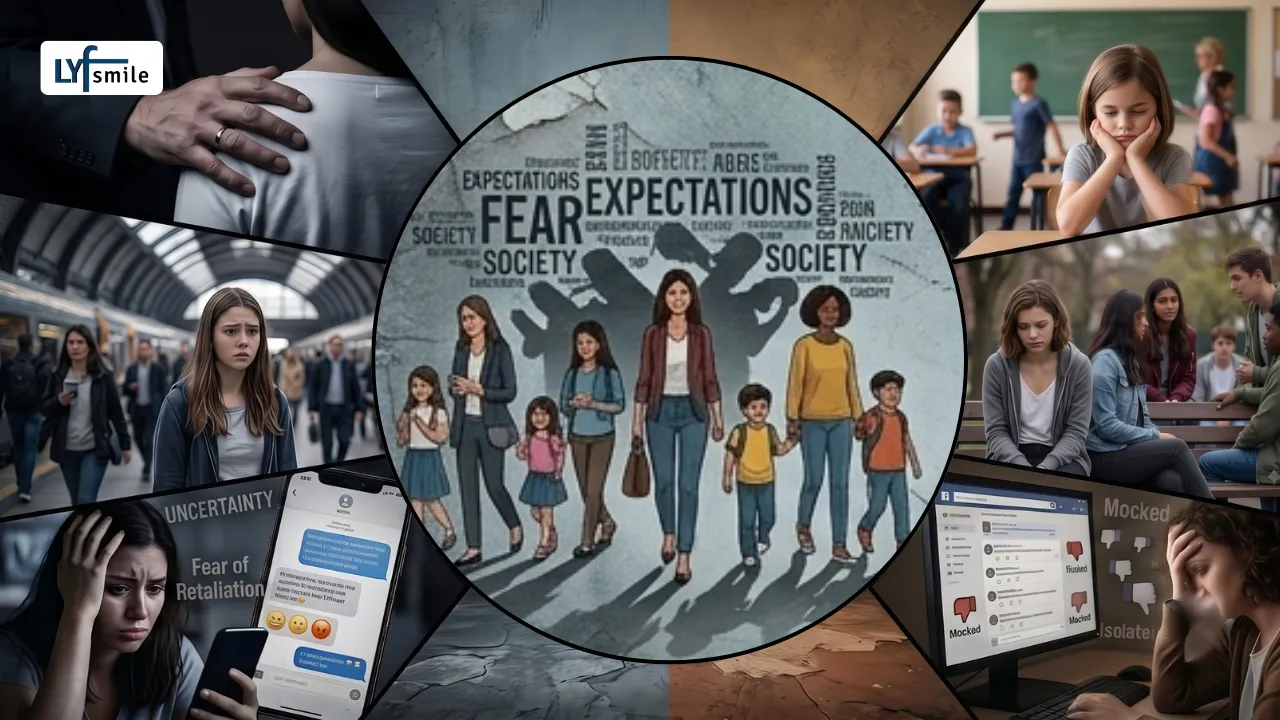
Living with these patterns can leave you constantly tense, dependent, frightened, or trapped. Over time, this can also affect women’s mental health, particularly when you begin doubting yourself or changing your behaviour to avoid someone's reaction.
When Their Behaviour Starts Changing the Way You Live
You may find yourself thinking carefully before speaking because you are trying to avoid an argument or punishment.
You might:
Keep quiet even when you disagree
Change your plans to prevent someone's anger
Feel responsible for another person's mood
Doubt your memory or judgement
Worry about what will happen if you say no
Believe that staying silent is the safest option
These patterns can become especially difficult in a controlling relationship, where one person's demands gradually begin influencing the other's everyday choices.
Fear within a family can be especially complicated. You may feel uncomfortable or frightened around a parent, sibling, relative, or another family member while also hearing that you should tolerate their behaviour because they are family.
You are allowed to take fear and emotional discomfort seriously, even when the person causing them is someone close to you.
When these experiences begin affecting confidence, relationships, sleep, or daily functioning, mental health support for women can provide a safe space to understand what you are going through.
What You Can Do and Where to Find Help
 You do not need to figure everything out at once. Start with steps that are safe and realistic for your situation.
If possible, let one trustworthy person know what has been happening. Choose someone who can listen without pressuring you or blaming you.
Depending on your circumstances, you may also consider:
Spending less time alone with the person when possible
Keeping contact limited when interaction is unavoidable
Staying connected with people outside the situation
Keeping essential documents, money, medicines, and important belongings accessible
Recording threatening incidents if doing so does not put you at greater risk
Thinking ahead about where you could go if you suddenly needed a safer place
If the person checks your phone, tracks your movements, or becomes aggressive when they feel challenged, do not take a step simply because someone else tells you to confront them. Your safety comes first.
Learning to recognise relationship abuse and understanding your personal boundaries can help you make decisions based on your safety rather than fear.
For women who need professional help while dealing with fear, control, or emotional abuse, Affordable Mental Health Support for Women in India can make it easier to access support without adding unnecessary financial pressure.
If You Feel in Immediate Danger
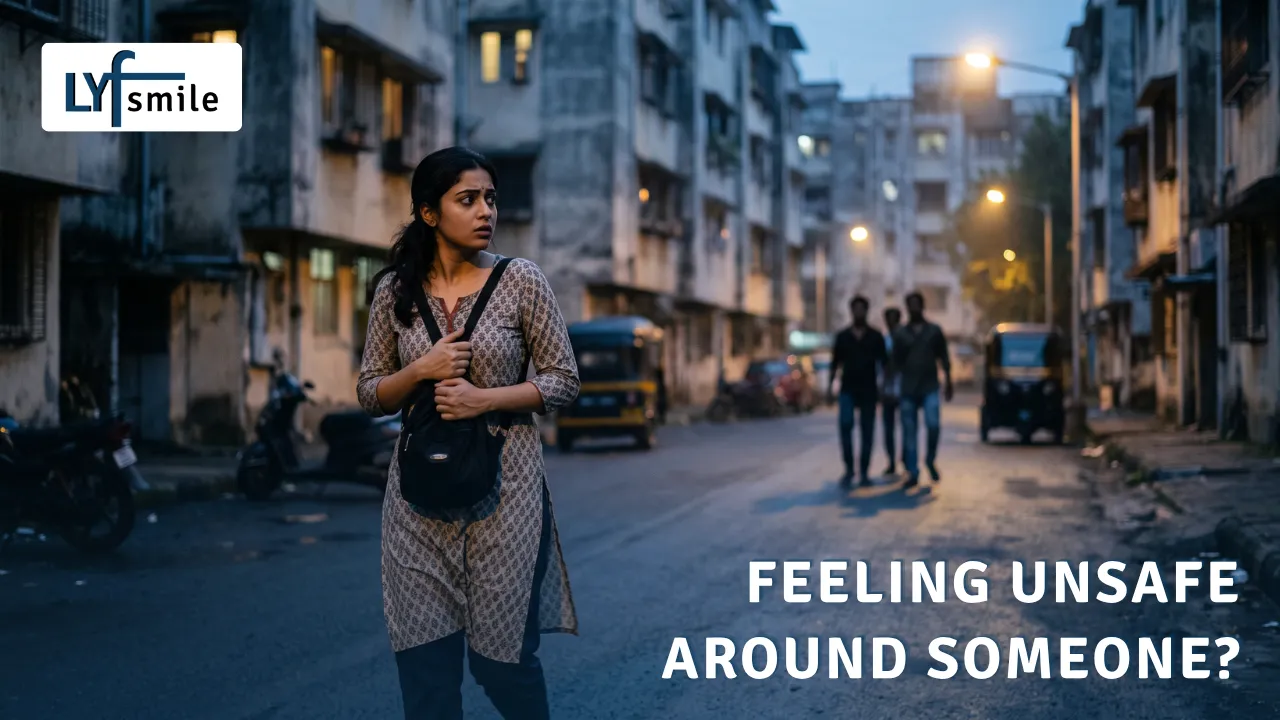
If someone is physically hurting you, threatening serious harm, preventing you from leaving, following you, or making you believe that you could be attacked, deal with the immediate safety concern first.
If you can do so safely:
Go somewhere with other people or to a safer location.
Contact someone you trust and clearly tell them that you need assistance.
Keep your phone available if emergency help may be required.
Avoid confronting the person if doing so could make the situation more dangerous.
Contact appropriate local emergency or support services when necessary.
You do not have to settle the entire situation before taking steps to protect yourself.
Finding a Safer Way Forward With the Right Support
Talking to a therapist can be useful when the situation begins affecting your confidence, sleep, concentration, relationships, or ability to feel secure in everyday life.
A therapist can provide space to:
Make sense of what you have been experiencing
Work through fear, guilt, anger, or self-doubt
Recognise unhealthy patterns
Understand and strengthen your boundaries
Think through possible responses without pressure
Rebuild your sense of confidence and personal control
Process the emotional effects of intimidation or repeated threats
You do not have to arrive at therapy with a final decision about your relationship or family situation. The purpose is not to tell you what choice to make, but to help you understand your experience and consider your options more clearly.
Therapy can also help when abuse and mental health become closely connected, such as when ongoing control leaves you anxious, withdrawn, emotionally exhausted, or unable to trust your own decisions.
At Lyfsmile, experienced therapists offer private, non-judgmental support for women and girls dealing with controlling relationships, emotional abuse, family-related fear, and difficult personal situations.
If travelling to a centre feels difficult, online counseling and therapy can provide access to professional support from a private and familiar environment.
An Online Therapist for Women can also provide support remotely when you prefer to speak with someone from home or another private setting.
Lyfsmile offers therapy at ₹30 per minute, with a free 15-minute consultation available for those who want to understand their options before beginning ongoing sessions.
Online therapy for women is available across India and for NRIs, with in-person options in Gurgaon and Dwarka.
You can seek professional support even if you are still unsure about what you want to do next.
FAQs
1. How can I tell if someone is being controlling rather than simply caring about me?
Care gives you room to make your own choices. Controlling behaviour can involve monitoring, restricting, pressuring, or punishing you when you do not follow what the other person wants.
2. Is emotional abuse still serious if there is no physical violence?
Yes. Emotional abuse does not have to involve physical harm to affect your wellbeing. Repeated intimidation, humiliation, threats, manipulation, or control can have a significant emotional impact.
3. What if the person controlling me is a parent or another family member?
Being related to someone does not remove your right to feel safe and have personal boundaries. If you are afraid of a family member, consider speaking privately with someone trustworthy who can help you think through safe options.
4. Am I responsible for someone else's anger or abusive behaviour?
No. You may choose how you respond to a situation, but another person's threats, intimidation, humiliation, or harmful behaviour are not your responsibility to manage or justify.
5. Can I go to therapy without deciding whether to leave the relationship or family situation?
Yes. You can seek counseling simply because you are struggling emotionally or need help understanding what is happening. A therapist can help you explore your feelings and options without making the decision for you.