

Lakshika Kaushik
Women’s Safety and Mental Health Support: Understanding Unsafe Experiences
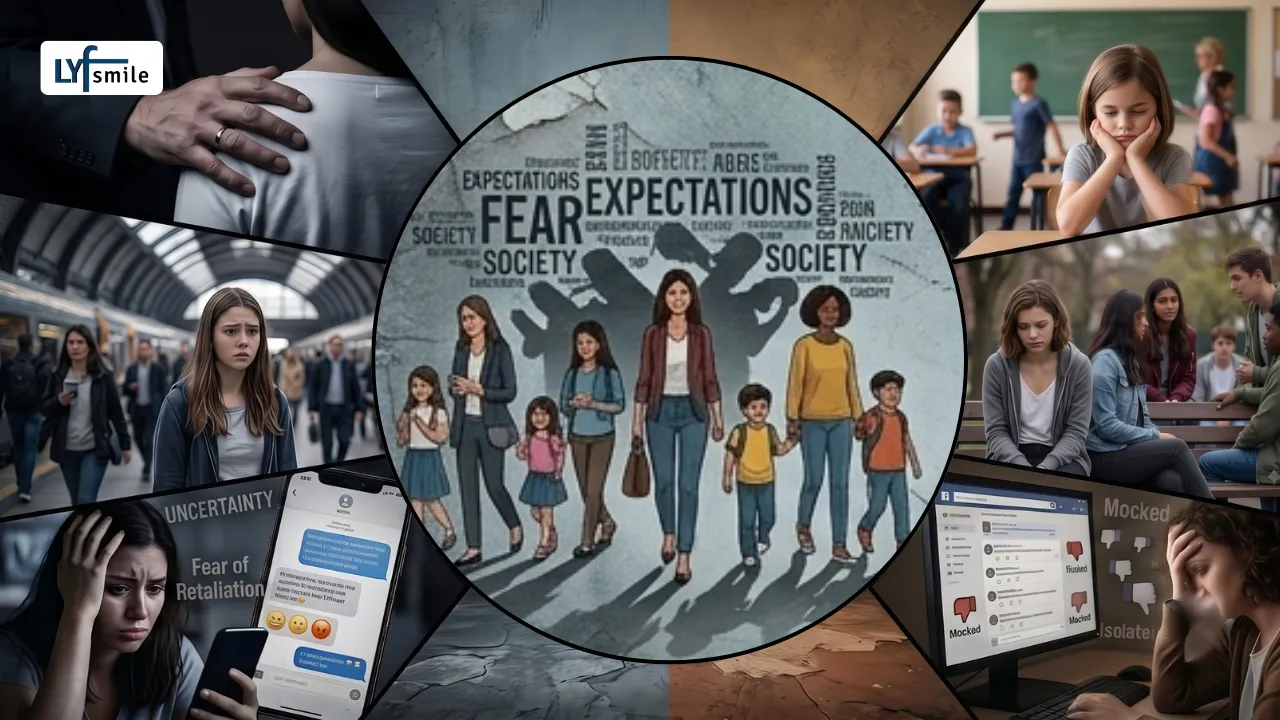
Women’s safety and mental health are closely connected. When someone repeatedly feels threatened, pressured, controlled, humiliated, watched, or unable to protect her boundaries, the emotional impact can gradually become part of everyday life.
Feeling unsafe can affect much more than your physical security. It can change how you move through everyday life, how comfortable you feel around other people, how freely you make decisions, and how much you trust your own judgement.
An unsafe experience may be obvious, such as sexual harassment, unwanted physical contact, threats, bullying, stalking, or abuse. But some situations develop gradually. Someone may constantly monitor you, pressure you to do things you do not want to do, repeatedly contact you after you have asked them to stop, control your money, isolate you from people you trust, or make you feel that saying no will have consequences.
These experiences can happen at home, within a relationship, at school or college, at work, in public places, while travelling, or through digital platforms. The person involved may be a stranger, acquaintance, friend, colleague, partner, relative, or someone in a position of authority.
For many women and girls, the difficulty is not only what happened. It is also the uncertainty that follows.
You may wonder whether you are overreacting. You may worry that nobody will believe you. You may feel embarrassed, guilty, confused, or afraid of what could happen if you speak about it.
You do not have to prove that an experience is serious enough before you deserve to feel safe, respected, and supported.
Unsafe Experiences Can Take Many Different Forms That Women May Encounter
 Women can experience safety concerns in many different environments, and not every unsafe situation looks like an obvious act of violence.
Sometimes the problem is a single incident. Sometimes it is a repeated pattern of behaviour. In other situations, the woman may feel increasingly restricted or frightened without one specific event being easy to identify.
Feeling Unsafe Around Someone or Having Personal Boundaries Crossed
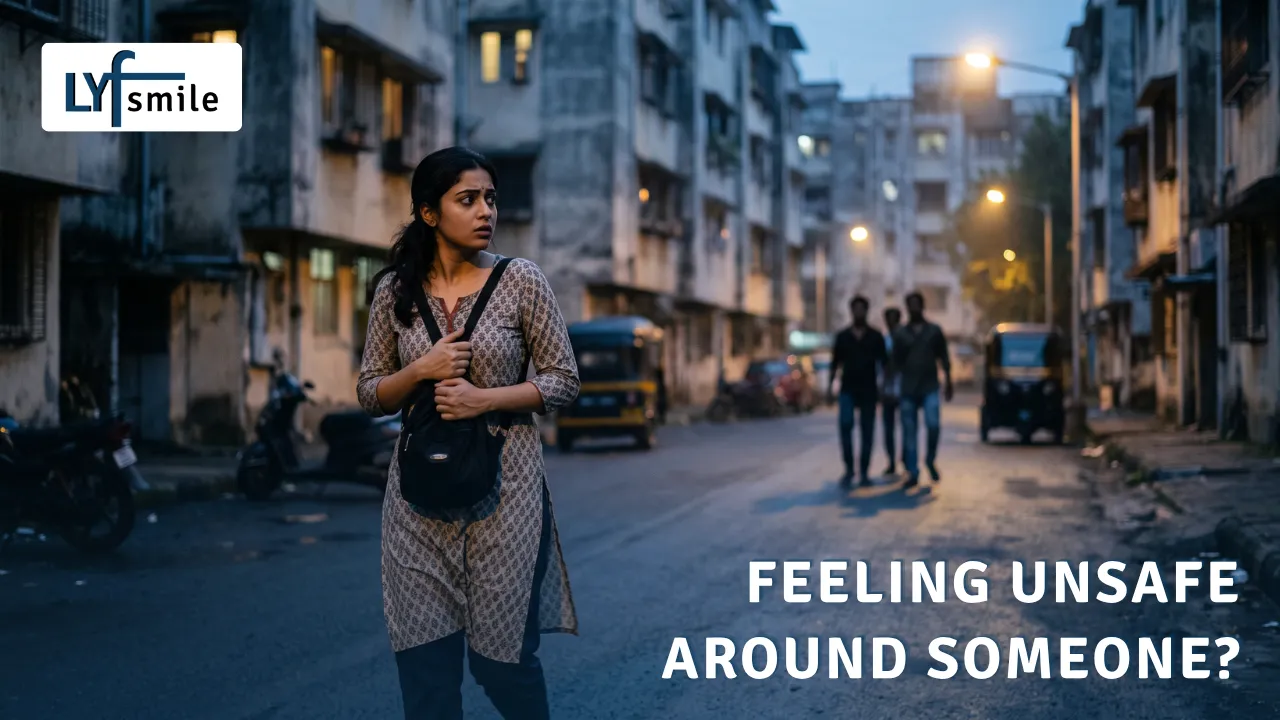
You may feel uncomfortable around someone because of their behaviour, repeated attention, inappropriate comments, unwanted closeness, or the way they respond when you try to create distance.
Personal boundaries can also be crossed through unwanted touching or physical contact. Repeated attempts to hug, touch, hold, or come physically close after someone has shown discomfort can leave a person feeling powerless or unsafe.
Someone may also pressure you to answer personal questions, share information, meet them privately, or accept behaviour that you have already made clear you do not want.
A boundary does not become less important because someone says they were joking, did not mean anything by it, or believes you should simply tolerate it.
Emotional Abuse, Control and Fear Within Relationships or Families
Emotional abuse may involve repeated humiliation, insults, manipulation, intimidation, threats, isolation, excessive monitoring, or making someone feel responsible for another person's anger.
Controlling behaviour can affect where a woman goes, who she speaks to, what she wears, how she spends money, what she studies, where she works, or which decisions she feels allowed to make.
Over time, she may begin changing her behaviour simply to prevent arguments, anger, punishment, or emotional consequences.
Fear can also exist within families. A woman may be frightened of a relative's reaction, pressured to remain silent, or made to feel that speaking about a problem would bring shame or trouble to the family.
Sexual Harassment, Bullying and Fear of Speaking Up
Harassment can happen in schools, colleges, workplaces, public spaces, social environments, relationships, or online.
Sexual comments, unwanted advances, inappropriate messages, repeated attention, intimidation, humiliation, or unwanted contact can make someone feel exposed and unsafe.
Bullying may involve repeated insults, threats, exclusion, humiliation, targeting, or behaviour intended to make someone feel powerless.
The fear of speaking up can make these situations even harder. A woman may worry about losing a friendship, facing consequences at work, upsetting her family, damaging her reputation, or simply not being believed.
Being afraid to speak does not make the experience less important.
Stalking, Following and Persistent Unwanted Attention
Stalking or repeated unwanted attention can create a strong sense of being watched or followed.
This may involve repeatedly appearing where someone is, persistent calls or messages, unwanted attempts to contact friends or family, monitoring online activity, or continuing to approach someone after they have made their lack of interest clear.
The emotional impact can extend into everyday life. A woman may change her route, avoid certain places, check behind her, feel nervous when leaving work or college, or become constantly alert to who is around her.
Online Harassment and Digital Privacy Concerns
Safety concerns can continue beyond physical spaces.
Unwanted messages, cyberbullying, online threats, repeated contact, digital stalking, pressure to share private information, attempts to access accounts, or misuse of personal images can create significant emotional distress.
Digital harassment can feel especially difficult because the person may be able to reach someone repeatedly, even when they are physically elsewhere.
A woman may begin feeling watched, exposed, embarrassed, or unable to switch off from the situation.
Financial Control and Dependence
Financial behaviour can also become part of an unsafe or controlling environment.
A person may restrict access to money, interfere with someone's ability to work, control spending, use financial dependence to pressure decisions, or make the woman feel that she cannot leave a difficult situation because she has no financial options.
Financial control can contribute to helplessness, anxiety, dependence, and fear about the future, particularly when combined with other controlling behaviour.
Pressure Around Relationships, Sex or Personal Decisions
A woman may also experience pressure to enter, continue, or remain in a relationship when she does not feel comfortable doing so.
Pressure around intimacy, contraception, pregnancy, marriage, or other personal decisions can affect a person's sense of control over her own life.
Consent and personal choice matter in relationships too. Being in a relationship does not remove someone's right to say no, change their mind, or make decisions about their own body and personal life.
Public, Travel and Everyday Safety Concerns
Women may experience fear while commuting, walking alone, using public transport, travelling, attending events, returning home late, or spending time in unfamiliar places.
Sometimes the concern comes from a particular person. At other times, repeated experiences of unwanted attention or harassment can make certain environments feel unsafe.
This may lead to changing routes, avoiding public places, depending on others to travel, or feeling anxious before leaving home.
Workplace and Educational Environment Concerns
A school, college, or workplace can become emotionally difficult when someone experiences harassment, intimidation, bullying, discrimination, inappropriate behaviour, unwanted attention, or pressure from someone with authority.
A woman may begin feeling anxious before attending class or work. She may lose concentration, avoid particular people, or consider leaving an environment she previously felt comfortable in.
Safety at work or in education includes more than physical protection. Feeling respected and able to participate without fear also matters.
Unsafe Experiences That Have Already Ended
Sometimes the situation is over, but the emotional response remains.
An earlier experience of harassment, abuse, bullying, unwanted contact, stalking, threats, or another frightening event may continue to affect how safe someone feels.
She may avoid certain situations, struggle to trust others, replay what happened, or become anxious when something reminds her of the experience.
The end of an unsafe situation does not automatically mean the end of its emotional impact.
The Psychological and Emotional Effects of Living With Fear or Unease
When a person repeatedly feels unsafe, the mind can become focused on anticipating danger and protecting itself.
The impact is not identical for everyone. Some women become highly alert, while others withdraw or feel emotionally disconnected. Some experience obvious anxiety, while others notice changes in sleep, confidence, relationships, or concentration first.
Anxiety, Fear and Constant Alertness
Persistent uncertainty can contribute to anxiety, depression, excessive worrying, irritability, restlessness, or a feeling that something bad might happen.
You may find yourself checking your surroundings repeatedly, thinking through possible outcomes, or planning how to avoid uncomfortable situations.
Being constantly alert can be emotionally exhausting because the mind rarely gets a chance to fully relax.
Difficulty Trusting Others
An unsafe experience can change the way you approach relationships.
After being betrayed, threatened, manipulated, harassed, or harmed by someone, you may become more cautious around other people. You might question their intentions, keep emotional distance, or struggle to believe that someone genuinely respects your boundaries.
This can affect friendships, romantic relationships, family connections, and even professional interactions.
Avoidance and Loss of Freedom
Fear can gradually change everyday behaviour.
You may stop going to certain places, avoid particular people, change your routine, hesitate to travel alone, withdraw from social situations, or stop participating in activities you previously enjoyed.
Avoidance can sometimes feel protective in the short term. But when fear begins determining where you go, who you meet, or what you are willing to do, it can significantly affect your quality of life.
Sleep and Concentration Problems
Emotional distress can interfere with sleep.
Some women may find it difficult to fall asleep, wake repeatedly, or replay events in their minds at night. Others may feel tired during the day because their mind remains occupied with worry.
Concentration can also become difficult. Work, studies, conversations, and ordinary tasks may require more effort than before.
Low Confidence and Loss of Self-Trust
Repeated criticism, control, harassment, or frightening experiences can affect confidence.
You may begin questioning your judgement, wondering whether you can trust yourself, or feeling less capable of making decisions independently.
When someone has repeatedly been told that their feelings are wrong or that they are responsible for another person's behaviour, rebuilding self-trust can become an important part of emotional recovery.
Guilt, Shame and Self-Blame
One of the most painful effects can be blaming yourself for what another person did.
You may think:
“Why didn't I say something sooner?”
“Why did I stay?”
“Maybe I misunderstood.”
“I should have reacted differently.”
“Maybe I caused the problem.”
These thoughts can make it harder to ask for support.
But another person's inappropriate, abusive, threatening, or unwanted behaviour is not automatically your responsibility because you did not respond perfectly.
People can freeze, become confused, try to keep the situation calm, or struggle to respond in the moment. A response to fear is not the same thing as consent or responsibility for another person's actions.
Social Withdrawal and Emotional Isolation
Some women begin withdrawing from friends, family, colleagues, or social activities after an unsafe experience.
They may feel embarrassed, worry about questions, or simply lack the emotional energy to explain what is happening.
Over time, isolation can make the experience feel even heavier because the person has fewer opportunities to receive reassurance, practical help, or emotional connection.
Trauma Responses
After a deeply distressing experience, some people may feel emotionally numb, frozen, disconnected, overwhelmed, unusually alert, or unable to explain exactly what they are feeling.
Others may experience intrusive memories or become strongly affected by reminders of what happened.
Not everyone develops the same response, and not every difficult experience leads to a mental-health disorder. But when the emotional impact continues to interfere with everyday life, professional support can help you understand what you are experiencing and find healthier ways to cope.
Changes in Relationships and Sense of Safety
The effects can extend into future relationships.
A woman may become afraid of getting close to people, find it difficult to communicate her needs, expect rejection or betrayal, or feel uncomfortable when someone shows affection.
She may also struggle to distinguish between healthy caution and fear that has become connected to past experiences.
This can make emotional recovery more complicated, particularly when the original experience involved someone she trusted.
Ways to Stay Safe and Find the Support You Need
 There is no universal response that is safest for every situation. The appropriate step depends on who is involved, what is happening, the level of risk, and what support is realistically available.
If someone makes you uncomfortable, you can take that feeling seriously.
When it is safe, you may create distance, stay around trusted people, avoid being alone with the person, change a routine, or make practical arrangements that reduce your exposure to the situation.
Setting a clear boundary may also be appropriate when you feel safe enough to do so. But you should never feel pressured to confront someone if confrontation could increase your risk.
Emotional Safety Matters Alongside Physical Safety
Physical safety is only one part of well-being.
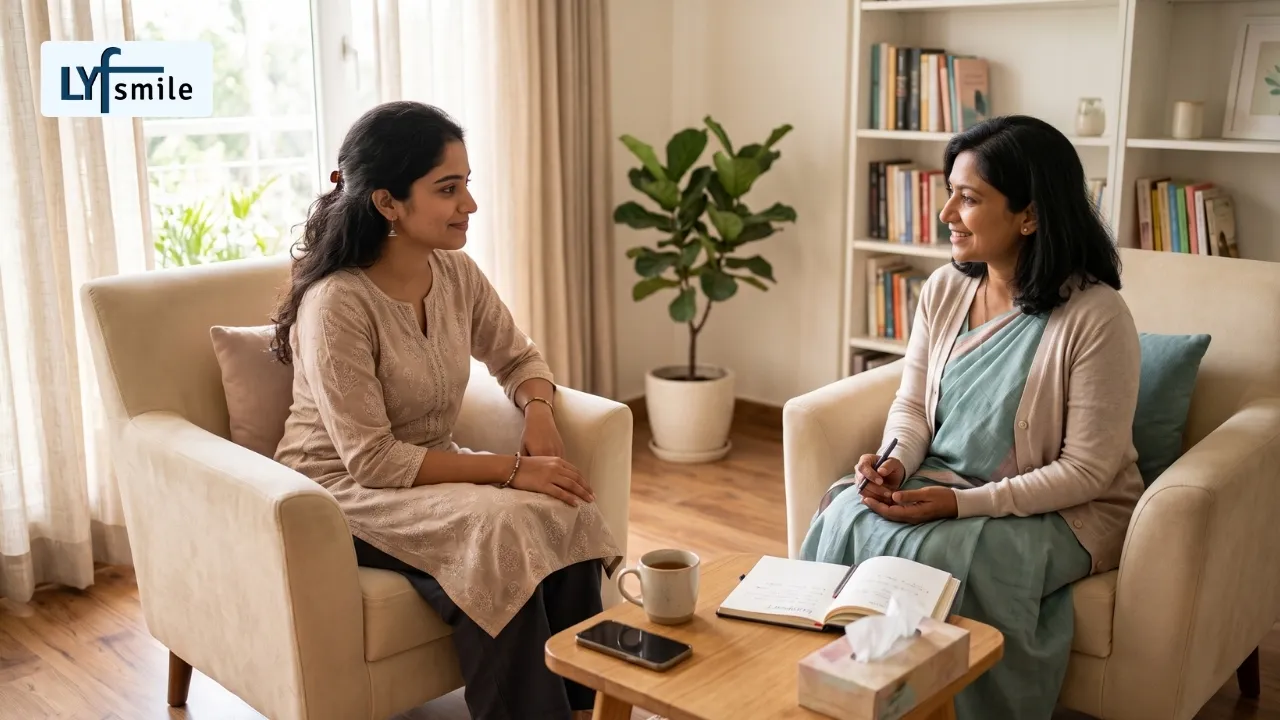
If you are constantly anxious, frightened, unable to trust people, struggling to sleep, avoiding everyday activities, or carrying the emotional weight of an unsafe experience long after it happened, professional Mental Health Support for Women can become part of recovery. Counselling can provide a private space to talk about what happened without being pressured to make a particular decision.
A therapist can help you:
Understand emotional reactions
Work through fear and anxiety
Process difficult experiences
Rebuild confidence and self-trust
Develop healthier coping strategies
Strengthen personal boundaries
Understand patterns affecting relationships
Gradually regain a sense of emotional safety
Therapy does not have to tell you what decision to make. It can help you understand what you are feeling and consider your options with greater clarity.
At Lyfsmile, women and girls can connect with experienced therapists through a private and non-judgmental setting. Online therapists can make support easier to access when travelling to a centre feels difficult or when someone prefers greater privacy.
Therapy is available at an affordable ₹30 per minute, and you can also book a free 15-minute consultation to discuss your concerns before deciding on further support.
For those who prefer in-person support, therapy options are also available in Gurgaon and Dwarka.
You do not need to have a complete explanation of what happened before speaking with a therapist. You can begin with what is affecting you now.
More Support for Specific Experiences and Concerns
Women can experience several safety concerns at the same time. Feeling uncomfortable around someone can become a boundary concern. Repeated boundary violations can contribute to fear. Harassment can lead to anxiety and avoidance. Controlling behaviour can affect confidence and independence. A traumatic experience can later influence trust and relationships.
That is why specific resources can be useful when you want to explore one concern more deeply.
Feeling Unsafe & Personal Boundaries
For concerns involving feeling unsafe around someone, uncomfortable behaviour, personal boundaries, and unwanted physical contact.
Abuse, Control & Threats
For emotional abuse, controlling behaviour, intimidation, threats, and fear involving someone close to you or within your family.
Harassment & Unsafe Experiences
For sexual harassment, bullying, repeated harassment, and the fear that can make speaking up difficult.
Trauma & Recovery
For the emotional effects that may remain after an unsafe experience, including fear, anxiety, difficulty trusting others, intrusive memories, and trauma-related responses.
These four resources provide more focused information, but they are not the only situations in which women may need support. Concerns such as stalking, digital harassment, financial control, workplace intimidation, relationship pressure, public-space safety, and social isolation can also have a meaningful effect on mental health.
You do not need to find the perfect label before asking for help.
Your boundaries matter. Your sense of safety matters. And your mental health is part of your well-being.
Frequently Asked Questions
How can safety concerns affect a woman’s confidence and daily life?
Ongoing fear, pressure, harassment, or control can make it harder to concentrate, travel freely, maintain relationships, make decisions, or feel confident in everyday situations.
Why do some women start blaming themselves after difficult experiences?
People may replay what happened and wonder whether they should have reacted differently. This can lead to guilt and self-blame, even when the responsibility lies with the person who behaved inappropriately.
Can I Find Therapy or Counselling for My Wife?
Yes. If your wife is experiencing anxiety, stress, emotional distress, trauma, or other mental health concerns, professional therapy or counselling can provide a safe space to understand what she is going through and explore suitable support options.
When Should a Woman Consider Therapy or Mental Health Support?
A woman may consider professional support when emotional distress, anxiety, stress, fear, low mood, relationship difficulties, trauma, or other concerns begin affecting her daily life, relationships, sleep, work, or overall well-being. Therapy can provide a confidential space to understand these concerns and develop healthier ways of coping.
What can a therapist help with when a woman is struggling emotionally?
A therapist can help her understand difficult emotions, work through fear or past experiences, strengthen boundaries, rebuild self-trust, develop healthier coping strategies, and feel more emotionally secure.