


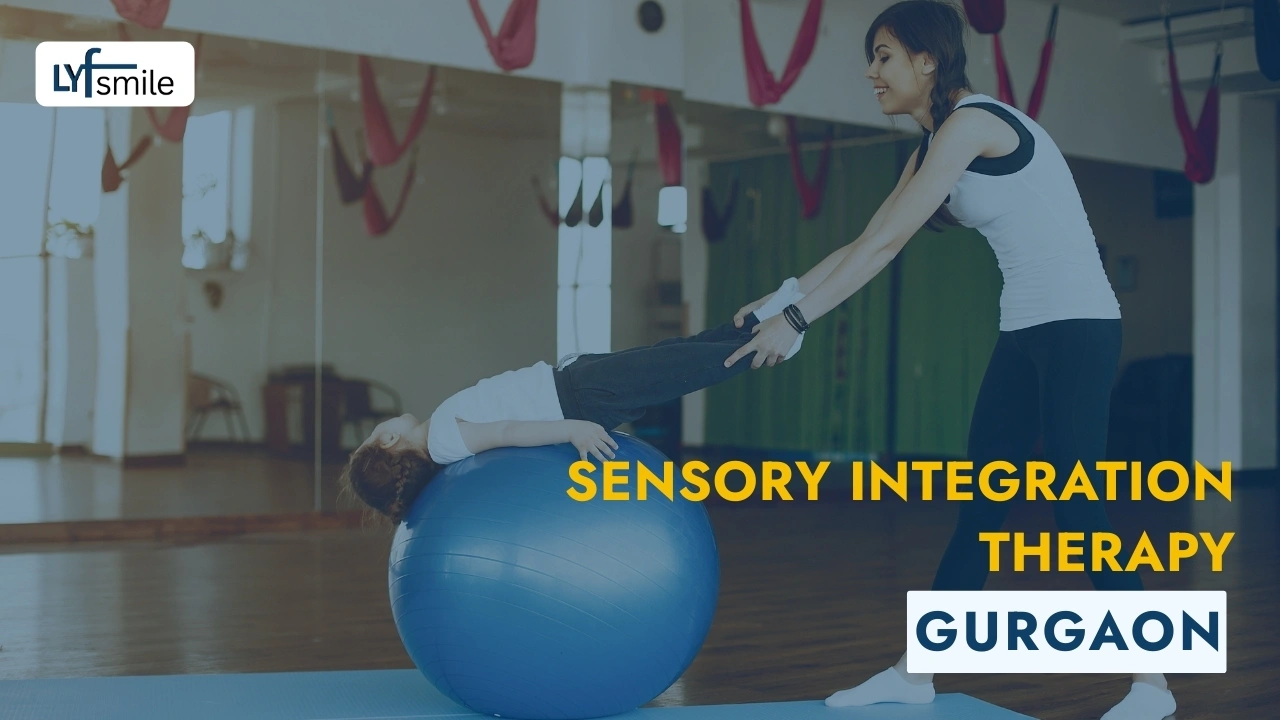
Anupam Tripathi
Sensory Integration Therapy in Gurgaon for Children with Sensory Processing Challenges
Sensory sensitivities can affect how children respond to everyday sounds, textures, movement, clothing, food and busy environments. Some children avoid certain sensory experiences, while others actively seek movement or touch. These responses may affect routines, play, learning and participation in daily activities.
Sensory integration therapy in Gurgaon is one option parents may explore when sensory-related difficulties interfere with a child's everyday functioning. The appropriate support depends on the child's individual needs and should be discussed with a suitably qualified professional.
This is where sensory integration therapy Gurgaon can make a meaningful difference. Sensory integration therapy is designed to help children process and respond to sensory stimuli more effectively, enhancing their emotional regulation, attention, coordination, and social engagement. Through structured activities and professional guidance, children gradually learn to cope with sensory challenges in a safe and enjoyable environment.
Parents searching for a Child Psychologist Near Me, Child Therapy Near Me, or an experienced Child Therapist in Gurgaon often seek sensory integration therapy to help children improve sensory regulation, emotional confidence, and everyday functioning.
Looking for Sensory Integration Therapy in Gurgaon?
If your child becomes overwhelmed by sounds, avoids certain textures, struggles with focus, or constantly seeks movement, sensory processing challenges may be affecting their daily life. Sensory Integration Therapy in Gurgaon helps children improve sensory regulation, emotional control, attention, and coordination through structured, play-based interventions.
At Lyfsmile, therapy plans are designed according to each child's sensory profile, helping children with Autism, ADHD, Sensory Processing Disorder (SPD), developmental delays, and emotional regulation difficulties build confidence in everyday situations.
Along with sensory support, Child Counseling can help children cope with emotional challenges that may arise due to sensory processing difficulties.
Signs Your Child May Need Sensory Integration Therapy
Parents often notice certain behaviours but are unsure whether they are related to sensory processing difficulties. Your child may benefit from sensory integration therapy if they:
Cover their ears to normal sounds
Avoid certain clothes or textures
Refuse foods because of texture or smell
Constantly jump, spin, or seek movement
Have difficulty sitting still in class
Experience frequent emotional meltdowns
Struggle with handwriting or fine motor skills
Appear clumsy or have poor balance
Early identification can help children develop better sensory regulation and improve their confidence, learning, and social skills.
What Is Sensory Integration Therapy?
Sensory integration therapy (SIT) is a scientifically grounded approach used by occupational therapists to help children who struggle with sensory processing. Children naturally receive information from their senses, touch, movement, sound, sight, taste, and smell, and their brains must organise this input to produce appropriate responses. When this system is disorganized, children may experience:
Over-sensitivity or avoidance (e.g., refuses to wear certain clothes, avoids certain textures)
Under-responsiveness or sensory-seeking behavior (e.g., constantly moving, touching objects, spinning)
Difficulty with attention, coordination, and emotional regulation
Professional Sensory integration therapy Gurgaon focuses on helping children understand, tolerate, and respond appropriately to sensory stimuli. Through targeted exercises and structured play, children improve their sensory modulation, coordination, focus, and confidence.
Why Children Need Sensory Integration Therapy
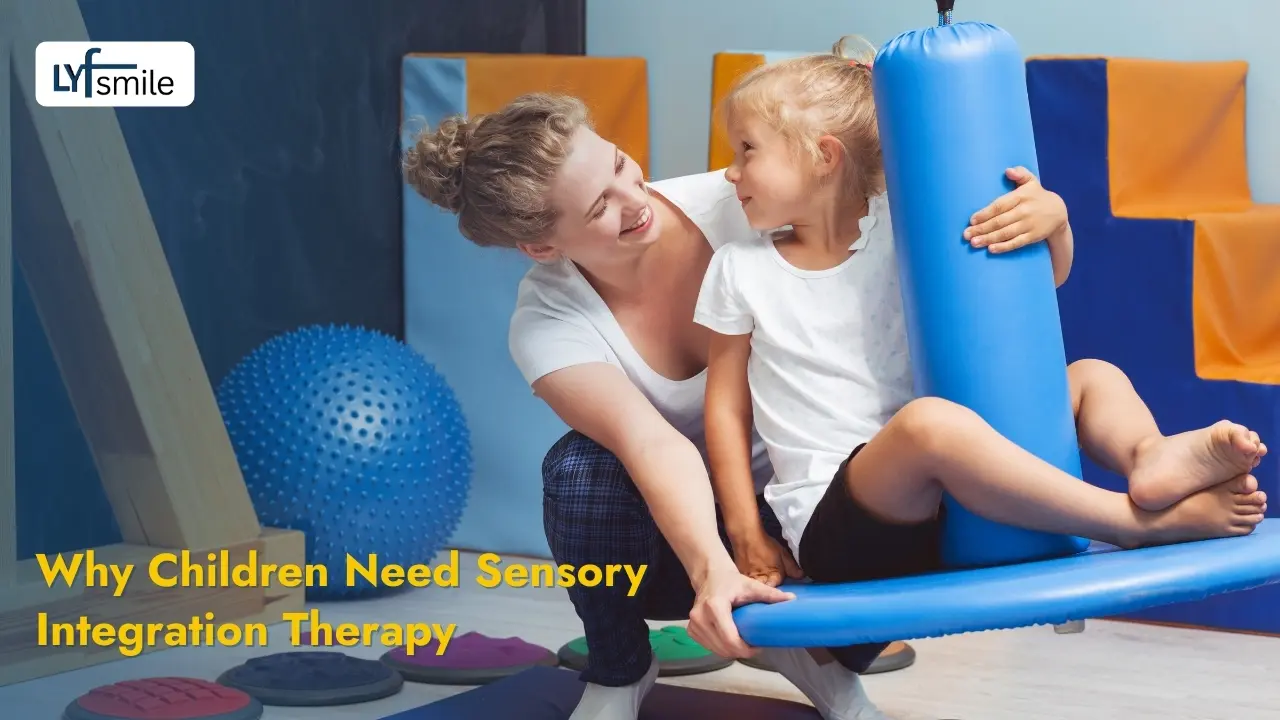 Sensory challenges can manifest in numerous ways, affecting learning, play, and social interaction. Parents often notice:
Crying, frustration, or aggression when exposed to loud noises or crowded spaces
Avoidance of certain textures, clothing, or foods
Constant movement, fidgeting, or touching objects excessively
Difficulty concentrating in school
Emotional meltdowns or anxiety in unpredictable environments
Early intervention is key. Children who receive sensory integration therapy not only gain better sensory regulation but also improve in confidence, attention span, and overall behaviour. Programs like sensory integration therapy Gurgaon provide structured support for these challenges.
Best Sensory Integration Therapist in Gurgaon
Finding the right sensory integration therapist is important because every child experiences sensory challenges differently. A qualified therapist evaluates how your child responds to movement, touch, sound, visual input, and daily routines before creating a personalised intervention plan.
At Lyfsmile, therapy focuses on:
Sensory regulation
Emotional development
Attention and focus
Motor coordination
Social participation
School readiness
The goal is not only to reduce sensory difficulties but also to improve your child's confidence and independence in everyday life.
Which Children Benefit From Sensory Integration Therapy?
Sensory Integration Therapy can benefit children who experience difficulties processing and responding to sensory information in their daily lives. Many children struggle with sounds, textures, movement, touch, or environmental changes, which can affect their behaviour, learning, emotional regulation, and social interactions.
Children with Sensory Processing Disorder (SPD)
Children with Sensory Processing Disorder often find it difficult to interpret and respond appropriately to sensory input. Some may become overwhelmed by noises, lights, clothing textures, or crowded places, while others constantly seek movement, touch, or sensory stimulation. Sensory Processing Disorder Therapy in Gurgaon helps children improve sensory regulation, develop coping skills, and participate more comfortably in daily activities.
Children with Autism Spectrum Disorder (ASD)
Many children with autism experience sensory sensitivities or sensory-seeking behaviours. Sensory Therapy for Autism focuses on helping children regulate sensory input, improve emotional responses, increase attention, and build confidence in social and learning environments.
Children with ADHD
Children with ADHD often struggle with attention, impulsivity, hyperactivity, and sensory regulation difficulties. They may constantly seek movement, have trouble sitting still, or become easily distracted by sensory stimuli. Sensory Therapy for ADHD supports better self-regulation, body awareness, focus, and emotional control, helping children function more effectively at home and school.
Children with Developmental Delays
Children with developmental delays may experience difficulties with motor skills, coordination, sensory awareness, and everyday tasks. Sensory integration activities can support overall development and improve participation in age-appropriate activities.
Children with Learning and Behavioural Challenges
Some children experience sensory processing difficulties alongside learning disabilities, emotional regulation concerns, or behavioural challenges. Sensory integration therapy helps improve concentration, adaptability, emotional resilience, and engagement in the classroom and social settings.
Early intervention and personalised therapy can help children develop stronger sensory processing skills, improve confidence, and become more independent in their daily lives.
Many children receiving Autism Therapy also benefit from sensory integration activities that improve attention, communication, emotional regulation, and participation in everyday routines.
Common Symptoms of Sensory Processing Difficulties
Understanding the symptoms can help parents identify the need for therapy:
Over-Responsiveness (Sensory Defensiveness)
Children may react strongly to touch, sounds, or visual stimuli. They may resist brushing their hair, avoid playground equipment, or cover their ears from everyday noises.
Under-Responsiveness (Sensory-Seeking Behaviour)
Some children crave intense sensory experiences, constantly moving, touching, or banging objects. This can appear as hyperactivity or impulsiveness.
Difficulty with Modulation
Children may fluctuate between over-responsiveness and under-responsiveness. For example, a child may seek touch but get frustrated by normal textures.
Motor and Coordination Challenges
Poor balance, clumsiness, or difficulty with tasks requiring fine motor skills may indicate underlying sensory integration issues.
Emotional and Social Impacts
Sensory difficulties can lead to frustration, anxiety, and withdrawal, impacting peer relationships and emotional well-being.
How Sensory Integration Therapy Helps
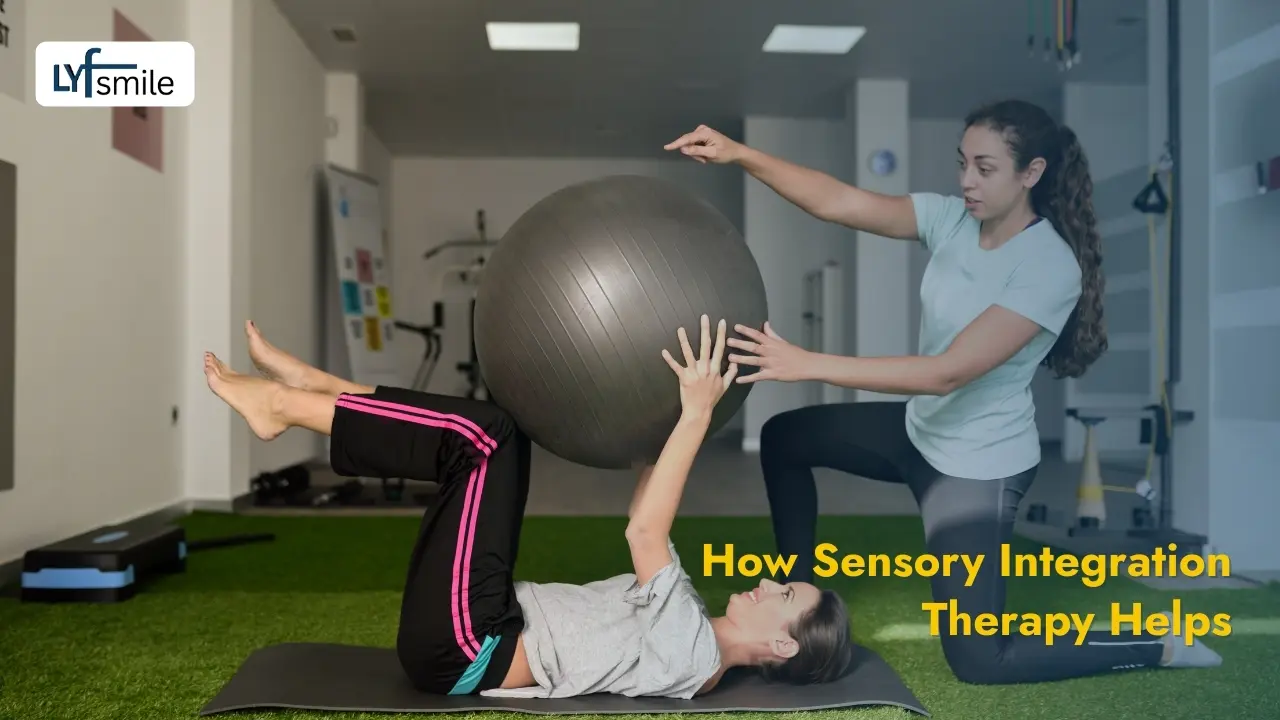 Sensory integration therapy works by engaging children in sensory-rich therapeutic activities tailored to their unique needs. The therapy is usually guided by a trained occupational therapist who creates structured sessions, using fun, play-based tasks that gradually expose children to sensory stimuli.
Benefits include:
Improved sensory modulation and regulation
Reduced anxiety and frustration in challenging environments
Enhanced attention, focus, and academic engagement
Development of peer-interaction skills and emotional understanding
Increased confidence in everyday activities
Through consistent sessions, children learn to process sensory input more efficiently, making daily life smoother for both them and their families.
Secondary Techniques in Sensory Integration Therapy
Therapists often incorporate secondary interventions to target specific needs:
Sensory Modulation Training: Helps children regulate responses to sensory stimuli, reducing meltdowns or anxiety.
Sensory-Seeking Behaviour Support: Provides safe ways for children to get the sensory input they crave without disruptive behaviours.
Sensory Defensiveness Treatment: Gradual exposure helps children tolerate previously uncomfortable stimuli.
Sensory-Rich Therapeutic Activities: Play-based exercises such as swinging, climbing, or texture exploration improve sensory processing and coordination.
Sensory Regulation Programs for Kids: Structured routines and individualised exercises support consistent progress in daily life.
Home-Based Strategies for Parents
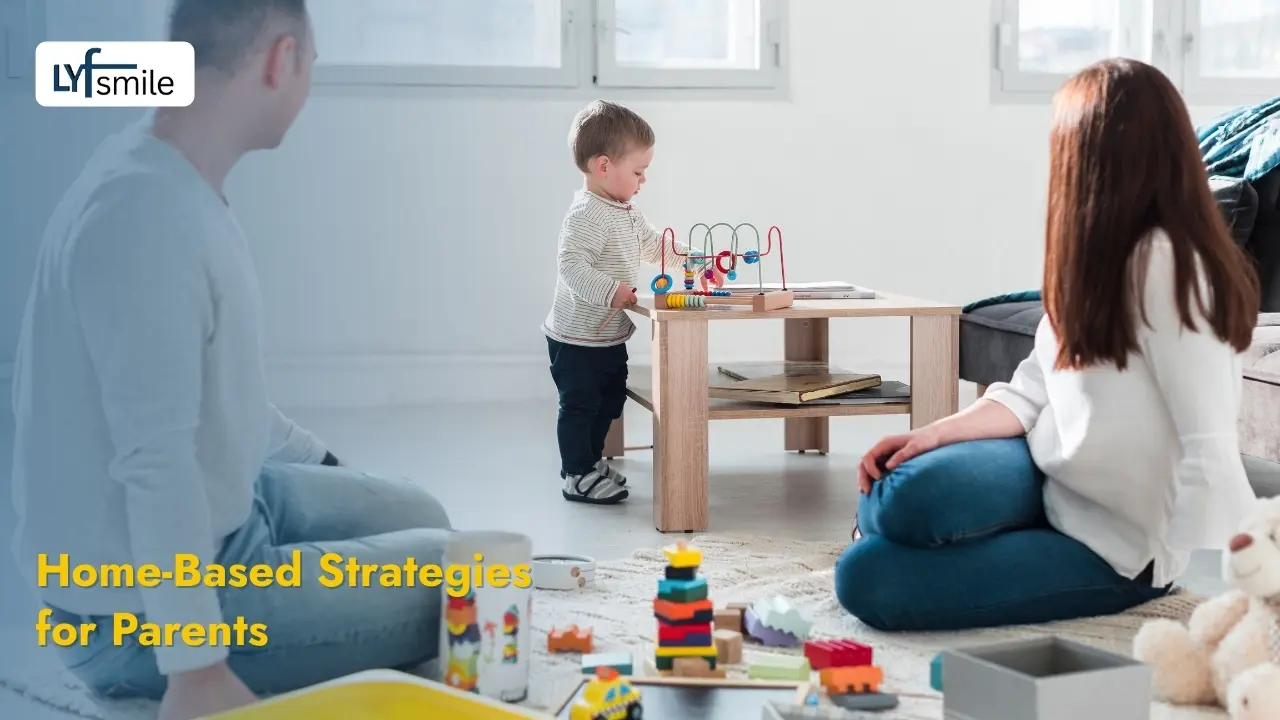 Parents can support their child’s sensory integration progress at home with simple strategies:
Create a sensory-friendly environment: Reduce overwhelming stimuli, provide calm corners or sensory tools.
Engage in active play: Swinging, jumping, and obstacle courses help with vestibular and proprioceptive input.
Use tactile activities: Play with sand, clay, or textured objects to improve tactile tolerance.
Establish routines: Predictable schedules reduce anxiety for sensory-sensitive children.
Incorporate calming techniques: Deep-pressure hugs, weighted blankets, or breathing exercises can help regulate emotions.
These home strategies complement professional therapy, creating consistency for the child.
Parents’ Concerns: What They Often Say
Many parents share similar worries when considering sensory integration therapy:
“My child is scared of textures and refuses to wear certain clothes.”
“He constantly touches things or moves around. I don’t know how to manage it.”
“She avoids group activities because of loud noises and crowds.”
“I feel stressed and confused about what therapy will involve.”
A structured, expert-led program like sensory integration therapy Gurgaon provides clarity, reassurance, and actionable solutions for these concerns.
Families from different parts of Gurgaon often search for sensory integration therapy for children when they notice sensory processing difficulties, emotional regulation problems, or developmental concerns.
lyfsmile: Trusted Professionals Supporting Children
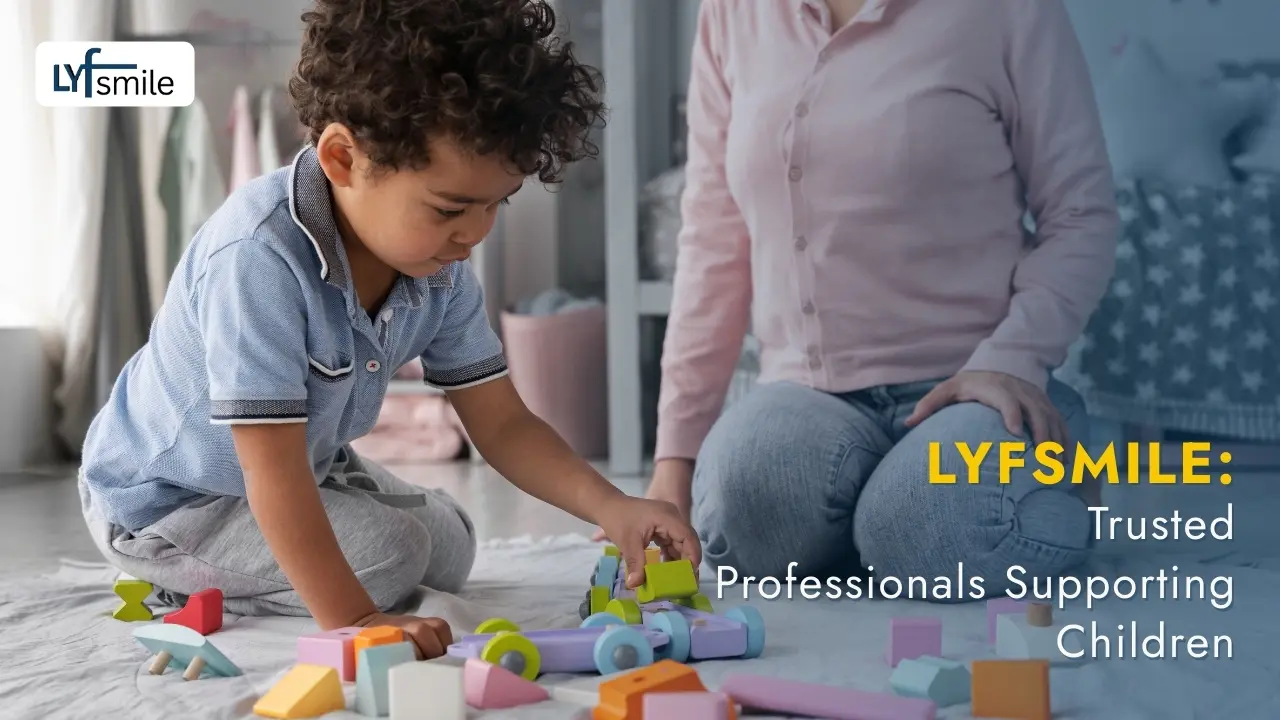 Lyfsmile’s team, including child psychologists such as Gunjan Bhatia, provides expert sensory integration therapy tailored to each child. Their approach includes:
Individualised therapy plans
Structured, sensory-rich therapeutic activities
Online and offline sessions to suit family convenience
Parent guidance to continue exercises at home
Confused Parents? Everything Is Clear!
It’s normal to feel uncertain about which therapy is right. Parents often ask:
Should I book a sensory OT appointment for my child in Gurgaon or enrol in a group program?
Will online sessions be as effective as in-person therapy?
The answer: both options work when guided by qualified professionals. Parents can choose based on convenience and the child’s comfort, knowing the therapy will be structured, supportive, and effective.
Online Sensory Integration Therapy
Online sessions allow children who are sensitive, shy, or home-based to:
Engage in guided sensory activities safely
Receive personalised attention from therapists
Gradually practice sensory regulation and modulation techniques
Involve parents actively in daily exercises
Online programs make therapy accessible and reduce anxiety for children who struggle in new environments.
Offline/In-Person Sensory Integration Therapy
At LYFSMILE’s Gurgaon centre, children benefit from:
Hands-on sensory-rich activities
Peer interaction in structured group settings
Real-time feedback and supervision from occupational therapists
Activities tailored to sensory preferences and challenges
The immersive experience helps children integrate sensory input more efficiently while building confidence and social skills.
Home Strategies Parents Can Discuss with a Professional
Simple changes to routines and the home environment may help some children feel more comfortable during everyday activities. Parents can observe which sounds, textures, movements or settings cause discomfort and discuss these patterns with a qualified professional.
Depending on the child's needs, suggestions may include reducing overwhelming noise, offering predictable routines, providing movement breaks or adapting activities. Weighted products, deep-pressure techniques and activities involving equipment should only be used when appropriate for the individual child and with suitable professional guidance.
When do sensory challenges start affecting your child’s daily life?
Seek therapy if your child shows:
Avoidance of textures, foods, or clothing
Constant movement or sensory-seeking behaviours
Emotional outbursts triggered by sensory input
Difficulty focusing or completing daily tasks
Withdrawal from social or school activities
Over-sensitivity or defensiveness to sounds, lights, or touch
Early intervention ensures faster progress and lasting improvement.
How Does Sensory Integration Therapy Help Children with Autism and ADHD?
Children with Autism Spectrum Disorder (ASD) and ADHD often experience sensory sensitivities or sensory-seeking behaviours. Some children may become overwhelmed by sounds, lights, textures, or crowded environments, while others constantly seek movement and stimulation.
Sensory integration therapy helps improve:
Emotional regulation
Attention and concentration
Body awareness and coordination
Social interaction skills
Ability to participate in school and daily activities
When combined with behavioural and emotional support, sensory integration therapy can significantly improve a child's independence and confidence.
Affordable Sensory Assessment for Just ₹500 at Lyfsmile
Before beginning therapy, parents often want clarity:
“Does my child actually have sensory processing difficulties?”
“Is it sensory or behaviour?”
“What exactly does my child need?”
To remove this confusion, Lyfsmile offers a detailed Sensory & Behavioural Assessment for just ₹500.
This session includes:
Observation of the child’s sensory responses
Screening for sensory-seeking, sensory-avoidant, or mixed patterns
Evaluation of emotional regulation and daily routine challenges
Parent discussion to understand real-life concerns
Clear guidance on whether the child needs sensory integration therapy, OT, behaviour therapy, or home-based strategies
The ₹500 assessment helps parents get clarity, direction, and an actionable plan, ensuring you don’t waste time or money on unnecessary therapies.
Conclusion!
Sensory challenges can feel overwhelming, but with structured support and guidance, children can learn to regulate their responses, enjoy social interactions, and participate fully in daily activities.
Programs like sensory integration therapy Gurgaon provide children with a safe, nurturing environment where they gradually gain confidence, emotional control, and independence. By combining professional therapy, home strategies, and consistent support, parents can help their children thrive socially, emotionally, and academically.
Frequently asked questions!
What is sensory integration therapy?
Sensory integration therapy is a specialised intervention that helps children process and respond to sensory information more effectively. Through structured, play-based activities, children learn to manage sensory challenges related to touch, sound, movement, balance, and environmental stimuli.
Does sensory integration therapy help autism?
Yes. Many children with Autism Spectrum Disorder (ASD) experience sensory sensitivities or sensory-seeking behaviours that can affect learning, communication, and social interactions.
Can ADHD children benefit from sensory integration therapy?
Yes. Children with ADHD often struggle with attention, impulsivity, hyperactivity, and sensory processing difficulties. Sensory integration therapy helps improve focus, body awareness, self-regulation, and emotional control. It can also help children manage restlessness and become more engaged in learning and everyday activities.
What is the cost of sensory integration therapy in Gurgaon?
The cost of sensory integration therapy in Gurgaon varies depending on the child's needs, therapy goals, session duration, and treatment plan. Many parents begin with a sensory assessment to understand the most suitable intervention for their child. A professional evaluation helps determine the right therapy approach and frequency of sessions.
How many sensory integration sessions does a child need?
The number of sessions varies from child to child and depends on the severity of sensory challenges, developmental needs, and therapy goals. Some children show improvement within a few months, while others may benefit from longer-term support. Regular assessments help therapists track progress and adjust treatment plans accordingly.
Where can I find a sensory integration therapist in Gurgaon?
Parents should look for qualified child psychologists and occupational therapists with experience in sensory processing difficulties, autism, ADHD, and child development.
At what age can a child start sensory integration therapy?
Sensory integration therapy can benefit children of different age groups, from toddlers to adolescents. Early intervention is often recommended because it helps children develop sensory regulation skills before challenges begin affecting learning, behaviour, and social development.
Can sensory integration therapy be done online?
Yes. Online sensory integration therapy can be effective when guided by experienced professionals. Therapists work closely with parents to conduct sensory-based activities at home and provide strategies that support the child's sensory development. Online sessions are particularly helpful for families seeking flexibility or children who feel more comfortable in familiar environments.