Anupam Tripathi
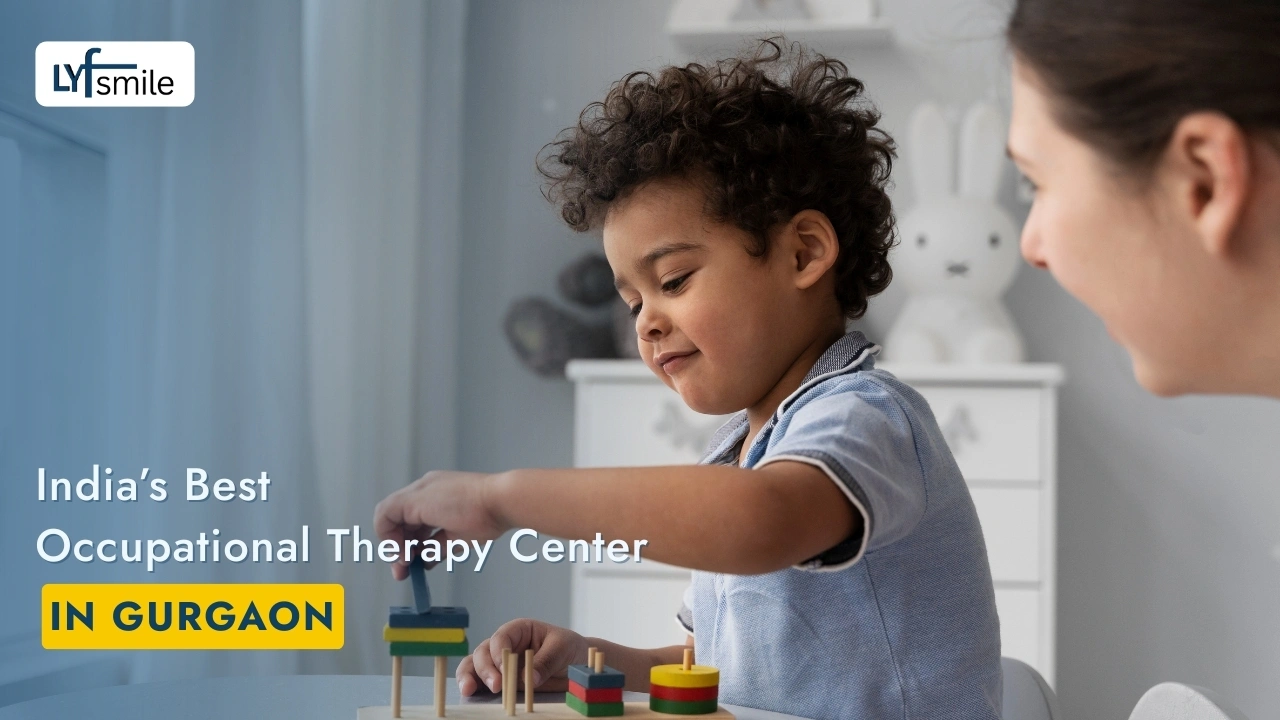
India’s best occupational therapy center in Gurgaon
Every parent dreams of seeing their child confident, independent, and able to handle everyday tasks with ease. But when a child struggles with coordination, handwriting, attention, dressing, social interaction, or sensory issues, parents naturally feel worried and confused about what to do next.
In cities like Gurgaon, where development expectations are high and children face early academic pressure, early intervention becomes extremely important. Occupational Therapy (OT) is one of the most trusted, research-backed approaches for helping kids overcome developmental delays and build strong foundational skills.
This comprehensive guide will help you understand how to choose the pediatric occupational therapist in Gurgaon, what to expect in therapy, which children need OT, and how sensory-motor development shapes a child’s growth
What Is Occupational Therapy for Children? (Ages 2–16)
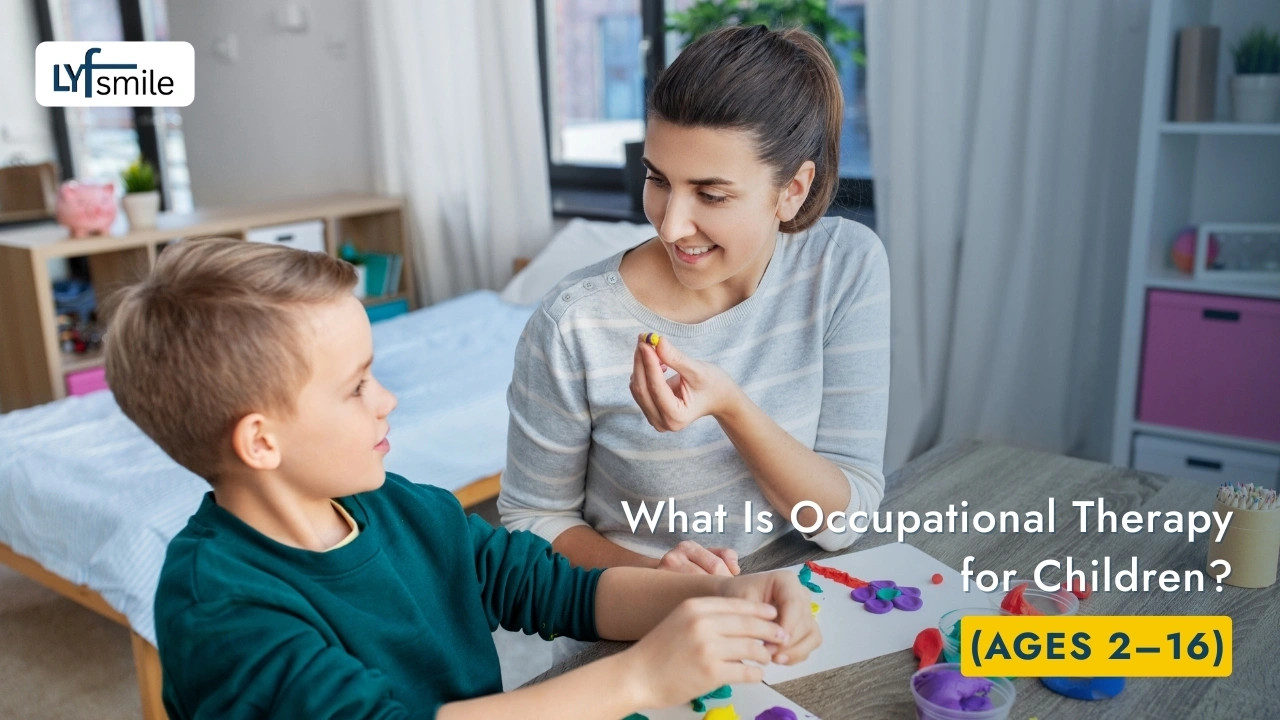 Occupational therapy helps children learn essential life skills such as :
Handwriting and fine-motor skills
Balance, coordination, posture
Sensory-processing development
Daily living skills like buttoning, feeding, and grooming
School readiness skills
Emotional regulation and attention
OT is recommended for children between the ages of 2 and 16, especially when they face challenges in learning, behavior, or motor development. The goal is to make the child independent, confident, and well-adjusted in school as well as in daily routines.
When you search for the best occupational therapy centre in Gurgaon, you’re actually looking for a place that understands your child’s emotional, academic, and physical development—holistically.
Recognising Early Indicators for Occupational Therapy in Kids
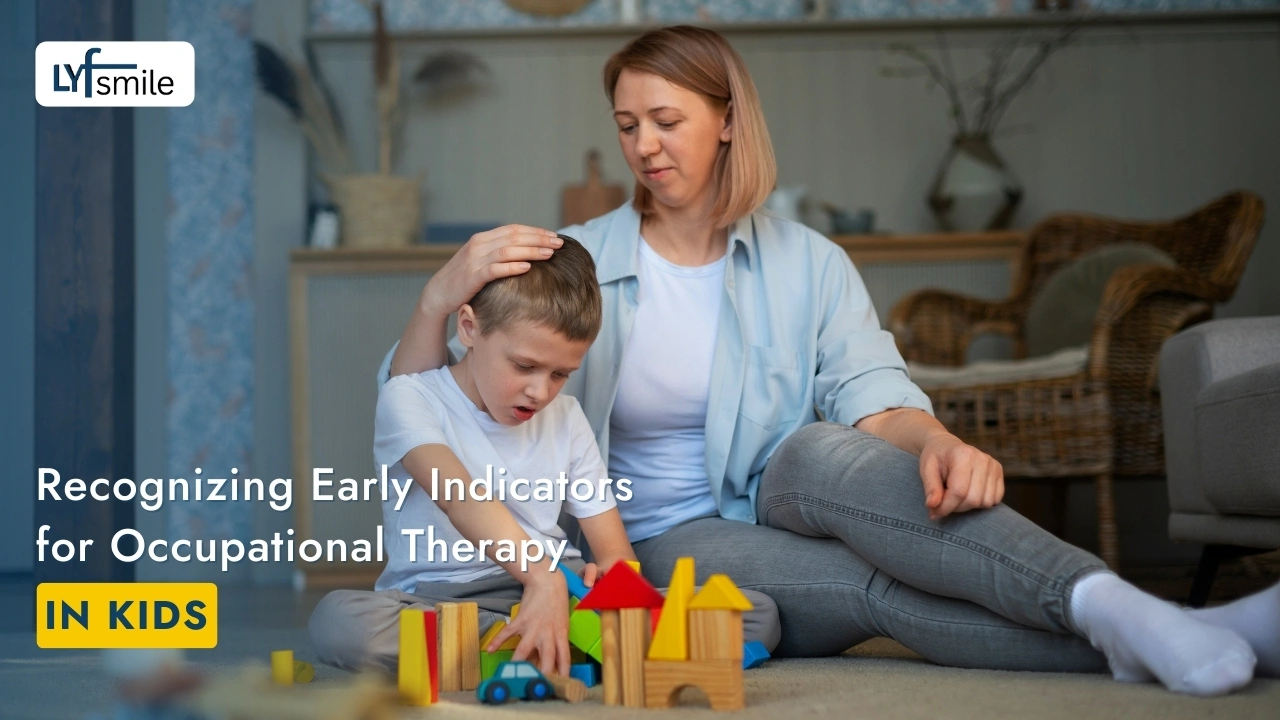 Many parents delay OT because they assume problems will “go away with time.”
But early signs can indicate deeper developmental challenges.
Common Signs (Ages 2–6)
Delayed milestones (walking, holding a pencil, using a spoon)
Difficulty with sensory-motor skill development
Gets overwhelmed by loud sounds, touch, and textures
Poor body balance, clumsiness, and falling often
Struggles with grip, colouring, or small toys
Difficulty sitting at one place or following instructions
Signs in School-Going Kids (Ages 6–14)
Poor handwriting
Slow writing speed
Difficulty with fine-motor coordination support tasks
Doesn’t finish schoolwork
Trouble wearing shoes, tying laces, or buttoning
Avoids sports / weak in coordination-based tasks
Becomes irritated when routine changes
Sensitive to touch, light, and noise
If your child matches 3–4 signs, you should immediately consult the Pediatric OT expert in Gurgaon for a developmental assessment.
How the Right OT Centre Can Accelerate Your Child’s Progress
 Every occupational therapy centre is different, and not every place offers sensory integration-based therapy or customised programs. Parents often choose the nearest centre, but child development needs specialisation.
The best occupational therapy center in Gurgaon will provide:
Personalised sensory & motor development plans
One-on-one therapy sessions
Real sensory gym setup
Trained pediatric occupational therapists
Standardized assessments
Parent training & home program
Choosing the right centre reduces 40–60% of delays within months because therapy becomes targeted and consistent.
Essential Skills Pediatric OT Develops for Growing Children
Below are the most important developmental components OT works on, explained in detail.
1. Sensory-Motor Skill Development
(Skill Foundation for Ages 2–12)
Children rely on sensory information (touch, sound, movement, and vision) to understand and react to the world.
But when sensory and motor systems don’t work together, the child may:
Show hyperactivity
Feel anxious or withdrawn
Avoid textures, food, and clothing.
Have poor posture
Struggle with balance and coordination
OT Helps With:
Sensory integration therapy
Balance training
Movement-based therapy
Structured activities to improve regulation
This is why the best OT specialist for kids in Gurgaon always includes sensory gym tools like swings, trampolines, therapy balls, crash mats, and tactile stations.
2. Fine-Motor Coordination Support
(Essential for Ages 3–10)
If a child struggles with hand coordination, everyday tasks become difficult.
Common Problems:
Incorrect pencil grasp
Slow writing
Difficulty manipulating small objects
Trouble opening lunch boxes or bottles
OT uses targeted activities like :
Pegboards
Tweezer tasks
Threading and lacing
Clay and Play-Doh
Hand-strengthening games
Improvement in fine motor skills dramatically boosts a child’s confidence in school.
3. Daily Living Skill Training for Kids
(Independence Building for Ages 3–16)
These are life skills every child should know:
Brushing
Feeding
Dressing
Toileting
Grooming
Organizing school bag
The best occupational therapy centre in Gurgaon trains kids using step-by-step routines, visual schedules, and graded tasks until they become independent.
4. Handwriting and Grip Improvement
Critical for ages 4–14
Handwriting problems are extremely common today because of early screen exposure and lack of fine-motor practice.
OT Works On:
Correct pencil grip
Letter formation
Line alignment
Writing speed
Pressure control
Therapists use:
Modified grips
Writing boards
Multi-sensory writing techniques
Fine-motor strengthening tasks
A well-structured handwriting program can bring visible improvements in just 8–12 weeks.
5. Sensory-Processing Development
Sensory processing issues affect a child’s emotions, behaviour, social interaction, and learning.
Children with Sensory Issues May:
Get irritated while bathing
Avoid certain fabrics
Hate haircuts or nail trimming
Cover your ears in noisy places
Seek excessive jumping or spinning
Have meltdowns during transitions
A sensory integration therapist helps regulate all seven senses, including
Vestibular (movement)
Proprioception (body awareness)
Tactile (touch)
Visual & auditory processing
Slowly, children become calmer, more attentive, and emotionally balanced.
How the Best Occupational Therapy Centre Gurgaon Designs a Treatment Plan!
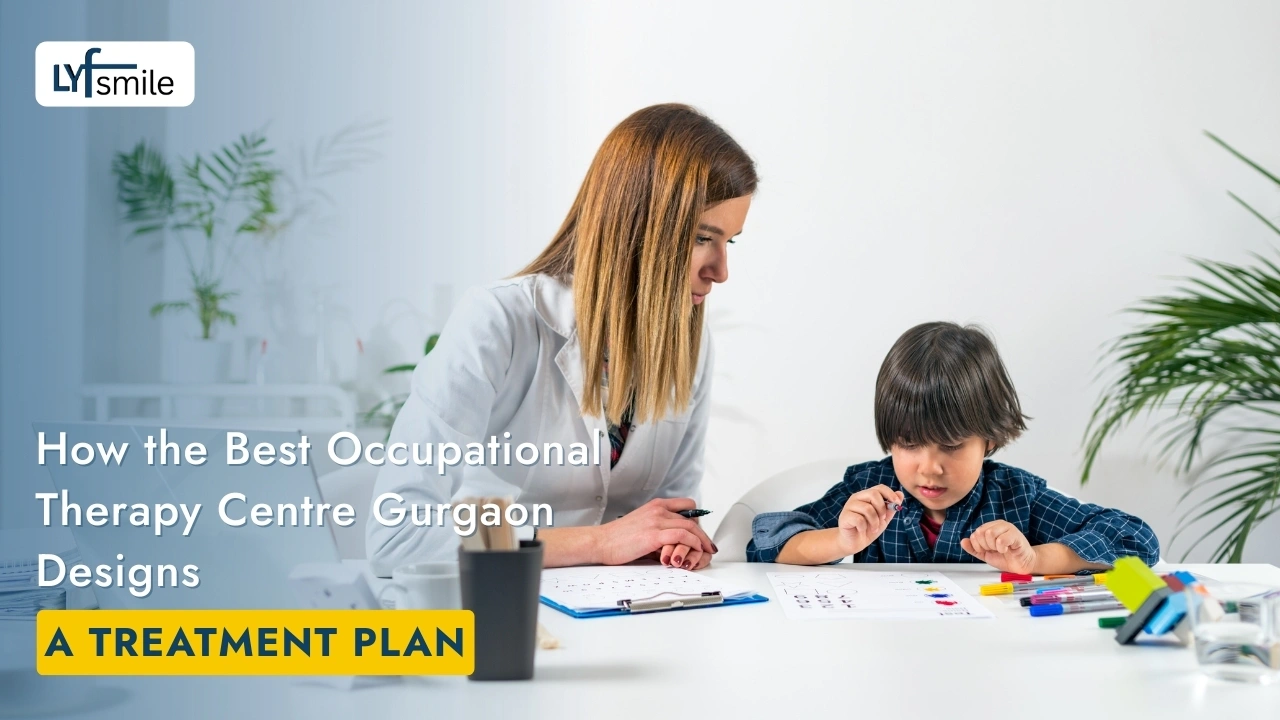 The process generally includes:
Step 1: Detailed Assessment
Therapists analyse:
Developmental milestones
Motor coordination
Sensory profile
Handwriting
Behavior
Attention span
Daily living skills
This helps create a structured OT plan.
Step 2: Personalized Therapy Program
Each child receives an individualized weekly plan based on:
Sensory needs
School demands
Motor delays
Behavioral challenges
Parent concerns
This is what makes a centre genuinely good, not one-size-fits-all therapy.
Step 3: Sensory Integration Sessions
These include:
Swing therapy
Obstacle courses
Balance tasks
Heavy-work activities
Deep-pressure sensory input
This improves emotional regulation, attention, and body awareness.
Step 4: Fine-Motor & Handwriting Training
Structured and goal-based:
Grip correction
Tracing
Writing drills
Pegboard activities
Hand strengthening
Step 5: Daily Living Skill Training
Through repetition and routine building, children slowly learn independence.
Step 6: Parent Training & Home Program
Parents learn what activities to repeat at home, ensuring faster improvement.
Top Pediatric Cases That See Improvement with Occupational Therapy in Gurgaon

Sensory Processing Disorder
Coordination Disorder (DCD)
Handwriting Challenges
Behavioral Regulation Issues
Down Syndrome
Cerebral Palsy (mild–moderate)
The child therapy expert in Gurgaon usually works with children across all these conditions.
Expected Progress Timeline for OT
1–2 Months
Improved sitting tolerance
Better attention
More body awareness
3–6 Months
Visible improvement in handwriting
Enhanced sensory regulation
Better grip and coordination
6–12 Months
Strong motor planning
Improved school performance
Independence in daily activities
Every child progresses at a unique pace, but consistency brings guaranteed improvement.
How Occupational Therapy Supports Emotional Regulation and Behavior in Children
While most parents think occupational therapy only improves motor skills or handwriting, one of its strongest benefits is behaviour and emotional regulation. Children today face sensory overload, academic pressure, and routine changes that sometimes become difficult for them to handle, especially between the ages of 3 and 14.
Emotional regulation means a child can manage frustration, transitions, anger, anxiety, and unexpected changes without meltdowns or withdrawal. Many behavioral issues are actually rooted in sensory-processing challenges, not “stubbornness” or “bad behaviour.”
For children who have experienced early emotional stress or minor trauma, occupational therapy often works alongside child trauma therapy to help them build safety, stability, and better self-control.
Boost Your Child’s Emotional & Behavioral Skills with OT in Gurgaon
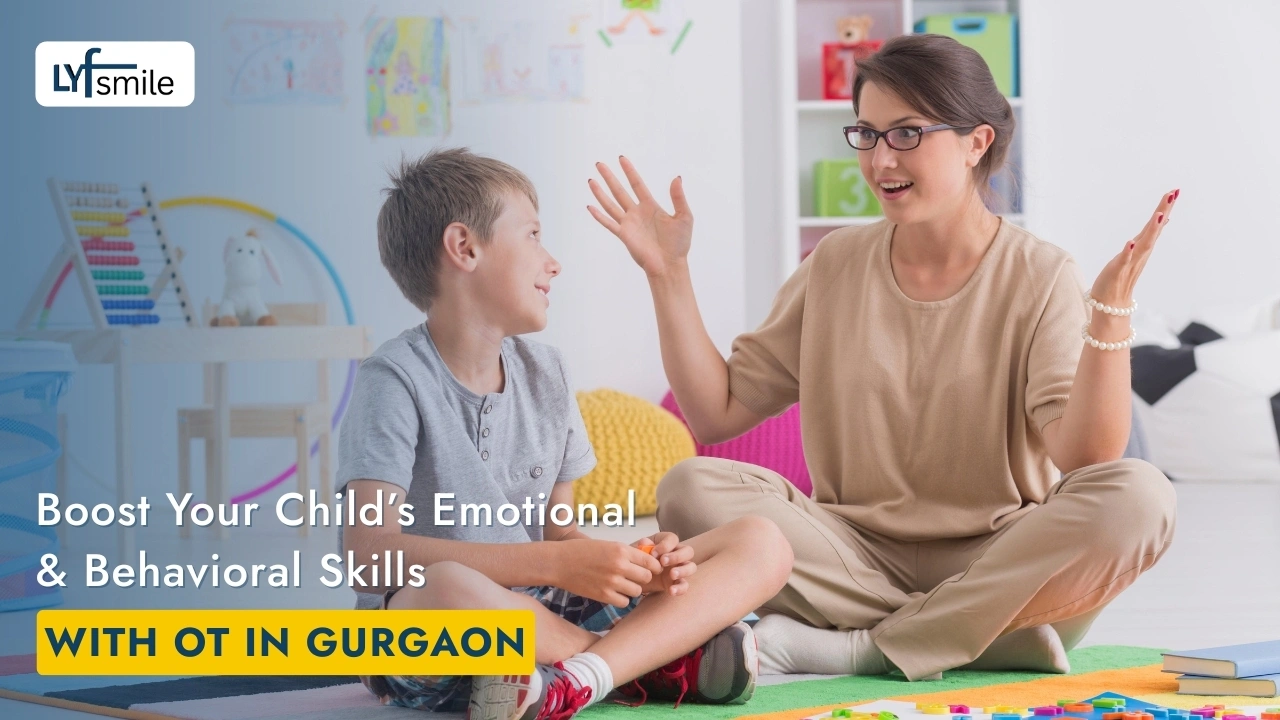
Sensory Diet Planning: Therapists design a daily routine of sensory activities (deep pressure, movement breaks, heavy work) that keeps the child calm and alert throughout the day.
Improving Body Awareness: When kids know how their bodies feel and move, they become less restless and impulsive.
Reducing Overwhelm: OT helps children manage reactions to sound, touch, crowds, or fast movements, common causes of irritability and meltdowns.
Enhancing Attention & Focus: Sensory integration improves the child’s ability to sit for tasks, follow instructions, and finish homework.
Teaching Coping Strategies: Therapists introduce breathing, grounding, and self-regulation tools that children can use in school and at home.
Structured Routines: Children learn predictable sequences for dressing, writing, studying, and transitions, reducing frustration and confusion.
Parents often notice improvements in:
Tantrums
Hyperactivity
Impulsiveness
Difficulty listening
Emotional outbursts
Sleep disturbances
School refusal
Social withdrawal
A research-backed OT approach allows the best occupational therapy center in Gurgaon to help children become calmer, more confident, and more emotionally stable, giving them long-term behavioral strength.
Why Parents Choose Occupational Therapy in Gurgaon for Their Children?
Individualised Therapy Programs
Every child receives a customised treatment plan based on their sensory profile, motor skills, attention span, and developmental needs. Personalised sessions ensure faster and more meaningful progress.
Sensory Integration Therapy
Many children struggle with sensory processing issues that affect behavior, learning, and emotional regulation. Sensory integration therapy helps children become calmer, more focused, and better able to manage everyday situations.
School Readiness and Handwriting Support
Occupational therapy improves pencil grip, handwriting speed, fine motor coordination, and attention skills, helping children perform better academically and gain confidence.
Daily Living Skill Training
Therapists help children become more independent in feeding, dressing, grooming, toileting, and organising daily routines, making everyday life easier for both children and parents.
Conclusion
Finding the right therapy centre for your child is more than an academic decision; it’s about shaping their confidence, abilities, and future. The best occupational therapy centre in Gurgaon focuses on holistic development through sensory-motor skill development, fine-motor coordination support, handwriting and grip improvement, and daily living skill training for kids. With early intervention, specialized techniques, and a supportive environment, your child can overcome developmental challenges and thrive.
If your child shows delays, sensory issues, poor coordination, or handwriting difficulties, don’t wait. Early OT support can transform your child’s abilities and daily life.
FAQs
At what age should I start occupational therapy for my child?
Occupational therapy can start as early as 2 years old, especially if delays or sensory issues are visible. Early intervention gives the fastest results. If you’re unsure, visiting the best occupational therapy centre in Gurgaon for an assessment is the safest first step.
How do I know if my child really needs occupational therapy?
If your child struggles with handwriting, balance, feeding, coordination, attention, dressing, or sensory issues, they likely need OT. A proper evaluation at the best occupational therapy centre in Gurgaon can confirm what kind of support your child needs.
My child avoids writing. Does OT help improve handwriting?
Yes, OT is one of the most effective methods for children who avoid writing or struggle with forming letters. Therapists work on finger strength, pencil grip, hand stability, visual-motor skills, and writing confidence. The best occupational therapy centre in Gurgaon uses structured handwriting improvement programs that make writing easier and more enjoyable.
What is the best therapy for clumsy kids who drop things often?
Clumsiness usually happens due to weak motor coordination, poor body awareness, or sensory-processing gaps. OT offers balance training, grip strengthening, bilateral coordination tasks, and sensory-motor exercises. Parents often choose the best occupational therapy centre in Gurgaon because it provides targeted therapy for clumsy kids who frequently drop objects.
Which child conditions benefit most from occupational therapy?
Occupational therapy is commonly recommended for children with autism spectrum disorder, ADHD, sensory processing disorder, developmental delays, handwriting difficulties, cerebral palsy, Down syndrome, coordination problems, and behavioral regulation challenges. Early intervention helps children become more independent and confident.
Can occupational therapy improve attention and concentration in children?
Yes. Occupational therapy supports sensory regulation and body awareness, which helps children improve attention span, focus, task completion, and classroom participation.
Is sensory integration therapy a part of occupational therapy?
Yes. Sensory integration therapy is one of the most important components of pediatric occupational therapy and helps children process sensory information more effectively.