Sarvesh Kumari
Male Hypoactive Sexual Desire Disorder: Causes, Symptoms & Support
Male Hypoactive Sexual Desire Disorder (MHSDD) refers to a persistent or recurring lack of sexual interest or desire that may become a source of personal distress or affect a relationship. Low sexual desire in men can have different contributing factors, including emotional stress, relationship difficulties, changes in health, medication effects, or other personal circumstances.
A temporary decrease in sexual interest does not necessarily mean that a person has a sexual desire disorder. Understanding how long the change has lasted, how it affects the individual, and what may be contributing to it can help determine what kind of support may be appropriate.
For Male Hypoactive Sexual Desire Disorder Support for NRI, Lyfsmile offers confidential online therapy with licensed psychosexual therapists accessible from anywhere in the world.
What Is Male Hypoactive Sexual Desire Disorder?
Male sexual desire disorder, or MHSDD, is not just occasional disinterest in sex. According to the DSM-5, a diagnosis requires symptoms persisting for at least six months that cause clinically significant distress. Research shows that reduced sex drive in males affects between 4.8% and 17% of men depending on the population studied with rates rising sharply with age.
For NRI men, the risk is compounded. Cultural adjustment pressure, long work hours, loneliness, and the strain of long-distance relationships are powerful emotional causes of low libido that mainstream healthcare often overlooks. Many men with male libido problems also carry cultural conditioning that makes it especially difficult to speak up society expects men always to be ready, which only deepens the shame and delay in seeking help.
The core causes of low libido in men fall into two broad categories:
Biological: Low testosterone is among the most studied factors. Hypogonadism, reduced testicular function occurs in 3–7% of men aged 30–69 and nearly 18% of men over 70. Conditions like hypothyroidism, hyperprolactinemia, diabetes, heart disease, and certain medications (especially SSRIs) are also linked to decreased sexual desire in men.
Psychological: In a study of male outpatients seeking help for male sexual dysfunction, psychosocial factors were more predictive of low desire than hormonal ones. Relationship issues due to low libido, performance anxiety, depression, and chronic stress and low sex drive in men are among the most common drivers. For NRI men, immigration-related stress and social isolation add additional layers.
The encouraging truth: loss of sexual desire in men caused by psychological and relational factors responds very well to structured therapy especially when addressed early.
Feeling disconnected from desire is not weakness. It is often your mind and body asking for the right kind of support. Book a free 15-minute consultation with Lyfsmile today.
Low Libido Treatment for Men: How Lyfsmile's Therapy Works
 Lyfsmile specialises in evidence-based therapy for low libido in men, combining cognitive-behavioural approaches with relationship and communication work. Here is exactly what you can expect:
Step 1: Personalised Assessment. Your therapist begins with a thorough evaluation covering health history, relationship dynamics, emotional patterns, and life stressors. For psychological low libido in men, identifying the specific trigger whether it is anxiety, unresolved conflict, or adjustment stress is essential before treatment begins.
Step 2: Cognitive-Behavioural Therapy (CBT) CBT targets the negative thought patterns and sexual scripts that suppress desire. Men with low sexual interest in men often hold deeply ingrained beliefs "I should always want sex," "There must be something wrong with me" that perpetuate the problem. CBT dismantles these beliefs and replaces them with healthier, realistic responses to intimacy.
Step 3: Emotional Regulation and Mindfulness Chronic stress and low sex drive in men are biologically linked, cortisol suppresses testosterone. Therapy builds practical tools for managing work pressure, cultural stress, and relationship tension so that desire can naturally return.
Step 4: Couples Communication and Intimacy Rebuilding Intimacy problems in men rarely stay personal, they affect partners deeply. Lyfsmile's counseling for low libido includes couple-focused sessions that rebuild emotional closeness, address relationship issues due to low libido, and restore physical connection without pressure or judgment.
Step 5: Long-Term Maintenance Sustaining progress means building lasting habits. Your therapist guides you through lifestyle adjustments sleep, exercise, stress management, alongside relationship strategies that protect your gains long after therapy ends.
All sessions are conducted online in complete confidentiality, making Male Hypoactive Sexual Desire Disorder Support for NRI accessible whether you are in the UK, USA, Canada, Australia, or the Gulf.
Over 120,000 clients across 70+ countries trust Lyfsmile. Call or WhatsApp +91 9804791047 to start your journey today.
What Can Affect Sexual Drive in Men?
Sexual drive is not the same every day or for every person. A man's interest in sex can change depending on his emotional state, relationship, lifestyle, health, and personal circumstances.
Some common factors that may affect sexual drive include:
Ongoing stress or mental exhaustion
Anxiety or excessive overthinking
Relationship tension or emotional distance
Low mood or depression
Lack of sleep or major lifestyle changes
Concerns about sexual performance
Certain medications or health-related factors
Major personal or life changes
Sometimes several factors may be present at the same time, which is why understanding the individual's situation is more useful than assuming that low desire has one single cause
Can Stress, Anxiety or Relationship Problems Affect Male Sexual Desire?
Yes, emotional experiences can influence sexual interest. When someone is constantly stressed, worried, emotionally disconnected, or dealing with unresolved relationship issues, sex may become less of a priority or feel difficult to approach.
Performance pressure can also create a cycle where a man starts worrying about whether he will feel interested or perform as expected. That worry itself can make intimacy feel more stressful.
However, psychological factors are only one possible part of the picture. If low sexual desire is persistent, it can be useful to consider emotional, relationship, lifestyle, medication-related, and other health factors together.
How Can Low Sexual Desire Affect a Relationship?
A difference in sexual desire can sometimes create confusion or frustration between partners. One partner may interpret reduced sexual interest as rejection, while the person experiencing low desire may feel guilty, pressured, or unable to explain what has changed.
Over time, avoiding conversations about intimacy can create emotional distance. Open communication can help partners understand that a change in sexual desire is not necessarily a reflection of attraction or love.
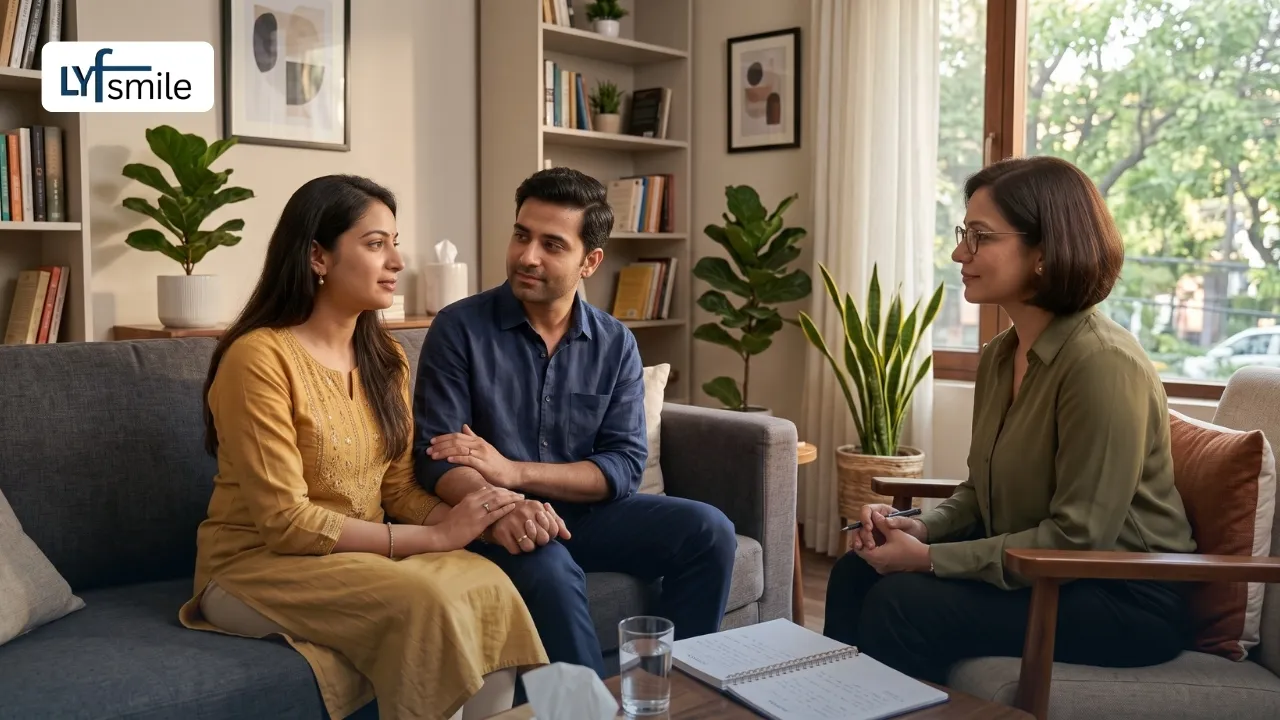
When the issue continues to affect the relationship, individual or couples counselling may provide a safe space to understand the underlying concerns
Online Support for Indian Men Living Abroad
Living away from home can bring its own set of emotional and relationship challenges. For some Indian men living abroad, work pressure, loneliness, long-distance relationships, changes in routine, or difficulty discussing intimate concerns may make it harder to talk about reduced sexual desire.
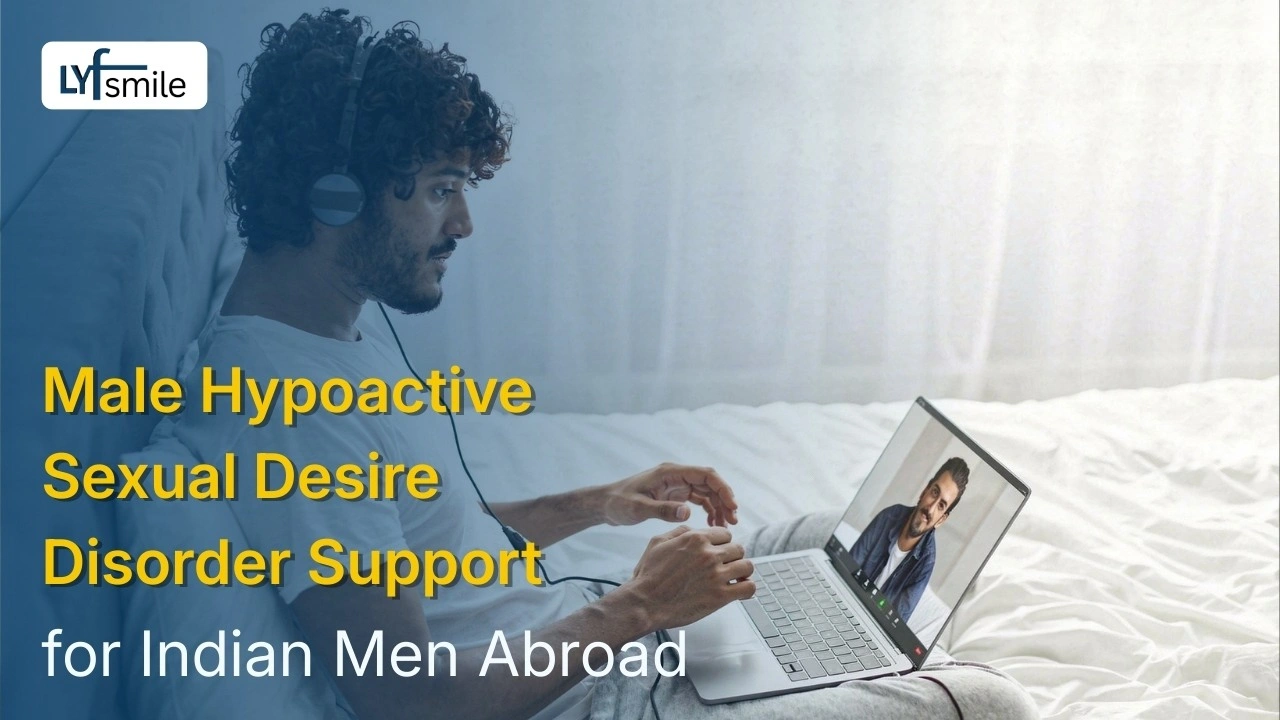
Online counselling can provide a private space to discuss concerns about sexual desire, emotional wellbeing, relationship communication, or intimacy without having to travel or discuss personal matters in an unfamiliar setting.
For men who prefer speaking with someone familiar with Indian cultural and relationship dynamics, culturally sensitive online support may make the conversation feel more comfortable.
Conclusion
Male low libido affects more men than most people admit, and the causes are rarely simple. Low testosterone, chronic stress, health conditions, and psychological low libido in men can all quietly erode desire and create sexual problems in couples - emotional distance, unspoken frustration, and growing disconnection.
Male Hypoactive Sexual Desire Disorder Support for NRI is exactly what Lyfsmile is built for. Through evidence-based therapy for low libido in men, our licensed therapists help individuals and couples address the emotional, relational, and psychological roots of reduced sex drive in males together, in a completely confidential space.
FAQ’s
What is Male Hypoactive Sexual Desire Disorder?
Male Hypoactive Sexual Desire Disorder (MHSDD) refers to a persistent or recurring lack of sexual interest or desire that becomes distressing for a man or starts affecting his relationship or emotional well-being. It is different from simply having a lower sex drive than someone else. Sexual desire can naturally vary, but when a noticeable and unwanted change continues over time, it may be worth understanding what is causing it.
What causes low sexual desire in men?
Low sexual desire can have several possible causes, and they can be different for each person. Stress, anxiety, low mood, relationship difficulties, emotional disconnection, lack of sleep, lifestyle changes, concerns about sexual performance, certain medications, and other health-related factors may all play a role. Sometimes, more than one factor contributes to a decrease in sexual interest.
Why has my sex drive decreased?
A decrease in sex drive can happen during periods of stress, emotional exhaustion, relationship problems, major life changes, or changes in physical well-being. Some men may also notice reduced sexual interest when they are dealing with anxiety, low mood, poor sleep, or ongoing pressure. A temporary change does not automatically mean a disorder, but if it continues or causes distress, it may be worth exploring the underlying reasons.
Can stress affect sexual desire in men?
Yes, ongoing stress can affect sexual interest. When the mind is occupied with work pressure, financial concerns, family responsibilities, or other worries, intimacy may become less of a priority. Constant stress can also make it harder to relax and feel emotionally connected during intimate moments. Managing the source of stress and creating space for emotional wellbeing may help improve overall sexual wellbeing.
Can relationship problems reduce sexual desire?
Yes. Unresolved arguments, emotional distance, poor communication, lack of affection, or ongoing tension between partners can sometimes affect sexual interest. A person may still care deeply about their partner while experiencing reduced desire. Talking openly about what has changed, without blame or pressure, can help both partners understand each other's needs.
Is low sex drive always a disorder?
No. Having a low or changing sex drive does not automatically mean that someone has a sexual disorder. Sexual desire naturally varies between people and can change because of stress, relationships, lifestyle, health, or different stages of life. It becomes more important to seek professional guidance when the change is persistent, unwanted, causes significant distress, or starts affecting a relationship.
How can I improve my sexual desire?
The first step is to understand what may be affecting your desire rather than trying to follow a single solution. Improving sleep, managing ongoing stress, communicating openly with your partner, addressing relationship concerns, and taking care of your overall well-being may help. If low desire continues, counselling or an appropriate medical evaluation can help identify factors that may need attention.
Can counselling help with low sexual desire?
Counselling can be helpful when stress, anxiety, low confidence, relationship difficulties, emotional disconnection, or other psychological factors are affecting sexual desire. Therapy can provide a private space to understand these concerns, work through unhelpful thoughts, and improve communication around intimacy. If there may also be physical or medication-related factors, additional professional evaluation may be appropriate.
Is HSDD common in India?
Low sexual desire is a concern that many people may experience, but there is no single number that accurately represents how common HSDD is among Indian men. Many men may also hesitate to discuss sexual concerns because of embarrassment, stigma, or cultural expectations. This can make such concerns difficult to identify and discuss openly. What matters most is whether reduced desire is persistent and causing personal or relationship-related distress.
Can Indian men living abroad get online support for low sexual desire?
Yes. Indian men living abroad can use online counselling to discuss concerns related to low sexual desire, intimacy, relationship difficulties, stress, or emotional wellbeing from a private setting. For some NRIs, speaking with a therapist who understands Indian cultural expectations and relationship dynamics can make it easier to discuss sensitive concerns openly. If the concern may involve a physical or medical factor, appropriate healthcare evaluation should also be considered.