

Anupam Tripathi
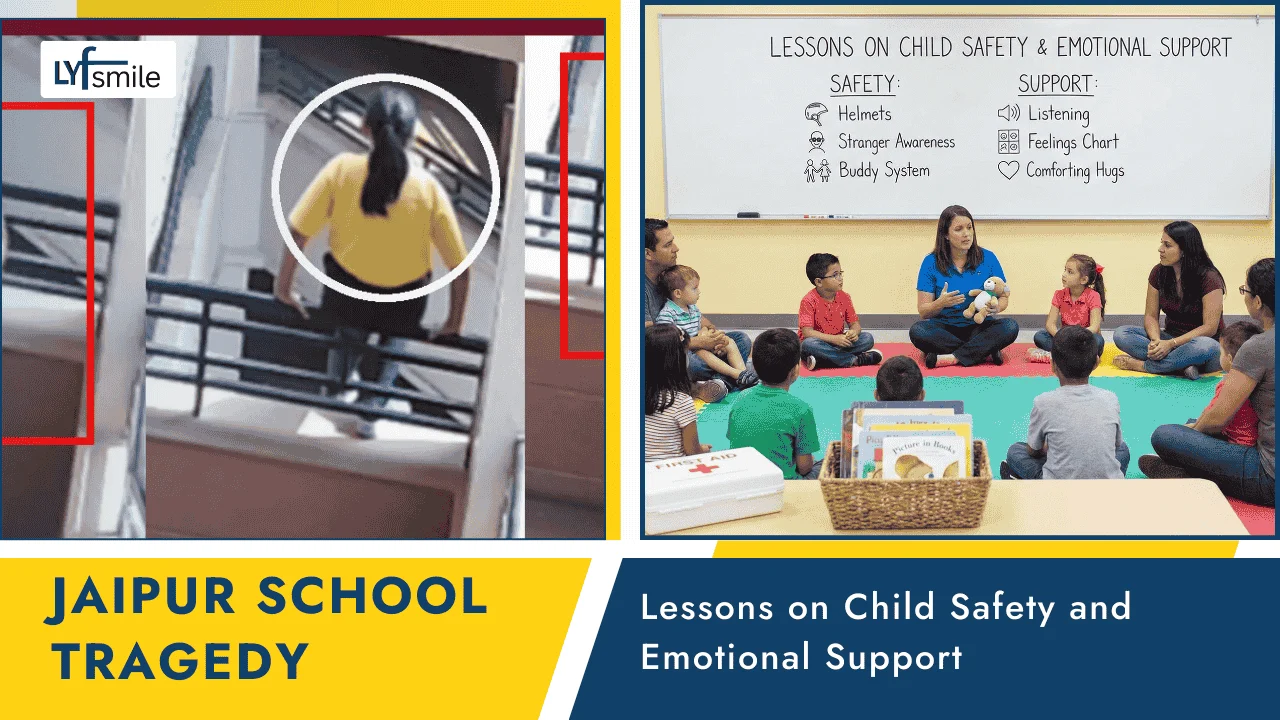
Jaipur School Tragedy: Lessons on Child Safety and Emotional Support
The Jaipur school incident has deeply disturbed parents and educators across the country. While official action has been taken, the tragedy reminds us how easily a child’s emotional struggles can remain unseen.
On November 1, 2025, a Class 4 student lost her life inside her school campus. After reviewing the case, CBSE withdrew the school’s affiliation, citing serious safety and supervision failures. However, beyond rules and regulations, the incident forces us to look at the emotional side of child safety.
What Happened Inside the School That Day
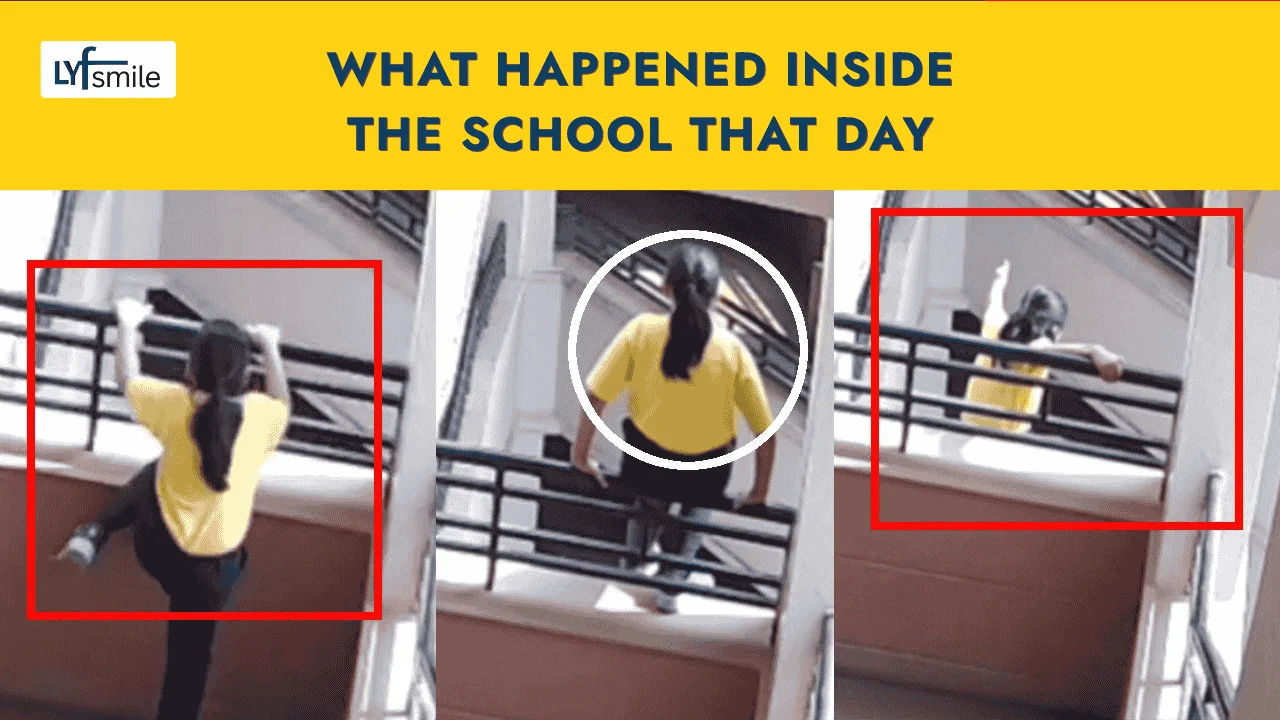 According to official information, the child was present on school premises during regular hours when the incident occurred. Emergency services were called immediately, and authorities initiated an investigation.
Parents later raised concerns around:
lack of supervision
safety arrangements inside the campus
accountability during school hours
These concerns eventually became central to CBSE’s inquiry.
How the Case Was Officially Classified
Based on police records and initial reports, the case was treated as suicide. Authorities did not release personal details or specific reasons, which is a standard and ethical practice in cases involving minors.
Importantly:
it was not officially termed an accident
there was no confirmed murder angle
The focus remained on institutional responsibility rather than personal speculation.
CBSE’s Decision and What It Reveals About School Responsibility
 CBSE’s investigation found that the school failed to meet essential child safety norms. The board highlighted gaps in supervision and monitoring, concluding that the environment was not adequately safe for young students.
Through this decision, CBSE reinforced that schools are responsible for:
physical safety of students
proper supervision during school hours
maintaining a secure environment
Why the Question “Why Did This Happen?” Has No Simple Answer
One of the hardest questions parents ask after such incidents is “why.” The truth is that no specific reason has been officially shared.
Child psychologists in Delhi explain that emotional distress in children often develops quietly. Children may not:
understand their emotions
know how to express fear or sadness
feel safe enough to speak openly
This makes it difficult for adults to detect emotional overload early.
How Emotional Distress Often Appears in Children
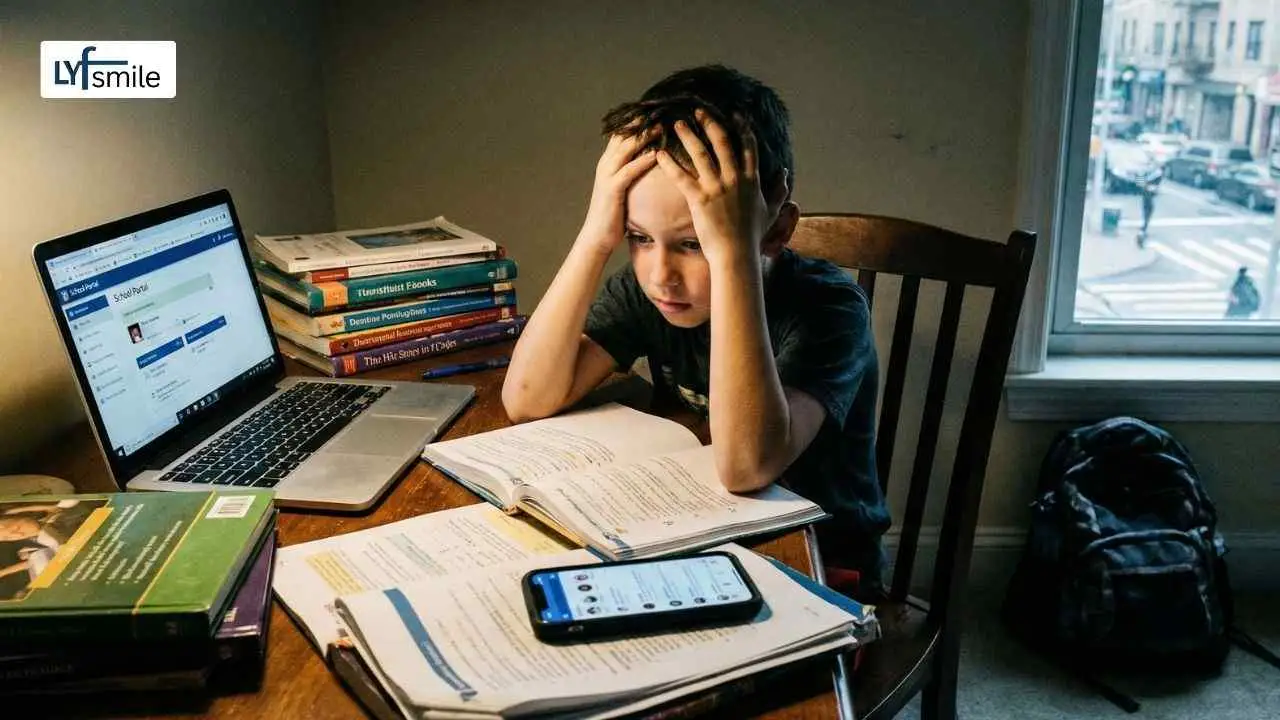 Unlike adults, children rarely say “I am struggling.” Emotional distress usually shows up through small behavioural changes, such as:
becoming unusually quiet or withdrawn
loss of interest in daily activities
These signs are easy to dismiss without proper awareness.
Common Emotional Pressures Children Face Today
While no cause has been confirmed in this case, mental health professionals commonly observe children dealing with:
fear of authority or mistakes
feeling unheard at home or school
When these pressures accumulate and support is missing, children can feel emotionally trapped.
Why Emotional Safety in Schools Is Equally Important
Schools are spaces where children spend most of their day. Along with academics, children need:
attentive supervision
emotionally safe environments
trusted adults they can approach
When emotional safety is overlooked, children may feel isolated even in familiar surroundings.
Parents Often Need Guidance, Not Blame
Most parents do not intentionally ignore their child’s struggles. Many simply:
don’t recognise early warning signs
think changes are temporary phases
are unsure how to start emotional conversations
This gap highlights the need for professional guidance and awareness.
How Parents Can Support Their Child
Parents play a crucial role in helping children navigate emotional challenges. Here are practical ways to provide support:
Observe Behaviour Changes
Notice if your child becomes unusually quiet, withdrawn, or irritable.
Look for small signs of stress, anxiety, or loss of interest in daily activities.
Create a Safe Space for Conversation
Encourage open dialogue without judgment.
Let your child know it’s okay to share feelings, fears, or worries.
Validate Emotions
Acknowledge your child’s feelings instead of dismissing them.
Use phrases like, “I understand this is hard for you,” or “It’s okay to feel upset.”
Maintain Consistent Routines
Stable schedules for sleep, meals, and schoolwork help children feel secure.
Predictable routines reduce anxiety and emotional overload.
Seek Professional Guidance Early
Child psychologists or counselors can help identify and address emotional distress.
Early support prevents minor issues from escalating into serious crises.
Stay Involved with School
Communicate regularly with teachers and staff about your child’s well-being.
Encourage a supportive and emotionally safe environment both at home and school.
If you have any concerns about your child’s behavior, you can connect with the expert psychologists at Lyfsmile in Delhi, who provide the best care and guidance for your child, approved and trusted by parents.
How Lyfsmile Supports Children and Parents
 Lyfsmile focuses on early emotional support for children and families. Through trained child psychologists in Delhi, Lyfsmile helps by:
giving children a safe space to express emotions
identifying anxiety, sadness, or fear early
supporting children facing bullying or stress
Often, professional support helps children open up in ways they cannot at home.
Why Early Emotional Support Matters
Early mental health support helps children:
feel heard and understood
develop coping skills
reduce emotional overload
build healthier communication with parents
Small interventions at the right time can prevent serious emotional crises.
Key Lessons on Child Safety and Emotional Well-Being
The Jaipur school incident is a heartbreaking reminder that child safety is more than just physical measures or rules. True safety also includes:
Emotional awareness: Paying attention to children’s feelings and subtle signs of distress.
Timely supervision: Ensuring children are monitored and supported during school hours.
Early support: Intervening early when a child shows signs of emotional or behavioral challenges.
By listening to children and taking their emotional changes seriously, parents, teachers, and caregivers can make a life-saving difference.
Conclusion
The Jaipur school tragedy should be more than a headline. It should push us to prioritise children’s emotional well-being alongside physical safety.
With better awareness, parental guidance, and professional support from platforms like Lyfsmile, many children can receive help before emotional distress turns into tragedy.
Every child deserves to feel safe, supported, and understood.
Faqs
1. How can I tell if my child is emotionally struggling?
Children often show emotional distress through subtle behavior changes such as withdrawal, irritability, sudden fear of school, or loss of interest in activities. Early observation and open communication are key.
2. What should parents do if they notice signs of stress in their child?
Start by creating a safe space for your child to talk, validate their feelings, maintain routines, and seek guidance from a child psychologist if needed. Early support can prevent serious emotional crises.
3. How can schools help ensure children’s emotional safety?
Schools can maintain attentive supervision, train staff to recognize emotional distress, provide counseling support, and foster an environment where children feel heard and safe.
4. What are common emotional pressures children face today?
Children may experience school-related anxiety, fear of mistakes, bullying, peer rejection, or feeling unheard at home. Awareness and timely support are crucial.
5. Is professional help necessary if a child shows signs of emotional distress?
Yes. Child psychologists and counselors can help identify issues early, provide coping strategies, and guide parents in supporting their child effectively.
6. How can parents communicate with their child about emotions without causing stress?
Use calm, non-judgmental language, validate their feelings, ask open-ended questions, and reassure them that their emotions are normal and safe to share.
7. Can emotional support prevent tragedies like the Jaipur school incident?
While every situation is unique, early emotional support, parental awareness, and school supervision significantly reduce risks by addressing distress before it escalates.