

Anupam Tripathi
Best art therapy for children in Gurgaon
Children often have big emotions but very limited words. While adults talk to express themselves, children express themselves through play, colours, and imagination. This is where art therapy for children becomes a powerful, gentle, and effective tool. In a fast-paced city like Gurgaon, where academic pressure, overstimulation, and emotional struggles are becoming common, parents are increasingly turning towards supportive, child-friendly therapies.
Parents across Gurgaon, Golf Course Road, DLF Phase 5, Sushant Lok, and Sohna Road are increasingly turning to art therapy to help children cope with anxiety, emotional struggles, and behavioural challenges.
Art therapy is also an important part of Child Mental Health Counseling, helping children process difficult emotions, improve emotional awareness, and develop healthier coping skills.
How Art Therapy Helps Children Express What They Cannot Say
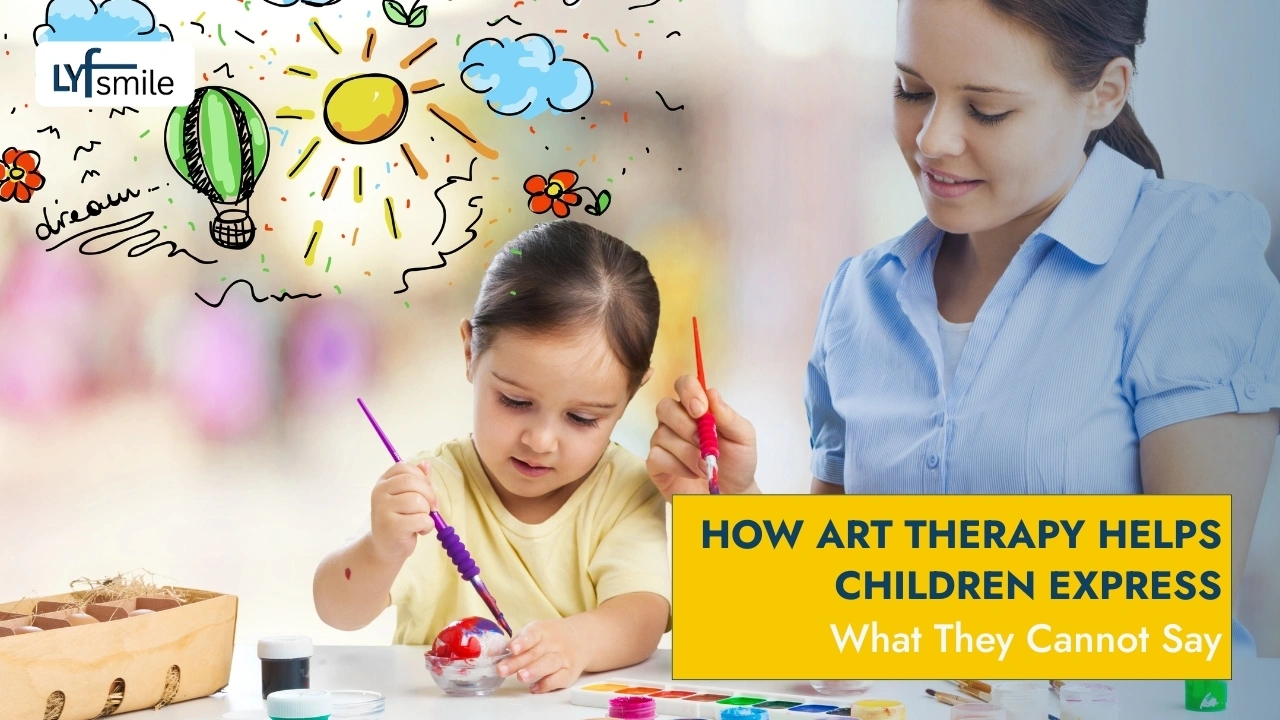 Art therapy is a therapeutic approach that uses creativity, colours, movement, and imagination to help children express feelings they cannot put into words. It is conducted by trained professionals who understand both child psychology and creative processes.
Children naturally express themselves through drawing, painting, and crafting. Art therapy uses this natural tendency in a structured, therapeutic way to help children work through:
Stress
Behavioural issues
Social difficulty
Emotional regulation
Art therapy is not about producing “beautiful” artwork. It is about creating a safe emotional space where a child can express and heal.
Why Art Therapy Works for Children
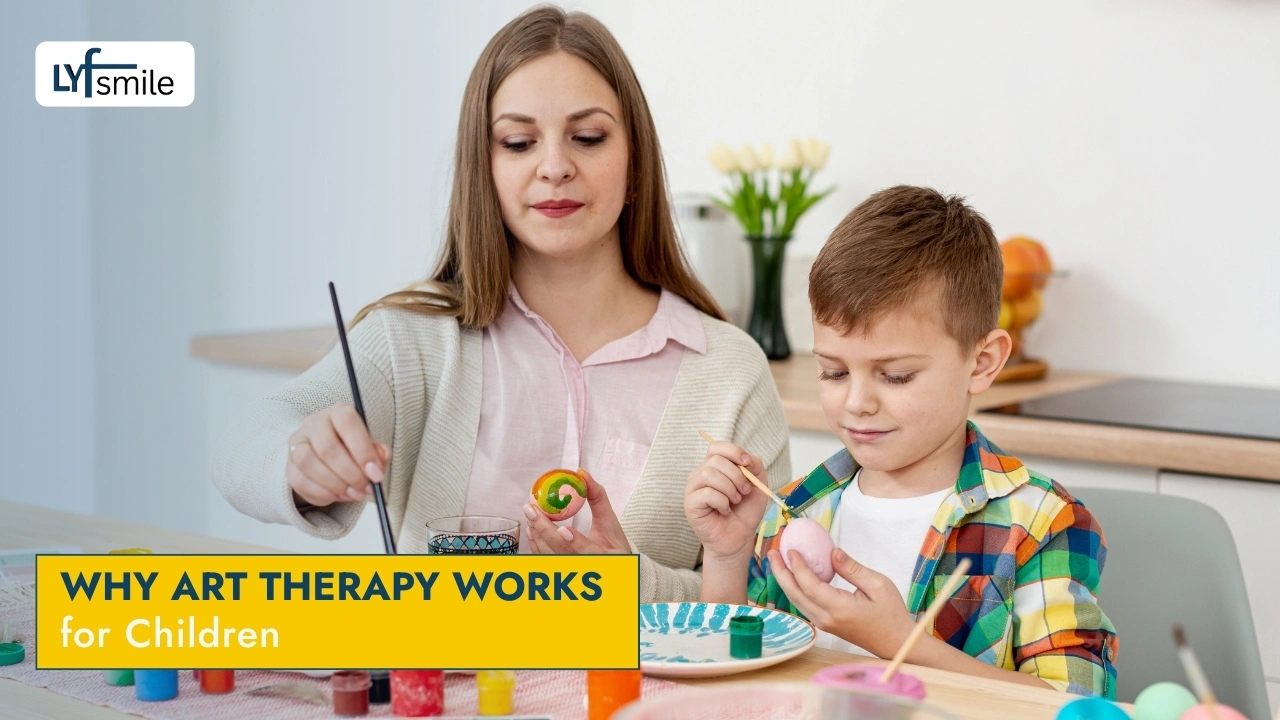 Kids don’t always understand their own emotions. They may feel scared, hurt, angry, confused, or overwhelmed, but they cannot explain why. Art gives them a symbolic language.
Families across Gurgaon, South City, DLF Phase 4, Sector 56, and Golf Course Extension Road often notice how academic pressure and overstimulation impact children's emotional wellbeing. This has made art therapy and child counselling a trusted choice among parents seeking gentle emotional support.
Through visual communication therapy, children can express thoughts and emotions without speaking. A simple drawing can communicate fears, insecurities, or hidden stress. Colours and shapes often reveal what the child is experiencing internally.
This makes art therapy gentle, non-invasive, and highly effective for children who:
Do not talk openly
Struggle with expressing emotions
Feel shy or withdrawn
Have experienced stress or trauma
Have behavioural or attention issues
Children experiencing persistent worry or emotional distress may also benefit from Child Anxiety Therapy, which can be integrated with art therapy depending on their individual needs.
How Therapy for Children in Gurgaon Has Evolved
Child therapy in Gurgaon has grown beyond traditional talk-based sessions. Parents across Gurgaon, Delhi NCR, and India are now choosing creative, evidence-based approaches like art therapy that feel less clinical and more natural for young minds. At Lyfsmile, therapy for children is designed to be gentle, age-appropriate, and guided by trained child psychologists who understand how kids think, feel, and heal.
An experienced Child Counselor selects the most suitable therapeutic approach based on the child's emotional, behavioural, and developmental needs.
Types of Creative Activities Used in Art Therapy
A professional therapist in Gurgaon uses a variety of creative emotional expression activities based on the child's age, personality, and emotional needs. Here are the most commonly used methods:
1. Therapeutic Drawing Activities
Children draw situations, people, or abstract patterns. Through drawings, therapists understand hidden worries, fears, and desires.
2. Painting for Emotional Processing
The choice of colours, intensity of strokes, and theme of artwork reveal the child's emotional state. Painting relaxes the nervous system and reduces anxiety.
3. Clay and Sculpting Work
Clay work helps children express strong emotions through shaping and squeezing. It improves motor skills and releases built-up frustration safely.
4. Collage-Making and Creative Storytelling
Children cut pictures and create scenes to visually communicate experiences and thoughts they cannot articulate.
5. Mandala and Pattern Art
Mandalas help with focus, calmness, and emotional clarity, especially for children dealing with anxiety or hyperactivity.
6. Expressive Art Counselling (Mixed Media)
A mix of movement, music, drama, and symbolic play that helps children with severe emotional blocks or trauma.
Types of Creative Activities Used in Art Therapy
A professional therapist in Gurgaon uses a variety of creative emotional expression activities based on the child’s age, personality, emotional needs, and comfort level.
Here are the most commonly used methods:
1. Therapeutic Drawing Activities
Drawing is the simplest and most powerful tool. Children draw situations, people, dreams, or abstract patterns. Through drawings, therapists understand hidden worries, fears, and desires.
2. Painting for Emotional Processing
Painting helps with emotional-processing through art. The choice of colours, intensity of strokes, and theme of artwork reveal the child’s emotional state. Painting relaxes the nervous system and reduces anxiety.
3. Clay and Sculpting Work
Clay work helps children express strong or confusing emotions through shaping, squeezing, rolling, or rebuilding. It improves motor skills and releases built-up frustration or anger safely.
4. Collage-Making and Creative Storytelling
Children cut pictures, create scenes, or make storyboards. This allows them to visually communicate experiences, relationships, and thoughts they cannot articulate.
5. Mandala and Pattern Art
Mandalas help with focus, calmness, and emotional clarity. Many therapists use them for children dealing with anxiety, restlessness, or hyperactivity.
6. Expressive Art Counselling (Mixed Media)
This includes a mix of art forms like:
Movement
Music
Drama
Craft work
Symbolic play
This holistic method helps children who struggle with severe emotional blocks or trauma. All these approaches create a safe, engaging, and healing environment.
What Happens in an Art Therapy Session?
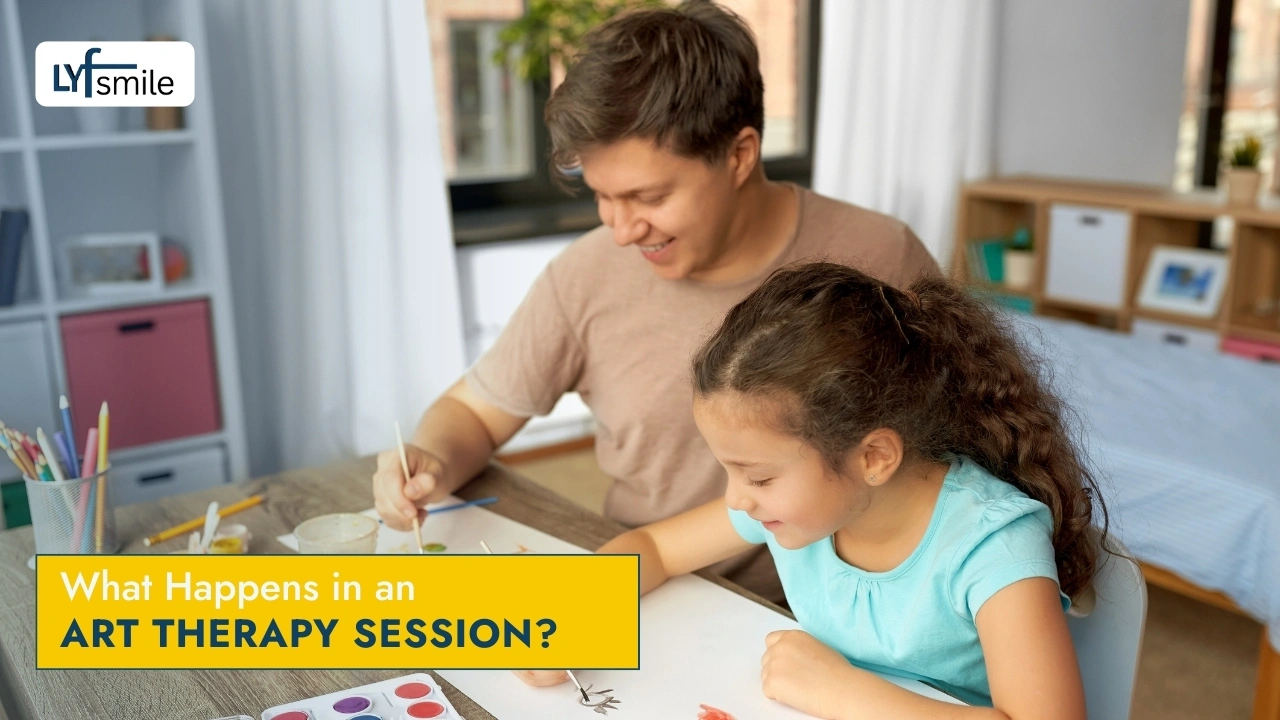 Parents often wonder what actually takes place when a child attends art therapy for children gurgaon. Sessions usually follow a gentle and structured process:
1. Warm-Up and Emotional Check-In
The therapist spends a few minutes making the child comfortable. This may include casual dialogue, a simple drawing task, or choosing colours.
2. Creative Activity Based on the Child’s Needs
Depending on the child’s emotions and current challenges, the therapist chooses relevant activities, drawing, clay work, painting, storytelling, etc.
3. Visual Communication and Reflection
Here, the therapist gently helps the child talk (or express non-verbally) about what they created. This is not forced. Children express spontaneously when they feel understood.
4. Emotional-Processing Through Art
The therapist helps the child connect thoughts, feelings, and experiences. This helps children understand emotions like anger, fear, sadness, jealousy, confusion, or loneliness.
5. Closing Routine
Sessions end with a calming or grounding activity, such as soft music, a breathing exercise, or a simple art-based affirmation.
Each session is designed to be non-judgmental, playful, relaxing, and emotionally supportive.
Who Should Consider Art Therapy for Their Child?
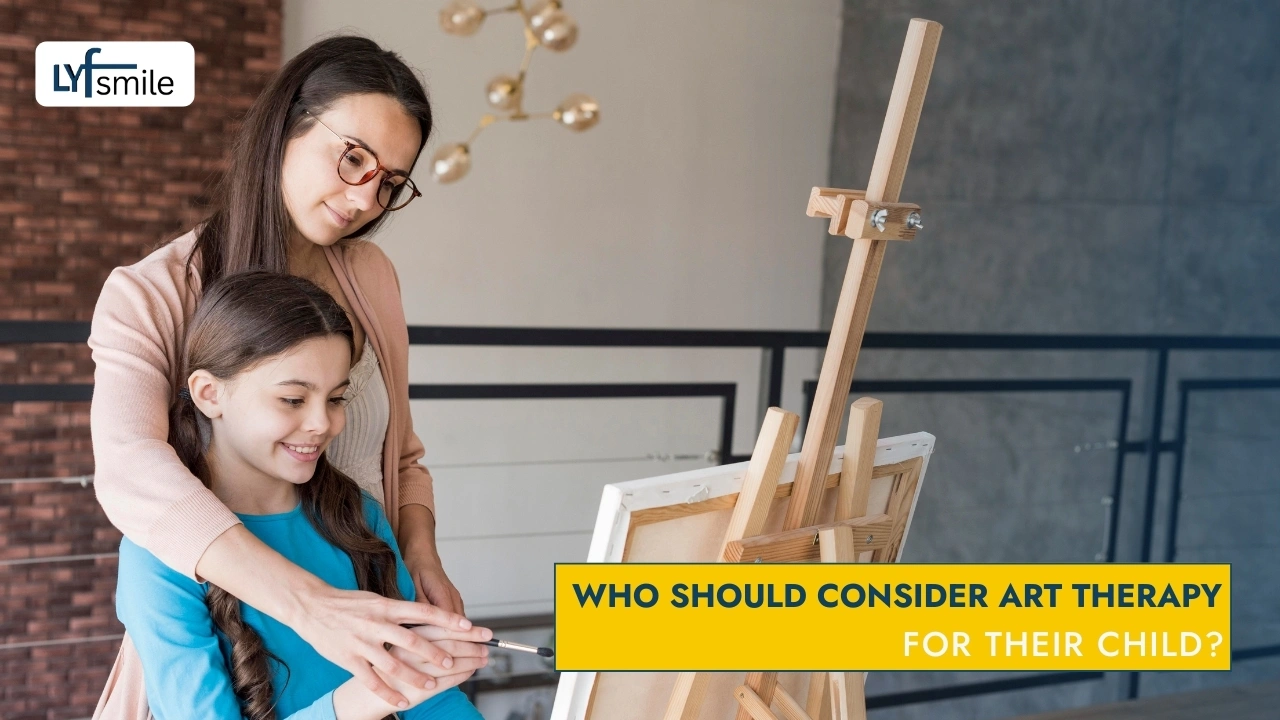 Children may not always say, “I need help.” But their behaviours often do.
Here are signs a child may benefit from art therapy:
Sudden behavioural changes
Emotional outbursts
Difficulty expressing feelings
Withdrawal, silence, or isolation
Sleep issues
Anxiety or constant worrying
Academic pressure
Anger issues
Trouble making friends
Experiencing trauma or stress
Loss in family
Bullying
ADHD-like symptoms
Autism-related emotional struggles
Children from New Gurgaon, Palam Vihar, Sector 46, and nearby Manesar can benefit from art-based emotional support to improve self-esteem, communication, and emotional regulation. In areas where children face high academic competition and social pressure, art therapy provides emotional relief and psychological support in a gentle, child-friendly way. Children struggling with emotional regulation or behavioural challenges may also benefit from Child Behaviour Therapy, either alongside or after an individual psychological assessment.
Benefits of Art Therapy for Children
Art therapy offers far more than creative expression. It provides children with a safe and supportive space to process emotions, reduce stress, and develop essential life skills. By combining activities like drawing, painting, sculpting, and storytelling with therapeutic guidance, art therapy supports emotional, cognitive, social, and physical development.
Emotional and Psychological Benefits
Helps Children Process Trauma and Stress
Children often struggle to explain painful experiences or overwhelming feelings. Art therapy allows them to express emotions related to hospitalisation, bullying, family changes, or trauma in a safe and non-verbal way, promoting emotional healing and resilience.
Improves Emotional Regulation
Creative activities such as finger painting, clay work, and guided drawing provide sensory grounding and help children manage anxiety, anger, and hyperactivity. These activities calm the nervous system and encourage healthier emotional responses.
Builds Confidence and Self-Esteem
Art creates a judgment-free environment where children can explore ideas, develop skills, and transform their feelings into something meaningful. This sense of accomplishment improves self-confidence and encourages positive self-expression.
Cognitive and Physical Benefits
Enhances Fine Motor Skills
Using brushes, pencils, scissors, and sculpting materials strengthens hand-eye coordination, dexterity, and muscle control. These skills are particularly valuable for younger children and those with developmental challenges.
Supports Brain Development and Creativity
Art-based activities stimulate imagination, concentration, critical thinking, and problem-solving abilities. They encourage children to plan, focus, and interpret visual information, supporting overall cognitive growth.
Social and Behavioural Benefits
Encourages Better Communication
Art provides children with an alternative way to express thoughts and feelings that may be difficult to verbalize. This often improves communication between the child, parents, and therapists and helps children discuss challenging experiences more comfortably.
Develops Social Skills and Empathy
Group-based art activities promote cooperation, sharing, and empathy. These experiences can be especially beneficial for children with autism spectrum disorder, ADHD, or other neurodevelopmental conditions, helping them build stronger social connections and emotional understanding.
Why Art Therapy Is Emerging as a Trusted Choice for Kids in Gurgaon
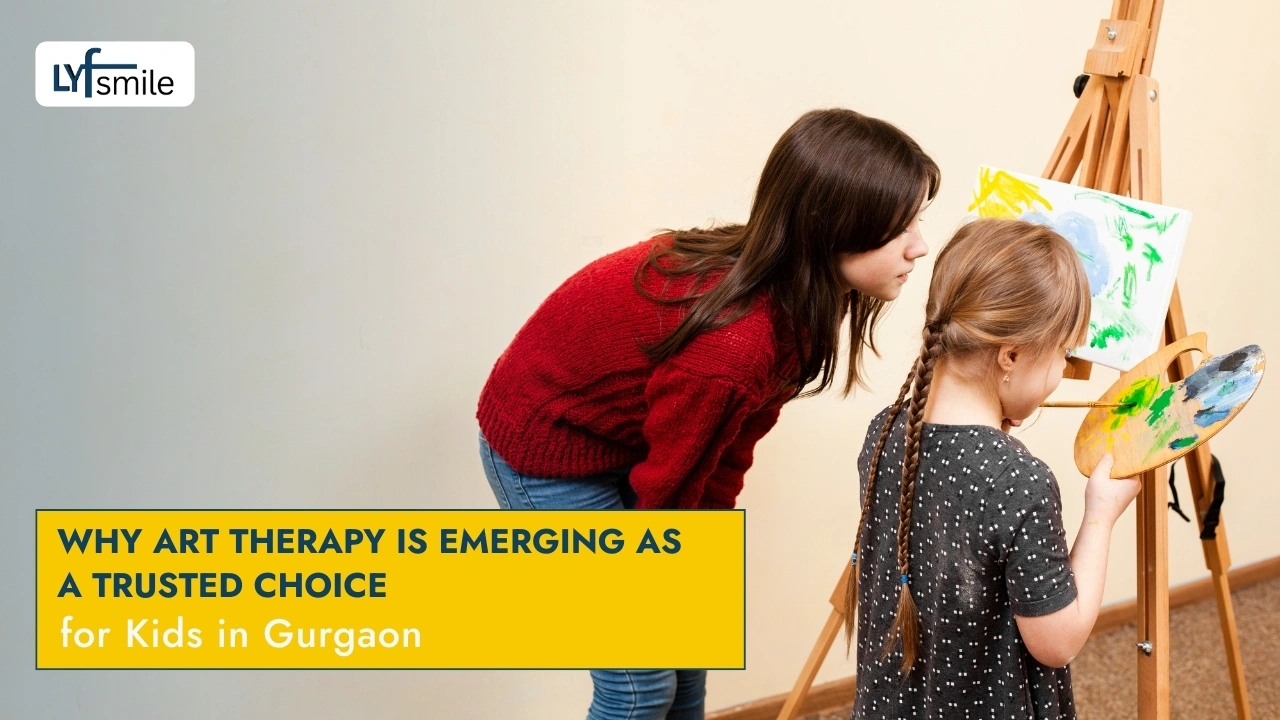 Guragon’s fast-paced lifestyle affects children more than we realize. The pressure of schools, social comparison, competitive exams, and limited emotional outlets make many children feel overwhelmed.
Parents are increasingly choosing art therapy because:
It is non-medical
It is gentle for sensitive children
It works beautifully for children who do not talk much
It improves mental health without stress
It supports children with special needs
It complements speech therapy, occupational therapy, and counselling
Many schools and clinics in gurgaon now include art therapy as a part of their emotional wellness programs.
How Parents Can Support Art Therapy at Home
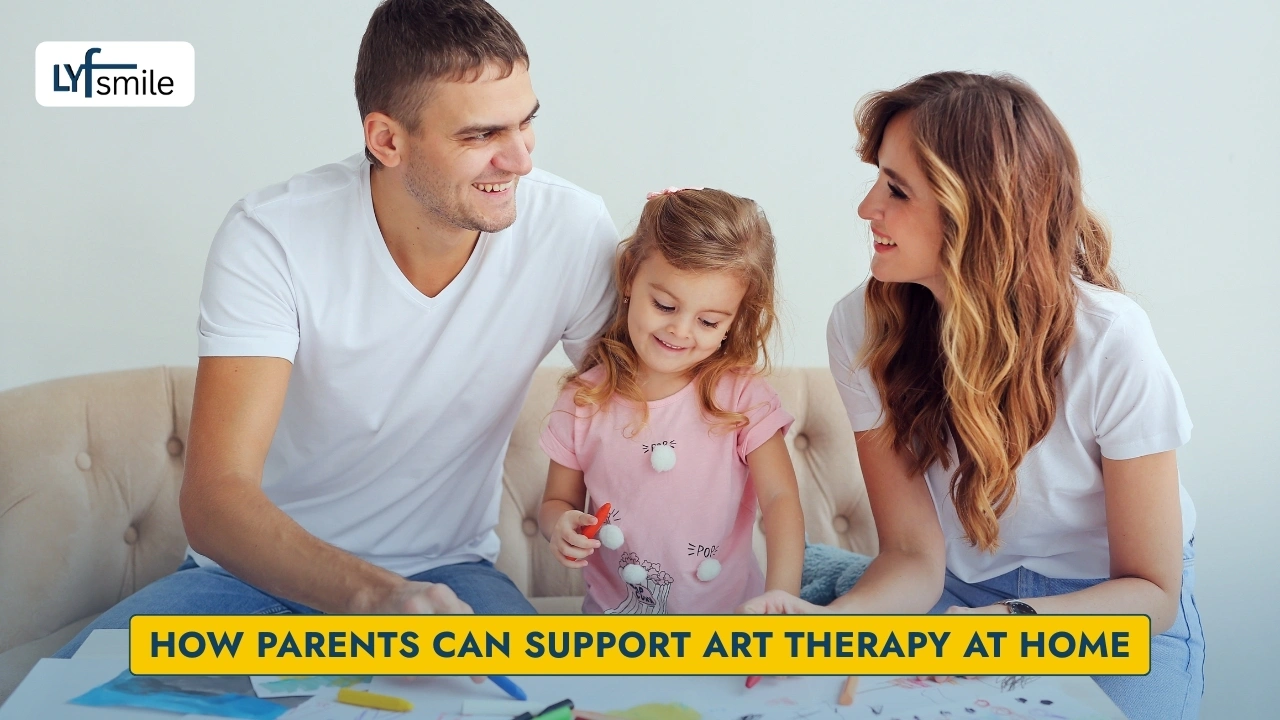 While professional sessions are essential, simple home practices help reinforce emotional growth:
Create a small art corner with colours and papers
Don’t judge or correct the child’s artwork
Encourage doodling when the child feels stressed
Use colouring as a bedtime calming activity
Allow expressive art without expectations
Avoid over-directing; let the child lead
Praise effort instead of the final artwork
These small steps build emotional safety and self-expression.
Choosing the Right Art Therapist in Gurgaon
When searching for what art therapy for children in Gurgaon is, parents often wonder how to choose the right therapist.
Consider these factors:
Professional training in expressive arts therapy
Experience with children
A child-friendly, non-judgmental approach
Safe and comfortable environment
Personalised activity plan
Experience in handling trauma, behaviour issues, or emotional challenges
The right therapist does more than offer activities, they build trust, emotional safety, and genuine connection.
Conclusion
Art therapy is much more than drawing or painting. It is a powerful emotional tool that helps children express, heal, and grow. In a city like Gurgaon, where children face immense psychological pressure, art therapy for children provides relief, emotional balance, and healthier communication.
Whether your child struggles with behaviour, anxiety, trauma, or emotional expression, art therapy offers hope, healing, and transformation. Through creative emotional expression, therapeutic drawing activities, visual communication therapy, and expressive art counselling, children learn to understand themselves, one colour, one line, one story at a time.
Whether you are searching for an experienced Child Therapist in Gurgaon, early art therapy can help children develop confidence, emotional resilience, and healthier communication skills.
If you are looking for trusted therapy for children in Gurgaon, Lyfsmile's trained child psychologists offer personalised, art-based, and talk-based sessions both online and at our Gurgaon centre. Sessions start at just ₹30/min. Book a free 15-minute consultation today.
FAQs
1. My child doesn’t open up; can art therapy help them express themselves?
Yes. Art therapy gives children a non-verbal, safe way to express feelings through drawing, colouring, and creative emotional expression. Kids who hesitate to talk often open up faster through visual communication therapy because they feel no pressure to “explain” themselves.
2. What is the best therapy for shy or introverted kids in Gurgaon?
For shy or introverted kids, art therapy works beautifully. It reduces social pressure, builds confidence, and helps them communicate emotions through therapeutic drawing activities instead of direct conversation.
3. Does art therapy help anxious children?
Absolutely. Art therapy helps children process anxiety through expressive art counselling. Creative activities help them relax, externalise worries, and understand their feelings gently.
4. Which therapist should I consult for kids who struggle to express feelings verbally?
A certified child art therapist or child psychologist trained in emotional processing through art is ideal. They help children express emotions visually and learn healthier emotional coping skills.
5. My child gets overwhelmed easily. Is art therapy effective?
Yes. Art therapy reduces emotional overload by giving kids a calming, sensory-safe outlet. Activities like clay work, scribbling, watercolours, and guided creative tasks help regulate emotions.
6. Is art therapy useful for emotionally sensitive pre-teens or teens?
Definitely. Teens often connect deeply with expressive arts. It helps them process stress, school pressure, and personal emotions without feeling judged or forced to talk.
7. Do children need to be “good at drawing” for art therapy?
No. Art therapy focuses on expression, not perfection. Even random colours, shapes, and lines can reveal emotional experiences and help in emotional healing.
8. How does art therapy support children who cannot talk about emotions?
Art therapy uses visual communication therapy techniques that allow children to express what they feel but cannot verbalise, such as anger, fear, confusion, sadness, or excitement.
9. Is creativity-based therapy helpful for stressed school children?
Yes. It works wonderfully for kids who face academic pressure, bullying, comparison, or social anxiety. Creative tasks help them relax and build emotional resilience.
10. My child is emotionally sensitive. What type of healing program works best?
A structured art-based emotional support program is ideal. It includes guided drawing, storytelling through art, emotional themes, and expressive tasks that help children process feelings at their own pace.
11. How long does art therapy usually take to show results?
Most children show noticeable behavioural and emotional improvement within 4–6 sessions, depending on the intensity of their struggles and emotional needs.
12. Can children from DLF Phase 5, Golf Course Road, or Sohna Road access art therapy in Gurgaon?
Yes. Parents from areas such as Sushant Lok, South City, DLF Phase 4 and 5, Sector 56, Sector 57, and New Gurgaon frequently seek art therapy and child counselling services to support their children's emotional wellbeing.
13. Where can I find the best therapy for children in Gurgaon?
Lyfsmile offers specialised therapy for children in Gurgaon, including art therapy, child counselling, and emotional support sessions. Our trained child psychologists work with kids dealing with anxiety, behavioural issues, trauma, and more. Both online and offline sessions are available starting at ₹30/min.