


Yakshi
Psychosomatic Disorder Treatment | Counselling, Therapy & Recovery Options
Psychosomatic disorders are conditions where emotional or psychological stress manifests as real physical symptoms such as pain, fatigue, headaches, or digestive issues. These symptoms are not imaginary; they are genuine bodily experiences triggered by the mind-body connection.
Effective psychosomatic disorder treatment focuses on addressing both the physical discomfort and the underlying emotional stress that causes it. A combination of psychotherapy, lifestyle changes, stress management techniques, and sometimes medication can significantly improve recovery outcomes. Understanding how the mind and body interact is the first step toward healing.
A Deep Dive into Psychosomatic Disorders
Psychosomatic disorders occur when psychological distress, such as anxiety, depression, trauma, or chronic stress, leads to physical symptoms without a clear medical cause. The brain and body are deeply interconnected through the nervous system. When emotional stress becomes prolonged, it can disrupt normal bodily functions and lead to symptoms such as:
Chronic pain or body aches
Headaches or migraines
Digestive issues like IBS, bloating, or nausea
Chest discomfort without heart disease
Muscle tension or fatigue
Skin flare-ups worsened by stress
Many individuals struggle for years because medical tests often appear normal, delaying proper psychosomatic disorder counselling and treatment.
Signs & Symptoms of Psychosomatic Disorders
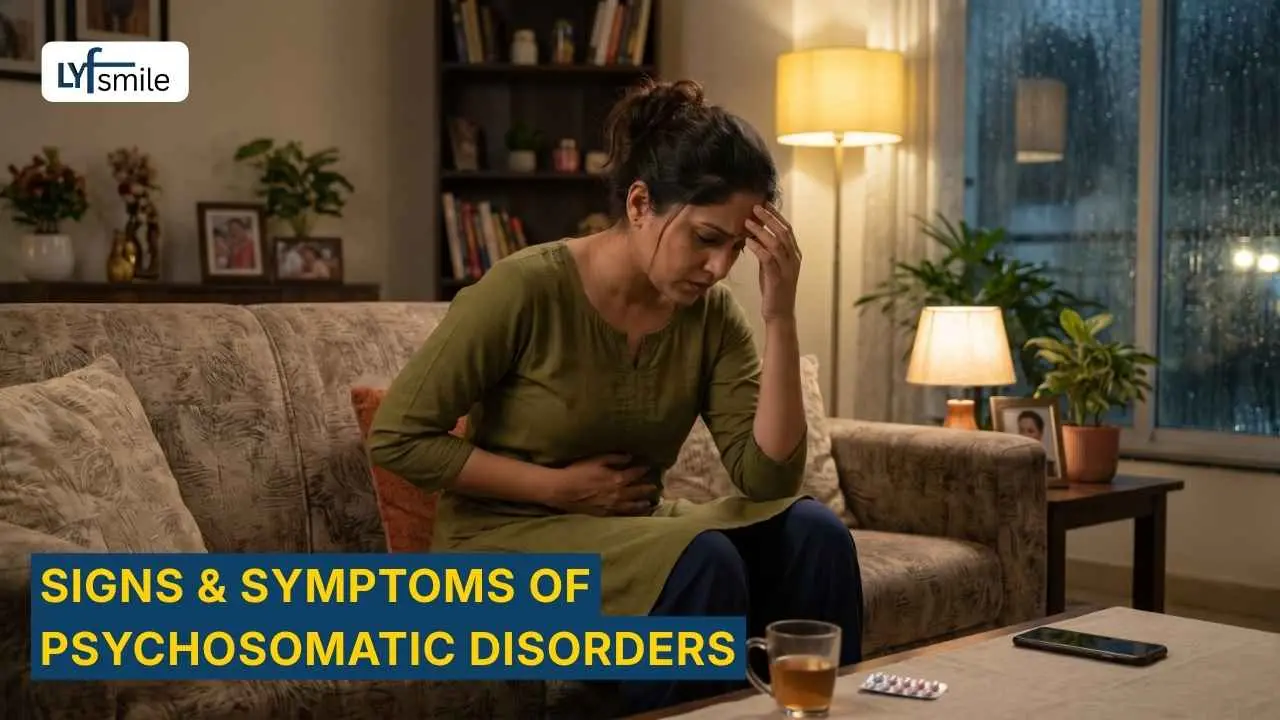 Psychosomatic disorders can show up as real physical symptoms caused or worsened by emotional stress. These signs often affect both the body and mind, making early recognition important for proper care.
Physical Signs & Symptoms
Symptoms of psychosomatic disorders can affect multiple body systems and often intensify during periods of emotional stress or unresolved psychological conflict.
Pain & Muscle Issues:
Chronic, unexplained pain in the back, neck, or joints
Tension-type headaches or frequent migraines
Muscle stiffness, tightness, or jaw clenching
Digestive Problems:
Irritable bowel syndrome (IBS), bloating, nausea, or changes in appetite
Recurrent stomach pain, diarrhoea, or constipation
Cardiovascular & Respiratory Signs:
Heart palpitations or a racing heartbeat
Shortness of breath or hyperventilation episodes
Occasional chest discomfort without a medical cause
General & Neurological Symptoms:
Persistent fatigue or low energy that does not improve with rest
Sleep disturbances such as insomnia or disturbed sleep cycles
Dizziness, tremors, or unexplained weakness
Skin Conditions:
Stress-related flare-ups such as eczema, psoriasis, or unexplained rashes
Cleveland Clinic notes that many stress-related conditions can present as real physical symptoms even when standard medical tests appear normal.
Psychological & Behavioral Signs
Psychosomatic conditions also involve emotional and behavioural patterns that reflect underlying stress or trauma.
Constant anxiety, worry, or emotional distress
Mood swings, irritability, or feeling emotionally overwhelmed
Emotional suppression or difficulty expressing feelings
Excessive concern about physical health despite normal test results
Frequent doctor visits without lasting reassurance
Red Flag Warning Signs
Some symptoms require immediate medical attention to rule out serious physical conditions.
Severe chest pain or difficulty breathing
Sudden vision or speech changes
Loss of consciousness or confusion
Sudden numbness or weakness in limbs
When these symptoms continue despite normal medical reports, they may indicate a psychosomatic condition. Identifying them early can help in getting the right treatment and improving overall well-being.
What Causes Psychosomatic Disorders?
Psychosomatic disorders typically don’t stem from a single cause. Instead, they arise from a combination of interconnected factors:
Chronic Stress
Ongoing pressure from work, school, or personal life can overactivate the body’s stress response system, leading to physical symptoms over time.Emotional Trauma
Past traumatic events or unresolved emotional pain may surface as physical complaints, sometimes years later.Suppressed Emotions
Feelings such as anger, sadness, or fear that are not openly expressed can be unconsciously channelled into bodily symptoms.Lifestyle Factors
Poor sleep, an unhealthy diet, lack of physical activity, and excessive screen time can impair emotional regulation and worsen physical symptoms.
Psychosomatic disorders are real, not imagined. They arise when emotional distress finds a voice through the body. Healing begins by addressing both the mind and the physical symptoms together.
How Are Psychosomatic Disorders Diagnosed?
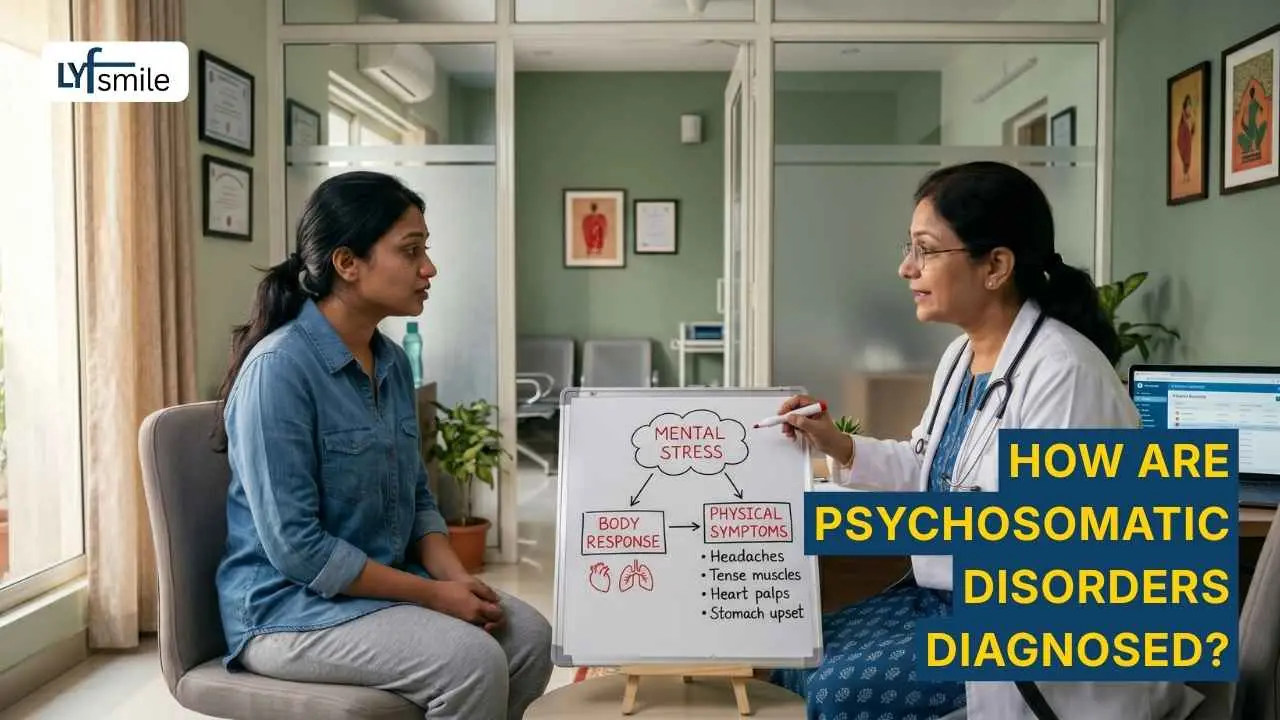 The diagnosis of psychosomatic disorders follows a careful and structured process that focuses on identifying both physical and psychological factors. Since symptoms often resemble medical conditions, doctors first ensure that no underlying physical illness is causing the problem. Only after ruling out medical causes do healthcare professionals evaluate emotional and mental health influences to confirm a psychosomatic origin. This balanced approach ensures accurate diagnosis and appropriate psychosomatic disorder treatment.
1. Medical Evaluation & Exclusion
The first step involves ruling out physical illnesses that may explain the symptoms.
Medical History: Detailed assessment of symptom onset, duration, and pattern
Physical Examination: Checking for any visible or functional abnormalities
Diagnostic Tests: Blood tests, scans, or other investigations to exclude conditions like infections, hormonal issues, or organ-related diseases
2. Psychological Assessment
If medical tests do not explain the symptoms, a psychological evaluation is conducted to understand emotional triggers and mental health factors.
Stress Levels: Assessing ongoing stress, anxiety, or emotional pressure
Trauma History: Exploring past traumatic or unresolved experiences
Emotional Well-being: Evaluating mood, behaviour, and coping ability
Daily Life Stressors: Identifying lifestyle or situational triggers affecting mental health
3. Holistic Mind-Body Evaluation
Doctors and mental health professionals work together to understand how emotional distress may be influencing physical symptoms. This step ensures that both psychological and physical aspects are considered before diagnosis.
Identifying patterns between stress and symptom flare-ups
Evaluating coping mechanisms and emotional regulation
Assessing impact on daily functioning and quality of life
This comprehensive approach helps ensure that psychosomatic disorder treatment is tailored to both mind and body needs, leading to more effective long-term recovery.
Effective Psychosomatic Disorder Treatment Options
Effective treatment for psychosomatic disorders typically involves a multimodal approach that integrates psychological therapy, medical management, and physical interventions to address the link between the mind and body.
1. Psychotherapy (First-Line Treatment)
Psychological interventions are considered the most essential component for long-term recovery. They help patients understand how emotions manifest as physical symptoms.
Cognitive Behavioural Therapy (CBT): The most widely recommended treatment is Cognitive Behavioural Therapy (CBT). It focuses on identifying and reframing negative thought patterns that can worsen physical symptoms and teaches effective coping skills for managing daily stress. Top CBT experts like Tanya Sachdev, also UK-qualified, are often recognised for using structured therapeutic techniques to support recovery from psychosomatic conditions.
Mindfulness-Based Stress Reduction (MBSR): Uses meditation and yoga to increase awareness and acceptance of physical discomfort. Studies show it can be as effective as CBT for chronic pain, especially in reducing "worry" and comorbid emotional symptoms.
Alternative Psychotherapies: Depending on individual needs, other options include Psychoanalysis for exploring deep-seated emotional roots and Hypnotherapy, which can be particularly effective for tension-related conditions like IBS, psoriasis, or eczema.
2. Medication Management
While medications do not "cure" the physical symptoms themselves, they are used to manage the underlying psychological triggers. They work best when combined with therapy.
Antidepressants (SSRIs/SNRIs): First-choice options like Sertraline (Zoloft), Escitalopram (Lexapro), and Duloxetine (Cymbalta) help regulate mood and reduce the intensity of physical distress.
Short-Term Relief: Benzodiazepines (e.g., Xanax or Ativan) may be used as a temporary "bridge" to manage acute panic attacks or severe muscle tension, though they are generally not for long-term use due to dependence risks.
Pain Management: Certain tricyclic antidepressants, such as Amitriptyline, are sometimes prescribed for chronic pain syndromes.
3. Physical & Mind-Body Therapies
These treatments help reset the nervous system and manage the body's physical response to stress. They teach patients to actively regulate their own physiological reactions.
Psychomotor Physiotherapy: A specialised form of physical therapy that uses massage, posture correction, and breathing exercises to normalise muscle tension and respiration.
Biofeedback: Electronic monitoring that teaches patients to consciously control physiological functions like heart rate and muscle tension.
Relaxation Techniques: Practices such as Progressive Muscle Relaxation (PMR), autogenic training, and yoga help lower cortisol levels and calm overactive nerve signals.
4. Emerging Treatments
For severe or treatment-resistant cases, specialised clinics may offer advanced options. These are typically considered after standard approaches have been exhausted.
Neuromodulation: Techniques like rTMS (Repetitive Transcranial Magnetic Stimulation) or tDCS (Transcranial Direct Current Stimulation) use magnetic pulses or electrical currents to modulate brain activity related to mood and pain.
Ketamine Infusion Therapy: Primarily for those with severe co-occurring depression, it can rapidly reduce both emotional and physical discomfort.
Counselling for Psychosomatic Disorders
 Psychosomatic disorder counselling plays a central role in recovery by helping individuals understand the link between emotional stress and physical symptoms. It focuses on identifying triggers and improving coping skills to support both mental and physical well-being.
Types of Counselling
Individual therapy: Focused one-on-one emotional support
Family counselling: Addresses home-related stress factors
Online counselling: Accessible and convenient treatment option
A good counsellor helps patients understand that their symptoms are real and treatable, and not “all in the mind,” while guiding them toward healthier ways to manage stress and emotions.
Psychosomatic Disorder Treatment Approaches That Work Best
The most effective strategy is an integrated treatment model, combining psychotherapy, lifestyle modifications, and medical support. It focuses on addressing both emotional triggers and physical symptoms together for better results. This approach also includes techniques like CBT, relaxation exercises, and stress management practices to improve overall well-being. Over time, it helps reduce symptom intensity and supports long-term recovery.
Therapy (CBT or psychodynamic)
Stress management techniques
Medical support (if needed)
Lifestyle changes
This holistic approach ensures both emotional healing and physical symptom relief. It helps individuals build stronger coping mechanisms for everyday stress. Over time, it improves the overall quality of life and reduces the recurrence of symptoms.
When to Seek Professional Help
It is time to seek professional help when physical symptoms continue despite normal medical reports or start affecting your emotional well-being and daily functioning. Because psychosomatic disorders involve real physical discomfort linked to psychological stress, delaying care can worsen symptoms and create a cycle of anxiety and pain.
You should consult a healthcare provider or mental health specialist if you experience the following:
1. Persistent Physical Symptoms
Medical tests show no clear cause for ongoing pain, fatigue, or digestive issues
Standard treatments provide little or no long-term relief
Symptoms keep returning despite repeated medical care
2. Impact on Daily Life
Difficulty managing work, studies, or daily responsibilities due to symptoms
Avoiding social situations because of fear of symptom flare-ups
Sleep disturbances caused by discomfort or constant worry
3. Emotional and Psychological Strain
Excessive focus on physical symptoms or constant health worries
Feeling frustrated, helpless, or emotionally drained due to an unclear diagnosis
Noticeable worsening of symptoms during stressful situations
4. When Immediate Help is Needed
Seek urgent support if you experience:
Thoughts of self-harm or feeling unsafe
Reliance on alcohol or substances to cope with distress
Sudden severe neurological symptoms like confusion, weakness, or loss of function
Who to Consult First?
Most people begin with a primary care doctor to rule out physical causes. If no medical explanation is found, referral to a psychiatrist or clinical psychologist is often recommended for targeted psychosomatic disorder treatment.
Prevention of Psychosomatic Disorders
 Psychosomatic disorders can often be reduced by adopting simple but consistent mental and physical health practices. Early care for stress and emotions plays an important role in preventing symptoms from affecting the body.
Here are 5 effective prevention tips:
Manage stress early through relaxation techniques like deep breathing or meditation
Practice mindfulness to stay aware of thoughts and emotions
Maintain a healthy lifestyle with proper sleep, diet, and exercise
Build emotional resilience by developing positive coping skills
Seek therapy or counselling at the early signs of emotional distress
Following these preventive steps can help maintain a healthy balance between mind and body. Early awareness and care are key to reducing the risk of psychosomatic symptoms and improving overall well-being.
Conclusion
Psychosomatic disorders highlight the powerful connection between mind and body. The symptoms are real, but their origin often lies in emotional and psychological stress. At Lyfsmile, we focus on a compassionate and holistic understanding of these conditions.
Effective psychosomatic disorder treatment requires a combination of psychotherapy, counselling, lifestyle changes, and sometimes medical support. With proper care, individuals can recover fully and regain control over both physical health and emotional well-being.
Early awareness, timely counselling, and a holistic treatment approach are the keys to long-term healing and improved quality of life.
FAQs on Psychosomatic Disorder Treatment
Why do I have physical symptoms when all my tests are normal?
This often happens in psychosomatic disorders, where stress, anxiety, or emotional issues trigger real physical symptoms even when medical reports show no clear illness.
What is the fastest way to treat psychosomatic disorders?
The most effective approach is a combination of CBT therapy, stress management techniques, and lifestyle changes. In some cases, medication may also be added for symptom relief.
Can anxiety really cause body pain and other physical symptoms?
Yes, anxiety can affect the nervous system and lead to symptoms like headaches, stomach issues, chest tightness, muscle pain, and fatigue.
Do I need a psychiatrist or psychologist for psychosomatic symptoms?
If medical tests are normal but symptoms continue, a psychiatrist or clinical psychologist can help identify emotional triggers and start psychosomatic disorder treatment.
How long does recovery from psychosomatic disorders take?
Recovery time varies from person to person, but with regular therapy and stress management, many people notice improvement within a few weeks to months.