Diksha Shankhwar
Best Child Psychologist in Gurgaon
If your child is struggling with emotional shifts, behaviour adjustments, or developmental milestones, finding the right support is crucial. Lyfsmile features a premier panel of highly qualified child counsellors in Gurgaon, dedicated to providing certified mental health care for children and adolescents aged 3–18.
Our team of experienced, RCI-registered experts, including Mrs. Ritika Dhall, Mrs. Tanya Sachdev, Dr Shraboni Nandi, and Ms Gunjan Bhatia, delivers result-oriented online and clinic-based therapies. To make high-quality counseling accessible to every family, we operate on a completely transparent ₹30 per minute pay-as-you-go model with zero package bindings.
Trusted by over 10,000 families across Delhi NCR, our specialists provide targeted sessions to help children manage the following:
Anxiety & Behavioral Challenges: Overcoming childhood fears, separation anxiety, panic, and chronic temper tantrums.
Neurodivergent Support: Providing structured behavioral and cognitive modeling for ADHD and Autism Spectrum Disorder (ASD).
Academic Stress & Gaps: Managing exam anxiety, school refusal, and specific learning difficulties.
Every child deserves a safe space to be heard. Let's talk." [Book a Free 15-Minute Consultation Today]
What Does a Child Psychologist in Gurgaon Do?
 A child psychologist is a trained mental health professional who specializes in studying how children think, feel, and behave at every stage of development. In a fast-paced city like Gurgaon, rising academic pressure, nuclear family setups, and excessive screen time are major parenting concerns. Consequently, consulting a clinical child psychologist in Gurgaon has become essential for early developmental support.
At Lyfsmile, our top child psychologists in Gurgaon work closely with families to identify emotional and behavioural challenges. We find the root cause of distress and provide age-appropriate, evidence-based therapies to ensure lasting improvement. Behaviour-related issues can be dealt with by behavioural modifications.
Key Issues Addressed by Child Therapists in Gurgaon:
Anxiety & Phobias: Managing childhood fears, panic attacks, and separation anxiety.
Neurodivergent Support: Specialised behavioural therapies for ADHD and Autism Spectrum Disorder (ASD).
Behavioural Problems: Modifying aggressive behaviours, chronic temper tantrums, and oppositional defiance.
Academic Stress: Overcoming exam fear, school refusal, and specific learning difficulties like dyslexia.
Emotional Well-being: Treating childhood depression, unexplained sadness, and emotional withdrawal.
Confidence Building: Resolving low self-esteem issues and social anxiety.
Family Counseling: Resolving family conflicts and improving parent-child communication gaps.
Trauma Recovery: Helping children cope with grief, loss, and trauma (PTSD).
Meet RCI-Registered Child Psychologists in Gurgaon
At Lyfsmile, we believe that pediatric mental healthcare requires deep empathy and specialized clinical qualifications. Every resident pediatric psychologist, behavioral therapist, and counselor on our panel brings years of institutional experience and deep case management expertise:
Mrs Ritika Dhall (Counselling Psychologist & CBT Specialist): Highly recognized for conducting hundreds of successful therapeutic interventions. She specializes in Cognitive Behavioural Therapy (CBT) for adolescent anxiety, childhood depression, and academic stress management.
Mrs. Tanya Sachdev (Child & Adolescent Counselor): Expert in dealing with school-age behavioural issues, separation anxiety, screen addiction, and teenage peer-pressure challenges.
Dr Shraboni Nandi (Senior Consultant Psychologist): Specializes in comprehensive psychological profiling, intelligence testing (IQ assessments), and developmental milestones tracking for young children.
Ms. Gunjan Bhatia (Pediatric Behavioral Therapist): Focuses heavily on neurodivergent support systems, delivering structured behavioral modification programs for kids diagnosed with ADHD, Autism (ASD), and learning disabilities.
When should I take my child to a psychologist?
 As a parent, it can be challenging to differentiate between a temporary developmental phase and a deeper emotional concern that requires professional support. Every certified child therapist in Gurgaon on our panel strongly emphasises early intervention; the sooner you address psychological roadblocks, the more effective the long-term therapeutic outcomes will be.
10 Warning Signs Your Child Needs a Pediatric Therapist:
Severe Mood Dysregulation: Sudden emotional shifts, such as intense crying spells, persistent anger, or unexplained sadness.
School Refusal & Anxiety: Complete refusal to attend classes, or intense fear of school environments and teachers.
Aggressive Behavioural Patterns: Hitting, biting, screaming, destructiveness, or chronic temper tantrums.
Social Isolation & Withdrawal: Retreating from friends, family interaction, and previously enjoyed extracurricular activities.
Attention Deficit & Hyperactivity: Severe difficulty focusing, executive dysfunction, or incomplete homework (frequently linked to ADHD).
Disrupted Biological Functions: Drastic changes in eating habits, sudden weight shifts, or irregular sleep patterns.
Psychosomatic Symptoms: Chronic complaints of stomach aches or headaches with zero diagnosed medical causes.
Generalised Anxiety & Panic: Persistent irrational worries, excessive fear of separation, or acute panic attacks.
Academic Performance Drops: A sudden, sharp decline in school performance, focus, or grades.
Depressive/Suicidal Ideation: Expressing feelings of worthlessness, hopelessness, or talking about not wanting to exist.
Clinical Guidelines for Parents: If your child exhibits 3 or more of these symptoms continuously for over 2 weeks, please consult a certified child psychologist in Gurgaon immediately. Timely professional assessment prevents long-term psychological and emotional complications.
Child Psychologist Fees in Gurgaon: Sessions & Pricing
One of the first questions parents ask is, "How much does a child psychologist cost in Gurgaon?" At Lyfsmile, we firmly believe that quality child counseling and early behavioural interventions should be completely affordable, transparent, and flexible for every family.
How Much Does a Child Therapy Session Cost in Gurgaon?
To eliminate financial stress and package bindings for parents, Lyfsmile has introduced India’s most flexible and revolutionary mental health pricing models:
Pay-Only-For-What-You-Use (₹30 Per Minute): No need to pay for heavy upfront packages for a full hour if your child completes their session early. With Lyfsmile’s highly flexible model, you pay a flat rate of just ₹30 per minute for the exact duration of your talk time.
Free 15-Minute Consultation: We understand that choosing the right pediatric expert is a sensitive decision. Lyfsmile offers a completely Free 15-Minute Initial Consultation with our intake team. This allows you to discuss your child’s emotional or behavioural concerns risk-free before committing to a full therapy plan.
Whether you are looking for specialized ADHD management, anxiety support, or academic counseling, we provide highly affordable premium clinical care both online and at our Gurgaon centre.
Evidence-Based Child Therapy & Counselling Services in Gurgaon
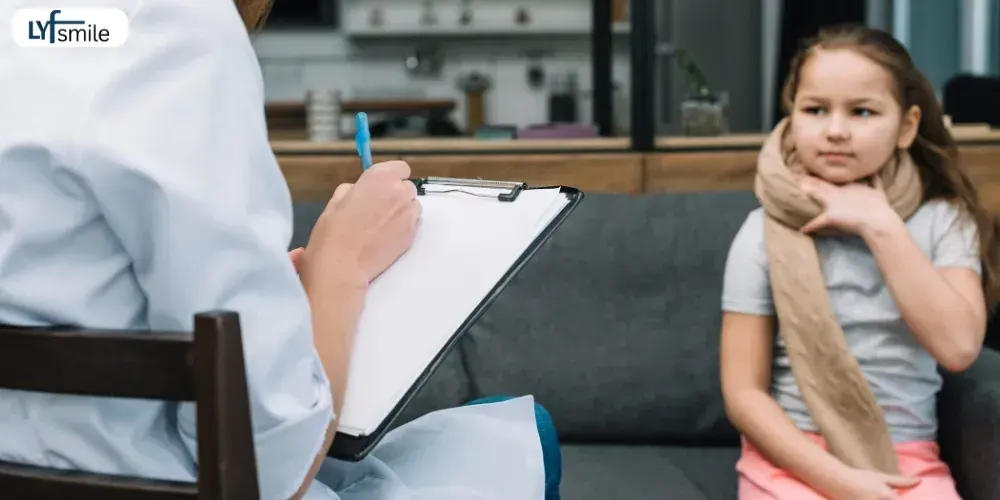 Different children require uniquely tailored clinical approaches. At Lyfsmile, our certified child psychologists in Gurgaon utilize globally recognized, evidence-based therapy techniques to deliver personalized developmental care for your child:
1. Cognitive Behavioral Therapy (CBT) for Children:
CBT is highly effective for managing childhood anxiety, early-stage depression, destructive thought patterns, and executing targeted ADHD therapy in Gurgaon. Our child psychologists in Gurgaon guide children to identify negative cognitive triggers and structurally replace them with healthy behavioral habits. Best suited for children and adolescents aged 8–18 years.
2. Play Therapy for Kids in Gurgaon
Younger children often lack the vocabulary to express complex emotional trauma. Play therapy allows children to naturally communicate their feelings through structured toys, creative art, and interactive games in a safe, clinical environment. Best suited for toddlers and young children aged 3–10 years.
3. ABA Therapy for Autism (ASD) in Gurgaon
Applied Behavior Analysis (ABA) is a highly structured, scientifically proven therapeutic framework designed to assist families seeking targeted autism therapy Gurgaon solutions. Our certified therapists create customized ABA roadmaps to enhance speech, functional communication, social interactions, and independent daily living skills. Best suited for children aged 2–12 years.
4. Dialectical Behavior Therapy (DBT) for Teens in Gurgaon
DBT is specifically tailored for teenagers dealing with extreme emotional volatility, underlying anger issues, or peer-relationship stress. It equips adolescents with essential real-world skills, including emotional regulation, high distress tolerance, and mindfulness. Best suited for teenagers aged 13–18 years.
5. Mindfulness-Based Therapy for Children
Simple, engaging mindfulness practices and deep-breathing exercises help children cope effectively with academic exam stress, chronic restlessness, and social anxieties. Lyfsmile’s pediatric experts make mindfulness interactive and fun so children can seamlessly practice these habits at home.
Why Lyfsmile is the Trusted Choice for Child Counseling in Gurgaon
To ensure a child’s mental well-being, a clinical approach must combine professional expertise with evidence-based interventions. Lyfsmile stands out in the Gurgaon mental health landscape by prioritizing the following pillars of child psychology:
Specialized Clinical Expertise: Unlike general counseling, Lyfsmile’s team consists of licensed experts, including the most sought-after child behaviour therapist Gurgaon has to offer. They provide targeted support for neurodivergent conditions like ADHD and ASD, ensuring that interventions are scientifically grounded and result-oriented.
Evidence-Based Therapeutic Modalities: We utilize a mix of Cognitive Behavioral Therapy (CBT) for emotional regulation and Play Therapy for younger children. This multi-modal approach ensures that therapy is age-appropriate and focuses on deep, long-term healing rather than just surface-level fixes.
Holistic Safe Space: Recovery is accelerated in a controlled, secure environment. Lyfsmile’s facility is designed to reduce sensory overload and foster trust, allowing children to communicate their internal stressors without fear of judgment.
Collaborative Care Model: We bridge the gap between the clinic and home. By providing structured parenting guidance alongside child sessions, we ensure a 360-degree support system, improving the long-term efficacy of the treatment.
Areas We Serve in Gurugram
Whether parents are looking for help with anxiety, behavioural concerns, ADHD, autism, academic stress, or emotional difficulties, our child psychologists provide both online and in-clinic sessions to make professional support easily accessible.
We regularly support children and teenagers from major residential and commercial areas, including DLF Phase 1, DLF Phase 2, DLF Phase 3, DLF Phase 4, DLF Phase 5, Sushant Lok, South City, Palam Vihar, Golf Course Road, Sohna Road, and Sector 14, Sector 45, Sector 56, Sector 57, and Sector 67. Families from nearby locations and other parts of Gurugram can also access therapy sessions according to their convenience.
Our experienced child therapists work with children facing a wide range of concerns, such as emotional regulation difficulties, school-related stress, social anxiety, developmental challenges, learning difficulties, ADHD, autism spectrum disorder, and behavioural issues. Parents can choose between online consultations and in-person sessions based on their child's comfort and individual needs.
By making child counselling services available across Gurugram, we aim to ensure that families receive timely support and guidance without unnecessary delays. Early intervention and consistent therapeutic care can help children build confidence, improve coping skills, and achieve healthy emotional and behavioural development.
Take the First Step for Your Child Today
Your child's emotional well-being is just as vital as their physical health. If you have noticed persistent signs of anxiety, behavioral shifts, school stress, or emotional withdrawal, do not wait for the phase to pass. Reaching out to a certified child psychologist in Gurgaon at the right time can make a life-changing difference in your child's developmental path.
Early developmental support equals better long-term therapeutic outcomes. The sooner your child receives professional guidance, the faster they will heal, grow, and thrive.
Book Your FREE 15-Minute Consultation Today or connect with our intake team directly via WhatsApp to discuss your child's needs.
Frequently Asked Questions
Q1. What is the fee of a child psychologist in Gurgaon?
Ans: Traditional child psychology sessions in Delhi NCR range from ₹1,200 to ₹3,500 per hour. However, to ensure absolute transparency, Lyfsmile features a unique ₹30 per minute pay-as-you-go model, meaning you only pay for the exact duration of your talk time. A completely FREE 15-minute initial consultation is also available to help you evaluate your child's needs.
Q2. At what age should a child see a psychologist?
Ans: Children of any developmental stage can benefit from therapy. Toddlers aged 2–3 years are typically evaluated for early developmental milestones and Autism Spectrum Disorder (ASD). Children aged 5–12 receive targeted behavioural modelling for anxiety and ADHD, while teenagers aged 13–18 benefit from specialised counselling for clinical depression, identity crises, and academic stress.
Q3. Can a child psychologist in Gurgaon help with ADHD?
Ans: Yes. Lyfsmile's child psychologists are highly experienced in managing Attention Deficit Hyperactivity Disorder (ADHD) and addressing chronic lack of concentration through a combination of Cognitive Behavioral Therapy (CBT), customized attention-building exercises, executive function plans, and structured parent training protocols. Both online and in-person ADHD interventions are fully accessible in Gurugram.
Q4. Is online child counselling as effective as in-person sessions?
Ans: Clinical research indicates that online child therapy is highly effective and matches the success rates of in-person therapy for standard conditions like generalized anxiety, academic panic, ADHD management, and early emotional regulation. Remote online slots are exceptionally beneficial for children who feel overwhelmed in a clinical setting and prefer speaking from their home comfort zone.
Q5. Which areas of Gurgaon does Lyfsmile serve?
Ans: Lyfsmile provides comprehensive offline and online pediatric counseling across all key sectors of Gurugram, including DLF Phase 1–5, Golf Course Road, Sohna Road, Sector 14, 45, 56, 57, 67, Sushant Lok, and Palam Vihar. Secure digital consulting packages are also available for families residing anywhere across India.
Q6. How many sessions does my child need?
Ans: Most parents begin noticing concrete, visible improvements within 4 to 8 active sessions. Mild mental roadblocks like immediate exam fear can be successfully resolved within a short 4–6 session cycle. However, long-standing neurodevelopmental challenges like severe Autism (ASD) or childhood trauma might require regular, long-term therapeutic assistance.
Q7. What is the difference between a child psychologist and a child psychiatrist?
Ans: A child psychologist holds specialized postgraduate or doctoral degrees in clinical psychology and treats emotional and behavioral issues using talk therapies (like CBT or play therapy) without medications. A child psychiatrist is a qualified medical doctor (MD) who can legally prescribe pharmaceutical medicines for extreme neurochemical imbalances or severe psychiatric conditions.
Q8. Are Lyfsmile's child psychologists RCI registered?
Ans: Yes. Lyfsmile features a verified panel of clinical psychologists aligned with the Rehabilitation Council of India (RCI) guidelines. Our team consists of highly credentialed senior practitioners, including Dr. Shraboni Nandi, an RCI-registered professional with a PhD in Psychology and over 20+ years of institutional expertise.
Q9. Can parents attend the child therapy sessions?
Ans: Absolutely. Parent involvement is a cornerstone of Lyfsmile’s collaborative care approach. While the core session is focused individually on the child, dedicated parent counseling loops are always built into the plan so that you can effectively sustain the emotional healing ecosystem at home.
Q10. How to book a free consultation at Lyfsmile Gurgaon?
Ans: Booking a free session takes less than a minute. You can text our intake managers directly on WhatsApp at +91 9804791047, visit our official website at lyfsmile.com and tap 'Book Session,' or initiate a chat via our webpage help desk. Our clinical coordinators will map your child to the most compatible child psychologist within 24 hours.